
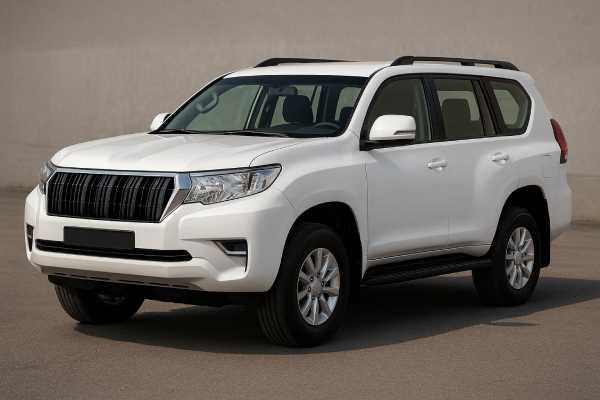
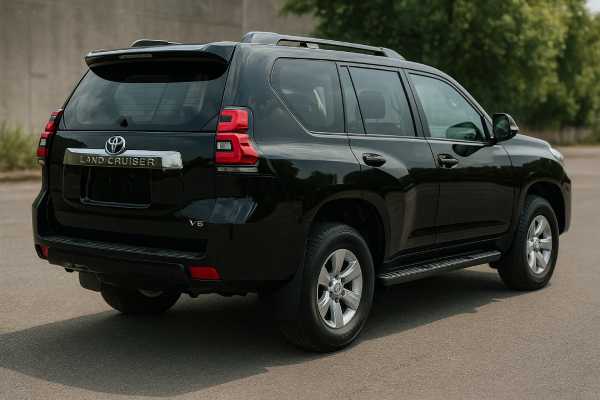
The 2015–2019 facelift of the Land Cruiser J150 introduced Toyota’s 1GD-FTV 2.8-litre four-cylinder diesel to Europe, pairing a modern common-rail, variable-geometry turbo engine with the Land Cruiser’s traditional ladder frame and full-time 4×4 hardware. It brought quieter cruising, stronger mid-range torque, and cleaner emissions than the outgoing 3.0-litre while preserving the Prado/150’s reputation for reliability and serious off-road ability. This guide focuses on the European specification and equipment logic because the GDJ150 was not retailed in the U.S. or Canada during these years. Expect practical, owner-level detail: the specs that matter, how the driveline behaves on the road and on trails, what fails (and how to prevent it), and which trims or options make a noticeable difference. If you tow, run in cold climates, or split time between motorways and rutted lanes, the 2.8D Land Cruiser remains one of the few SUVs that feels unbothered by hard use when maintained on time with the correct low-SAPS fluids.
Top Highlights
- Full-time 4×4 with a lockable centre differential and low range gives dependable traction; optional rear locker meaningfully boosts mud and snow capability.
- 1GD-FTV diesel delivers strong usable torque with calmer cruising than the old 3.0 D-4D; AdBlue (SCR) reduces NOx for Euro 6 compliance.
- Chassis tuning favours stability when loaded or towing; common EU braked towing up to 3,000 kg (6,614 lb).
- Watch for DPF/NOx-sensor complaints on short-trip usage; early ECUs benefit from software updates and correct oil grade.
- Oil and filter every 10,000 km / 12 months keeps soot and dilution in check for urban users.
Guide contents
- GDJ150 Diesel Overview
- GDJ150 Specs and Data
- Trims and Safety Package
- Reliability, Issues, and Actions
- Maintenance and Buyer’s Guide
- Driving and Performance
- Rivals and Alternatives
GDJ150 Diesel Overview
The facelifted Land Cruiser (GDJ150) brings the most meaningful engine change to the European J150 line: Toyota’s 1GD-FTV 2.8-litre common-rail diesel. On paper the rated output—177 hp (130 kW)—looks modest, but the engine’s shape of torque (420–450 Nm, depending on gearbox and market) is the story. It pulls with little fuss from low revs, resists heat-soak when towing, and stays composed in deep snow or slow rock sections where throttle finesse matters more than top-end power. AdBlue-equipped aftertreatment (SCR) and a close-coupled DPF help it meet Euro 6, and the calibration changes introduced during the facelift years improved in-gear responsiveness and high-altitude drivability over the earlier 3.0 D-4D.
Underneath, the formula stays reassuringly familiar: a tough ladder frame, independent double-wishbone front suspension, and a four-link live rear axle. Full-time four-wheel drive uses a Torsen-type centre differential that you can lock for slippery surfaces, and a proper 2.566:1 low-range ratio gives delicate control on steep descents or technical climbs. Many European examples gained Toyota’s Kinetic Dynamic Suspension System (KDSS), which hydraulically links the anti-roll bars to firm up roll control on road but “uncouple” for articulation off road. With or without KDSS, the ride feels unflustered, and the steering is honest if not sporty.
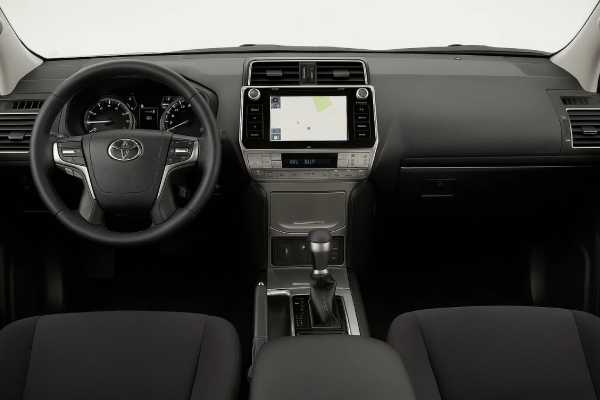
The cabin updates in the facelift years refined NVH and ergonomics: clearer primary gauges, a more responsive infotainment head unit, and improved sound deadening. Seven-seat configurations remain common, and boot versatility is excellent, especially in five-seat cars where the second row folds flat to yield a long, square cargo bay. Owners coming from crossovers notice the straightforward controls—mechanical low-range lever or well-labeled buttons for the centre diff lock and (if fitted) rear locker. On higher trims, Crawl Control and terrain modes further simplify slippery or rutted tracks, and Trailer Sway Control is increasingly present. Lighting moved towards LED on top grades, which helps both night-time rural driving and energy efficiency during prolonged idling.
For European buyers who split time between cities and country, the 1GD’s strengths are durability and predictability. It is less sensitive to short, cold trips than older D-4Ds when kept on the right oil and regeneration strategy, and it tolerates quality aftermarket all-terrain tyres without destabilising the chassis. The trade-offs are familiar: you will not win sprints away from toll booths, and highway economy depends more on speed, wind, and tyres than a brochure number suggests. But the GDJ150 shines where it counts—getting heavy tasks done without drama, year after year.
GDJ150 Specs and Data
Below are European-baseline specifications for the 2015–2019 facelift Land Cruiser with the 1GD-FTV diesel. Ranges reflect seat count, wheel packages, and market options.
Engine and Performance (ICE)
| Item | Value |
|---|---|
| Code | 1GD-FTV (Euro 6 with SCR/DPF) |
| Layout & cylinders | Inline-4, aluminium head, cast-iron block, DOHC, 16 valves |
| Bore × stroke | 92.0 × 103.6 mm (3.62 × 4.08 in) |
| Displacement | 2.8 L (2,755 cc) |
| Induction | Single variable-geometry turbocharger with intercooler |
| Fuel system | Denso common-rail direct injection |
| Compression ratio | ~15.6:1 |
| Max power | 177 hp (130 kW) @ ~3,400 rpm |
| Max torque | Manual ~420 Nm (310 lb-ft) @ ~1,400–2,600 rpm; Automatic up to ~450 Nm (332 lb-ft) in overboost window |
| Timing drive | Belt (scheduled replacement) |
| Emissions standard | Euro 6 (AdBlue SCR + DPF + EGR) |
| Rated combined economy (type-approved) | ~7.4–7.9 L/100 km (31.8–29.8 mpg US / 38.2–35.8 mpg UK) depending on body/tyres |
| Real-world highway @ 120 km/h (75 mph) | ~8.5–10.5 L/100 km (27.7–22.4 mpg US / 33.3–26.9 mpg UK) |
| Aerodynamics | Cd ~0.35–0.36; frontal area ~2.7–2.8 m² (29–30 ft²) |
Transmission and Driveline
| Item | Value |
|---|---|
| Manual gearbox | 6-speed (typical ratios: 1st 4.171; 2nd 2.190; 3rd 1.488; 4th 1.000; 5th 0.780; 6th 0.700; Rev 3.943) |
| Automatic gearbox | 6-speed Aisin (typical ratios: 1st 3.600; 2nd 2.090; 3rd 1.488; 4th 1.000; 5th 0.687; 6th 0.580; Rev 3.732) |
| Final drive ratio | ~3.73–4.30 (varies by tyre/load rating) |
| Transfer case | 2-speed with 2.566:1 low range |
| Drive type | Full-time 4×4 with Torsen-type centre diff (lockable) |
| Differentials | Open front; rear open or e-locker by option/trim |
| Refuel to full | ~5–7 minutes at forecourt pump |
Chassis and Dimensions
| Item | Value |
|---|---|
| Front suspension | Double wishbone, coil springs, anti-roll bar (KDSS on equipped trims) |
| Rear suspension | 4-link live axle, coil springs, anti-roll bar (KDSS on equipped trims) |
| Steering | Rack-and-pinion, hydraulic assist; ~3.0–3.2 turns lock-to-lock |
| Brakes | Ventilated discs front/rear; front ~338 mm (13.3 in), rear ~312 mm (12.3 in) |
| Wheels/tyres | 265/65 R17 or 265/60 R18 common; 16–19 in options by trim |
| Ground clearance | ~215 mm (8.5 in) |
| Angles (approach/departure/breakover) | ~31° / 25° / 22° (tyre/bumper dependent) |
| Length × width × height | ~4,780–4,840 × 1,885 × 1,845–1,850 mm (188.2–190.6 × 74.2 × 72.6–72.8 in) |
| Wheelbase | 2,790 mm (109.8 in) |
| Turning circle (kerb-to-kerb) | ~11.6 m (38.1 ft) |
| Kerb (curb) weight | ~2,150–2,350 kg (4,740–5,180 lb) |
| GVWR | ~2,930–2,990 kg (6,460–6,592 lb) |
| Fuel tank | 87 L (23.0 US gal / 19.1 UK gal) |
| Cargo volume (5-seat, VDA) | ~621 L (21.9 ft³) seats up; ~1,934 L (68.3 ft³) seats down |
| Cargo volume (7-seat) | ~104 L (3.7 ft³) behind 3rd row; ~553 L (19.5 ft³) behind 2nd row |
Performance and Capability
| Item | Value |
|---|---|
| 0–100 km/h (0–62 mph) | ~12.1–12.7 s (trim/tyres/gearbox) |
| Top speed | ~175–180 km/h (109–112 mph) |
| Braking 100–0 km/h | ~40–43 m (131–141 ft) on road tyres in good conditions |
| Towing (braked/unbraked) | Up to 3,000 / 750 kg (6,614 / 1,653 lb) when correctly equipped |
| Payload | Typically ~600–720 kg (1,323–1,587 lb) |
| Roof load | ~80–100 kg (176–220 lb) with approved bars |
Fluids and Service Capacities
| System | Specification | Capacity* |
|---|---|---|
| Engine oil | Low-SAPS 0W-30 or 5W-30 meeting ACEA C2; API SN/CF or newer | ~7.5–7.8 L (7.9–8.2 US qt) |
| Coolant | Toyota Super Long Life Coolant (pink), 50/50 mix | ~10–12 L (10.6–12.7 US qt) |
| Automatic transmission | Toyota ATF WS; service vs. dry fill differs | ~4–5 L (4.2–5.3 US qt) service; ~10–12 L (10.6–12.7 US qt) dry |
| Manual transmission | GL-4/GL-5 75W-90 (per specification) | ~1.7–2.2 L (1.8–2.3 US qt) |
| Transfer case | 75W-90 GL-5 | ~1.4–1.6 L (1.5–1.7 US qt) |
| Front differential | 75W-85/90 GL-5 | ~1.5 L (1.6 US qt) |
| Rear differential | 75W-85/90 GL-5 | ~3.0 L (3.2 US qt) |
| A/C refrigerant | R-134a | ~650–750 g (23–26 oz) |
| A/C compressor oil | ND-OIL 8 (or Toyota equivalent) | ~120–150 mL (4.1–5.1 fl oz) |
*Verify by VIN; cooler packs and axle choices change volumes slightly.
Key torque examples: wheel nuts ~131 Nm (97 lb-ft); engine oil drain ~40 Nm (30 lb-ft); front prop-shaft flange bolts ~65–70 Nm (48–52 lb-ft); typical diff drain/fill ~39–49 Nm (29–36 lb-ft).
Electrical
| Item | Value |
|---|---|
| Alternator | ~150 A (equipment dependent) |
| 12 V battery | 80–95 Ah DIN (cold-climate options higher CCA) |
Safety and Driver Assistance
| Item | Value |
|---|---|
| Crash testing | No contemporary Euro NCAP/IIHS rating published for this facelift body/version |
| Headlights | Projector halogen or LED (by trim/year) |
| ADAS suite | Hill-start assist (standard); Downhill Assist Control (widely available); Trailer Sway Control (available); on upper trims late in the period: Lane Departure Alert, Pre-Collision braking, and Road Sign Assist; rear camera and parking sensors by trim |
Notes on efficiency and ratings
Type-approval economy figures are optimistic for a heavy ladder-frame SUV; use the real-world ranges above for planning. Safety equipment content improved year-by-year within this facelift window; verify a specific vehicle’s ADAS content by VIN.
Trims and Safety Package
European naming varies by country, but the trim walk usually progresses from a simple, durable work spec to a lavish top grade. The 2.8D was the mainstay across the range in Europe.
Typical trim ladder (EU examples):
- Utility/Active/Business: Hard-wearing fabrics, 17-inch wheels, manual or single-zone auto HVAC, standard full-time 4×4 with low range, basic audio with Bluetooth, rear diff open on most, Trailer Sway Control optional or bundled. Five seats common.
- Icon/Life/Mid: 18-inch alloys, dual-zone climate, upgraded infotainment with navigation, reversing camera, privacy glass, roof rails, power driver seat, Downhill Assist Control. Some receive Crawl Control. Seven seats available.
- Invincible/Executive/Top: Leather upholstery, heated seats (front, sometimes rear), LED headlights where legal, premium audio, sunroof, KDSS, rear differential locker, Crawl Control and terrain modes, more complete Toyota Safety Sense (market dependent). Seven seats often standard.
Mechanical distinctions that matter:
- KDSS vs. standard bars: KDSS firms body control on tarmac and preserves axle articulation off road; it adds weight and hydraulic complexity but pays dividends for towing and fast A-roads.
- Rear e-locker: Worth prioritising if you see ruts, wet fields, or winter lanes. It transforms progress when a wheel lifts.
- Wheel/tyre choice: 17-inch wheels on 265/65 tyres ride better, resist rim damage, and work better in deep snow than the 18-inch set.
Year-to-year changes (2015–2019):
- 2015 (facelift launch): Styling update (bonnet, grille, bumpers), improved sound insulation, updated instrument cluster and multimedia, 1GD-FTV introduced.
- 2016: Infotainment responsiveness improvements; option reshuffles; trailer-stability and downhill-assist adoption broadened.
- 2017: Broader availability of LED headlamps and of Toyota Safety Sense on higher trims in many EU markets.
- 2018–2019: Minor interior trim and colour updates; ADAS bundles more common; small calibration tweaks for throttle and DPF strategy.
Safety content and child-seat notes: Multiple airbags (front, side, curtain; driver knee on many), ISOFIX/LATCH on outer second-row positions, ABS/EBD/ESC standard. Seven-seat cars typically extend curtain coverage to the third row. Camera/sensor calibration may be required after windshield replacement, front bumper repairs, or alignment changes; budget time for radar or camera aiming on Safety Sense-equipped cars.
Quick identifiers by sight: KDSS hydraulic cylinders visible behind the front wheels; rear locker switch near the low-range/centre-lock controls; LED headlamp signature on top trims; seven-seat cars have seat-belt indicators for the third row. VINs for EU cars typically begin JTE (Japan-built).
Reliability, Issues, and Actions
Toyota engineered the GDJ150 for hard miles, but European urban patterns (short trips, cold starts) and neglect of low-SAPS fluids can still cause issues. Below are the patterns owners and technicians most often see, sorted by system with prevalence and cost rough-cuts.
Engine, fuel, and aftertreatment
- DPF regeneration complaints (common; low–medium): Frequent short trips prevent full regens, leading to rising soot load, higher idle, or fan running after shutdown. Remedy: complete a highway regeneration cycle (≥20–30 min at 2,000–2,500 rpm), ensure software is current, and use ACEA C2 oil to reduce ash. Forced regen and DPF differential-pressure checks if soot is excessive.
- NOx sensor faults (occasional; medium): Intermittent MIL and reduced power. Fault codes often follow moisture or ageing. Replace affected sensor and check harness; software updates can improve robustness.
- EGR cooler soot/oil contamination (occasional; medium): Symptoms include hesitation, smoke at cold start, or P040x codes. Cleaning ports/cooler and updating calibration helps; inspect intake manifold for deposits.
- Fuel filter/water separator (common; low): Hard starts or hesitation after fuel from questionable sources. Drain water separator, replace filter (more often than the book if you run rural fuel), and prime carefully.
- Oil dilution rise (occasional; low): Oil level creeping up due to frequent incomplete regens. Address root cause (usage pattern and updates) and shorten oil intervals to 10,000 km / 12 months for urban use.
Cooling and ancillaries
- Water pump seep (occasional; low–medium): Pink crust around the weep hole and faint smell after shutdown. Replace pump/gasket and refresh SLLC coolant.
- Aux belt idler noise (occasional; low): Chirp at idle. Replace idler/tensioner during belt service.
Timing system
- Timing belt service (scheduled; medium): The 1GD uses a belt. Replace the belt, tensioner, and idlers at the manufacturer interval; inspect the water pump at the same time (many do it preventively). A correlation fault or rattle on cold start demands immediate inspection.
Driveline and transmission
- Aisin 6-speed shudder/flare (occasional; low–medium): Converter shudder at low throttle or flare 2–3 under light load after towing or old ATF. Drain-and-fill with Toyota WS (repeat twice over a few hundred km), clean the pan, and reset adaptations; a TCU update may refine shift timing.
- Front prop-shaft slip-yoke clunk (occasional; low): Felt as a thud on take-off. Grease the slip joint and spline at service; replace the yoke if persistent.
- Rear diff whine (occasional; medium): Grows under load; check fluid level/condition, bearings, and backlash. Locker axles should be exercised monthly to prevent actuator stiction.
Suspension, steering, brakes
- KDSS leaks (occasional; medium–high): Oily hydraulic cylinders or lines and reduced roll control. Replace the affected parts and bleed the system correctly; road-test for knocks.
- Lower control arm/ball joint wear (occasional; medium): Shimmy under braking or feathered tyres. Replace arms and perform a precise alignment with correct caster.
- Caliper slide corrosion (common in salted regions; low): Uneven pad wear; strip, clean, and lubricate slides at every service.
Body and electrical
- Parking sensors/camera intermittency (occasional; low): Moisture intrusion; clean connectors or replace individual sensors.
- AdBlue system faults (occasional; medium): Crystallisation or level sensor misreads; flush with deionised water as appropriate, refill with fresh ISO 22241 urea, and clear codes; check for software updates.
Recalls, TSBs, extended coverage
Campaigns differ by VIN and market. Many cars in this era received airbag or sensor-related campaigns and powertrain calibrations improving DPF strategy. Always run a VIN check on the official portal and confirm completion in dealer records.
Pre-purchase checks
- DPF/aftertreatment health (soot load history, forced regen count, NOx sensors).
- Proof of regular oil services with ACEA C2 and timely fuel-filter changes.
- KDSS cylinder/line seepage and smooth operation over bumpy roads.
- Transfer case and centre diff: verify lock engagement and low-range selection.
- Cooling system: look for pink residue at pump and radiator supports; coolant should be clear pink.
- Underbody: rear cross-members, brake hard-lines at clips, and radiator support for corrosion.
- Towing: inspect tow electrics, cooler packs, and ask for ATF service if used for heavy trailers.
Maintenance and Buyer’s Guide
Service schedule (practical EU baseline; shorten for urban/short-trip use):
- Engine oil and filter: Every 10,000 km or 12 months (urban/short trips). Light motorway use can stretch to 15,000 km if soot and fuel dilution remain low. Use ACEA C2 low-SAPS 0W-30/5W-30.
- Engine air filter: Inspect 15,000 km; replace 30,000–45,000 km (earlier if dusty).
- Cabin filter: 15,000–20,000 km or annually; more often for allergy sufferers.
- Fuel filter/water separator: Replace 30,000–40,000 km; drain separator whenever water warning appears or after bad fuel.
- Coolant (SLLC-pink): First at 5 years/100,000 km, then every 3 years/60,000 km.
- Timing belt: Replace at the manufacturer’s km/time interval; renew tensioner/idlers; inspect water pump while there.
- Aux/serpentine belt and hoses: Inspect each service; replace belt at 90,000–120,000 km or at first cracking/noise.
- Automatic transmission (Aisin 6-AT): Drain-and-fill every 60,000–80,000 km (heavy towing/off-road: 40,000–60,000 km). Clean pan, magnets, and consider a second drain-and-fill after 500–1,000 km.
- Manual gearbox oil: 80,000–100,000 km or sooner if shift feel degrades.
- Transfer case and differentials: Replace oils every 60,000 km; 30,000–40,000 km for frequent water crossings.
- Brake fluid: Every 2 years regardless of mileage.
- Brake pads/rotors: Inspect each service; typical pads last 30,000–60,000 km in road use.
- Tyre rotation and alignment: Rotate 10,000–12,000 km; check alignment annually or after impacts.
- AdBlue (SCR urea): Top up as needed; many owners see 12–15 L tanks last 5,000–10,000 km depending on duty and temperature.
- 12-V battery: Test annually from year three; expect 5–7 years in temperate climates.
Fluid quick reference
- Engine oil: ACEA C2 0W-30/5W-30; capacity ~7.5–7.8 L with filter.
- ATF: Toyota WS only; avoid mixing.
- Gear/axle oils: Quality GL-5 75W-85/90 (per spec and climate).
- Coolant: Toyota SLLC (pink) premix 50/50.
- Brake fluid: DOT 4.
- AdBlue: ISO 22241 compliant DEF.
Owner-level torque examples
- Wheel nuts ~131 Nm (97 lb-ft).
- Spark plugs: not applicable (diesel); glow plugs seat gently to spec if replaced.
- Differential drain/fill typically ~39–49 Nm (29–36 lb-ft).
Buyer’s checklist
- Aftertreatment: Check for frequent forced regens or soot overloads; look at NOx-sensor history.
- Towing history: Prefer cars with documented ATF and axle-oil services.
- KDSS: Inspect for wet cylinders/lines; listen for clunks.
- Driveline: Verify smooth centre-lock engagement, clean low-range selection, and a quiet rear diff.
- Frame: Rear cross-members and brake lines for corrosion; radiator support integrity.
- Tyres: Even wear; inner shoulder wear suggests arm bushings or alignment.
- Electrical: Parking sensors/camera consistency; AdBlue level and history.
Durability outlook
Serviced on time with the correct low-SAPS oil and sensible DPF strategy, the 1GD-FTV regularly covers 300,000 km without internal work. The ladder frame, simple transfer case, and conservative cooling design suit towing and rough tracks; expect bushings, brakes, and shocks on schedule rather than surprises.
Driving and Performance
Ride and handling: The GDJ150 rides with a calm, long-travel feel that shrugs off potholes and washboard. On motorways it tracks straight and resists crosswinds better than its profile suggests. Body roll is present but well-controlled; KDSS trims roll further without punishing ride. Steering is light in town and reassuring at 120–130 km/h, with a natural on-centre.
Powertrain character: The 1GD-FTV is tuned for mid-range pull, not high-rev sprinting. It wakes up from ~1,500 rpm and holds a broad plateau through typical overtakes. The variable-geometry turbo spools smoothly; lag is small but present if you ask for a sudden surge at very low rpm—tap the throttle earlier or select a lower gear. With the 6-speed automatic, light throttle keeps revs near 1,500–1,800 rpm; a decisive kickdown gives confident 80–120 km/h passing. Manual cars feel more connected on rural routes and let you keep the turbo on song with fewer downshifts.
Noise and refinement: Diesel clatter is subdued once warm; on cold mornings it’s audible but never coarse. Wind noise builds with roof racks or light A/T tyres; the facelift’s extra insulation helps at continental cruising speeds.
Real-world efficiency:
- City: 10–12 L/100 km (23.5–19.6 mpg US / 28.2–23.5 mpg UK) with winter tyres and short hops.
- Highway (110–120 km/h): 8.5–10.5 L/100 km (27.7–22.4 mpg US / 33.3–26.9 mpg UK).
- Mixed: 9–11 L/100 km (26.1–21.4 mpg US / 31.4–25.7 mpg UK).
Cold weather, roof boxes, and A/T tyres can add ~1–2 L/100 km. Gentle throttle and early upshifts help; so does a light roof.
Braking and control: Pedal feel is progressive. Repeated hard stops are limited by tyre grip before fade. Stability control is tuned conservatively for wet roundabouts, and Trailer Sway Control quietly trims oscillations.
Traction and modes: Full-time 4×4 with a lockable centre diff gives consistent response on snow or muddy lanes. Low range allows precise throttle on technical climbs/descents; the rear locker, if fitted, turns stutters into steady progress over cross-axle ruts. Crawl Control and terrain modes (where fitted) are useful training wheels for steep or loose surfaces.
Load and towing: The long wheelbase and cooling pack make towing feel uneventful. Select S on the automatic to hold a sensible gear on grades. Expect a 15–25% fuel-use penalty with a two-axle caravan on rolling A-roads; add more in alpine passes or headwinds. The chassis remains stable with a roof tent and weekend kit, costing roughly +1–2 L/100 km at motorway speeds.
Rivals and Alternatives
Land Rover Discovery 4/Discovery (L319/L462): Air-suspension comfort and strong tow capacity. Cabin is more luxurious, but total cost of ownership can rise with air and electrical repairs as mileage climbs. The Toyota’s simpler hardware tends to age more gracefully for remote travel.
Mitsubishi Shogun/Pajero (V80): Similar ladder-frame ethos and genuine off-road ability at a friendlier price on the used market. On-road refinement and in-cabin tech lag; safety and ADAS are older than the Toyota’s late-facelift offerings.
Jeep Grand Cherokee (WK2, EU diesels): Strong motorway performance and an upscale cabin. Quadra-Drive II with ELSD is effective off road, but underbody protection and cooling vary by trim, and most versions lack low-range finesse of the Toyota when heat-soaked.
Volkswagen Touareg (7P) / Audi Q7 (4L): Road-biased unibody SUVs with effortless long-distance pace and available air suspension. Excellent economy at speed, but most versions lack low range and are less convincing on rough tracks or when a tyre hangs in the air.
Nissan Pathfinder (R52, EU): More crossover than traditional 4×4 in this era, with better brochure economy but limited hardware for heavy towing or technical trails.
Takeaway: If you need a dependable diesel SUV that tows, tolerates poor surfaces, and can handle real winter without drama, the GDJ150 Land Cruiser stands out. It is not the thriftiest or quickest, but it is consistently capable and easy to keep healthy with on-time, straightforward servicing.
References
- Improved performance and equipment for new Toyota Land Cruiser 2017 (Press Kit)
- Owner’s Manual | Customer Information 2015–2019 (Owner’s Manual)
- Vehicle Safety Recalls | Toyota UK 2015–2019 (Recall Database)
- Land Cruiser (200 Series, 2010–2024) 2021 (Technical and Model Archive)
Disclaimer
This article is for informational purposes and is not a substitute for professional diagnosis or repair. Specifications, torque values, capacities, and service intervals vary by VIN, model year, market, and equipment level. Always verify details against your vehicle’s official service documentation and consult a qualified technician before performing maintenance or repairs.
If this guide helped, please consider sharing it with fellow enthusiasts on Facebook or X/Twitter to support xcar’s work.