


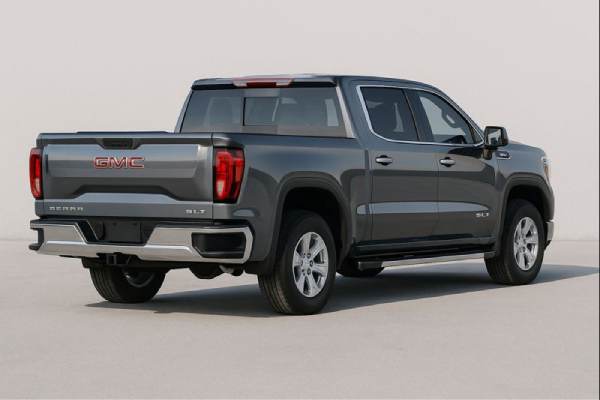
The 2024–present GMC Sierra 1500 4WD with the LZ0 3.0-litre Duramax turbo-diesel builds on the earlier LM2 engine but adds more power, more torque, and subtle refinements aimed at long-distance drivers and regular towers. You get a modern full-size pickup with a genuinely premium cabin, advanced driver-assistance systems, and a diesel that feels refined rather than agricultural.
For owners, the key questions are simple: how does this latest 305 hp diesel tow and haul, what kind of real-world economy can you expect with 4WD, and what compromises come with the extra emissions and fuel-system complexity? This guide answers those questions with a focus on everyday use: spec details, typical performance, known issues, recommended maintenance, and how the LZ0 4WD Sierra compares with gasoline and rival trucks. By the end, you should have a clear view of whether this configuration fits your mix of commuting, towing, off-pavement driving, and family duty.
Top Highlights
- Updated 3.0-litre LZ0 Duramax inline-six delivers about 305 hp and 495 lb-ft, giving stronger mid-range than the earlier LM2 with no real penalty in refinement.
- 4WD diesel models can tow up to around 13,000 lb when properly configured, with realistic payloads in the 1,800–2,200 lb range depending on trim and options.
- EPA highway ratings for 4WD diesel Sierras sit in the upper-20 mpg range, though aggressive tyres or heavy towing can push real-world figures lower.
- Ownership caveat: modern diesel emissions and high-pressure fuel systems demand clean fuel, correct fluids, and on-time servicing to avoid expensive repairs.
- A sensible starting point for oil and filter changes is every 7,500 miles (12,000 km) or 12 months in mixed use, shortening intervals for heavy towing or mostly city driving.
Navigate this guide
- GMC Sierra LZ0 4WD Overview
- LZ0 4WD Specifications and Data
- LZ0 Trims, Packages and Safety
- LZ0 Diesel Reliability and Issues
- Maintenance Plan and Buying Guide
- Driving Experience and Performance
- How Sierra LZ0 Compares
GMC Sierra LZ0 4WD Overview
The LZ0 3.0-litre Duramax is an evolution of the earlier LM2 engine used in 2020–2023 trucks. It remains an all-aluminium inline-six turbo-diesel with dual overhead cams and four valves per cylinder, but internal revisions improve durability and output. GMC quotes about 305 hp and 495 lb-ft of torque, gains of roughly 10 percent over the LM2, without changing displacement.
As before, the engine is paired with the Hydra-Matic 10-speed automatic transmission and an electronically controlled 4WD system. Most 4WD Sierras use a two-speed transfer case with 2HI, 4HI, 4LO and an Auto mode that behaves like on-demand all-wheel drive. This gives good flexibility: rear-drive efficiency on dry roads, plus proper low-range capability for steep grades, loose surfaces and heavy manoeuvring with trailers.
The 2024-on trucks continue on the T1XX platform and keep the major cabin upgrade introduced with the 2022 facelift: a 13.4-inch central touchscreen, 12.3-inch digital instrument cluster on many trims, improved materials, and more cohesive interior design. In higher trims like Denali, Denali Ultimate and AT4X, the Sierra feels more like a premium SUV with a bed than a traditional work truck, with features such as massaging seats, high-end audio, and the availability of Super Cruise hands-free driving on approved roads in some markets.
Choosing the diesel 4WD configuration makes sense if you cover serious mileage, tow regularly, or live in regions with snow, mud or unpaved roads. The inline-six layout helps refinement: it is smoother and quieter at cruise than many older V6 diesels, and the broad, flat torque curve means the truck rarely needs to rev hard even with a load.
There are, however, trade-offs. Modern diesel emissions systems (DPF, SCR/DEF, EGR) and high-pressure fuel systems require attentive maintenance and quality fuel. Upfront pricing for the diesel is higher than for basic gasoline engines, and some routine items (filters, fluids) are more expensive. For buyers who mostly do short urban trips with little towing, a gasoline engine may still be more cost-effective. But for drivers who tow, tour, or operate in challenging conditions, the LZ0 4WD Sierra offers a strong balance of capability, range and refinement.
LZ0 4WD Specifications and Data
The tables below summarise the core technical data for typical 2024-on GMC Sierra 1500 4WD configurations with the LZ0 3.0 Duramax. Exact numbers vary by cab style, bed length, trim, axle ratio and country, so always confirm specs by VIN, data label and owner’s manual for your specific truck.
Engine and Performance – LZ0 3.0-litre Duramax
| Parameter | Value (typical LZ0 4WD) |
|---|---|
| Engine code | LZ0 Duramax turbo-diesel inline-six |
| Layout and cylinders | Inline-6, aluminium block and head, DOHC, 4 valves per cylinder |
| Displacement | 3.0 L (≈ 2,993–3,000 cc) |
| Bore × stroke | ≈ 84.0 × 90.0 mm (3.30 × 3.54 in) |
| Induction | Single variable-geometry turbocharger with intercooler |
| Fuel system | High-pressure common-rail direct injection (higher pressure vs LM2) |
| Compression ratio | Approximately 15.0:1 |
| Max power | ≈ 305 hp (≈ 227 kW) @ ~3,750 rpm |
| Max torque | ≈ 495 lb-ft (671 Nm) @ ~2,750 rpm |
| Timing drive | Rear-mounted chains for cams and HP pump; wet belt driving oil pump |
| Emissions technology | DPF, SCR/DEF, EGR meeting latest US Tier 3 / LEV III standards |
| Approx. 4WD EPA fuel economy | 23 mpg city / 27 mpg highway / 24 mpg combined (standard-tyre 4WD) |
| 4WD mud-terrain EPA rating (where fit) | ≈ 21 city / 23 highway / 22 combined mpg (AT4X-style mud-terrain variants) |
| Real-world highway @ 120 km/h | Often about 8.7–9.4 L/100 km (25–27 mpg US) with sensible tyres and light load |
Transmission and 4WD Driveline
| Parameter | Value |
|---|---|
| Transmission | Hydra-Matic 10L80 10-speed automatic |
| Gear ratios (1st→10th) | 4.70 / 2.99 / 2.16 / 1.78 / 1.53 / 1.28 / 1.00 / 0.85 / 0.69 / 0.64 |
| Reverse | 4.87 |
| Transfer case | Electronic two-speed with 2HI, 4HI, 4LO and Auto (trim- and package-dependent) |
| Drive type | Part-time or automatic 4WD with rear bias |
| Final drive ratios | Commonly around 3.23, 3.42 or 3.73, shorter ratios used with Max Trailering packages |
| Differentials | Open or automatic locking rear on many trims; electronic locking rear on off-road models |
Chassis, Dimensions and Capacities (Typical Crew Cab Short Box 4WD)
| Parameter | Value (approximate) |
|---|---|
| Platform | T1XX light-duty body-on-frame platform |
| Front suspension | Independent coil-over strut with aluminium control arms |
| Rear suspension | Solid axle with leaf springs |
| Steering | Electric power-assisted rack-and-pinion |
| Brakes | Four-wheel disc brakes with ABS and stability control |
| Wheels / tyres | 18–20 in alloys with all-season or all-terrain tyres |
| Length | ≈ 5,886–5,918 mm (231.9–233 in) |
| Width (without mirrors) | ≈ 2,063 mm (81.2 in) |
| Height | ≈ 1,920–1,990 mm (75.5–78.3 in), higher for off-road trims |
| Wheelbase | ≈ 3,745 mm (147.4 in) crew cab short box |
| Ground clearance | ≈ 213–275 mm (8.4–10.8 in), trim- and tyre-dependent |
| Curb weight | Roughly 2,300–2,500 kg (5,100–5,500 lb) for diesel 4WD crew |
| GVWR | Around 3,220–3,290 kg (7,100–7,250 lb) |
| Fuel tank | About 91 L (24 US gal) for most 1500 models |
Performance and Capability (Typical Ranges)
| Parameter | Value (varies by spec) |
|---|---|
| 0–100 km/h (0–62 mph) | Roughly mid-7-second range in light trims |
| Top speed (governed) | Around 180 km/h (≈ 112 mph) |
| Maximum conventional towing (4WD diesel) | Up to about 13,000 lb (≈ 5,897 kg) when properly equipped |
| Typical tow ratings (crew 4WD diesel) | Frequently 8,000–11,000 lb (≈ 3,630–4,990 kg) depending on configuration |
| Payload | Often 1,800–2,200 lb (≈ 820–1,000 kg) crew 4WD diesel, trim-dependent |
Fluids and Service Capacities (Guidance – Confirm by VIN)
| System | Specification and capacity (typical) |
|---|---|
| Engine oil | DexosD-approved 0W-20 synthetic; around 6.6 L (≈ 7.0 US qt) |
| Engine coolant | Long-life OAT coolant; roughly 20 L (≈ 21 US qt) total system |
| Transmission (10L80) | Dexron ULV ATF; on the order of 12–13 US qt for complete refill |
| Transfer case | GM-specified transfer-case fluid; typically 1.5–2.0 L |
| Front / rear axles | Synthetic gear oil (e.g., 75W-90); capacity varies with axle size |
| A/C refrigerant | R-1234yf; charge varies by HVAC system and cab |
Electrical and Safety/ADAS Highlights
- High-output alternator on many diesel and Max Trailering configurations.
- Heavy-duty 12 V battery, often AGM, to support diesel starting and electrical load.
- GMC Pro Safety and Pro Safety Plus suites available or standard depending on trim, bundling automatic emergency braking, lane keeping, blind-spot monitoring, rear cross-traffic alert and more.
- Advanced options such as Super Cruise, surround-view cameras and trailer-specific safety tech on upper trims.
LZ0 Trims, Packages and Safety
The LZ0 3.0 Duramax 4WD powertrain is available across much of the Sierra 1500 range, but exact availability varies by model year, cab style and market. In 2024–present trucks, common 4WD diesel trims include SLE, Elevation, SLT, AT4, AT4X, Denali and Denali Ultimate.
Trims and options
Broadly:
- SLE / Elevation: Work-ready but well-equipped; good for mixed family and business use. Cloth interiors, strong core tech and available convenience packages.
- SLT: More upscale with leather seating, additional interior trim upgrades and more advanced driver-assistance options.
- AT4 / AT4X: Off-road focused, with factory lift, off-road shocks, underbody skid plates, recovery hooks, distinctive styling and all-terrain or mud-terrain tyres. AT4X typically adds e-locking differentials, more sophisticated dampers and extra underbody protection.
- Denali / Denali Ultimate: Luxury-oriented with premium leather, high-grade audio, more chrome or dark-chrome exterior details, and more standard technology. Denali Ultimate can add higher-end seat adjustment and trim materials, plus the most complete ADAS and camera packages.
Mechanically, key differences include axle ratios (especially with Max Trailering packages), suspension tuning, tyre type and size, and availability of locking differentials. If towing near the upper end of the diesel’s rating, maximising tow capacity usually means choosing specific packages that combine the right axle ratio, cooling upgrades, hitch hardware and trailer-brake provisions.
Safety ratings and structure
As of now, safety bodies tend to rate representative crew-cab Sierra 1500 configurations rather than separate diesel-only or 4WD-only variants. Recent test cycles show strong occupant crash protection in frontal and side impacts for the current-generation trucks, with some variation in ratings tied to headlight performance and availability of advanced safety systems on lower trims.
Because the LZ0 4WD trucks share the same basic structure and restraint systems as their gasoline siblings, you can treat their crashworthiness as broadly similar, focusing instead on trim-specific differences in headlights, ADAS content and tyre choice.
Safety systems and ADAS
Key safety and driver-assistance items on LZ0 4WD Sierras include, depending on trim and package:
- Airbags: Front, side-impact and head-curtain airbags with roll-over sensing, covering both rows in crew-cab models.
- Structural measures: High-strength steel in key areas of the cab and frame rails to manage crash energy and protect occupants.
- Braking and stability: Four-wheel ABS disc brakes, electronic stability control, traction control and trailer sway control as standard.
- Core ADAS: Forward collision warning with automatic emergency braking, lane-keep assist or lane-departure warning, following-distance indicator and automatic high beams on many trims.
- Enhanced ADAS: Blind-spot monitoring with trailer coverage, rear cross-traffic alert, rear pedestrian alert, front and rear park assist, and 360-degree camera systems on higher trims or via packages.
- Trailer-focused tech: Available hitch guidance, bed-view and hitch-view cameras, and integrated trailer-brake controller with additional trailer profiles.
Calibration is an important after-service consideration. Windscreen replacement, front-end collision repairs or suspension geometry changes may require recalibration of cameras and radar sensors. When buying used, verify that any collision repair was followed by proper ADAS calibration with documentation to match.
LZ0 Diesel Reliability and Issues
The LZ0 builds on the LM2’s experience and addresses some of its known pain points, but it remains a modern light-duty diesel with complex emissions and fuel systems. It is still early in the engine’s lifecycle, so the reliability picture is evolving, but we can combine emerging information with what is known from the LM2 and similar designs.
Engine and fuel system
Internally, the LZ0 uses revised components such as steel pistons, increased injection pressure and updated turbocharging hardware aimed at durability and refinement. These changes should, in theory, improve longevity under heavy towing and hot conditions. However, some familiar diesel concerns still apply:
- Fuel quality: Water or contamination can quickly damage high-pressure pumps and injectors. Symptoms include hard starting, misfires under load and metallic debris in the fuel system. Prevention is mostly about using reputable fuel stations and replacing the fuel filter on time or early.
- Oil quality and level: Rear-mounted timing chains and a wet belt for the oil pump rely heavily on good lubrication. Continuous extended oil-change intervals or running low on oil can accelerate chain and belt wear. Any unusual timing noise, oil-pressure warnings or metal in used-oil analysis should trigger immediate investigation.
At this stage, widespread catastrophic LZ0-specific failures have not been reported at scale, but the design similarity to LM2 suggests keeping a close eye on oil use, oil-pressure behaviour and any abnormal noises from the rear of the engine over long-term ownership.
Emissions system
The LZ0’s aftertreatment suite—DPF, SCR/DEF and EGR—brings several potential issues, most of which are manageable with the right usage pattern and maintenance:
- DPF loading: Trucks used mainly for very short trips may not reach the exhaust temperatures needed for complete regeneration. Expect more frequent active regens, increased fuel consumption, and in extreme cases messages about DPF fullness. Regular longer drives at steady speed help.
- NOx and pressure sensors: Sensors in the exhaust can fail or drift, causing check-engine lights and, if ignored, reduced-power “limp” modes.
- DEF system faults: DEF tank heaters, pumps and level/quality sensors are exposed to temperature extremes and can fail over time, especially in very cold climates.
Most emissions-system repairs fall into the low-to-medium cost band, but a neglected or misdiagnosed system can eventually lead to expensive DPF or SCR component replacement.
Transmission and 4WD
The 10L80 transmission is a carry-over design with incremental updates. When serviced with the correct Dexron ULV fluid at sensible intervals, it has generally behaved well in light-duty diesels. Issues to watch for include shift flare, harsh shifts or delayed engagement, which can indicate valve-body or control problems.
The 4WD system’s mechanical parts tend to be robust if fluids are changed on time, but owners occasionally report:
- Reluctance to shift in or out of 4LO.
- Binding sensations in tight turns if 4WD is left engaged on high-grip surfaces.
- Warning messages relating to transfer-case actuators or position sensors.
Most of these problems trace back to neglected fluid changes, infrequent use (leading to sticky mechanisms), or failed electrical components.
Chassis, electronics and corrosion
Common truck-wide issues include:
- Suspension wear: Ball joints, tie rods and control-arm bushings can wear faster on trucks that tow or see rough roads, especially with heavy wheels and tyres.
- Electronics and infotainment: Software updates address a variety of occasional glitches, from blank screens to connectivity issues. Checking for up-to-date software at dealer visits is worthwhile.
- Corrosion: Frames, brake lines and underbody hardware in salt-belt regions still need regular underbody washing and inspection regardless of model year.
Prevalence and severity bands
- Common / lower cost: DEF or NOx sensor replacement, minor suspension components, battery replacement, software updates.
- Occasional / moderate cost: DPF cleaning or replacement on high-mileage urban trucks, transfer-case or differential repairs after fluid neglect, valve-body or solenoid work in the 10-speed.
- Rare / high cost: Full fuel-system replacement after contamination, internal engine damage from lubrication failures, complete transmission replacement after catastrophic failure.
Because the LZ0 is newer, prioritise full service history, recall completion and a pre-purchase inspection by a shop familiar with modern diesel pickups when buying used.
Maintenance Plan and Buying Guide
Modern diesel 4WD trucks like the Sierra LZ0 reward owners who follow a disciplined maintenance plan. Below is a practical framework you can adapt to your usage and the official owner’s manual.
Practical maintenance schedule (starting points)
- Engine oil and filter: DexosD 0W-20 every 7,500 miles (12,000 km) or 12 months in mixed use. Cut to around 5,000 miles (8,000 km) if you tow often, idle for long periods or mainly drive in stop-start traffic.
- Fuel filter: About every 22,500–30,000 miles (36,000–50,000 km). Shorten intervals in regions with variable fuel quality.
- Engine air filter: Inspect at 15,000 miles (24,000 km); replace 30,000–45,000 miles (48,000–72,000 km) depending on dust and off-road exposure.
- Cabin air filter: Every 20,000–30,000 miles or 2 years.
- Coolant: Follow the long-life OAT schedule, typically first replacement around 5 years or 150,000 miles (240,000 km), then as recommended—earlier for severe towing or extreme climates.
- Transmission fluid (10L80): Many diesel specialists favour changing at 60,000–75,000 miles (96,000–120,000 km) for trucks that tow or carry heavy loads, even if the factory schedule is longer.
- Transfer case and axle fluids: Around every 45,000–60,000 miles (72,000–96,000 km) under towing/off-road use; extend only with very light duty.
- Brake fluid: Every 3 years regardless of mileage.
- Brakes and tyres: Inspect at each service. Rotate tyres every 5,000–7,500 miles (8,000–12,000 km); check alignment annually or after pothole impacts.
- Serpentine belt and hoses: Start detailed inspections around 60,000 miles (96,000 km); replace at the first signs of cracking, glazing or noise.
- 12 V battery: Load-test annually from year 4; pre-emptive replacement before winter in cold regions reduces no-start risk.
Timing chains and the oil-pump belt are intended for long life, but any abnormal timing noise, oil-pressure anomalies or metal in the oil should be treated as urgent. Regular oil analysis is a useful early-warning tool for high-mileage or hard-working trucks.
Buyer’s guide: what to look for in an LZ0 4WD Sierra
- Confirm engine and model year: Verify that the truck is indeed LZ0-equipped, not the earlier LM2, using VIN decode and build sheet.
- Recall and campaign history: Run the VIN through official recall databases and ask the seller for proof of completion for any relevant powertrain, emissions, transmission or safety campaigns.
- Service history: Favour trucks with documented, reasonably short oil-change intervals, evidence of fuel-filter replacement, and at least one fluid service for the transmission and transfer case if mileage is high enough.
- Usage pattern: Signs of heavy towing (worn hitch, aftermarket brake controllers, heavily worn rear tyres) are not automatically negative if maintenance is strong and the truck drives well. Lack of maintenance plus heavy use is the red flag.
- 4WD function: On a test drive, confirm that 2HI, 4HI and 4LO engage and disengage smoothly on appropriate surfaces. Listen for driveline clunks, whining or binding.
- Emissions system health: Watch for warning lights or messages about DEF, emissions or reduced power. Avoid trucks with active emissions-related faults unless you budget for proper diagnosis and repair.
- Corrosion inspection: In salt-belt regions, inspect frame rails, crossmembers, brake lines, bed supports, and body seams, especially around the rear wheel arches and under door sills.
- ADAS and cameras: Verify that parking sensors, cameras, lane-keeping and adaptive cruise (if fitted) operate correctly. Mis-aligned sensors after collision repairs can be expensive to sort out.
Recommended buyer profiles
- Best fit: Owners who regularly tow moderate to heavy loads, drive long distances, or live in areas with challenging weather or terrain.
- Acceptable with caveats: Mixed-use family trucks where the owner is willing to stay on top of diesel-specific maintenance, even if annual mileage is moderate.
- Not ideal: Mostly short, urban trips with few long drives and no towing; in those cases a gasoline engine or, longer term, an electrified alternative may be more appropriate.
Driving Experience and Performance
The LZ0 3.0 Duramax gives the 4WD Sierra a distinct character compared with the gasoline 5.3 and 6.2-litre V8s. It prioritises smooth torque, long range and relaxed cruising over raw, high-rpm punch.
Ride, handling and refinement
On road, the Sierra 1500 4WD diesel feels composed for such a large truck. The long wheelbase stabilises it at highway speeds, and the electric power steering is light but accurate enough for everyday driving. With standard-profile tyres and non-lifted suspensions, ride comfort is generally good, absorbing typical bumps without too much float or shake.
AT4 and AT4X trims trade some on-road softness for off-road capability. Their lifted suspensions, off-road shocks and more aggressive tyres improve traction and control on loose surfaces but add a bit of noise and harshness over broken pavement. Mud-terrain tyres in particular can reduce straight-line stability slightly on rutted highways and hurt fuel economy at speed.
Cabin noise is well controlled. At cruise, the diesel hum is subdued, with more wind and tyre noise than engine sound. The inline-six layout helps smoothness; there is less of the low-frequency vibration that some V6 diesels exhibit. Under heavy acceleration the engine is audible but not coarse, and the 10-speed keeps it in the most efficient band without constant hunting.
Powertrain character
The LZ0’s extra power and torque over the LM2 are most noticeable in mid-range acceleration and towing. The truck pulls strongly from low rpm, with the 10-speed dropping just enough gears to keep the engine in its torque plateau when you demand more. Turbo lag is well managed; in day-to-day driving the response feels linear and predictable.
With a moderate trailer on level ground, the engine rarely needs to spin past mid-range rpm. On long grades, the combination of torque and close-ratio gearing helps maintain speed without constant downshifts. Compared with the 5.3-litre V8, the diesel feels more relaxed when loaded; compared with the 6.2, it feels a little less urgent at the top end but more efficient.
Real-world efficiency and range
EPA figures for 2024 4WD diesel Sierras sit around 23 mpg city, 27 mpg highway and 24 mpg combined, with slightly lower numbers for mud-terrain-tyre off-road variants. In practice, owners often see:
- Urban / short-trip use: About 12–14 L/100 km (17–20 mpg US), depending on traffic and idling.
- Highway at 100–120 km/h (60–75 mph): Around 8.7–9.4 L/100 km (25–27 mpg US) with standard tyres and moderate loads.
- Mixed commuting: Typically 10–11.5 L/100 km (20–23 mpg US).
The roughly 24-gallon tank gives useful highway ranges of 800–900+ km (500–560+ miles) between fills in favourable conditions.
Towing has a noticeable impact. A mid-size travel trailer in the 3,000–3,500 kg (6,600–7,700 lb) range can reduce economy by about 30–40%, leaving most owners in the mid-teens mpg US at sensible motorway speeds. Headwinds, steep grades and aggressive speeds can push consumption higher.
Traction, off-road and load behaviour
With 4WD, low range and available off-road modes, the LZ0 Sierra is genuinely capable off the pavement, especially in AT4 and AT4X form. Key points:
- 4HI covers slippery tarmac, gravel and light off-road duties.
- 4LO is reserved for steep climbs, rock gardens, deep mud or deliberate low-speed manoeuvring with heavy trailers.
- Terrain and off-road modes adjust throttle sensitivity, transmission shifts and traction-control logic for loose surfaces.
Locking differentials on AT4X-type trims drastically improve traction in cross-axle situations, while skid plates protect vulnerable underbody components. Still, tyres remain the limiting factor; swapping to severe-snow-rated all-terrains can greatly improve winter capability.
Under heavy load or tow, the Sierra feels stable and secure when correctly set up. The long wheelbase and integrated trailer control systems help, but proper weight distribution, tyre pressures and hitch setup are still essential. Long downhill grades call for sensible use of tow/haul mode and engine-braking features to keep brake temperatures under control.
How Sierra LZ0 Compares
The LZ0 4WD Sierra competes in a more crowded and changing landscape than earlier light-duty diesels, with strong gasoline options and a growing number of electrified trucks.
Versus gasoline Sierra 1500 engines
Compared with the 5.3-litre and 6.2-litre V8s, the LZ0 4WD diesel offers:
- Better fuel economy and range: Especially on the highway, the diesel can be significantly more efficient, cutting fuel bills for high-mileage owners.
- Stronger low-rpm pull: Torque arrives lower and in a flatter curve, making the truck feel more relaxed when loaded or towing.
- Refined cruising: At typical motorway speeds, the diesel often runs at lower rpm than the V8s, contributing to a calmer feel.
The trade-offs are higher initial cost, potentially higher maintenance and repair costs around the emissions and fuel systems, and the need to keep DEF topped up. For primarily city-driven trucks with little towing, a gasoline engine may pay back its lower complexity despite higher fuel consumption.
Versus rival light-duty diesels
Some rivals, such as Ram’s EcoDiesel and Ford’s short-lived light-duty diesels, have been discontinued or constrained. That influences long-term parts support and dealer familiarity. The LZ0 Sierra benefits from:
- An updated inline-six platform with strong output and refinement.
- A broadly used 10-speed automatic shared across GM applications.
- A modern interior and feature set competitive with the best rivals.
Ram may still lead in empty-bed ride comfort with its rear-coil or air-spring setups, and Ford’s F-150 offers a very wide engine and trim range. But if you specifically want a contemporary half-ton diesel with strong towing and long-range touring ability, the LZ0 Sierra is one of the most compelling current options.
Versus emerging electrified and EV pickups
Electric pickups deliver instant torque and can feel much quicker in a straight line. However, towing can dramatically cut EV range, and public fast-charging infrastructure remains inconsistent in some regions. Time spent charging on long towing trips is still a major consideration.
The LZ0 diesel 4WD Sierra offers a more traditional approach:
- Very quick refuelling at widely available diesel pumps.
- Predictable towing range, falling largely in line with increased fuel consumption but without the step-changes EVs can see under heavy load.
- A mature servicing network that already understands diesel pickups and their needs.
For buyers with reliable home charging, predictable routes and mostly modest trailers, an EV pickup may still be attractive. For those who tow cross-country, venture far from main corridors, or value maximum flexibility, the diesel remains a practical and familiar solution.
Who the LZ0 4WD Sierra suits best
This configuration is well-matched to:
- Owners who tow frequently and cover above-average annual mileage.
- Drivers in regions with real winter and unpaved roads who need 4WD and extra ground clearance.
- Buyers who want a premium-feeling interior and advanced tech without sacrificing bed space and towing ability.
Potentially less suitable for:
- Short-trip city use where the DPF rarely gets a chance to regenerate fully.
- Owners unwilling to budget for higher-than-gasoline maintenance and repair costs if problems arise.
For the right usage pattern, though, the 2024-present GMC Sierra 1500 4WD with the LZ0 3.0-litre Duramax offers a rare combination: real full-size capability, comfortable long-distance manners and fuel consumption that is genuinely reasonable for the size and performance on offer.
References
- 2024 FEATURES, SPECS AND OPTIONS 2024 (Brochure and Specifications)
- 3.0L I6 LZ0 Duramax Turbo Diesel 2024 (Engine Technical Overview)
- Manuals and Guides | Vehicle Support | GMC 2024 (Owner’s Manual)
- Gas Mileage of 2024 Vehicles by GMC 2024 (Fuel Economy Data)
Disclaimer
This article is for informational purposes only and is not a substitute for professional diagnosis, repair or official service literature. Specifications, torque values, fluid types, ratings and service intervals can vary by VIN, model year, market, trim level and installed options. Always confirm details using your vehicle’s owner’s manual, official workshop documentation, current technical bulletins and the guidance of a qualified technician or authorised dealer.
If you found this guide helpful, you are welcome to share it on platforms such as Facebook or X (Twitter) to help other owners and support our work.