
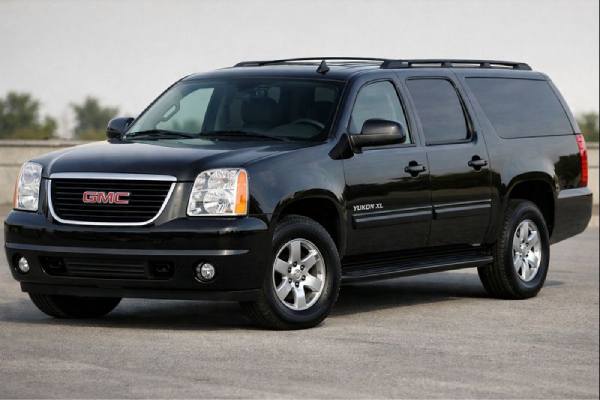
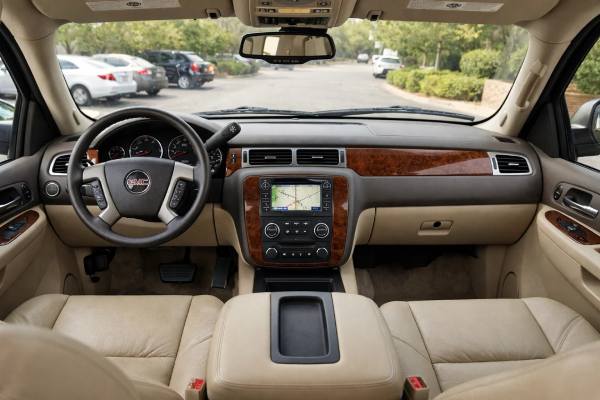
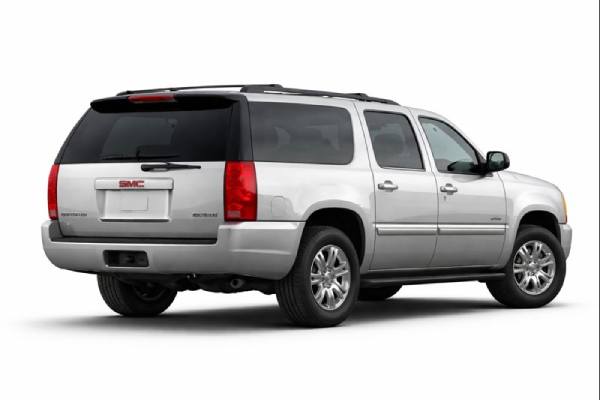
If you want a full-size SUV that can do family duty, tow confidently, and still rack up high mileage with routine care, the GMT900 Yukon XL 4WD with the 5.3L LMG is one of the more sensible “old-school modern” choices. It combines a body-on-frame chassis with a simple pushrod V8, wide parts availability, and a cabin that was designed around long-haul comfort. The 4WD system adds year-round traction and better launch control when towing—at the cost of added complexity and a small fuel economy hit versus 2WD.
The key ownership story is balance: strong everyday drivability and real utility, paired with a few known GM-truck weak spots (especially AFM-related valvetrain wear on some engines and 4WD drivetrain maintenance that owners sometimes skip). Buy the right example, keep fluids fresh, and it can be an unusually dependable long-term rig.
What to Know
- Strong “do-it-all” layout: 3-row space, body-on-frame strength, and solid towing capability when properly equipped.
- LMG 5.3 V8 is widely serviceable, with abundant parts and familiar GM truck diagnostics.
- 4WD adds real winter traction and better control on wet ramps or gravel when towing.
- Ownership caveat: some engines develop AFM lifter/cam wear if oil quality and change intervals slip.
- Typical interval: change engine oil every 8,000–10,000 km (5,000–6,000 mi) or 6 months, sooner for towing or short trips.
Jump to sections
- Yukon XL 4WD LMG big picture
- LMG 4WD specs and dimensions
- Trims, tow packages, and safety
- Common problems, recalls, and fixes
- Maintenance plan and buying checklist
- Real-world driving and efficiency
- How it stacks up to rivals
Yukon XL 4WD LMG big picture
The Yukon XL is the long-wheelbase version of GMC’s full-size SUV, and that “XL” matters more than most badges. The extra length translates into a longer cargo area behind the third row and a calmer, more settled feel at speed—especially when the vehicle is loaded with people and gear. In 4WD form, it’s also a legitimate all-season tow platform: the chassis is closely related to GM’s half-ton trucks, with robust suspension pick-up points, a strong rear axle, and enough cooling capacity (when optioned correctly) to handle sustained work.
The LMG 5.3L V8 is part of the Gen IV small-block family. It’s a cam-in-block, pushrod design that favors low- and mid-range torque over high-rev excitement—exactly what you want in a 2.7–3.0 ton SUV. Many LMG applications include AFM (Active Fuel Management), also called cylinder deactivation, which can improve fuel economy on flat highway cruising by running on fewer cylinders under light load. The tradeoff is added valvetrain complexity: certain failure modes show up more often on neglected engines, and that shapes how you should shop.
As a driving tool, the XL is about stability and ease. It’s wide, tall, and geared for real roads, not track days. Steering is light, the ride is tuned for comfort, and the cabin is built around long-distance usability: large seats, big windows, and straightforward controls. If you want a full-size SUV that feels like a modern classic—simple enough to maintain, capable enough to justify its size—this configuration is a strong fit. The best ones are the ones that have been used, not abused: regular oil changes, 4WD fluid services documented, and no “mystery clunks” hiding under a shiny detail job.
LMG 4WD specs and dimensions
Below are the most relevant technical specs for the GMC Yukon XL 4WD (GMT900) with the LMG 5.3L V8. Exact figures vary by model year, axle ratio, wheels/tires, and option codes, so treat these as a practical reference and verify by VIN and RPO codes.
Engine and performance
| Item | Spec |
|---|---|
| Code | LMG |
| Layout | V8, OHV (pushrod), 2 valves/cyl (16-valve) |
| Displacement | 5.3 L (5,328 cc) |
| Bore × stroke | 96.0 × 92.0 mm (3.78 × 3.62 in) |
| Induction | Naturally aspirated |
| Fuel system | Port fuel injection (PFI) |
| Compression ratio | ~9.9:1 (varies by calibration/year) |
| Max power | 320 hp (239 kW) @ ~5,200 rpm |
| Max torque | ~454 Nm (335 lb-ft) @ ~4,000 rpm |
| Timing drive | Chain |
| Emissions standard | U.S. EPA (market-dependent) |
| Rated efficiency (example) | 15/21/17 mpg (US) city/highway/combined (varies by year/equipment) |
Transmission and driveline
| Item | Spec |
|---|---|
| Transmission | 4-speed automatic (early years common) or 6-speed automatic (later years on many trims; verify by VIN) |
| Typical gear ratios (4-speed) | 3.06 / 1.63 / 1.00 / 0.70 (rev 2.29) |
| Typical gear ratios (6-speed) | 4.03 / 2.36 / 1.53 / 1.15 / 0.85 / 0.67 (rev 3.06) |
| Drive type | 4WD (part-time or auto-4WD depending on transfer case) |
| Transfer case | Two-speed on many 4WD trims (2HI/Auto/4HI/4LO) — verify option code |
| Final drive ratio | Commonly 3.08 / 3.42 / 3.73 (varies by tow package) |
| Differential | Rear open or optional locking diff (option-code dependent) |
Chassis and dimensions
| Item | Spec (typical) |
|---|---|
| Suspension (front/rear) | Independent front; solid rear axle with multi-link and coils |
| Steering | Hydraulic power steering (ratio varies) |
| Brakes | 4-wheel disc (sizes vary by year and package) |
| Wheels/tires | Common 17–20 in wheels; tire size varies by trim |
| Ground clearance | ~229–246 mm (~9.0–9.7 in), tire-dependent |
| Length / width / height | ~5,648 mm (222.4 in) / ~2,007 mm (79.0 in) / ~1,951 mm (76.8 in) |
| Wheelbase | ~3,302 mm (130.0 in) |
| Turning circle | ~12.8–13.1 m (~42–43 ft), configuration-dependent |
| Curb weight | ~2,650–2,850 kg (~5,840–6,280 lb), equipment-dependent |
| GVWR | Commonly ~3,265–3,402 kg (~7,200–7,500 lb), package-dependent |
| Fuel tank | ~98 L (~26 US gal / ~22 UK gal) |
Capability (what matters day to day)
| Item | Typical range (equipment-dependent) |
|---|---|
| 0–100 km/h (0–62 mph) | ~9–10 s (varies by axle ratio and transmission) |
| Top speed | Limited by gearing/tires (often ~170–180 km/h / ~105–112 mph) |
| Towing capacity | Often ~3,175–3,720 kg (~7,000–8,200 lb) with proper trailering equipment |
| Payload | Commonly ~600–850 kg (~1,300–1,900 lb), depending on trim and options |
Fluids and service capacities (verify by VIN/transfer case)
| Item | Typical spec |
|---|---|
| Engine oil | Dexos-approved 5W-30 (many markets) |
| Cooling system | GM-approved long-life coolant; 50/50 mix typical |
| ATF | Dexron VI for many applications |
| Transfer case | Auto-4WD cases often use AutoTrak II; others may use Dexron VI (verify) |
| Differentials | Gear oil spec varies; some require limited-slip additive if equipped |
Electrical and ignition (high-level)
| Item | Typical spec |
|---|---|
| Battery | Group size varies; prioritize correct CCA for cold climates |
| Spark plugs | Iridium-type common on later years; gap and part number are VIN-dependent |
Safety and driver assistance (era-appropriate)
| Item | Notes |
|---|---|
| Core systems | ABS, stability control, traction control, TPMS |
| Airbags | Front and side/curtain coverage varies by year/trim |
| ADAS | Limited by era; parking sensors and camera may be optional on later years |
Trims, tow packages, and safety
For the GMT900 Yukon XL, the most important “trim” differences aren’t just leather versus cloth—they’re the mechanical options hidden in the build codes. Across 2007–2014 you’ll typically see mainstream trims such as SLE and SLT, plus special editions and fleet builds. The high-luxury Denali is a different powertrain story in many years, so for an LMG-focused search, you’ll usually land in SLE/SLT territory.
Options that change how the truck behaves
If you care about towing, stability, or winter driving, prioritize these items over cosmetic upgrades:
- Trailering package (often referenced by option codes): usually adds hitch hardware, wiring, and sometimes transmission cooling or a higher-output charging setup. This is what turns “can tow” into “can tow repeatedly.”
- Axle ratio: a shorter gear (like a 3.73) generally improves launch feel and towing confidence, while a taller ratio (like a 3.08) can feel softer off the line but may cruise quietly.
- Auto-4WD transfer case: many owners like Auto mode for mixed conditions; others prefer a simpler part-time system. What matters is that it functions correctly and has been serviced.
- Locking rear differential (often identified by common GM option code conventions): valuable in snow, mud, or when pulling a trailer up a slippery ramp.
Practical identifiers help when shopping. Inside the glovebox you’ll often find the option code label (RPO codes). That label can confirm trailering equipment, axle ratio, and the 4WD transfer case type—details that a dealership listing often gets wrong.
Seating and interior configurations
Most Yukon XL 4WDs are configured with three rows, with either a second-row bench or captain’s chairs depending on trim and options. A bench gives you maximum passenger count, while captain’s chairs improve third-row access. For family use, also check rear HVAC performance and whether the rear blower speeds work consistently—an easy place for age-related electrical issues to show up.
Safety ratings and safety equipment reality
Safety ratings depend on the test body and the exact test version for the year. This generation predates today’s widespread automatic emergency braking and lane centering, so think of safety here as:
- Structure and restraint systems: full-size mass, long wheelbase stability, and multi-airbag layouts (varies by year).
- Active control systems: stability control and ABS are meaningful in panic maneuvers and trailer sway moments.
- Visibility and parking aids: parking sensors and cameras (where equipped) reduce low-speed incidents, which is the most common “real life” damage for big SUVs.
If you’re buying for child seats, confirm LATCH anchor condition and seat belt retraction strength. On high-mile vehicles, belts can get sluggish, and replacing belt assemblies is a straightforward but important repair.
Common problems, recalls, and fixes
This Yukon XL is generally durable, but it’s not “set-and-forget.” The common issues are well-known, and most are manageable if you catch them early. Below is a practical map by prevalence and typical cost severity.
Common (plan for it)
- AFM lifter wear (medium to high cost)
- Symptoms: ticking that grows louder, misfires under load, rough idle, check-engine light.
- Likely cause: lifter failure and/or camshaft lobe wear on engines that run extended oil intervals or see heavy short-trip use.
- Remedy: diagnostics first (misfire counters, compression/leak-down as needed), then lifter/cam repair if confirmed. Preventive approach is frequent oil changes and not ignoring low oil level.
- Oil consumption or low oil level events (medium cost if ignored, low if managed)
- Symptoms: oil level drops between services, lifter noise after cold start, occasional smoke.
- Likely cause: a mix of driving patterns, ring/cylinder wear, and PCV-related oil pull in some cases.
- Remedy: monitor level, shorten oil interval, verify PCV routing and valve cover condition, and avoid running the engine low.
- Front suspension wear (low to medium cost)
- Symptoms: clunks over bumps, wandering alignment, uneven tire wear.
- Likely cause: ball joints, tie rods, control arm bushings, and sometimes wheel bearings at higher mileage.
- Remedy: inspect systematically, fix the worn part, and align immediately after.
Occasional (depends on use and climate)
- Transfer case wear and leaks (medium cost, can become high if ignored)
- Symptoms: grinding, binding in 4WD, fluid leaks, “Service 4WD” messages, or intermittent engagement.
- Likely cause: neglected transfer case fluid, encoder motor/position sensor issues, or internal wear on high-load vehicles.
- Remedy: verify correct fluid type, perform a fluid service, scan for transfer case codes, and repair actuators/encoder motor as needed.
- Cooling system aging (medium cost)
- Symptoms: slow coolant loss, higher temps under load, heater performance changes.
- Likely cause: water pump seep, radiator end-tank aging, thermostat issues, or hose degradation.
- Remedy: pressure test, repair leaks early, and treat towing as a “severe service” case.
- Electrical gremlins (low to medium cost)
- Symptoms: intermittent door lock behavior, window issues, cluster quirks, or infotainment dropouts.
- Likely cause: age-related connectors, ground points, and module wear.
- Remedy: start with battery/charging health and grounds before replacing modules.
Rare (but expensive when it hits)
- Transmission thermal stress from heavy towing (high cost)
- Symptoms: shudder, harsh shifts, delayed engagement, burnt fluid smell.
- Likely cause: towing near limits without adequate cooling, old ATF, or repeated heat cycles.
- Remedy: fluid analysis and service early; if symptoms persist, deeper diagnosis before it becomes a rebuild.
Recalls, TSBs, and how to verify completion
Recalls and service campaigns change by model year and VIN, so the best practice is consistent:
- Run the VIN through the official recall database and print the results.
- Ask the seller for dealer invoices showing recall completion.
- If anything is open, have a dealer confirm parts availability and remedy status before you buy.
A useful mindset is “treat software and calibration as maintenance.” If the vehicle has odd shift behavior, 4WD engagement quirks, or persistent sensor codes, ask whether the ECM/TCM has ever been updated as part of a factory service action.
Maintenance plan and buying checklist
A Yukon XL 4WD lasts longest when you treat it like a working truck, not just a big car. The engine and driveline are forgiving, but skipped fluid services add up—especially with towing, short trips, or winter roads.
Practical maintenance schedule (distance or time, whichever comes first)
- Engine oil and filter: every 8,000–10,000 km (5,000–6,000 mi) or 6 months; cut to 5,000–7,000 km (3,000–4,500 mi) for frequent towing or short-trip driving.
- Tire rotation and brake inspection: every 10,000–12,000 km (6,000–7,500 mi).
- Engine air filter: inspect every 15,000 km (9,000 mi); replace as needed (more often in dust).
- Cabin air filter: every 15,000–20,000 km (9,000–12,000 mi) or annually.
- ATF service: every 60,000–80,000 km (37,000–50,000 mi) for mixed use; sooner if towing often.
- Transfer case fluid: every 50,000–80,000 km (31,000–50,000 mi); treat it as essential on 4WD trucks.
- Front and rear differential fluids: every 60,000–100,000 km (37,000–62,000 mi); sooner with water crossings or heavy towing.
- Coolant: every 5 years (or per the exact coolant standard used); always repair leaks before they turn into overheating.
- Brake fluid: every 2–3 years regardless of mileage.
- Spark plugs: often 150,000–160,000 km (90,000–100,000 mi) depending on plug type and year; verify for your VIN.
- Serpentine belt and hoses: inspect annually; replace at signs of cracking, glazing, or seepage.
Fluids and specs: what to verify before buying
- Confirm the engine oil meets the correct GM specification for the year and market.
- Verify the transfer case uses the correct fluid for that case type. Using the wrong fluid can cause shudder or engagement issues that look like hardware failure.
- If equipped with a locking differential, confirm the correct gear oil spec and any additive requirements.
Buyer’s inspection checklist (fast but effective)
- Cold start: listen for persistent ticking beyond the normal brief start-up noise. A steady tick plus misfire history is a red flag.
- Oil level and condition: low oil on arrival suggests poor habits. Check for fresh undercoating that could hide leaks.
- 4WD function test: confirm 2HI/Auto/4HI/4LO (as equipped) engages smoothly. Binding, flashing indicators, or clunks need diagnosis.
- Transmission behavior: shifts should be consistent and predictable; harsh 2–3 or delayed engagement deserves a scan and fluid inspection.
- Front end and tires: uneven wear often means worn suspension parts or neglected alignment.
- Cooling system: check coolant level, dried residue at the water pump, and stable temps during a long test drive.
- Rust and corrosion: focus on brake lines, rocker seams, rear frame areas, and underbody mounts in salted-road climates.
- Service proof: prioritize documented fluid services over “recently detailed.”
Long-term outlook: these trucks age well when maintained on schedule. The best ownership strategy is boring but effective—short oil intervals, proactive driveline fluids, and fixing small leaks early.
Real-world driving and efficiency
In daily use, the Yukon XL 4WD feels like a heavy, confident cruiser. The long wheelbase smooths highway expansion joints and helps the vehicle track straight in crosswinds. Around town, the size is the main challenge: you plan parking and you accept wide turning arcs. But once moving, it’s easy to place for its footprint thanks to tall seating and predictable controls.
Powertrain character and towing feel
The 5.3L LMG is tuned for usable torque, not drama. Throttle response is strongest in the mid-range, and it pulls best when you let the transmission downshift rather than forcing it to lug. With a trailer, the vehicle’s confidence depends heavily on axle ratio, cooling equipment, and brake condition. A properly equipped example feels stable and composed at moderate tow weights. A neglected one feels “busy”: more gear hunting, higher temperatures, and less braking confidence.
If your truck has the 6-speed automatic, you’ll typically notice better ratio spacing and less “searching” on gentle grades. The 4-speed versions can still tow well, but they benefit more from correct gearing and conservative speed on long climbs.
Ride, handling, and NVH
- Ride: comfort-first, with a steady float over broken pavement when shocks are tired. Fresh dampers noticeably improve control.
- Steering: light and slower than modern crossovers; normal for the era.
- Brakes: strong when maintained, but pedal feel can soften if brake fluid is old or if rotors are overheated from towing.
Real-world fuel economy (what owners actually see)
Your results depend on tire size, gearing, speed, and load. As a reality check for the 4WD 5.3L setup:
- City driving: often lands in the mid-to-high teens mpg (US) when traffic is light, lower with short trips.
- Highway at 100–120 km/h (60–75 mph): low 20s mpg (US) is possible on flat routes with gentle throttle.
- Towing: expect a meaningful penalty; even moderate trailers can push consumption up sharply, especially at higher speeds or into headwinds.
A practical ownership tip: if fuel economy suddenly worsens, don’t guess. Check tire pressures, scan for pending codes, confirm the engine is reaching full operating temperature, and verify that brakes aren’t dragging.
How it stacks up to rivals
Cross-shopping a Yukon XL 4WD usually means you want maximum space and real towing capability, not a lifestyle SUV. In that world, rivals have clear personalities.
Chevrolet Tahoe/Suburban (same family)
The closest “rival” is the platform sibling. A Suburban is essentially the same idea with different trim strategy, while the Tahoe is shorter and easier to park. If you’re choosing between them, focus less on the badge and more on condition, axle ratio, service history, and options. A clean, well-optioned truck wins over a higher-trim one with unknown maintenance.
Ford Expedition EL (long wheelbase)
The Expedition EL offers strong space and towing, and some buyers prefer Ford’s packaging and seat ergonomics. Maintenance experience varies by engine and year, and parts availability is strong, but the ownership feel can be more “system-heavy” depending on configuration. If you want simpler service workflows and more shared parts with pickups, the GM ecosystem often feels easier.
Toyota Sequoia (full-size alternative)
The Sequoia has a reputation for durability, but it usually costs more on the used market for similar age and mileage, and the packaging can differ depending on generation. If your priority is “keep it forever with minimal surprises,” it can be compelling. If your priority is “maximum XL cargo space plus easy domestic parts sourcing,” the Yukon XL tends to fit better.
Nissan Armada and other body-on-frame SUVs
These can be value buys, but resale, parts patterns, and long-term platform support are different. If you’re planning to keep the vehicle for many years and rack up mileage, the GMT900 Yukon XL’s service ecosystem is a major advantage.
Bottom line: the Yukon XL 4WD with the LMG is at its best when you need real space and real utility. Its strongest argument over many rivals is not that it’s perfect—it’s that it’s well-understood, widely serviceable, and still genuinely capable when maintained like a truck.
References
- Owner’s Manual 2007 (Owner’s Manual)
- Manuals and Guides | Vehicle Support 2025 (Owner’s Manual Portal)
- Fuel Economy of the 2014 GMC Yukon XL K10 4WD 2014 (Fuel Economy)
- Check for Recalls: Vehicle, Car Seat, Tire, Equipment | NHTSA 2025 (Recall Database)
- Car Safety Ratings | Vehicles, Car Seats, Tires | NHTSA 2025 (Safety Rating)
Disclaimer
This article is for informational purposes only and is not a substitute for professional inspection, diagnosis, or repair. Specifications, torque values, fluid types, capacities, service intervals, and procedures can vary by VIN, market, model year, and installed equipment—always confirm details using the official service documentation for your exact vehicle.
If this guide helped, please consider sharing it on Facebook, X (Twitter), or your favorite forum to support our work.