
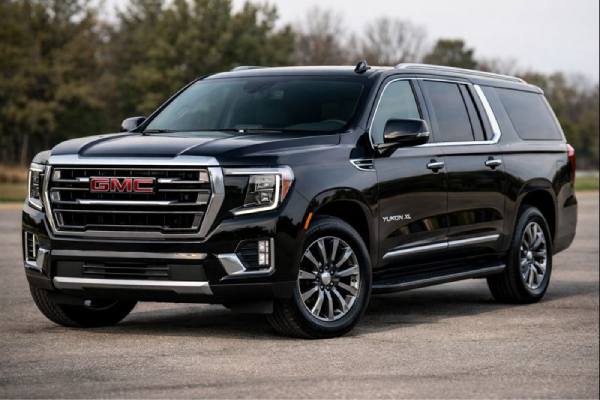
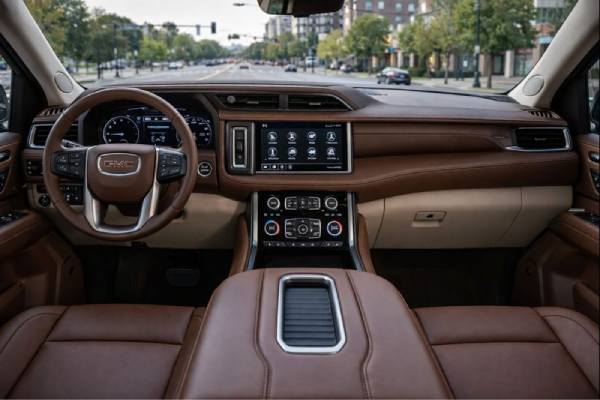
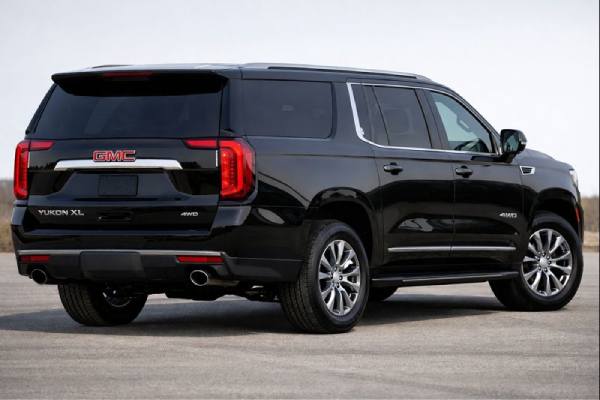
The GMC Yukon XL 4WD with the L84 5.3L V8 is built around a clear mission: carry people and cargo in real comfort, tow with confidence, and still feel familiar and manageable in daily driving. The “XL” body adds meaningful space behind the third row, while the 4WD system adds year-round traction and a more versatile driveline for mixed weather and uneven roads. Under the hood, the L84 is a modern pushrod V8 with direct injection and cylinder deactivation, paired to a 10-speed automatic that aims to keep the engine in its torque band without constant drama. Ownership tends to be shaped less by the engine itself and more by maintenance discipline, towing habits, and how quickly small electronic or driveline symptoms get addressed.
Owner Snapshot
- Strong long-distance comfort and stable towing manners for a full-size body-on-frame SUV.
- XL cargo space is genuinely useful with three rows in use, not just on paper.
- 4WD improves winter and wet-road confidence, especially with the right tires.
- Expect higher running costs than a crossover: tires, brakes, and fluids add up with weight.
- Change engine oil about every 8,000–12,000 km (5,000–7,500 mi) or 6–12 months, depending on use.
Section overview
- 4WD Yukon XL L84 snapshot
- L84 5.3L spec tables
- 4WD trims options and ADAS
- Common problems and recalls
- Maintenance plan for 4WD
- On-road feel and towing
- Versus Suburban and others
4WD Yukon XL L84 snapshot
Think of the 2021–present Yukon XL 4WD 5.3 as a “big tool that’s been civilized.” It still uses a body-on-frame layout—excellent for towing stability, durability under load, and isolation from rough surfaces—but it drives more like a modern family SUV than older full-size trucks. The XL wheelbase helps highway stability and improves third-row livability, while the added rear overhang creates real cargo volume behind the third row. If you routinely travel with 6–8 people, the XL’s extra length matters more than most spec sheets suggest.
The L84 5.3L V8 is not a high-strung engine. It makes its strength at low-to-mid rpm, which suits towing and heavy vehicles. It also uses modern efficiency tech (direct injection, variable valve timing, and cylinder deactivation), so it can cruise quietly when lightly loaded. The tradeoff is complexity: more sensors, tighter tolerances, and more dependence on clean oil and correct fluid specs.
4WD adds capability, but it also adds maintenance points: a transfer case, a front differential, and additional driveshaft/CV components. In practice, that means more fluids to service and more places for leaks or vibrations to show up over time. It’s worth it if you see winter conditions, steep driveways, wet grass boat ramps, or any regular towing where traction margin matters.
The “best” version of this Yukon XL is usually the one with the options that match your actual use: a towing-focused package if you pull trailers, a suspension upgrade if you value ride control, and the safety tech you’ll keep enabled every day. A well-chosen build feels effortless. A mismatched build can feel expensive and underused.
L84 5.3L spec tables
Below are practical specifications for the Yukon XL 4WD with the L84 5.3L gas V8. Exact numbers can vary by model year, wheels/tires, towing package, and suspension option, so treat this as a “most common configuration” reference.
Engine and performance (ICE)
| Item | Specification |
|---|---|
| Code | L84 |
| Engine layout and cylinders | V8, aluminum block/heads, OHV (pushrod), 2 valves/cyl (16-valve) |
| Displacement | 5.3 L (5,328 cc) |
| Bore × stroke | 96.0 × 92.0 mm (3.78 × 3.62 in) |
| Induction | Naturally aspirated |
| Fuel system | Direct injection (DI) |
| Compression ratio | ~11.0:1 |
| Max power | 355 hp (265 kW) @ ~5,600 rpm |
| Max torque | 519 Nm (383 lb-ft) @ ~4,100 rpm |
| Timing drive | Chain |
| Efficiency standard | EPA (U.S. ratings vary by year) |
| Rated efficiency (typical, XL 4WD) | ~14.7 L/100 km (16 mpg US / ~19 mpg UK) combined |
| Real-world highway @ 120 km/h (75 mph) | Often ~12.4–14.7 L/100 km (16–19 mpg US / 19–23 mpg UK), depending on tires, wind, and load |
Transmission and driveline (4WD)
| Item | Specification |
|---|---|
| Transmission | 10-speed automatic (10L80 family) |
| Gear ratios (typical 10L80) | 1st 4.70, 2nd 2.99, 3rd 2.15, 4th 1.80, 5th 1.52, 6th 1.28, 7th 1.00, 8th 0.85, 9th 0.69, 10th 0.64 (reverse ~4.87) |
| Final drive ratio | Often 3.23; other ratios appear with towing packages |
| Drive type | 4WD |
| Transfer case | AutoTrac (single-speed on some trims; 2-speed commonly fitted/required with certain towing packages) |
| Differential notes | Some higher trims/packages add an electronic limited-slip function or upgraded rear axle hardware |
Chassis and dimensions (Yukon XL)
| Item | Specification |
|---|---|
| Suspension (front/rear) | Independent front; rear multi-link with coil springs (options may add air ride/adaptive damping) |
| Brakes | 4-wheel discs (diameters vary by year/package; confirm by VIN) |
| Wheels/tires (common) | 20–22 in wheels on many trims; tire sizes vary widely |
| Length | ~5,720 mm (225.2 in) |
| Width (approx.) | ~2,059 mm (81.1 in) |
| Height (approx.) | ~1,943 mm (76.5 in) |
| Wheelbase | ~3,407 mm (134.1 in) |
| Turning circle (approx.) | ~13.2 m (43 ft) |
| Curb weight (typical range) | ~2,650–2,820 kg (5,840–6,220 lb), depending on trim/options |
| GVWR (typical range) | ~3,450–3,560 kg (7,600–7,850 lb), varies by configuration |
| Fuel tank | ~106 L (28.0 US gal / 23.3 UK gal) |
| Cargo volume (XL, typical SAE) | 1,175 L (41.5 ft³) behind 3rd; 2,657 L (93.8 ft³) behind 2nd; 4,098 L (144.7 ft³) max |
Performance and capability (real-world oriented)
| Item | Typical figure (varies by trim/tires) |
|---|---|
| 0–100 km/h (0–62 mph) | ~7.5–8.5 s |
| Braking 100–0 km/h | Commonly ~40–45 m (confirm by test setup) |
| Towing capacity | Up to ~3,500–3,800 kg (7,700–8,400 lb) depending on year, axle ratio, cooling, and tow package; XL max is often lower than standard wheelbase |
| Payload | Highly variable; many builds land ~600–800 kg (1,300–1,750 lb) |
Fluids and service capacities (decision-level)
| Item | Specification (verify by year/VIN) |
|---|---|
| Engine oil | GM dexos-approved, commonly 0W-20; capacity ~7.6 L (8.0 US qt) with filter |
| Coolant | GM-approved OAT coolant; 50/50 mix typical |
| Transmission fluid | Dexron ULV-type (10-speed applications) |
| Transfer case | GM-approved transfer case fluid (AutoTrac applications vary) |
| Differentials | Gear oil spec varies by axle; often 75W-90 class |
| A/C refrigerant | R-1234yf (most late-model GM applications; verify under hood label) |
Electrical
| Item | Typical |
|---|---|
| 12V battery | AGM on many trims; sizing/CCA varies |
| Alternator output | Varies by package; higher loads with tow and luxury options |
Safety and driver assistance (high-level)
| Item | Notes |
|---|---|
| Airbags | Front, side-impact, and curtain airbags (exact count depends on year/market) |
| Core stability systems | ESC/StabiliTrak, ABS, traction control |
| ADAS availability | Forward collision alert, automatic emergency braking, lane support, blind-spot functions vary by trim/year/package |
4WD trims options and ADAS
For 2021–present, the Yukon XL lineup typically spreads the 5.3L across “volume” trims while reserving the 6.2L V8 or diesel for specific grades or option paths. The most important practical point is that trim level doesn’t just change luxury—it can change suspension hardware, towing capability, and the exact 4WD system.
Common trim themes (U.S.-style naming, varies by market):
- SLE / SLT (value and family-focused): The 5.3L is commonly fitted here. You’ll often see more seating flexibility (including bench-seat layouts on some builds), and towing features may be optional rather than standard.
- AT4 (off-road leaning): Typically pairs 4WD-focused hardware with standard or optional underbody protection and off-road tires. It’s the trim where 4WD features feel most “purpose built,” but aggressive tires can reduce efficiency and add road noise.
- Denali / Denali Ultimate (luxury and tech): Often pushes buyers toward premium suspension options and advanced trailering tech. Some markets emphasize the 6.2L here, so if you want Denali features with the 5.3L, check build sheets carefully.
4WD hardware differences that matter:
- Transfer case type: Some configurations use a single-speed transfer case; others use a 2-speed unit that adds low range. If you launch boats, tow on steep grades, or deal with deep snow, low range is useful even if you rarely touch it.
- Axle ratio and cooling: Tow packages can add cooling capacity and change axle ratios, which can noticeably improve grade performance and transmission temperatures.
- Suspension options: Adaptive damping and air suspension can sharpen control and help leveling with loads, but they also add complexity and potential long-term repair cost.
Safety ratings (what to know):
- Not every year/trim has the same published crash-test coverage across all agencies and test versions. Ratings may also differ between standard Yukon and Yukon XL, and between 2WD and 4WD configurations in the same model year.
- The best approach is to verify your exact build by VIN in official databases, then compare the test protocol date (older tests may not reflect newer criteria).
Driver assistance systems (ADAS) availability:
- Usually common: Forward collision alert and automatic emergency braking, lane departure warning or lane-keep support, and rear cross-traffic features.
- Often optional or package-based: Adaptive cruise control, higher-resolution camera systems, trailer camera provisions, and hands-free/assisted highway driving systems on select trims/years.
- Service implications: After windshield replacement, bumper work, or wheel alignment changes, camera/radar calibrations may be required. Skipping calibrations can produce false warnings or reduced performance, especially for lane and braking assists.
If safety tech is part of your buying decision, focus on what is standard (not “available”) for the year/trim you want—and confirm it by build sheet or VIN decode.
Common problems and recalls
The Yukon XL 4WD 5.3’s reputation usually comes down to a few repeat themes: the complexity of modern GM powertrains, the sheer mass of the vehicle, and the layered electronics that make it feel premium when everything is right—and frustrating when something small goes wrong.
Common issues (higher frequency)
- Cylinder deactivation (DFM) lifter concerns (engine):
Symptoms: ticking, misfire, rough idle, loss of power, check-engine light.
Likely cause: lifter or related valvetrain wear/failure in a cylinder-deactivation system.
Remedy: diagnosis by misfire counters and oil inspection; repair can range from replacing lifters to deeper cam/valvetrain work. Strict oil quality and change intervals reduce risk. - 10-speed shift quality complaints (transmission):
Symptoms: harsh 1–2 or 2–3 shifts, “busy” shifting, shudder, delayed engagement.
Likely cause: adaptive learning needing reset, calibration updates, fluid condition, or (less often) internal wear.
Remedy: confirm latest transmission calibration, verify fluid spec, and evaluate mounts/driveline angles. Don’t ignore repeat shudder under light throttle. - Infotainment and camera glitches (electronics):
Symptoms: frozen screen, camera dropout, Bluetooth instability, random reboots.
Likely cause: software bugs, module communication faults, or low battery voltage sensitivity.
Remedy: module updates, battery testing (especially if the vehicle sits), and checking grounds/connectors.
Occasional (use and climate dependent)
- Transfer case noises or binding (4WD driveline):
Symptoms: clunk on takeoff, chatter in tight turns, vibration at specific speeds.
Likely cause: fluid condition, wear in transfer case components, or mismatched tire sizes/pressures.
Remedy: verify identical tire sizes and similar tread depth on all corners; service correct transfer case fluid; diagnose driveline angles and mounts. - Front axle/CV and wheel-bearing wear:
Symptoms: clicking on turns, hum that changes with speed, vibration under load.
Likely cause: heavy curb weight plus large wheels/tires and rough-road use.
Remedy: inspect boots, bearings, and alignment regularly; replace early to prevent collateral wear.
Rare but costly
- Air suspension or adaptive damper faults (if equipped):
Symptoms: sagging, compressor running frequently, warning messages, uneven ride height.
Likely cause: leaks, compressor wear, sensor faults.
Remedy: leak testing and targeted component replacement; avoid repeated operation with faults present.
Recalls, service actions, and software updates
Large platforms like this often have recalls and field actions that vary by model year and production window. The important habit is not memorizing headlines—it’s verifying completion:
- Run an official VIN lookup for recalls.
- Ask for dealer service history printouts.
- Confirm any module updates tied to drivability, braking, or safety systems.
When shopping used, treat “all recalls completed” as a requirement, not a bonus.
Maintenance plan for 4WD
A Yukon XL 4WD lasts longest when you maintain it like a truck, not a crossover. Its fluids work harder, its brakes and tires carry more load, and towing or city driving can raise heat and contamination quickly.
Practical maintenance schedule (distance/time)
- Engine oil and filter: every 8,000–12,000 km (5,000–7,500 mi) or 6–12 months.
Short trips, heavy idle time, and towing push you toward the shorter interval. - Tire rotation and inspection: every 8,000–12,000 km (5,000–7,500 mi).
Large wheels are expensive—rotate to prevent cupping and uneven wear. - Engine air filter: inspect every 15,000 km (10,000 mi); replace as needed (dusty areas sooner).
- Cabin air filter: every 15,000–30,000 km (10,000–20,000 mi) depending on conditions.
- Brake fluid: every 2 years, regardless of mileage, unless your local guidance differs.
- Coolant: follow the official interval for your year; many OAT coolants are long-life, but heat cycling and towing justify periodic checks and earlier service if tests show degradation.
- Spark plugs (gas V8): typically around 160,000 km (100,000 mi), but check your manual for the exact interval and plug type.
- 10-speed transmission fluid: if you tow, drive in mountains, or keep the vehicle long-term, consider a preventive service window around 72,000–96,000 km (45,000–60,000 mi) (verify official guidance for your year and duty cycle).
- Transfer case fluid (4WD): inspect and consider service around 72,000–96,000 km (45,000–60,000 mi), sooner if you tow often or use 4WD regularly.
- Front and rear differentials: similar 72,000–96,000 km (45,000–60,000 mi) preventive window for heavy use; verify official schedules by axle type.
- Battery test: annually after year 3; many electrical “gremlins” start with weak voltage under load.
Fluid specs and capacities (what owners should confirm)
- Use the exact GM-approved oil specification (dexos family) and correct viscosity for your market.
- Use the correct ULV transmission fluid for the 10-speed—wrong fluid can cause shift problems.
- Transfer case and differential fluids are not “generic”; match the spec to your transfer case type and axle.
Buyer’s guide: what to inspect before purchase
- Tires: matched brand, size, and similar tread depth across all four corners (critical for 4WD).
- Driveline: vibration at 80–120 km/h (50–75 mph), clunks on takeoff, or binding in tight turns.
- Cooling system: any coolant odor, low level, or evidence of leaks around hoses and the radiator area.
- Transmission behavior: repeatable shudder or harsh shifts after warm-up.
- Electronics: camera performance, parking sensors, infotainment stability, and ADAS warnings.
- Towing history: check hitch wear, trailer brake controller operation, and ask for evidence of fluid services.
Long-term outlook: a well-maintained 5.3L Yukon XL can be a high-mileage vehicle, but deferred driveline and fluid service is where costs spike fast.
On-road feel and towing
Despite its size, the Yukon XL 4WD can feel surprisingly calm on the move. The long wheelbase helps it track straight on highways, and the extra mass tends to smooth out small bumps—especially when the suspension and tires are matched well. Steering is typically light and designed for easy control rather than feedback. In tight cities, you feel the length more than the width; parking sensors and camera systems aren’t luxuries here—they’re stress reducers.
Powertrain character (L84 + 10-speed)
The 5.3L’s strength is usable torque. It doesn’t need high rpm to move the XL confidently, and the 10-speed keeps the engine in a comfortable range most of the time. Under moderate throttle, shifts can feel frequent because there are many ratios available. That’s normal. What’s not normal is persistent shudder, repeated harsh engagement, or hunting that doesn’t improve after the vehicle is fully warmed.
Cylinder deactivation can make the engine feel quieter and slightly more relaxed on flat cruise, but you may notice a subtle change in exhaust note or power delivery when the system transitions. If those transitions become jerky, it’s worth checking for software updates and confirming oil condition.
Real-world efficiency (what owners actually see)
For a full-size 4WD XL, “good” fuel economy means planning and consistency:
- City-heavy use: often lands around 15.7–18.1 L/100 km (13–15 mpg US / 16–18 mpg UK).
- Steady highway cruising: can improve to 12.4–14.7 L/100 km (16–19 mpg US / 19–23 mpg UK) with conservative speeds.
- Winter and short trips: expect a noticeable hit because the engine spends more time warming up and the vehicle is heavy.
Big wheels, aggressive tires, roof racks, and constant short drives all reduce efficiency more than most owners expect.
Towing and load behavior
When properly equipped, the Yukon XL is a stable tow platform. The key is setup:
- Use a weight-distributing hitch when appropriate.
- Keep tire pressures correct (vehicle and trailer).
- Watch transmission temperatures on grades, especially in heat.
- Expect a fuel economy drop of 25–50% under moderate towing, depending on speed and trailer shape.
If towing is frequent, prioritize the towing package and cooling hardware over cosmetic upgrades. You feel those benefits every trip.
Versus Suburban and others
The Yukon XL’s closest mechanical cousin is the Chevrolet Suburban. In many configurations they share the same platform fundamentals, so your decision often comes down to packaging, features, and pricing rather than a dramatic difference in core capability.
Yukon XL vs Chevrolet Suburban
- Interior and feature strategy: Yukon XL often positions itself slightly more premium in materials, standard features, and option packaging. If you value a more upscale cabin feel without stepping into luxury-brand pricing, Yukon XL frequently lands in the sweet spot.
- Towing and driveline: With the same engine and tow equipment, capability is broadly comparable. The practical difference is how easily you can find the exact configuration you want (axle ratio, 2-speed transfer case, trailer tech).
- Resale and desirability: Yukon XL trims with popular tech packages and clean service records can hold value strongly, but the same is true for Suburban in high-demand regions.
Versus Ford Expedition Max
The Expedition Max is the alternative many shoppers cross-shop directly.
- Powertrain feel: Turbo V6 torque delivery can feel strong and effortless, especially at altitude, but long-term ownership depends on how you feel about turbocharged complexity versus a naturally aspirated V8.
- Packaging: Expedition’s cabin and cargo packaging is competitive; choose based on seating comfort, third-row access, and the exact driver-assistance suite you want.
Versus Toyota Sequoia
If you prioritize long-term durability and don’t mind a different powertrain strategy, Sequoia is often on the list.
- Tradeoffs: Sequoia’s strengths can include brand reputation and hybrid torque delivery, but availability, interior layout preferences, and towing setup details can swing the decision either way.
Who the Yukon XL 4WD 5.3 fits best
Choose this Yukon XL if you want:
- A traditional V8 feel with steady towing confidence.
- Real third-row usability plus meaningful cargo space behind it.
- 4WD traction without stepping into off-road-specialist compromises.
If you don’t tow, rarely carry a full cabin, and mostly drive in cities, a smaller SUV (or even a minivan) can deliver similar practicality with lower running costs. But if you actually use the Yukon XL’s strengths, it remains one of the most capable “do-everything” family trucks on the road.
References
- Gas Mileage of 2024 GMC Yukon 2024
- 2024 Yukon Features, Specs and Options 2024 (Manufacturer Specifications)
- 2024 GMC Yukon XL SUV 4WD 2024 (Recall Database)
- RCAK-24V674-0805 2024 (Recall Document)
Disclaimer
This article is for informational purposes only and is not a substitute for professional inspection, diagnosis, or repair. Specifications, torque values, service intervals, and procedures can vary by VIN, model year, market, and installed equipment. Always verify details using official GMC/GM service information and your vehicle’s documentation before making maintenance or repair decisions.
If you found this guide useful, please consider sharing it on Facebook, X (Twitter), or your favorite forum to help others find it.