
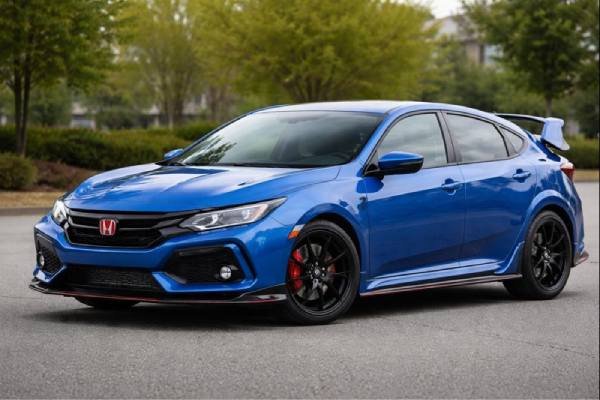
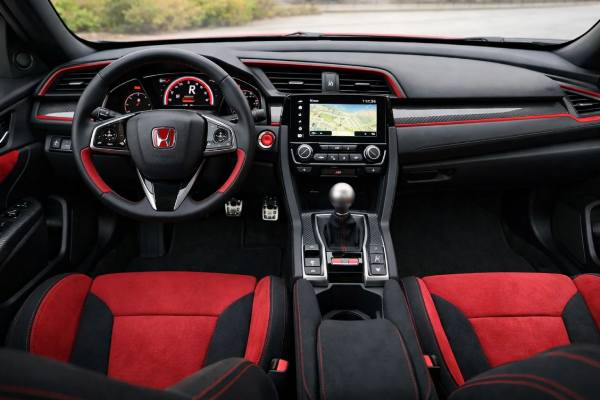
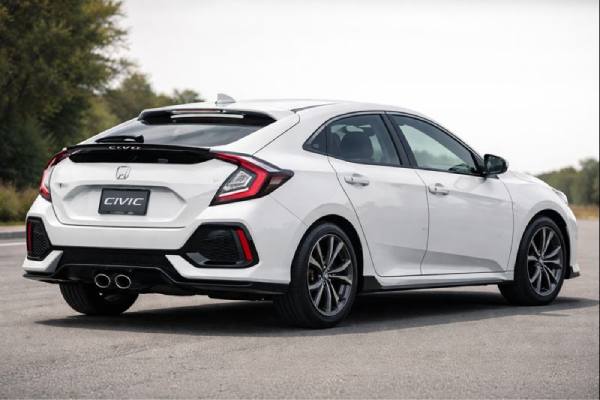
The FK9 Civic with Honda’s 1.6 i-DTEC (engine code N16A1) is a niche but very logical version of the 10th-gen hatchback: built for long distances, steady highway speeds, and owners who want diesel torque without moving to a larger car. With 120 hp and a strong mid-range pull, it’s not a hot hatch, but it feels relaxed in real traffic and typically rewards consistent servicing with strong durability.
Where this model differs from the more common petrol Civics is ownership pattern: short, cold trips can be harder on diesel aftertreatment (DPF and, in some markets, SCR/AdBlue), while regular motorway use tends to keep the system healthy. The chassis is still classic Civic—stable at speed, predictable on a twisty road, and practical enough to be a “one-car” household solution. The guide below focuses on the diesel-specific realities: what to check, what to service, and what to expect.
Essential Insights
- Strong real-world torque for overtakes and loaded driving, especially from 1,800–2,500 rpm.
- Efficient on long runs; best results come at steady speeds and fully warm operating temps.
- Practical hatchback packaging with a grown-up ride and high-speed stability.
- Avoid frequent short trips if possible; DPF regeneration needs heat and time to complete.
- Plan oil and filter service every 10,000–15,000 km (6,000–9,000 mi) or 12 months (market and usage dependent).
Contents and shortcuts
- FK9 diesel hatchback profile
- N16A1 specs and capacities
- FK9 trims, emissions, and safety
- Diesel reliability and known faults
- Maintenance plan and used checks
- On-road feel and economy
- Competitors: diesel hatch options
FK9 diesel hatchback profile
Think of the FK9 1.6 i-DTEC as the “high-mileage Civic.” The engineering priorities are clear: low fuel use at motorway speeds, strong mid-range torque so you do not need to downshift constantly, and a body and chassis tuned for stability rather than drama. In day-to-day driving, the engine’s character is the main story. Peak output is modest, but torque arrives early enough that the car feels willing when joining fast traffic or climbing grades with passengers.
The chassis underneath is shared with other 10th-gen Civics, and that matters. This generation has a planted stance, a long wheelbase for the class, and a suspension tune that generally balances control with comfort. Even on smaller wheels, it tends to track straight and remain calm over rougher surfaces. Steering is light to moderate in effort, and the front end holds on well under power—as long as you treat the throttle progressively in low gears (diesel torque can provoke wheelspin on worn tyres).
The FK9 diesel also has a clear “best use case.” If you do repeated short trips in cold weather, the diesel aftertreatment system may struggle to complete regeneration cycles. That can lead to warning lights, higher oil dilution risk on some diesel systems, and costly DPF work later. If you do regular 20–40 minute drives where the engine reaches full temperature, the system usually stays happier and the fuel economy advantage becomes real.
Advantages vs petrol Civics often come down to operating style. The diesel is typically quieter at a steady cruise than you might expect, with lower rpm at speed and fewer downshifts. In return, you accept diesel-specific servicing (fuel filter discipline, more attention to intake and emissions hardware) and you should be more selective about how the car is used. For the right owner—commuters, sales mileage, frequent highway trips—it can be one of the most economical ways to run a roomy, safe, modern hatchback.
N16A1 specs and capacities
The FK9 diesel uses Honda’s 1.6 i-DTEC N16A1, a turbocharged common-rail direct-injection inline-four designed for efficiency and low friction. Exact figures can vary slightly by market calibration, emissions level (Euro 6 variants), wheel/tyre package, and model year, so treat the tables as “typical for FK9 2018–2021” and verify against your VIN documentation for service fills and torque values.
Powertrain and efficiency (typical 1.6 i-DTEC FK9)
| Item | Specification |
|---|---|
| Code | N16A1 |
| Engine layout and cylinders | Inline-4, DOHC, 16 valves |
| Displacement | 1.6 L (≈1597 cc) |
| Induction | Turbocharged (diesel) |
| Fuel system | Common-rail direct injection |
| Compression ratio | Typically mid-teens:1 (market dependent) |
| Max power | 120 hp (≈88 kW) @ ~4,000 rpm (varies) |
| Max torque | Typically ~300 Nm (≈221 lb-ft) @ ~2,000 rpm (varies) |
| Timing drive | Chain (verify by engine label/service info) |
| Rated efficiency | Often ~3.5–4.5 L/100 km (≈52–67 mpg US / 63–81 mpg UK), trim dependent |
| Real-world highway @ 120 km/h | Commonly ~4.5–5.5 L/100 km (≈43–52 mpg US / 51–63 mpg UK), conditions dependent |
| Aerodynamics | Cd typically around ~0.30 for the hatchback (equipment dependent) |
Transmission and driveline
| Item | Specification |
|---|---|
| Transmission | Typically 6-speed manual (market dependent) |
| Drive type | FWD |
| Differential | Open (traction aided by brake-based systems where fitted) |
Chassis and dimensions (10th-gen Civic hatch family typical)
| Item | Specification |
|---|---|
| Suspension (front/rear) | MacPherson strut / multi-link |
| Steering | Electric power steering |
| Brakes | 4-wheel discs (sizes vary by trim) |
| Wheels/tyres | Commonly 16–18 in wheels; tyre size varies by grade |
| Length / width / height | Typically ~4,520 mm / ~1,800 mm / ~1,430 mm (market and trim dependent) |
| Wheelbase | Typically ~2,700 mm |
| Turning circle | Often around ~11.0 m (kerb-to-kerb) |
| Kerb weight | Commonly ~1,300–1,420 kg (diesel adds mass) |
| Fuel tank | Typically ~46 L |
| Cargo volume | Varies by market method; verify VDA/SAE figure for your exact car |
Performance and capability (typical)
| Item | Specification |
|---|---|
| 0–100 km/h (0–62 mph) | Roughly ~10–11 s (trim and conditions dependent) |
| Top speed | Typically ~195–205 km/h (121–127 mph), market dependent |
| Towing capacity | Often available in EU markets; check VIN plate and handbook for braked/unbraked limits |
| Roof load | Check handbook; varies by rack system and market |
Fluids and service capacities (verify by VIN/handbook)
| Item | Specification (typical guidance) |
|---|---|
| Engine oil | Low-SAPs oil required for modern diesels; viscosity often 0W-30 or 5W-30 (market dependent); capacity varies by sump/filter |
| Coolant | Honda type coolant; mix ratio per handbook; capacity varies |
| Manual transmission fluid | Honda MTF (or equivalent spec); capacity varies |
| A/C refrigerant | Often R-1234yf on later model years; charge varies |
| Key torque specs | Wheel nuts commonly 108 Nm (verify); service fasteners vary by engine and subframe |
Electrical (typical)
| Item | Specification |
|---|---|
| 12V battery | Capacity and form factor vary by market |
| Alternator output | Varies by equipment load |
| Spark plug | Not applicable (diesel uses glow plugs; spec varies) |
Safety and driver assistance (high level)
| Item | Notes |
|---|---|
| Crash ratings | Civic (10th gen) is generally strong in recognized test programs; exact result depends on test body and year |
| ADAS suite | Honda Sensing features vary by year/trim/market; verify what is standard vs optional |
FK9 trims, emissions, and safety
FK9 diesel availability depends heavily on country and model year. In many European markets, the 1.6 i-DTEC was offered in mid-to-upper trims because the diesel powertrain cost and emissions hardware pushed it above entry-level pricing. Expect names like S/SE/SR/EX, Sport, or market-specific equivalents. The practical takeaway is to focus less on the badge and more on three equipment areas: lighting, driver assistance, and emissions configuration.
Trims and options: what changes in real life
- Wheel and tyre size: Larger wheels look better and can sharpen turn-in, but smaller wheels often ride better and can be cheaper to tyre. For high-mileage use, comfort and tyre cost usually favor 16–17 inch packages.
- Infotainment and audio: Higher trims can add better audio and navigation hardware. Check responsiveness, Bluetooth stability, and the condition of the reversing camera.
- Seats and comfort: Heated seats and better upholstery matter on long trips. Also check driver bolster wear—diesel Civics often do big miles.
Emissions hardware: know what you’re buying
All FK9 diesels use a DPF (diesel particulate filter). Some markets and later calibrations also use SCR with AdBlue to reduce NOx emissions. How to tell quickly:
- Look for an AdBlue filler (often near the fuel filler area or in the boot floor area, depending on design).
- Check for AdBlue range or warnings in the cluster menus.
- Review service invoices for AdBlue top-ups and emissions-related updates.
This matters because SCR systems add sensors, dosing hardware, and a separate consumable. They can be reliable, but neglect or contaminated fluid can cause warning lights and limited-power modes.
Safety ratings: what to interpret carefully
For safety, the 10th-gen Civic structure is generally strong, but ratings are not “one number forever.” Test programs change over time, and trims can affect results (headlights, AEB availability, and active safety packages can move the overall outcome). When shopping used:
- Confirm airbag warning lights are not present at start-up.
- Check for ADAS calibration after windshield replacement or front-end repairs.
- Verify child-seat anchors (ISOFIX/LATCH) are intact and the rear seats latch properly.
Driver assistance (ADAS) in the real world
Honda Sensing (where fitted) commonly includes:
- AEB (automatic emergency braking), sometimes vehicle and pedestrian detection
- ACC (adaptive cruise control)
- Lane keeping assistance and lane departure mitigation
- Traffic sign recognition (market dependent)
Two practical notes: First, camera/radar systems are sensitive to bumper damage and incorrect grille parts. Second, after alignment or windshield work, some cars require recalibration—factor that into maintenance planning and pre-purchase inspection.
Diesel reliability and known faults
Overall, the N16A1 diesel can be durable when serviced on time and driven in a way that suits diesel aftertreatment. The common problems are less about catastrophic engine internals and more about the supporting systems that keep a modern diesel clean and smooth.
Below is a practical map by prevalence and cost tier. Treat “common” as seen often in high-mileage fleets and urban use, not as guaranteed failures.
Common (low to medium cost if caught early)
- DPF loading / regeneration issues
- Symptoms: frequent regen events, higher idle, cooling fans running after shutdown, warning lights, reduced power.
- Likely causes: repeated short trips, failed regen completion, incorrect oil spec, EGR/boost issues increasing soot.
- Remedy: change driving pattern (longer runs), forced regeneration by a specialist, diagnose root causes (EGR, sensors), ensure correct low-SAPs oil.
- EGR valve or EGR cooler contamination
- Symptoms: hesitation, rough idle, reduced power, fault codes, increased soot/DPF stress.
- Root cause: exhaust gas recirculation deposits, aggravated by short trips and low load.
- Remedy: cleaning or replacement; check for software updates that alter EGR strategy.
- Intake deposits and boost leaks
- Symptoms: whooshing under load, limp mode, inconsistent power.
- Root cause: split boost hoses, loose clamps, intercooler leaks.
- Remedy: pressure test and hose replacement; small leaks can snowball into DPF problems.
Occasional (medium to high cost, mileage dependent)
- Turbocharger actuator or control faults
- Symptoms: limp mode under load, underboost/overboost codes, inconsistent pull.
- Root cause: actuator wear, vacuum/control issues (system dependent), sticky vanes from soot.
- Remedy: diagnose controls first; repair actuator or turbo as required.
- Clutch and dual-mass flywheel (DMF) wear
- Symptoms: vibration at idle, rattling when shutting off, slipping under torque, judder on takeoff.
- Root cause: high torque at low rpm, lots of stop-start driving, towing/overloading.
- Remedy: clutch + DMF replacement; budget as a “major wear item” at higher mileage.
- Diesel fuel system sensitivity
- Symptoms: hard starting, rough running, fault codes, injector correction values out of range.
- Root cause: contaminated fuel, neglected fuel filter, injector wear.
- Remedy: strict fuel filter intervals; diagnostics before replacing injectors.
Rare (but can be expensive)
- SCR/AdBlue dosing or NOx sensor faults (if equipped)
- Symptoms: AdBlue warnings, countdown to no-start, limp mode.
- Root cause: sensor failure, crystallization from poor-quality fluid, dosing module issues.
- Remedy: use correct AdBlue, keep fill area clean, address warnings early.
Software and calibrations
Modern diesels often have software updates that improve drivability, regeneration logic, and fault sensitivity. When you see repeated DPF or sensor issues, ask a dealer or specialist to confirm the latest ECU updates are installed. A proper scan tool readout (including soot load, regen history, and stored codes) is more valuable than a generic “no codes” check.
Pre-purchase checks to request
- Evidence of correct oil specification and consistent oil change timing
- Proof of recall and service action completion
- Scan data for DPF soot load, regen frequency, and emissions-related fault history
- Clutch engagement feel and signs of DMF noise at idle/shutdown
Maintenance plan and used checks
A good maintenance plan for the FK9 diesel is less about doing “everything early” and more about doing the right items consistently—especially oil quality, filtration, and anything that affects soot output.
Core maintenance schedule (practical guidance)
- Engine oil and filter: every 10,000–15,000 km (6,000–9,000 mi) or 12 months. If the car does many short trips, lean toward the shorter interval. Use the correct low-SAPs oil specification required for DPF-equipped diesels.
- Air filter: inspect regularly; replace roughly every 30,000 km (18,000 mi) or sooner in dusty areas.
- Cabin filter: 15,000–30,000 km (9,000–18,000 mi), depending on environment and HVAC performance.
- Fuel filter: do not stretch this—commonly every 60,000 km (37,000 mi) (verify for your market).
- Coolant: follow the handbook; many modern coolants run 5 years initial, then shorter intervals—confirm for your VIN.
- Brake fluid: typically every 2 years, regardless of mileage.
- Tyre rotation and alignment: rotate every 10,000–12,000 km, align if you see uneven wear or steering pull.
- Manual gearbox oil: not always listed as routine, but a change around 100,000–120,000 km can improve shift quality in high-mileage use.
Diesel-specific “keep it healthy” habits
- Give it a proper warm run weekly if your routine is short trips: 20–30 minutes at steady speed helps regen complete.
- Avoid repeated low-rpm, high-gear lugging. Use the torque, but keep the engine in a clean operating range under load.
- Don’t ignore early warning signs: a small boost leak or EGR issue can quickly turn into repeated DPF complaints.
Fluids, capacities, and torque values (how to use them wisely)
Owners often want exact fill numbers and torque specs, but they can vary by gearbox, undertray design, and production updates. Use the handbook/service manual as the final authority for:
- Oil capacity with and without filter
- Gear oil fill method and quantity
- Underbody fasteners and drain plug torque
- Brake hardware torque values
As a decision-making baseline, prioritize oil spec correctness and service record quality over “perfect” interval claims from sellers.
Used buyer checklist (FK9 diesel)
- Cold start: should start cleanly without prolonged cranking; excessive smoke is a red flag.
- Test drive at load: verify full boost, no limp mode, no unusual whistles or surging.
- Check for DPF/engine lights and confirm readiness monitors with a proper scan tool.
- Inspect underbody and exhaust for damage; diesel aftertreatment components are expensive.
- Review invoices for fuel filter changes, brake fluid, and any emissions-related work.
- Look for accident repairs around the front bumper/grille area that could affect ADAS sensors.
Long-term durability outlook is typically good when the car’s driving pattern fits diesel needs. A well-maintained FK9 diesel that lives on longer commutes can be a very cost-effective vehicle over high mileage.
On-road feel and economy
The FK9 diesel’s driving personality is defined by two things: torque delivery and chassis stability. Around town, it feels more muscular than the horsepower number suggests because it does not need high rpm to move briskly. On the open road, it becomes a calm, long-legged hatch that holds speed easily and feels planted in crosswinds.
Ride, handling, and NVH
Ride quality depends on wheel size, but the underlying chassis is composed. The multi-link rear suspension helps it stay settled over uneven surfaces, and it tends to avoid the “busy” feel some compact hatches get on rough roads. Steering is accurate rather than chatty; it does the job without requiring constant correction. Braking feel is usually consistent, but as with any used car, worn pads, cheap discs, or old brake fluid can make it feel soft—budget for a brake refresh if the pedal feel isn’t crisp.
Diesel noise is most noticeable at cold start and during hard acceleration at low rpm. Once warm and cruising, the engine often fades into the background, especially compared with older diesels. Road noise and tyre roar still depend heavily on tyre choice and alignment.
Powertrain character
Expect strong mid-range pull, not a sporty top end. The diesel is happiest short-shifting and using torque. If your car is a manual, clutch technique matters: avoid heavy throttle at very low rpm in high gears to reduce DMF stress and keep combustion clean. On grades and when loaded, downshifting earlier usually feels smoother and is often better for the emissions system than lugging.
Real-world efficiency
Diesels shine when driven steadily. Typical patterns:
- City: economy can drop noticeably in heavy stop-start traffic, and regen events can raise consumption further.
- Highway (100–120 km/h / 60–75 mph): usually the best case, often delivering genuinely low fuel use for the size.
- Cold weather: expect a meaningful penalty—warm-up time and winter fuel blends can reduce economy, and short trips can trigger more regen activity.
If you want the diesel for savings, the math works best when you drive enough annual mileage to offset higher maintenance complexity and potential emissions-system repairs.
Key metrics that matter
Rather than chasing a single official 0–100 time, focus on what changes your ownership experience:
- Smooth, consistent boost under load (no surging or limp modes)
- Predictable braking and straight tracking at speed
- Stable coolant temperature and no evidence of overheating or repeated fan cycling
- A regen pattern that feels “normal” (not constant) for your usage
For the right use case, the FK9 diesel feels like a mature, capable commuter: not exciting, but very competent and easy to live with.
Competitors: diesel hatch options
Because the FK9 diesel is relatively uncommon, cross-shopping often includes both diesel and non-diesel alternatives. The right comparison depends on why you want this Civic: economy, reliability, driving feel, or equipment.
Volkswagen Golf TDI (and similar VW Group diesels)
A Golf diesel often feels refined and has a deep parts and specialist ecosystem in Europe. The Civic can feel roomier and more distinctive to drive, while the Golf may win for cabin familiarity and resale liquidity. Check emissions-system history carefully on any modern diesel competitor.
Ford Focus EcoBlue diesel
The Focus typically offers sharp handling and good ride control. The Civic often counters with strong high-speed stability and a practical cabin. With any diesel Focus, be strict about service records and ensure the car’s usage pattern suits DPF needs—this is a shared reality, not a Honda-only issue.
Peugeot 308 BlueHDi / other French diesels
These can deliver excellent fuel economy and often have strong mid-range torque. The Civic frequently feels more “Germanic” in stability and steering consistency, while French rivals may emphasize comfort and efficiency. Compare maintenance histories and confirm the exact emissions system configuration.
Mazda 3 diesel (where available)
Mazda diesels can be rewarding but sometimes demand careful ownership discipline. The Civic diesel is usually chosen for straightforward long-distance use. If you value low-stress ownership, prioritize the car with the cleanest service and emissions history rather than brand assumptions.
Toyota Corolla Hybrid (non-diesel alternative)
If your driving is mostly urban and short-trip, a hybrid often makes more sense than any diesel. You give up diesel highway economy, but you reduce DPF/SCR complexity and often lower city consumption. For mixed or city-heavy driving, this is a serious alternative.
Within the Civic range
If you want more performance and simpler emissions hardware, a petrol Civic (especially the 1.5 turbo in some markets) can be a better fit—at the cost of higher fuel use on long runs.
How to decide quickly
- Mostly motorway, high annual mileage, long warm runs: FK9 diesel makes sense.
- Mostly city, short trips, cold starts: choose petrol or hybrid.
- Towing or frequent heavy loads: prioritize torque and cooling system condition, and confirm rated tow limits for your exact VIN.
Done right, the FK9 diesel is a smart long-distance tool. It isn’t the universal best Civic, but it can be the best Civic for the right owner.
References
- My Honda | Owner’s Manual | Honda Auto 2025 (Owner’s Manual Portal)
- Honda Owners | Recalls and Updates | Honda UK 2025 (Recall and Service Actions)
- 2019 Honda Civic 2019 (Safety Rating)
Disclaimer
This article is for informational purposes only and is not a substitute for professional inspection, diagnosis, or repair. Specifications, torque values, service intervals, and procedures can vary by VIN, market, production date, and installed equipment. Always verify details using your official owner’s manual and service documentation for your exact vehicle.
If you found this guide useful, please consider sharing it on Facebook, X/Twitter, or your favorite forum to support our work.