
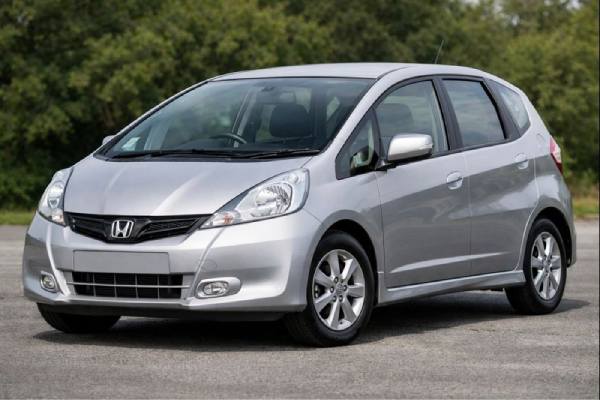
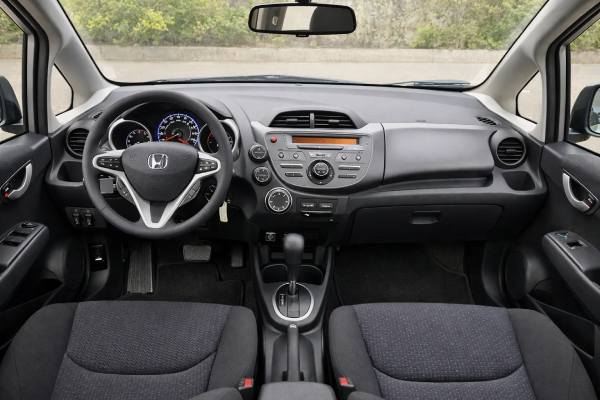
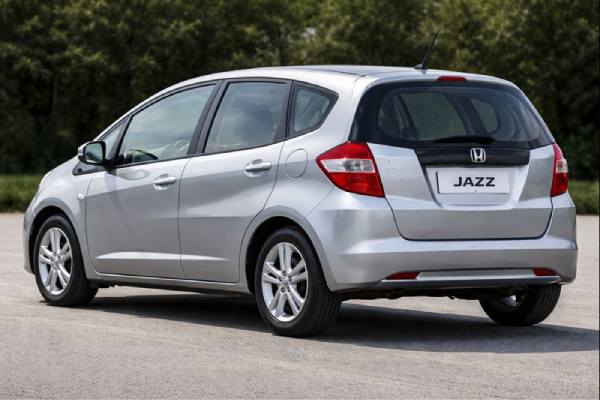
The 2008–2011 Honda Jazz (GE) with the L12B1 1.2 i-VTEC engine is one of those small cars that rewards owners who like simple engineering done well. It pairs a lightweight hatchback body with a high-revving, chain-driven petrol engine and Honda’s clever packaging—especially the “Magic Seat” cabin layout that makes the Jazz feel larger than its footprint. In daily use, this version is about predictable running costs: modest fuel use when driven calmly, inexpensive tyre sizes, and a drivetrain that avoids the common pitfalls of small turbo engines from the same era.
Where owners need to stay attentive is mostly age-related: suspension wear, brake corrosion from short trips, and trim or electrical niggles typical of a 15+ year old supermini. Pick a good example, keep up with fluids, and the GE Jazz can be a long-term, low-drama car.
Owner Snapshot
- Best for owners who want maximum cabin and cargo flexibility in a small footprint.
- The L12B1 is happiest when serviced on time and allowed to warm up before hard use.
- If fitted, the i-SHIFT automated manual is the biggest “try before you buy” item for drivability.
- Plan brake fluid changes every 2 years, even on low-mileage cars.
- Typical oil service interval: 10,000–15,000 km (6,000–9,000 miles) or 12 months, depending on use.
Jump to sections
- What this GE Jazz is
- L12B1 specs and measurements
- Trims, options, and safety gear
- Reliability watchlist and actions
- Maintenance plan and buying tips
- Driving feel and real economy
- How it stacks up to rivals
What this GE Jazz is
Honda’s second-generation Jazz (chassis code GE in many markets) kept the original model’s core idea—small outside, surprisingly large inside—then tightened the engineering around refinement and safety. For the 2008–2011 period, the L12B1 1.2 i-VTEC sits as the sensible entry point: enough power to keep up with traffic, a light nose that helps the car feel agile, and fewer high-cost components than larger or more complex variants.
The standout feature is packaging. The Jazz’s fuel tank sits centrally under the front seats, freeing space for Honda’s “Magic Seat” system in the rear. In practice, that gives you multiple cargo shapes without needing an estate car: tall items can stand upright behind the front seats, longer loads can run through with the rear seat base flipped, and the boot floor stays low and usable. For owners who move bikes, flat-pack furniture, or work gear, that flexibility is a real advantage—not a brochure gimmick.
The L12B1 engine is naturally aspirated and designed for efficiency without relying on turbocharging. Its i-VTEC setup is primarily tuned for breathing and clean combustion rather than high-output performance, which is exactly why it tends to age well. You do need to accept that it makes its best progress with revs: around town it feels smooth and light, but on steep hills or when fully loaded you may find yourself downshifting more often than you would in a torquier 1.4 or 1.5.
In ownership terms, this Jazz is often a “second car that becomes the main car.” It’s easy to park, cheap to keep in tyres and brakes, and it has the kind of visibility that modern small cars sometimes lose. The trade-off is that comfort and noise insulation are “good for the class,” not luxury—especially on coarse motorways. If your driving is mostly urban, mixed commuting, or short weekend trips, the 1.2 is a strong fit. If you regularly carry four adults at motorway speeds, the bigger engines usually make life easier.
L12B1 specs and measurements
Below are commonly published specifications for the 2008–2011 Jazz (GE) with the 1.2 i-VTEC L12B-series engine. Exact figures vary by market, trim, wheels, and test method, so treat these as a practical guide and verify against the vehicle’s VIN-specific documentation.
Powertrain and efficiency
| Item | Specification |
|---|---|
| Code | L12B1 (L12B-series) |
| Engine layout and cylinders | Inline-4, naturally aspirated |
| Valvetrain | SOHC i-VTEC (varies by market listing), 4 valves/cyl |
| Displacement | 1.2 L (1198 cc) |
| Bore × stroke | 73.0 × 71.6 mm (2.87 × 2.82 in) |
| Induction | NA |
| Fuel system | PFI/MPFI (market dependent) |
| Compression ratio | ~10.5:1 to 10.6:1 (varies by market) |
| Max power | 90 hp (66 kW) @ ~6,000 rpm |
| Max torque | ~110–114 Nm (81–84 lb-ft) @ ~4,800–4,900 rpm |
| Timing drive | Chain |
| Rated efficiency | Commonly ~5.0–5.8 L/100 km combined (47–57 mpg US / 49–65 mpg UK, method dependent) |
| Real-world highway @ 120 km/h | Often ~6.0–7.0 L/100 km depending on load, tyres, and wind |
| Aerodynamics | Cd not consistently published for all trims; small changes by bumper and wheel design |
Transmission and driveline
| Item | Specification |
|---|---|
| Transmission | 5-speed manual (most common); i-SHIFT automated manual in some markets |
| Drive type | FWD |
| Differential | Open |
Chassis and dimensions
| Item | Specification |
|---|---|
| Suspension (front/rear) | MacPherson strut / torsion beam |
| Steering | Electric power steering (EPS) |
| Brakes | Front ventilated discs; rear drums or discs depending on trim/market |
| Typical wheel and tyre | 175/65 R15 (common); some trims 185/55 R16 |
| Ground clearance | Market dependent; commonly ~150 mm (5.9 in) |
| Length / width / height | ~3,900 / 1,695 / 1,525 mm (153.5 / 66.7 / 60.0 in) |
| Wheelbase | ~2,500 mm (98.4 in) |
| Turning circle (kerb-to-kerb) | ~9.8 m (32.2 ft) |
| Kerb (curb) weight | Commonly ~1,050–1,120 kg (2,315–2,469 lb), varies by trim |
| Fuel tank | ~42 L (11.1 US gal / 9.2 UK gal) |
| Cargo volume | Strongly method-dependent; Jazz is notable for usable shape and seat flexibility |
Performance and capability (typical)
| Item | Specification |
|---|---|
| 0–100 km/h (0–62 mph) | ~12.5–14.0 s (gearbox and test method dependent) |
| Top speed | ~170–175 km/h (106–109 mph) |
| Braking 100–0 km/h | Not consistently published for all trims; tyre choice matters heavily |
| Towing capacity | Often limited; many markets list low or “not recommended” values for small-engined versions—check local homologation |
| Roof load | Commonly ~50–75 kg depending on roof system |
Fluids and service capacities (typical decision-making values)
| Item | Specification |
|---|---|
| Engine oil | 0W-20 or 5W-30 (market/climate dependent); capacity often ~3.3–3.7 L with filter |
| Coolant | Long-life Honda-type coolant; capacity commonly ~4.0–5.0 L total system |
| Manual transmission | Honda MTF-type fluid; commonly ~1.4–1.6 L |
| Brake fluid | DOT 4 typical |
| A/C refrigerant | R134a (most markets in this era); charge varies by system label |
Electrical (typical)
| Item | Specification |
|---|---|
| 12V battery | Commonly 35–45 Ah class (size and CCA vary by climate spec) |
| Spark plugs | Iridium/platinum type common; gap per plug spec and market manual |
Safety and driver assistance (period-correct)
| Item | Specification |
|---|---|
| Crash ratings (Euro NCAP) | 5-star era result for the Jazz platform in 2009 testing; sub-scores published by Euro NCAP |
| ADAS | Limited by modern standards: ESC becomes widespread/standard across markets during this period; seatbelt reminders common; AEB and lane aids generally not present |
Trims, options, and safety gear
Because the Jazz was sold globally, trim names differ, but the equipment pattern is consistent. The 1.2 i-VTEC generally appears in the entry-to-mid grades, often paired with smaller wheels and simpler interiors. That’s not necessarily a negative: fewer electronic features can mean fewer age-related faults, and smaller wheel/tyre packages usually ride better and cost less to replace.
Common trim differences that matter
- Gearbox choice: The 5-speed manual is the safest bet for smoothness and long-term satisfaction. Where available, i-SHIF T (Honda’s automated manual) can be efficient but may feel hesitant or jerky in stop-start traffic if you drive it like a torque-converter automatic. It needs a short adaptation period from the driver, and it benefits from correct clutch calibration and healthy actuators.
- Wheels and tyres: Base trims with 15-inch wheels typically ride more comfortably and are less sensitive to pothole damage. Higher trims with 16-inch wheels may feel sharper but can transmit more road noise.
- Rear brakes: Some versions keep rear drums; others get rear discs. Drums can be durable and inexpensive, but they dislike long periods of inactivity and may develop uneven performance if the car is used only for short trips.
- Climate and convenience: Manual A/C vs automatic climate, and simple radio vs integrated head unit. Older integrated units can be pricey to replace if they fail, so working condition matters.
Quick identifiers when viewing a car
- VIN and build plate: Use the VIN to confirm model year, engine family, and recall status.
- Gear selector layout: i-SHIFT cars usually have a distinctive selector and “A/M” style operation. Test drive is essential.
- Interior seat mechanism: A functioning Magic Seat system (seat base lifting and folding) is a good sign the car hasn’t been abused or flooded.
- Tyre brand and wear: Uneven inner wear often points to alignment issues or worn rear beam bushes.
Safety ratings and what they mean for owners
Euro NCAP’s published result for the Jazz platform in 2009 includes a 5-star overall rating for that era of testing. The key point is context: test protocols evolve, so a 2009 five-star car does not equal a modern five-star car. Still, it indicates strong occupant protection for the time, and it aligns with the Jazz’s real-world reputation as a sensible family supermini.
Important nuance: published crash results are usually for a specific tested variant (often not the 1.2), but Euro NCAP notes when the rating applies broadly across the model range. Owners should still check whether their exact trim has side airbags and ESC, because equipment levels can vary.
Safety systems and “driver assistance” (limited by the era)
What you can realistically expect on a 2008–2011 Jazz:
- Multiple airbags: Front airbags are standard; side and curtain airbags are common on mid/high trims but not guaranteed on the lowest grades.
- Seatbelt pretensioners and reminders: Typically present; reminders may cover front and, in many cases, rear seats.
- ABS: Standard in most markets.
- ESC (stability control): Becomes more widely fitted and may transition from optional to standard depending on market and year. If safety is a priority, treat ESC as a must-have and verify it on the dash and in the spec list.
There is little in the way of true ADAS: no automatic emergency braking, no adaptive cruise, and no lane centring. That’s normal for this period. Your “safety upgrade” as an owner comes from tyres, brakes, and keeping the suspension tight—because a well-maintained Jazz stops and steers far better than a tired one.
Reliability watchlist and actions
The GE Jazz is generally robust, but at this age you’re buying condition as much as design. A good approach is to sort issues by how often they occur and how expensive they are if ignored.
Common, low-to-medium cost issues
- Front suspension wear (common, medium):
Symptoms: Clunks over small bumps, vague steering, tyre feathering.
Likely causes: Drop links, strut top mounts, lower arm bushes, worn dampers.
Remedy: Replace worn components in pairs; follow with alignment. - Brake corrosion and sticking calipers/sliders (common in short-trip cars, low-to-medium):
Symptoms: Pulling under braking, hot wheel smell, uneven pad wear, poor fuel economy.
Likely causes: Rusty caliper slider pins, seized rear mechanisms (drums), infrequent fluid changes.
Remedy: Strip and lubricate sliders, replace hardware, refresh brake fluid, and use the brakes firmly once warmed up to keep surfaces clean. - Exhaust and heatshield rattles (common, low):
Symptoms: Metallic rattle at idle or on bumps.
Likely causes: Corroded heatshield mounts, tired rubber hangers.
Remedy: Replace fixings/hangers; inspect for exhaust leaks. - Battery and charging sensitivity (common with age, low):
Symptoms: Slow cranking, warning lights after cold starts, intermittent electrical oddities.
Likely causes: Aging 12V battery, poor earth connections.
Remedy: Load-test battery, clean grounds, confirm alternator output.
Occasional issues worth checking carefully
- Air-conditioning performance (occasional, medium):
Symptoms: Weak cooling, compressor cycling, oily residue at pipes.
Likely causes: Low refrigerant from slow leaks, condenser corrosion from road debris, worn compressor clutch (system dependent).
Remedy: Leak test before re-gas; avoid repeated “top-ups” without diagnosis. - Oil seepage (occasional, low-to-medium):
Symptoms: Light oil dampness around timing cover or rocker area, oil smell on hot engine.
Likely causes: Aging gaskets/seals.
Remedy: Monitor level; repair if dripping or contaminating belts/mounts. - Cooling system aging (occasional, medium):
Symptoms: Slow warm-up, coolant smell, unexplained loss, weak cabin heat.
Likely causes: Old coolant, thermostat drift, tired radiator cap, hose aging.
Remedy: Refresh coolant on time; pressure-test if loss is present.
i-SHIFT specific (if equipped)
Treat i-SHIFT as its own category because it changes the buying decision.
- Hesitation or harsh take-up (common complaint, medium-to-high if ignored):
Symptoms: Jerky starts, delayed engagement, awkward low-speed manoeuvres.
Likely causes: Clutch wear, actuator calibration drift, software adaptation needs, driver technique mismatch.
Remedy: Confirm smooth operation after warm-up, check for fault codes, verify clutch condition, and ensure any calibration procedures have been performed.
If you want “automatic-like” ease in traffic, a traditional automatic from a rival might feel smoother. If you like the efficiency of a manual and can accept a learning curve, i-SHIFT can work—but only if it’s healthy.
Recalls, service actions, and how to verify
Older Hondas can be affected by recall campaigns (airbags, inflators, or other components depending on market and build date). The important part is not guessing—it’s checking. Use Honda’s official recall/updates lookup and ask the seller for dealer paperwork or service invoices confirming completion.
Pre-purchase checks to request
- Full service history with dates (not just stamps).
- Proof of brake fluid and coolant changes (these are often skipped).
- Any gearbox or clutch work, especially on i-SHIFT cars.
- Evidence of recall completion from official channels.
Reliability is not just “does it break”; it’s “does it stay pleasant.” A Jazz with tired dampers, sticky brakes, and old tyres can feel worn-out even if the engine is fine. Sorting those basics usually restores the car’s strong, precise character.
Maintenance plan and buying tips
A simple, repeatable schedule is the best way to keep the L12B1 Jazz cheap to own. The engine and chassis respond well to preventative servicing—especially fluids.
Practical maintenance schedule (distance and time)
Every 10,000–15,000 km (6,000–9,000 miles) or 12 months
- Engine oil and filter (use the viscosity recommended for your market/climate).
- Inspect tyre condition and pressures; rotate tyres if wear is uneven.
- Inspect brakes: pad/shoe thickness, disc condition, slider movement, parking brake operation.
- Check coolant level, oil level, and for leaks.
Every 20,000–30,000 km (12,000–18,000 miles) or 2 years
- Cabin air filter (if fitted) and engine air filter inspection/replacement as needed.
- Brake fluid replacement (time-based matters most).
- Clean and lubricate brake slider pins and contact points during brake service.
Every 40,000–60,000 km (25,000–37,000 miles)
- Manual transmission fluid change (earlier if shifting feels notchy or if the car sees heavy urban use).
- Inspect suspension bushes, ball joints, drop links, and steering components.
Every 80,000–120,000 km (50,000–75,000 miles) or 5–6 years
- Coolant replacement (follow the coolant type and interval specified in your official documentation).
- Spark plug replacement (many versions use long-life plugs, but age and short trips can justify earlier service).
- Inspect auxiliary belt and tensioner (if applicable to your exact accessory layout).
As needed (condition-based)
- Wheel alignment after suspension work or if tyres show inner/outer wear.
- 12V battery testing annually once it’s older than ~4 years, especially in cold climates.
Fluids, specs, and useful decision values
Use these as shopping and planning anchors, then verify for your VIN.
- Engine oil: Common Honda-approved oils include 0W-20 or 5W-30 depending on market; capacity often lands around mid-3 litres with filter.
- Gearbox oil: Use the correct Honda manual transmission fluid type.
- Brake fluid: DOT 4 is a common requirement; change every 2 years.
- Coolant: Use a Honda-compatible long-life coolant and keep the correct mix ratio for your climate.
Essential torque values (high-level guidance only)
Torque values vary with fastener type and model year. As a practical owner guide:
- Wheel nuts/bolts typically sit in the ~100–120 Nm range on many Hondas of this class.
- Brake caliper bracket and suspension fasteners can be substantially higher than “hand tight,” and under-torquing is a safety risk.
For any critical fastener, use the official service manual for your exact variant.
Buyer’s inspection checklist (what matters most)
Body and corrosion
- Check rear arches, sills, and the underside around suspension mounting points.
- Look for mismatched paint and overspray that could indicate accident repair.
- Inspect door bottoms and tailgate seams for bubbling.
Engine and cooling
- Cold start should be clean and stable, with no loud timing-chain rattle.
- Confirm the cooling fan cycles correctly and cabin heat is strong once warm.
- Look for signs of oil neglect: sludge under the oil cap, heavy varnish, or burnt oil smell.
Transmission and clutch
- Manual: test for smooth engagement, no clutch slip, and no crunching into second gear when cold.
- i-SHIFT: test low-speed creep, hill starts, parking manoeuvres, and repeated stop-start operation once warm.
Suspension and tyres
- A tight Jazz should feel composed and quiet over bumps. Knocks usually mean worn links or mounts.
- Uneven tyre wear is often a clue for alignment or worn bushes—budget accordingly.
Electronics and interior
- Ensure all windows, mirrors, blower speeds, A/C, and central locking work.
- A damp smell, misty lights, or water in the spare-wheel well suggests leaks.
Long-term durability outlook
If you choose a well-maintained example and keep up with fluids, the L12B1 Jazz can be a “run it for years” car. The biggest threats are not exotic engine failures; they’re neglected basics—old oil, tired brakes, worn suspension, and a gearbox you don’t enjoy. Buy the best-condition car you can, not the lowest-mileage car with the thinnest history.
Driving feel and real economy
The 1.2 GE Jazz is not a fast car, but it is a satisfying one when it’s in good condition. The steering is light and accurate, visibility is excellent, and the car’s relatively upright shape makes it easy to place on narrow roads. Around town, the engine feels smooth and responsive, and the clutch and shifter (manual) are typically easy to live with.
Ride, handling, and NVH
- Ride quality: On 15-inch tyres, the Jazz tends to ride with a supple initial response, then can feel slightly busy on rough surfaces because the wheelbase is short and the rear torsion beam transmits some road texture.
- Handling balance: Predictable and safe. The front end grips well for the class, and the rear follows without surprises. It’s not a hot hatch, but it’s confident.
- Steering feel: The EPS system is light at parking speeds and firms slightly on the move. Feedback is limited compared with older hydraulic systems, but accuracy is good.
- Noise levels: City speeds are generally quiet enough; motorway speeds bring more tyre and wind noise than larger cars. If noise feels excessive, suspect cheap tyres, worn door seals, or tired wheel bearings.
Powertrain character
This engine’s “personality” is its willingness to rev. If you short-shift and expect low-end shove, it can feel flat. If you use the midrange and don’t mind dropping a gear for hills, it feels energetic and smooth.
- Manual gearbox: Usually the best match for the 1.2. It helps you keep the engine in its comfortable band, and it avoids the decision-making quirks of automated manuals.
- i-SHIFT behaviour: When healthy, it can be efficient and consistent. In heavy traffic it may pause between shifts or feel abrupt at low speeds. The key is whether you can live with its logic—some owners adapt quickly, others never do.
Real-world efficiency (what owners typically see)
Because fuel economy depends heavily on speed and trip length, it helps to think in ranges:
- City (short trips, frequent stops): often ~6.5–8.0 L/100 km (29–36 mpg US / 35–43 mpg UK), worse in cold weather.
- Mixed commuting: often ~5.5–6.5 L/100 km (36–43 mpg US / 43–51 mpg UK).
- Highway at 100–120 km/h (60–75 mph): often ~6.0–7.0 L/100 km (34–39 mpg US / 40–47 mpg UK).
Cold weather and short runs can be a bigger penalty than many owners expect. If you mostly drive 3–5 km trips, the Jazz can still be reliable, but your fuel use and condensation-related wear will rise. In that case, shorten oil intervals and ensure the engine regularly reaches full operating temperature.
Performance metrics that change the verdict
The headline 0–100 km/h time is less important than how the car overtakes:
- Passing performance: Expect to plan overtakes and downshift. The car is capable, but it prefers momentum.
- Turning circle and visibility: These are “secret performance features” in cities. The Jazz often feels quicker in traffic than its horsepower suggests simply because it’s easy to place and manoeuvre.
- Braking feel: With fresh fluid and good pads, the pedal should be consistent. A soft pedal usually means old fluid, air, or sticky hardware—not “just how it is.”
If you want a calm motorway cruiser, consider the larger engine versions. If you want a nimble, practical hatch that feels easy to thread through daily life, the 1.2 delivers exactly that.
How it stacks up to rivals
To judge the GE Jazz 1.2 fairly, compare it to other late-2000s superminis with small naturally aspirated engines: Toyota Yaris, Volkswagen Polo, Ford Fiesta, and similar.
Versus Toyota Yaris (similar years)
- Jazz advantages: Better cargo versatility and seating flexibility; often a more “roomy” feel from the driver’s seat; strong real-world durability reputation.
- Yaris advantages: Often smoother conventional automatic options in some markets; simple running gear; strong resale.
- Who should choose the Jazz: Anyone who values interior practicality and doesn’t want a small car that feels cramped.
Versus Volkswagen Polo (similar years)
- Jazz advantages: Packaging and visibility; usually lower complexity in base petrol forms; often cheaper parts and repairs than German rivals in many regions.
- Polo advantages: More “solid” highway feel and cabin insulation in some trims; more mature motorway manners.
- Decision point: If your driving is mainly motorway, the Polo may feel calmer. If you want a city-first car with maximum usable space, the Jazz tends to win.
Versus Ford Fiesta (similar years)
- Jazz advantages: Practicality, seat system, and often better long-term “ownership calm” when maintained.
- Fiesta advantages: Sharper steering and handling feel; often more engaging on a twisty road.
- Decision point: Choose Fiesta for fun-first handling; choose Jazz for day-to-day usefulness and versatility.
Versus small turbo cars from the next era
It’s tempting to cross-shop slightly newer small turbo models for better torque. The trade-off is complexity: turbos, direct injection in some cases, and more heat management. The Jazz 1.2’s simplicity is a legitimate advantage if you plan to keep the car for years and want predictable servicing.
The value verdict
The 2008–2011 Jazz 1.2 is at its best when you treat it like a well-built tool: keep the fluids fresh, keep tyres and brakes quality, and don’t ignore suspension wear. In return, it gives you:
- A uniquely flexible cabin for the class
- Straightforward mechanicals and a generally robust drivetrain
- Low operating costs when maintained properly
The only major “avoid” scenario is buying an example with a gearbox setup you don’t enjoy (especially i-SHIFT) or with years of skipped fluid services. Test drive carefully, inspect thoroughly, and the Jazz can be one of the most sensible used small cars of its era.
References
- The All-New Honda Jazz 2008 (Manufacturer Publication)
- Honda Jazz awarded maximum 5-star Euro NCAP safety rating 2009 (Safety Rating)
- Honda Jazz 2009 (Safety Rating)
- Recalls and updates 2026 (Recall Database)
Disclaimer
This article is for informational purposes only and is not a substitute for professional diagnosis, inspection, or repair. Specifications, torque values, service intervals, and procedures can vary by VIN, market, model year, and equipment. Always verify details using official Honda service documentation for your specific vehicle and consult a qualified technician when safety-critical work is involved.
If you found this guide useful, please consider sharing it on Facebook, X (Twitter), or your preferred platform to support our work.