

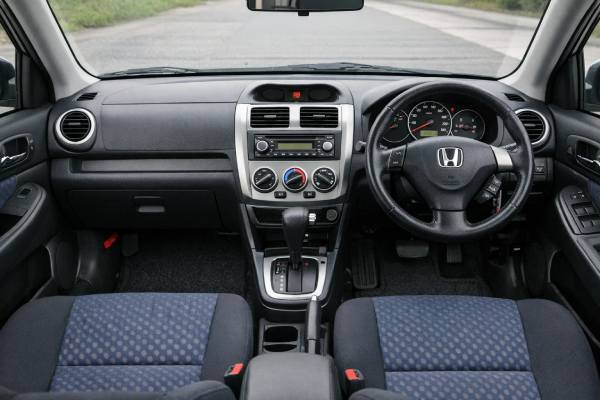
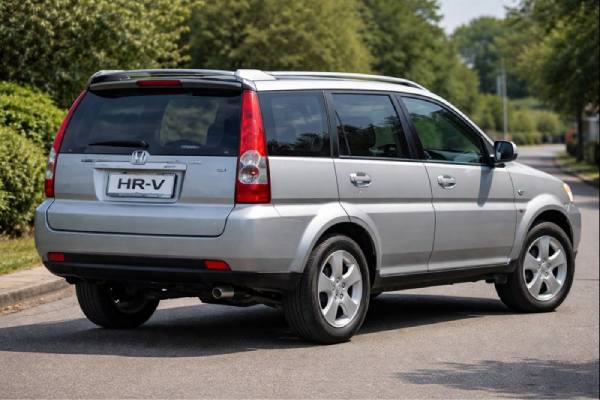
The facelifted 2002–2005 Honda HR-V GH2 with the 1.6-liter D16W1 and front-wheel drive is a practical reminder of Honda’s “simple, light, and durable” era. It is not quick, but it is predictable: a naturally aspirated engine that likes clean oil, straightforward mechanicals, and a platform that still feels compact in modern traffic. The facelift years matter because parts, trim, and small hardware details can change how easy the car is to live with—especially around suspension wear, corrosion, and electrical aging.
If you’re shopping today, the big question is less “Can it last?” and more “Has it been maintained correctly?” A well-kept HR-V rewards routine service with low running costs, good visibility, and a surprisingly useful cabin footprint for its size.
Essential Insights
- Best for simple commuting and light family use: compact size, good visibility, and easy parking.
- D16W1 is durable when kept full on oil and serviced on time; it dislikes long oil-change intervals.
- Check for corrosion and suspension wear first—age-related issues usually cost more than the engine.
- Replace the timing belt on schedule (typically every 90,000–100,000 km or 5–6 years, whichever comes first).
- Budget for a “baseline refresh” after purchase: fluids, filters, and rubber parts are often overdue.
Quick navigation
- Facelift GH2 ownership picture
- Specs for D16W1 FWD
- Trim cues and safety kit
- Problems to expect now
- Service schedule and buyer checks
- Road manners and economy
- Comparison with key rivals
Facelift GH2 ownership picture
Honda’s first-generation HR-V was built around lightness and packaging: a tall roofline, short overhangs, and a cabin that feels “upright” rather than cramped. In facelift GH2 form (2002–2005) with FWD and the D16W1, the personality is calm and honest. You get enough torque for city work, clean throttle response from a naturally aspirated engine, and fewer drivetrain parts than the 4WD models—meaning fewer fluids to service and fewer failure points as the car ages.
What the facelift changes in real life
Facelift updates typically show up as trim and equipment tweaks rather than a totally different vehicle. That still matters today: bumpers, lamps, interior switches, and some sensors can differ from pre-facelift cars, which affects parts sourcing. When you’re buying used, confirm parts compatibility by VIN rather than assuming “HR-V is HR-V.”
Why this powertrain works for long-term owners
The D16W1 1.6 is not exotic: it’s a small-displacement inline-four designed for efficiency and reliability. The upside is that routine maintenance is affordable, and independent workshops usually know the pattern failures. The downside is that neglect shows quickly—old oil, overdue timing belt service, or persistent overheating can turn a dependable engine into an expensive project.
Who this HR-V suits
- Urban drivers who value visibility, simple controls, and compact exterior dimensions.
- Budget-focused owners who want predictable maintenance rather than high-tech systems.
- Light-duty users (shopping, commuting, occasional trips) who don’t need towing muscle.
Where expectations should be realistic
This generation predates modern safety and driver-assistance standards. Even on facelift cars, you should not expect today’s stability-control tuning, advanced airbags, or strong crash-test coverage across regions. Comfort is also “old Honda”: supportive enough, but road noise and wind noise will be more noticeable than in newer crossovers. If you accept those tradeoffs, the GH2 HR-V can still be a satisfying, low-stress daily driver.
Specs for D16W1 FWD
Below are practical, owner-focused specifications for the Honda HR-V FWD (GH2) facelift 2002–2005 with the D16W1 1.6. Values can vary by market, body style (3-door vs 5-door), transmission, and wheel/tyre package, so treat numbers as typical ranges and verify against your VIN data plate and service documentation.
Powertrain and efficiency
| Item | Specification (typical) |
|---|---|
| Code | D16W1 (inline-four) |
| Engine layout and cylinders | Front-transverse; I-4; SOHC; 4 valves/cyl |
| Bore × stroke | ~75 × 90 mm (2.95 × 3.54 in) |
| Displacement | 1.6 L (≈1590 cc) |
| Induction | Naturally aspirated |
| Fuel system | Multi-point fuel injection (MPFI) |
| Compression ratio | ~9.4:1 (market-dependent) |
| Max power | 105 hp (≈78 kW) @ ~6,200 rpm |
| Max torque | ~135 Nm (≈100 lb-ft) @ ~3,500 rpm |
| Timing drive | Timing belt |
| Rated efficiency | Typically ~7.5–9.5 L/100 km (31–25 mpg US / 38–30 mpg UK), depending on transmission and tyres |
| Real-world highway @ 120 km/h | Often ~8.0–9.0 L/100 km (29–26 mpg US / 35–31 mpg UK) if mechanically healthy |
| Aerodynamics | Cd varies by body and equipment; not commonly published for all markets |
Transmission and driveline
| Item | Specification (typical) |
|---|---|
| Transmission | 5-speed manual or Honda CVT (market-dependent) |
| Drive type | FWD |
| Differential | Open |
Chassis and dimensions
| Item | Specification (typical) |
|---|---|
| Suspension (front/rear) | Independent front (strut/wishbone varies by market); rear beam/De-Dion-type layout depending on variant |
| Steering | Hydraulic power steering (rack and pinion) |
| Brakes | Front discs; rear drums on many trims (rear disc on some markets/trims) |
| Wheels/tyres | Commonly 195/70 R15 (varies) |
| Ground clearance | Commonly ~170–190 mm (6.7–7.5 in), trim-dependent |
| Length / width / height | ~4,090–4,110 / ~1,695 / ~1,580–1,600 mm (161–162 / 66.7 / 62–63 in) |
| Wheelbase | ~2,360 mm (3-door) or ~2,450 mm (5-door), market-dependent |
| Turning circle | Commonly ~10.0–10.6 m (33–35 ft) |
| Kerb weight | Typically ~1,150–1,280 kg (2,535–2,822 lb) |
| GVWR | Typically ~1,600–1,700 kg (3,527–3,748 lb) |
| Fuel tank | Often ~55 L (14.5 US gal / 12.1 UK gal) |
| Cargo volume | Highly dependent on measurement method; focus on seat-fold usability rather than one number |
Performance and capability
| Item | Typical figure (varies by body/transmission) |
|---|---|
| 0–100 km/h (0–62 mph) | ~11–13 s |
| Top speed | ~160–170 km/h (99–106 mph) |
| Towing capacity | Often not officially rated in some markets; treat as light-duty only unless your handbook specifies |
| Payload | Commonly ~350–450 kg (772–992 lb), trim-dependent |
Fluids, service capacities, and key torques
Exact capacities vary by sump/transmission variant; use these as planning figures and confirm before filling.
| Item | Typical spec |
|---|---|
| Engine oil | 5W-30 or 10W-30 meeting API/ACEA requirements (market); ~3.5–3.7 L (3.7–3.9 US qt) with filter |
| Coolant | Honda-type long-life coolant; 50/50 mix unless otherwise specified |
| Manual gearbox oil | MTF (Honda MTF or equivalent spec) |
| CVT fluid | Honda CVT fluid only to the correct generation spec (do not “universal” substitute) |
| Brake fluid | DOT 3/4 per cap/handbook (commonly DOT 4 acceptable) |
| A/C refrigerant | Commonly R-134a (quantity varies by system label) |
| Key torque specs | Wheel nuts often 90–110 Nm (66–81 lb-ft) depending on wheel; verify for your wheels and studs |
Safety and driver assistance
| Item | What to expect |
|---|---|
| Crash ratings | Euro NCAP / IIHS ratings are often not available or not directly comparable for this generation across markets |
| Airbags | Typically front airbags; side airbags may be trim/market-dependent |
| ABS | Common on many trims; verify by dash lamp and VIN build sheet |
| ADAS | Generally none (no AEB, no ACC, no lane-centering) |
Trim cues and safety kit
Because the HR-V was sold across multiple regions with different naming schemes, “trim” is less about a single global hierarchy and more about equipment clusters. On facelift GH2 cars, you’ll usually see differences in wheels, interior fabric, audio head unit, and convenience features—while the core mechanical package stays consistent for the D16W1 FWD setup.
Common trim and option themes
- Wheels and tyres: Steel wheels with hubcaps vs alloy wheels are a quick visual clue. Tyre size changes can slightly alter ride and fuel use.
- Interior equipment: Expect variation in seat fabric, rear seat folding mechanism details, and storage accessories. Some markets offered more upscale audio or added steering-wheel controls.
- Climate control: Manual A/C is most common; automatic climate control is rare on some markets but does appear in certain higher-spec versions.
- Roof equipment: Roof rails and crossbar provisions are common differentiators. Inspect mounting points for water leaks and corrosion around fasteners.
Mechanical differences you should actually care about
Even if the badge says little, the following affect ownership cost:
- Transmission type (manual vs CVT): A manual car is typically more tolerant of neglected service. A CVT car can be excellent when maintained correctly but expensive if abused or filled with the wrong fluid.
- Rear brake hardware: Rear drums are simple and cheap; rear discs (if fitted) can offer better feel but add caliper maintenance on older cars.
- Tyre package: Wider or more aggressive tyres can reduce wet comfort and increase road noise, and they often make worn suspension feel worse.
Safety ratings and how to interpret them
For this generation, you may not find a single, clean crash-rating story like you would for a modern vehicle. Test protocols also change over time, so an older rating (if it exists in your market) may not reflect today’s standards. The practical approach is to focus on equipment present on the car and the condition of structure and restraints:
- Confirm airbags are present and the SRS light performs a normal self-check.
- Check for seatbelt retractor strength and that belts lock under a sharp pull.
- Inspect the front rails, radiator support, and inner wings for signs of structural repair.
Safety systems and child-seat provisions
Many facelift HR-Vs provide ISOFIX/LATCH-style mounting points depending on market and year. Do not assume: physically check the rear seat base and backrest for ISOFIX labels and anchors. ABS is commonly fitted; stability control (ESC) is typically absent. That means tyre condition and brake health matter more than usual—fresh tyres and correct alignment can materially improve wet-road safety on an older chassis.
Problems to expect now
At 2002–2005 age, most HR-V problems are driven by time as much as mileage. Rubber hardens, corrosion progresses, and electrical connections oxidize. The good news is that the GH2 platform is approachable: many issues are diagnosable with basic tools and methodical inspection.
Common issues (high likelihood)
- Suspension wear and knocks (low to medium cost):
Symptoms: clunks over bumps, vague steering, uneven tyre wear.
Likely causes: worn anti-roll bar links/bushes, tired dampers, aging control arm bushings, or ball joints.
Remedy: replace worn links/bushes first, then address dampers and alignment. - Brake corrosion and sticking (low to medium):
Symptoms: pulling under braking, hot wheel smell, weak handbrake.
Likely causes: seized rear drum hardware, corroded caliper slides (if rear discs), old brake fluid.
Remedy: service hardware, replace fluid, confirm flexible hoses are not cracked. - Oil leaks and consumption patterns (low to medium):
Symptoms: oil drops, burning smell, low dipstick level between services.
Likely causes: aging cam/crank seals, valve cover gasket, PCV system restrictions.
Remedy: fix leaks before chasing “consumption,” replace PCV valve, and keep oil at the full mark.
Occasional issues (medium likelihood)
- Cooling system aging (medium to high if ignored):
Symptoms: temperature creep in traffic, coolant smell, repeated top-ups.
Likely causes: radiator end-tank cracks, weak cap, tired thermostat, old hoses.
Remedy: pressure-test, replace weak components proactively; overheating is what turns a good engine into a bad one. - CVT drivability concerns (cost varies):
Symptoms: shudder on take-off, flare, delayed engagement.
Likely causes: incorrect fluid, overdue changes, worn start clutch components on some designs.
Remedy: correct Honda fluid and service procedure first; avoid guessing with additives.
Rare but costly (lower likelihood)
- Structural corrosion (high):
Symptoms: crusty seams, soft jacking points, suspension mount rust.
Likely causes: winter salt, poor previous repairs, blocked drains.
Remedy: walk away if corrosion affects structural areas or suspension pickup points.
Recalls, service actions, and how to verify
On older cars, the safest approach is to run a manufacturer recall check (by chassis/VIN) and confirm completion with dealer records where possible. If paperwork is missing, assume the work was not done and verify through official channels. This is especially important for safety-related campaigns that may not be obvious during a test drive.
Service schedule and buyer checks
A facelift HR-V can feel “fine” on a short drive even when it is overdue for critical service. Your goal is to anchor the car to a known maintenance baseline and then keep it on a simple rhythm. The checklist below is intentionally practical: it focuses on the items that most often determine whether ownership is inexpensive or irritating.
Core maintenance schedule (practical)
- Engine oil and filter: every 7,500–10,000 km (4,700–6,200 mi) or 12 months. If short-trip city use, choose the shorter interval.
- Air filter (engine): inspect every 15,000 km; replace ~30,000 km (or sooner in dusty areas).
- Cabin filter: if fitted, replace every 15,000–20,000 km or annually for allergy-prone drivers.
- Coolant: typically every 3–5 years depending on coolant type; never mix unknown coolants.
- Spark plugs: often 60,000–100,000 km depending on plug type; replace earlier if misfires appear.
- Brake fluid: every 2 years regardless of mileage.
- Manual transmission fluid: every 60,000–80,000 km (or 4–5 years).
- CVT fluid: treat as a priority service item; many owners target 40,000–60,000 km intervals with the correct Honda fluid.
- Timing belt kit (belt + tensioner + water pump): typically 90,000–100,000 km or 5–6 years. If history is unknown, do it immediately.
Fluids and specifications that matter
The most expensive mistakes on older Hondas come from wrong fluids. Use Honda-spec equivalents for:
- CVT fluid (if equipped)
- Manual transmission fluid (MTF)
- Coolant type (long-life formulations vary)
When you purchase, change fluids only after confirming what is currently installed if contamination is suspected. If you can’t confirm, a full drain-and-refill to a known correct spec is often safer than “topping up.”
Pre-purchase inspection checklist
- Rust audit: wheel arches, sills, floor seams, rear suspension mounts, and around the windscreen/cowl area.
- Cooling health: stable temperature in traffic, heater performance, clean coolant with no oil sheen.
- Oil level and leaks: check dipstick level cold, then re-check after the test drive for fresh seepage.
- Transmission behavior: smooth engagement, no harsh shudder, consistent response in manual or CVT.
- Brakes and tyres: even wear, no pulsing pedal, handbrake holds on an incline.
- Electrical basics: charging voltage, lights, wipers, blower fan speeds, and all warning lights at key-on.
Long-term durability outlook
If you buy a structurally solid example and complete the timing belt and fluid baseline early, the GH2 HR-V can remain dependable for years. The ownership “make or break” factors are corrosion control, suspension refresh, and using correct fluids—especially if the car has a CVT.
Road manners and economy
The HR-V GH2 facelift drives like a tall hatchback more than a heavy SUV. It sits upright, turns in predictably, and feels narrow enough to place easily on tight streets. The chassis is not sporty by modern standards, but it is friendly: you get clear feedback when tyres or suspension are worn, and the car responds well to basic maintenance like fresh dampers and proper alignment.
Ride, handling, and NVH
- Ride quality: generally compliant at city speeds, with a firm edge over sharp bumps if the dampers are tired. Worn bushings often show up as a “hollow” thump.
- Steering feel: hydraulic assist gives a natural weight at parking speeds and a stable feel on the move. If it feels unusually heavy or notchy, check fluid condition and rack wear.
- Highway stability: respectable for the class, but crosswinds and coarse pavement can raise noise levels. Door seals and aging tyres can add to the roar.
- Braking feel: simple and consistent when serviced; old fluid and seized hardware cause most complaints.
Powertrain character
The D16W1’s strength is consistency, not drama. Around town it feels responsive enough because the engine is light and the throttle mapping is straightforward. On hills or with passengers, you will use more revs. Manual cars tend to feel more direct and a bit quicker on response; CVT cars can feel smoother in traffic but may “hold” revs under load.
Practical driving tips that help this engine:
- Keep revs in the mid-range for merging and hills; it prefers steady airflow over lugging.
- Avoid long periods at very low rpm in a high gear, which can make the engine feel flat and increase vibration.
Real-world fuel economy
Real consumption depends heavily on tyre condition, alignment, and thermostat health. As a realistic owner expectation:
- City: often ~9.0–11.0 L/100 km (26–21 mpg US / 31–26 mpg UK)
- Highway (100–120 km/h): often ~8.0–9.0 L/100 km (29–26 mpg US / 35–31 mpg UK)
- Mixed: often ~8.5–10.0 L/100 km (28–24 mpg US / 33–28 mpg UK)
Cold weather and short trips can push consumption higher by 10–20%. If economy is dramatically worse than this, suspect dragging brakes, tired O2 sensors, thermostat issues (running cold), or incorrect tyre pressures.
Comparison with key rivals
When you compare the facelift HR-V GH2 to its period rivals, the clearest difference is philosophy. Honda went for lightweight packaging and mechanical simplicity; competitors often offered more power or a more “truck-like” stance. Today, that translates into distinct used-car pros and cons.
Versus Toyota RAV4 (early 2000s)
- HR-V advantages: usually lower running costs, smaller footprint, and simpler service access. Better for tight city use.
- RAV4 advantages: typically stronger torque options and a more robust “mini-SUV” feel at speed.
- Verdict: choose HR-V for compact practicality; choose RAV4 if you routinely drive loaded or want a more substantial highway feel.
Versus Suzuki Grand Vitara
- HR-V advantages: smoother on-road manners, better daily comfort, and often better fuel economy.
- Grand Vitara advantages: more off-road-capable hardware in many trims (depending on market) and a tougher underbody orientation.
- Verdict: HR-V is the better road car; Grand Vitara makes sense if your roads are rough or traction demands are high.
Versus Nissan X-Trail (T30 era)
- HR-V advantages: simpler mechanicals and typically lower parts costs; easier to park and maneuver.
- X-Trail advantages: more interior space and often more modern-feeling equipment for family use.
- Verdict: HR-V is ideal if you value compactness and simplicity; X-Trail suits buyers needing space and comfort.
Versus Honda CR-V (same era)
- HR-V advantages: lighter feel, easier city use, and often cheaper to maintain.
- CR-V advantages: roomier cabin and cargo, stronger performance, and generally more mature long-distance comfort.
- Verdict: the HR-V is the “right-sized” option for urban life; the CR-V is the better all-rounder for bigger families and longer trips.
Bottom-line recommendation
If your priority is a compact, mechanically straightforward crossover that can still be economical to keep on the road, the facelift HR-V GH2 FWD is a strong candidate—provided corrosion is under control and the timing belt and fluids are kept current. If you need modern safety systems, strong towing capability, or quiet high-speed cruising, a newer vehicle (or a larger rival from the same era) will fit better.
References
- リコール情報 | Honda 2026 (Recall Database)
- HR-Vのリコール | Honda 2004 (Recall Notice)
- リコール情報 | 国土交通省 2026 (Recall Database)
- 守る(JNCAP)/独立行政法人自動車事故対策機構 ナスバ(交通事故) 2026 (Safety Rating)
- クルマ | 取扱説明書ダウンロード | Honda 日本製品情報サイト 2026 (Owner’s Manual)
Disclaimer
This article is for informational purposes only and is not a substitute for professional inspection, diagnosis, or repair. Specifications, torque values, service intervals, and procedures can vary by VIN, market, drivetrain, and equipment level, so always verify details using your official owner’s manual and service documentation for your exact vehicle.
If you found this guide useful, please consider sharing it on Facebook, X (Twitter), or your favorite forum to help others maintain and enjoy their HR-V.