

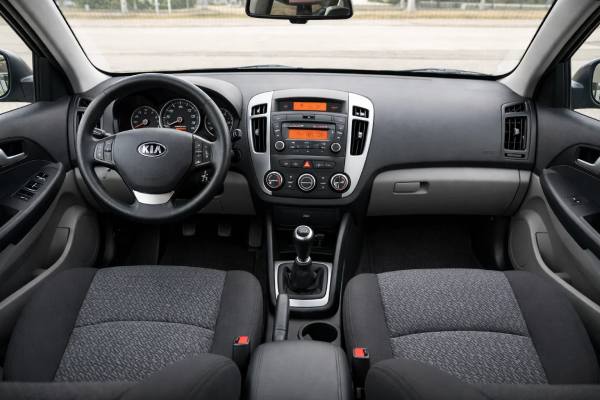
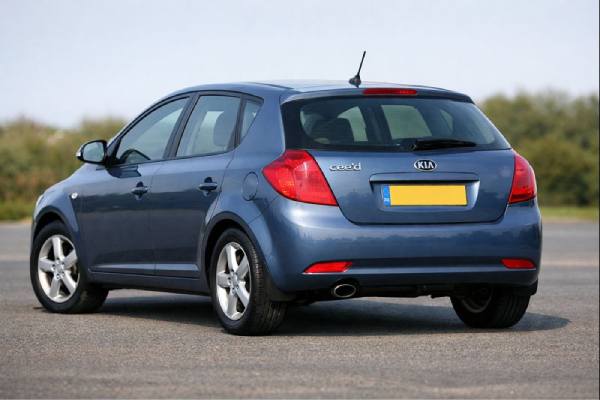
The 2007–2009 Kia Cee’d (ED) with the 1.4 CVVT (engine code G4FA) sits in a sweet spot of “simple enough to be durable” and “modern enough to feel current.” It’s a naturally aspirated, chain-driven, multi-point injected four-cylinder paired mostly with a 5-speed manual, and that combination tends to reward owners who stick to regular oil service and don’t ignore small drivability warnings.
As a used car, the Cee’d ED’s real appeal is ownership math: predictable running costs, a straightforward chassis, and solid parts availability across Europe. The trade-off is performance that’s adequate rather than quick—this engine likes revs, and the car feels best when the drivetrain is healthy and the suspension is tight. Buy well, maintain on time, and it can be an unusually sensible compact for daily use.
Owner Snapshot
- Strong value as a used daily: simple petrol engine, straightforward FWD layout, and widely available parts.
- Comfortable cabin packaging for the class, helped by a long wheelbase and practical hatchback shape.
- Best choice is usually the 5-speed manual; the automatic option (where fitted) dulls acceleration and economy.
- Ownership caveat: many “problems” start as neglected maintenance (old oil, tired coils, overdue coolant and brake fluid).
- Plan on engine oil service every 12 months or 15,000–20,000 km (market-dependent), sooner with short trips.
Navigate this guide
- Kia Cee’d ED ownership profile
- Kia Cee’d ED 1.4 technical specs
- Kia Cee’d ED trims and safety kit
- Reliability picture and common faults
- Maintenance plan and buying tips
- On-road performance and economy
- How it stacks up vs rivals
Kia Cee’d ED ownership profile
For the 2007–2009 Cee’d ED, “what you’re buying” is less about headline power and more about overall engineering balance. This generation was developed for European tastes—tight body control, honest steering, and a chassis that feels planted at motorway speeds. The hatchback’s packaging is a standout: a wheelbase that’s generous for the segment helps rear legroom, and the cargo area is square and easy to use. If your priorities are commute comfort, predictable running costs, and simple mechanicals, this is the point of the model.
The G4FA 1.4 is a naturally aspirated 16-valve with variable valve timing (CVVT). In practice, it behaves like a classic small-displacement petrol: smooth, willing, and happiest when you keep it in the mid-to-upper rev range. It won’t mask bad maintenance, though. A tired ignition system, old oil, or a sticky variable-timing control solenoid can make the car feel flat or “hesitant,” and owners sometimes misdiagnose that as an inherent weakness. When the basics are right—fresh oil, healthy plugs/coils, clean intake tract—it drives as intended.
Where the Cee’d ED often wins long-term is repairability. Most jobs are conventional: suspension wear parts are easy to replace, brakes are straightforward, and the engine bay is not overly crowded. Electronics are present but not overwhelming; many issues are basic (switchgear, sensors, wiring fatigue at hinges) rather than complex network faults.
Advantages that matter day-to-day:
- Practical ergonomics: a sensible cabin layout, good outward visibility, and usable storage.
- Stable motorway manners: the chassis feels composed at speed, especially on decent tyres.
- Ownership predictability: routine service and common wear parts are usually affordable compared with premium-badged rivals.
The key is to buy on condition, not badges. A well-maintained 1.4 can be the better choice than a higher-output trim with deferred service, tired suspension, and mismatched tyres. A thorough test drive (cold start, warm idle, steady cruise, and a full-throttle run) tells you almost everything you need to know.
Kia Cee’d ED 1.4 technical specs
This section focuses on the 2007–2009 Kia Cee’d (ED) hatchback with the G4FA 1.4 petrol rated around 109 hp. Some specifications vary by market, trim, wheels, and emissions calibration, so treat the numbers below as typical for this exact generation and engine.
Powertrain and efficiency (G4FA 1.4 CVVT)
| Item | Specification |
|---|---|
| Code | G4FA |
| Engine layout and cylinders | Inline-4, transverse front |
| Valvetrain | DOHC, 4 valves/cyl (16V) with CVVT |
| Displacement | 1.4 L (1,396 cc) |
| Induction | Naturally aspirated |
| Fuel system | Multi-point injection (MPI) |
| Max power | 109 hp (80 kW) @ ~6,200 rpm (market-dependent) |
| Max torque | ~137 Nm @ ~5,000 rpm (market-dependent) |
| Timing drive | Chain |
| Rated efficiency (typical) | ~6.0–6.8 L/100 km combined (varies by gearbox and wheels) |
| Real-world highway @ 120 km/h | commonly ~7.0–8.0 L/100 km, depending on load, tyres, and wind |
Transmission and driveline
| Item | Specification |
|---|---|
| Transmission | Mostly 5-speed manual; 4-speed automatic offered in some markets |
| Drive type | FWD |
| Differential | Open |
Chassis and dimensions (hatchback)
| Item | Specification |
|---|---|
| Suspension (front/rear) | MacPherson strut / multi-link (market-dependent details) |
| Steering | Electric or hydraulic assist depending on year/market; rack-and-pinion |
| Brakes | Front ventilated discs; rear discs or drums depending on trim/market |
| Wheels and tyres (common sizes) | 195/65 R15 or 205/55 R16 (varies by trim) |
| Length / Width / Height | ~4,235 / 1,790 / 1,480 mm |
| Wheelbase | ~2,650 mm |
| Turning circle (kerb-to-kerb) | ~10.3 m (typical) |
| Kerb weight | commonly ~1,200–1,300 kg depending on equipment |
Capacities and service-relevant data
| Item | Specification |
|---|---|
| Fuel tank (ICE) | ~53 L |
| Engine oil capacity | ~3.3 L (service fill; verify by VIN/market) |
| Oil grade (typical) | 5W-20 or 5W-30 depending on climate/spec |
| Service interval baseline | often 12 months (distance varies by market) |
Performance and capability (typical for 1.4 manual)
| Metric | Typical figure |
|---|---|
| 0–100 km/h (0–62 mph) | ~11–13 s (gearbox and trim dependent) |
| Top speed | ~185–190 km/h |
| Towing capacity | market-dependent; commonly modest for 1.4 petrol |
| Payload | market-dependent; check door-jamb plate |
How to use these numbers: for ownership decisions, the most important “spec” is the service envelope: oil capacity and oil grade, typical service distance/time, and whether the car is on smaller wheels (often better ride and lower tyre cost). If you’re comparing listings, wheel size and gearbox type can change the daily feel more than a small power difference.
Kia Cee’d ED trims and safety kit
Trims on the Cee’d ED vary widely by country, but the pattern is consistent: the core mechanical package stays similar, while equipment changes drive comfort, convenience, and sometimes braking hardware (rear discs vs drums) and wheel size. When shopping, don’t get stuck on trim names alone—verify by physical cues and the option list.
Trims and options that matter
Common equipment “steps” you’ll see across markets:
- Base / mid trims: manual air conditioning, simpler audio, cloth seats, smaller wheels, fewer cosmetic upgrades. These often ride best on rough roads and cost less to keep in tyres and suspension parts.
- Higher trims: automatic climate control, upgraded audio, steering-wheel controls, alloy wheels, fog lights, and more cabin convenience features (armrest, better seat fabrics, sometimes heated seats).
- Transmission choices: the 5-speed manual is the enthusiast and economy pick; the automatic is mainly for convenience and tends to make the 1.4 feel more strained under load.
Quick identifiers that help during inspection:
- Rear brakes: look through the wheel spokes—rear discs are easy to spot; drums hide behind a smooth drum face.
- Wheel size and tyre profile: 15-inch setups with taller sidewalls typically ride more comfortably and can be quieter.
- Cabin controls: manual HVAC uses simple rotary dials; climate control usually has a more complex panel and an “AUTO” function.
Safety ratings and what they mean on this generation
The Cee’d ED achieved a strong Euro NCAP result for its era, and it became known as one of Kia’s early “turning point” safety cars in Europe. Be aware that safety testing evolves: a five-star score in 2007 is not directly comparable to a modern five-star score under today’s protocols. Still, the fundamentals—structure, airbags, and restraint performance—are meaningful.
Safety systems and driver assistance (ADAS)
On 2007–2009 Cee’d ED models, “ADAS” in the modern sense is limited. You should expect:
- Airbags: typically front, side, and curtain airbags depending on market and trim.
- ABS and stability control: ABS is common; electronic stability control availability can vary by year/market/trim—verify on the dash or option sheet.
- ISOFIX/LATCH: rear outboard ISOFIX anchor points are typical, but labelling and accessibility vary; confirm physically if child-seat use matters.
Service implications: after any front-end work (steering, suspension, wheel bearing), insist on a proper alignment. For cars with stability control, consistent tyre sizes and similar tread depth left-to-right matter more than owners expect—mismatches can trigger traction-control intervention or odd handling in the wet.
Reliability picture and common faults
A well-kept Cee’d ED 1.4 is usually dependable, but age and deferred maintenance create repeat failure patterns. The best way to think about reliability here is “systems,” not single parts: ignition health, oil quality, cooling integrity, and suspension wear determine whether the car feels tight or tired.
Common issues (higher prevalence, usually low–medium cost)
- Ignition coils and spark plugs
Symptoms: rough idle, hesitation under load, flashing check-engine light, higher fuel use.
Likely cause: ageing coils, worn plugs, or moisture intrusion at connectors.
Remedy: replace plugs at sensible intervals, replace failed coils (often best as a matched set if multiple are weak), and ensure correct plug spec and gap. - PCV valve and intake deposits (normal for MPI engines with age)
Symptoms: uneven idle, oil seepage, occasional lean codes.
Cause: restricted crankcase ventilation and general varnish buildup.
Remedy: replace PCV valve, check for vacuum leaks, clean throttle body if needed. - Brake caliper slide pin sticking
Symptoms: uneven pad wear, hot wheel, pulling during braking.
Cause: dried grease, torn boots, corrosion.
Remedy: clean and re-grease slides with correct high-temp lubricant; replace boots/pins if pitted. - Suspension wear parts (drop links, control arm bushes, rear bushes)
Symptoms: clunks over bumps, vague steering, uneven tyre wear.
Cause: rubber ageing, pothole damage, cheap aftermarket parts.
Remedy: replace worn joints/bushes with quality parts, then align.
Occasional issues (medium cost, more diagnostic time)
- CVVT oil control valve / solenoid sticking
Symptoms: flat midrange, roughness, timing-related fault codes.
Cause: varnish from long oil intervals or wrong oil.
Remedy: oil and filter service with correct spec; replace the solenoid if codes persist. - Cooling system ageing (hoses, radiator, thermostat)
Symptoms: slow warm-up, overheating in traffic, coolant smell.
Cause: rubber and plastic ageing; neglected coolant.
Remedy: pressure test, renew weak components, flush and refill with the correct coolant type. - Electrical convenience faults (window regulators, door-lock actuators, hatch wiring)
Symptoms: intermittent locks/windows, hatch lights not working.
Cause: motor wear or wiring fatigue in flex points.
Remedy: targeted repair, avoid “shotgun” parts replacement.
Rare but costly (verify carefully)
- Oil neglect leading to timing chain wear/noise
The chain drive is generally robust, but it depends on oil quality.
Symptoms: persistent rattle on cold start, timing correlation codes.
Remedy: confirm oil history; if symptoms exist, budget for deeper inspection and possible timing components work. - Corrosion on underbody and brake lines in salted climates
Symptoms: flaky subframes, seized fasteners, brake line corrosion.
Remedy: inspect on a lift; prioritize structural and braking safety over cosmetic repairs.
Recalls, TSBs, and how to verify
For a car of this age, don’t rely on hearsay. Use an official VIN-based recall check (and dealer service history) to confirm all safety actions are completed. If a seller cannot demonstrate recall completion, treat it as a negotiation point or walk away—especially for safety-critical items.
Maintenance plan and buying tips
The Cee’d ED 1.4 rewards “boring maintenance done on time.” If you want it to last, the key is not exotic upgrades—it’s clean oil, correct fluids, and regular inspections. Below is a practical schedule that fits real-world use.
Practical maintenance schedule (distance or time, whichever comes first)
Every 10,000–15,000 km or 12 months (baseline varies by market):
- Engine oil and filter (use the correct specification and viscosity for your climate).
- Inspect for oil leaks, coolant seepage, and belt condition.
- Inspect brakes (pad thickness, disc condition, caliper slide movement).
- Tyre rotation and pressure check; inspect for uneven wear.
Every 20,000–30,000 km or 24 months:
- Engine air filter (sooner in dusty areas).
- Cabin filter (often yearly if you want good HVAC performance).
- Brake fluid replacement (a strict 24-month interval is a good rule for safety and pedal feel).
Every 60,000–100,000 km (depending on plug type and market spec):
- Spark plugs (confirm whether your car uses long-life plugs; replace earlier if misfires appear).
- Inspect ignition coils and wiring condition.
Every 4–5 years (or per official spec):
- Coolant replacement (use the correct coolant type and mix ratio).
- Inspect radiator, thermostat operation, and all hoses.
Transmission and driveline:
- Manual gearbox oil: consider a service at higher mileage if shift quality degrades or history is unknown.
- Automatic transmission fluid (if fitted): service is strongly recommended on older units even if the original schedule is vague—fluid condition matters.
Chassis:
- Wheel alignment: after any suspension work, or if tyre wear is uneven.
- Check bushings, drop links, and ball joints annually on rough roads.
12 V battery:
- Test annually after year 5; replace preventatively if cranking slows in cold weather.
Fluids and service capacities (decision-level guidance)
| Item | Typical guidance (verify by VIN/market) |
|---|---|
| Engine oil | Often 5W-20 or 5W-30; capacity around 3.3 L |
| Coolant | Ethylene-glycol based; correct spec varies by market |
| Brake fluid | DOT 3/4 depending on system; replace every 2 years |
| A/C refrigerant | Type and charge vary; check under-hood label |
Key torque specs (typical ranges; verify before tightening)
| Fastener | Typical range |
|---|---|
| Wheel lug nuts | ~90–110 Nm |
| Engine oil drain plug | ~30–40 Nm |
| Spark plugs | ~20–25 Nm (use correct procedure for plug type) |
Buyer’s guide: what to check before you pay
- Cold start and idle quality: listen for sustained timing noise; watch for misfire shakes.
- Full-throttle pull in 2nd/3rd: should be clean and consistent; hesitation often points to ignition or airflow issues.
- Cooling system: confirm stable temperature in traffic; check for coolant smell and damp hose joints.
- Brakes: straight stops, no vibration; check for dragging calipers.
- Suspension: clunks over sharp bumps are common if drop links or bushes are tired.
- Underbody: check for corrosion hotspots, especially on brake lines and subframes in salted regions.
- Paperwork: demand service records and recall completion proof.
Long-term durability outlook: with regular oil service and attention to chassis wear parts, this model can age gracefully. Most “big bills” come from corrosion, neglected fluids, or repeated driving with misfires and warning lights.
On-road performance and economy
With 109 hp, the Cee’d ED 1.4 is best understood as a momentum car. It’s competent in daily traffic, but it delivers its performance through revs rather than low-end shove. If you drive it like a small naturally aspirated petrol—smooth throttle, early downshifts when needed—it feels responsive enough. If you expect turbo-like torque at 2,000 rpm, it will feel slower than the badge suggests.
Ride, handling, and NVH
The chassis is one of the car’s strengths. Straight-line stability is typically confident for the class, and the car feels secure on motorways. Around town, the ride quality depends heavily on wheel size and tyre choice:
- 15-inch wheels with taller tyres usually deliver the most comfort and the least impact harshness.
- 16-inch (or larger) wheels sharpen turn-in but can add noise and transmit pothole impacts.
Noise, vibration, and harshness (NVH) is generally reasonable, but ageing can change the character. Worn engine mounts, cupped tyres, and tired suspension bushes can turn a calm hatchback into a noisy one. The good news: these are solvable problems if you diagnose them systematically.
Powertrain character (manual vs automatic)
- 5-speed manual: the best match for the 1.4. It keeps the engine in its useful band and usually feels more alert. Clutch take-up should be smooth; a high bite point can mean wear.
- Automatic (where fitted): prioritizes smoothness over response. With this engine, it can feel reluctant on hills or during overtakes and may use noticeably more fuel.
Real-world efficiency
Expect economy to vary more with speed and tyre choice than many owners anticipate. Typical patterns:
- City: frequent cold starts and short trips can push consumption into the 7.5–9.0 L/100 km range.
- Highway (100–120 km/h): commonly around 7.0–8.0 L/100 km depending on wind, load, and gearing.
- Mixed driving: often 6.5–7.5 L/100 km when the car is healthy and tyres are properly inflated.
Cold weather will raise consumption, especially on short trips, because the engine spends more time warming up and the cabin heater demand is higher.
Selective performance metrics that matter
For most buyers, the key metric is safe overtaking, not 0–100. The 1.4 can overtake safely, but you’ll do it with planning: downshift early and use the upper rev range. If you test drive one and it feels unusually flat even when revved, assume a maintenance or sensor issue until proven otherwise.
How it stacks up vs rivals
In the late-2000s European C-segment, the Cee’d ED competed with some excellent cars. The right comparison isn’t “which is best,” but “which best matches your ownership priorities.”
Versus Volkswagen Golf (Mk5 era)
- Golf advantages: more premium cabin feel in many trims, strong resale, broad engine range.
- Cee’d advantages: often better value used, simpler ownership math on the 1.4 MPI, and commonly lower parts costs.
- Decision tip: if you want “bank vault” refinement, the Golf can win; if you want predictable running costs, the Cee’d often makes more sense.
Versus Ford Focus (Mk2 era)
- Focus advantages: excellent steering feel and chassis balance, wide parts availability.
- Cee’d advantages: often calmer motorway feel and a “less fussy” ownership experience in basic petrol form.
- Decision tip: choose Focus for driver engagement; choose Cee’d for a calmer, practical daily.
Versus Opel/Vauxhall Astra (H era)
- Astra advantages: strong highway stability and many trim variants.
- Cee’d advantages: typically straightforward servicing and good packaging.
- Decision tip: buy on condition—both can be great, both can be tired at this age.
Versus Toyota Auris (first generation)
- Auris advantages: reputation for reliability and consistent build quality.
- Cee’d advantages: often cheaper to buy like-for-like and can feel more “European” in ride and control.
- Decision tip: Auris is the conservative reliability pick; Cee’d can be the value pick if service history is strong.
Bottom line: the Cee’d ED 1.4 is most compelling when you want a sensible, comfortable compact and you’re willing to be disciplined about maintenance. It may not be the fastest choice, but it’s often one of the more rational ones.
References
- Kia Ceed instruktionsböcker | Kia Sweden 2022 (Owner’s Manual)
- Engine Oil Grades and Capacities 2023 (Service Information)
- Kia Service Intervals 2023 (Service Intervals)
- Check if a vehicle, part or accessory has been recalled – GOV.UK 2026 (Recall Database)
- Kia cee’d wins 5-Star Euro NCAP safety rating 2007 (Safety Rating)
Disclaimer
This article is for informational purposes only and is not a substitute for professional inspection, diagnosis, or repair. Specifications, torque values, service intervals, and procedures can vary by VIN, market, model year, and installed equipment—always verify details using official owner and service documentation for your exact vehicle.
If you found this guide useful, consider sharing it on Facebook, X (Twitter), or your favorite forum to help others maintain their cars responsibly.