
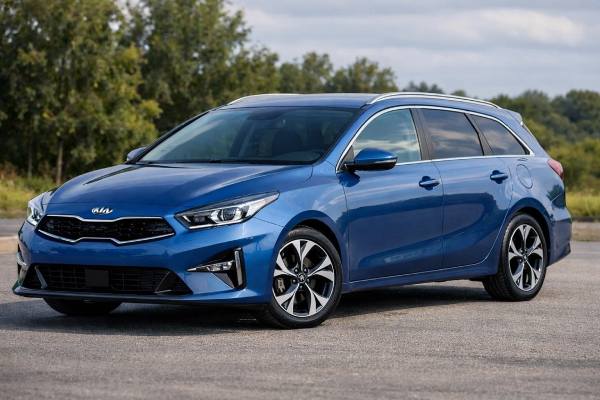
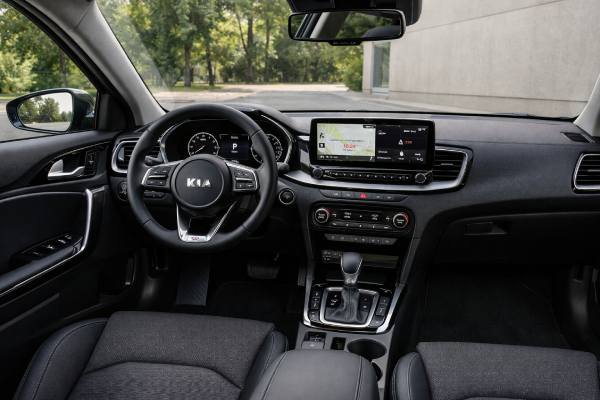
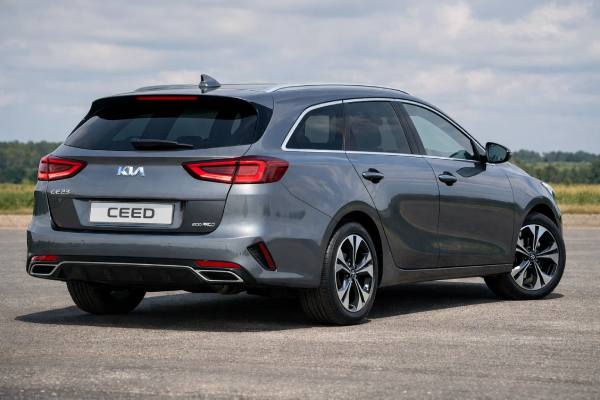
The facelifted Kia Ceed Sportswagon (CD) with the 1.0 T-GDi (118 hp) is an estate that focuses on sensible engineering: a small, turbocharged three-cylinder paired with a practical body, modern driver assists, and low day-to-day running costs when maintained correctly. The core appeal is how the car spreads its capability—quiet cruising, usable torque for city driving, and genuinely large cargo volume—without forcing you into a heavier, thirstier powertrain.
For owners, the important details are not just the headline power figure but the operating style that keeps this engine healthy: clean oil of the correct specification, warm-up habits that reduce turbo stress, and attention to the intake and emissions hardware that any direct-injection turbo relies on. If you choose the right gearbox and trim for your usage, the 1.0 T-GDi Sportswagon can be a long-term, low-drama family hauler.
What to Know
- Strong space efficiency: estate cargo practicality without SUV fuel use or tyre costs.
- Responsive low-rpm torque for everyday driving; feels more flexible than the power number suggests.
- Typically good equipment value, especially when key ADAS features are included.
- Ownership caveat: direct-injection turbo engines reward shorter oil intervals and correct oil spec.
- Plan an engine-oil service about every 15,000 km (or 12 months) unless your market schedule differs.
Start here
- Kia Ceed Sportswagon 1.0 T-GDi in depth
- Kia Ceed Sportswagon specs and measurements
- Kia Ceed Sportswagon trims and driver aids
- Reliability patterns and known trouble spots
- Maintenance plan and smart buying tips
- Real-world driving and efficiency
- How it stacks up against estate rivals
Kia Ceed Sportswagon 1.0 T-GDi in depth
In the 2021–2026 facelift era, the Ceed Sportswagon keeps the same basic CD platform strengths—stable highway manners, predictable front-drive handling, and an interior designed around daily usability—while improving infotainment, lighting, and safety tech availability. The 1.0 T-GDi (118 hp) sits at the “sweet spot” for buyers who want the estate body without paying the weight and fuel penalty of larger engines. With a turbocharger providing strong mid-range pull, it behaves like a bigger naturally aspirated engine in normal traffic, especially when you keep it in the torque band rather than chasing redline power.
This powertrain is best understood as a system: direct injection (DI) supports efficiency and knock control, the small displacement reduces pumping losses, and the turbo restores torque when needed. That combination works well in mixed European driving, but it also means the engine depends on clean oil, good crankcase ventilation, and a healthy ignition system. Short-trip city use is still fine—this isn’t a fragile engine—but it can shift the maintenance priorities: oil quality matters more, and intake deposits (a known DI characteristic) become a longer-term consideration.
As an estate, the Sportswagon is the practical core of the Ceed family. The extra rear overhang is used effectively: loading height stays sensible, the cargo bay is wide and square, and the rear seats fold into a long, flat space suited to bikes, flat-pack furniture, and family travel gear. Importantly, the car does this without SUV-like ride height or body roll. It remains a car-like wagon with predictable grip and an easy footprint in tight parking.
Ownership traits that tend to decide satisfaction are (1) the gearbox you choose, (2) your typical trip length, and (3) your expectation of performance under load. The 6-speed manual is usually the simplest long-term choice. The 7-speed dual-clutch (where fitted) drives more smoothly than older small-car DCTs when used correctly, but it dislikes constant creeping and aggressive low-speed clutch slipping—typical in heavy stop-start commuting. If you do a lot of city crawling, a manual (or careful DCT driving habits) often produces the best durability story.
Kia Ceed Sportswagon specs and measurements
Specs can vary slightly by market, emissions calibration, and wheel/tyre package, but the figures below describe the typical 2021–2026 facelift Ceed Sportswagon (CD) with the 1.0 T-GDi 118 hp tune.
Powertrain and efficiency (typical)
| Item | Specification |
|---|---|
| Engine family | Kappa II 1.0 T-GDi |
| Layout | Inline-3, DOHC, 4 valves/cyl |
| Displacement | 1.0 L (998 cc) |
| Induction | Turbocharged, intercooled |
| Fuel system | Direct injection (DI) |
| Compression ratio (typical) | ~10.5:1 |
| Max power | 118 hp (88 kW) @ ~6,000 rpm |
| Max torque (typical) | ~172 Nm (127 lb-ft) @ ~1,500–4,000 rpm |
| Timing drive | Chain |
| Emissions class (EU typical) | Euro 6d |
Rated fuel economy (market dependent)
WLTP combined commonly falls in the ~5.2–6.4 L/100 km range depending on wheels, gearbox, and trim. Real life is usually more sensitive to speed and temperature than many owners expect from a small turbo.
Transmission and driveline
| Item | Specification |
|---|---|
| Drive type | FWD |
| Manual option | 6-speed manual (common) |
| Automatic option (where fitted) | 7-speed dual-clutch (DCT) |
| Differential | Open |
Chassis and dimensions (Sportswagon body)
| Item | Specification |
|---|---|
| Suspension (front/rear) | MacPherson strut / multi-link (typical for Ceed) |
| Steering | Electric power steering |
| Brakes (typical) | 4-wheel discs (sizes vary by trim) |
| Popular tyre size | 205/55 R16 or 225/45 R17 (market dependent) |
| Length / Width / Height | ~4,600 / 1,800 / 1,465 mm (181.1 / 70.9 / 57.7 in) |
| Wheelbase | ~2,650 mm (104.3 in) |
| Ground clearance (typical) | ~140 mm (5.5 in) |
| Turning circle (typical) | ~10.6 m (34.8 ft) |
| Fuel tank | ~50 L (13.2 US gal / 11.0 UK gal) |
| Cargo volume (VDA typical) | ~625 L seats up / ~1,694 L seats down |
Performance and capability (typical range)
| Metric | Typical |
|---|---|
| 0–100 km/h (0–62 mph) | ~11.0–12.0 s (trim/gearbox dependent) |
| Top speed | ~190–197 km/h (118–122 mph) |
| Towing (where rated) | often ~1,000–1,200 kg braked / ~600 kg unbraked |
| Payload | varies widely by trim; check door-jamb sticker |
Fluids and service capacities (common values)
| Fluid | Spec and capacity (typical) |
|---|---|
| Engine oil | ACEA C2 / API SN Plus class oils; ~3.6 L (check dipstick after fill) |
| Coolant | Ethylene glycol long-life coolant; capacity varies (~6–7 L typical) |
| A/C refrigerant | Type and charge vary by equipment; verify under-hood label |
Safety and driver assistance (overview)
| Item | Notes |
|---|---|
| Euro NCAP | Ceed family tested in 2019; star rating depends on safety pack/equipment |
| Core systems | ESC, ABS, multiple airbags, ISOFIX/LATCH outer rear seats |
| ADAS (varies) | AEB, lane support, driver attention warning, ACC on higher trims |
Kia Ceed Sportswagon trims and driver aids
Trim names vary by country, but most markets structure the Ceed Sportswagon range around a few consistent themes: a value-focused entry grade, a comfort/tech mid-grade, and a sport-styled upper grade (often a GT-Line look rather than a true performance model). For the 1.0 T-GDi 118 hp, the most meaningful trim differences are rarely “speed” related; they are about wheels/tyres, lighting, seats, and which driver assists are standard versus part of a package.
Common trim identifiers (quick checks)
You can often spot higher trims by their lighting and cabin cues: LED headlamps (sometimes with a distinct DRL signature), larger alloy wheels, dual-zone climate panel, and a larger infotainment screen. Inside, look for upgraded seat upholstery, heated steering wheel availability, and added USB ports or rear vents. The easiest mechanical identifier is usually the wheel and brake package: larger wheels may bring slightly firmer ride and a little more road noise, but they can also improve steering response.
Option packages that matter for ownership
If you are choosing between otherwise similar cars, prioritize packages that deliver real daily value:
- Safety/ADAS pack (often includes additional AEB functions, blind-spot monitoring, rear cross-traffic alert, and adaptive cruise control).
- Winter pack (heated seats/steering wheel, sometimes headlamp washers).
- Tech/infotainment pack (navigation, premium audio, connected services; check subscription rules in your market).
Be cautious with “big wheel” upgrades if your roads are rough. The Sportswagon is already stable; larger wheels mainly trade comfort for sharper initial response and styling. On a small turbo estate, the best long-term comfort-cost balance often sits with 16- or 17-inch tyres rather than the largest wheel option.
Safety ratings and what they really mean
The Ceed family’s Euro NCAP results are widely referenced, but owners should understand the fine print: crash performance can be tested with different equipment levels, and the presence of a safety pack can change the star rating outcome. When reading a used listing, check whether the car actually has the features tied to the better rating (for example, certain AEB functions or lane support features). In practical terms, the underlying structure is solid; the difference is often how well the car avoids or mitigates a crash.
ADAS and calibration realities
Modern driver assists rely on cameras and radar (depending on spec). After a windshield replacement, front-end repair, wheel alignment, or even certain suspension work, the system may require calibration. If the seller cannot show evidence of correct calibration after repairs, plan to have it checked—especially for AEB and lane functions. A test drive should include a basic check: confirm lane markings are detected consistently on a clear road, and confirm no persistent ADAS warning lights remain after startup.
Reliability patterns and known trouble spots
Most Ceed Sportswagon owners experience the 1.0 T-GDi as a dependable daily engine, but its reliability profile is typical of modern small turbo DI cars: it is robust when serviced on time, and it becomes expensive mainly when maintenance is stretched or when the car lives a hard “short-trip only” life. The best way to think about issues is by prevalence and by cost tier.
Common (usually low to medium cost)
- Ignition coils and spark plugs: Symptoms include misfire under load, rough idle, and a flashing MIL under acceleration. Root cause is often coil weakening or plugs past their best. Remedy is replacing coils (often one fails first) and fitting correct-heat-range plugs.
- Carbon build-up (direct injection trait): Gradual loss of crisp throttle response, occasional cold stumble, or reduced fuel economy over time. Root cause is intake valve deposits because fuel no longer washes the valves. Remedy is driving pattern changes (regular hot runs), high-quality oil, and—if needed—professional intake cleaning (walnut blasting where available).
- PCV/breather and vacuum leaks: Whistling, idle instability, or oil misting. Remedy is inspection of hoses, PCV valve operation, and sealing surfaces.
Occasional (medium cost, sometimes drivability-related)
- Turbo control/wastegate rattle or boost regulation faults: You might hear a rattle on overrun or see reduced boost with a fault code. Root cause can be actuator wear, linkage play, or sensor issues. Remedy ranges from actuator service to turbo replacement in severe cases.
- Cooling system seepage: Slow coolant loss without obvious puddles. Root cause is often a hose clamp, radiator seam, or water pump seep. Remedy is pressure testing and targeted repair early—small leaks become overheating risks if ignored.
Rare but expensive (high cost tier)
- Severe detonation events from wrong fuel/oil or neglected service: Modern turbo DI engines depend on correct octane and oil spec. Persistent knock, heavy oil dilution, or sludge can create a cascade of failures. Remedy is prevention: correct oil, correct interval, and avoiding repeated short runs without full warm-up.
Transmission-related considerations
Manual gearboxes are generally straightforward. The 7-speed DCT (where fitted) can be very good, but it does not like prolonged creeping, hill-holding with throttle, or repeated “parking lot inching” without pauses. Symptoms of a DCT that is getting unhappy include shudder during take-off, inconsistent engagement, or overheating warnings in extreme cases. Remedy may be software updates, clutch adaptation, or in worst cases clutch pack/actuator work.
Recalls, TSBs, and service actions
Rather than guessing, treat recall status as a required check. Always verify completion by VIN with official channels and keep printed proof with your service records. If the car has had infotainment, ECU, or ADAS updates, keep those invoices too—software can meaningfully change drivability and fault behavior.
Maintenance plan and smart buying tips
A good maintenance plan for the 1.0 T-GDi Sportswagon is about consistency and using the correct specifications. If you do that, the engine’s “small turbo” nature stops being a worry and becomes a benefit.
Practical maintenance schedule (typical, adjust to your market)
- Engine oil and filter: every 15,000 km or 12 months (many owners who do short trips choose 10,000–12,000 km for extra margin). Use the correct ACEA/API grade and viscosity listed for your climate and market.
- Engine air filter: inspect every service; replace about 30,000 km (sooner in dusty areas).
- Cabin filter: every 15,000–30,000 km or yearly if you have allergies.
- Spark plugs: commonly 60,000 km (verify exact plug type; direct-injection turbo plugs are not generic).
- Coolant: long-life coolant intervals vary; many owners plan an inspection annually and a change around 5 years / 100,000–150,000 km depending on spec.
- Brake fluid: every 2 years is a sensible baseline.
- Brake pads/rotors: inspect at each tyre rotation; replace by wear, not mileage.
- Tyre rotation and alignment: rotate every 10,000–12,000 km; check alignment any time tyres wear unevenly or after pothole impacts.
- 12 V battery: test annually after year 3; replacement is often needed in the 4–6 year window depending on usage.
Fluid specifications and “decision” capacities (quick reference)
- Engine oil: use the correct ACEA/API level; typical fill is ~3.6 L then top to dipstick mark after a short run and settle.
- Manual gearbox oil: specification and capacity vary by gearbox variant; change is often “inspection-based” unless you keep the car long term (many owners refresh around 100,000–120,000 km).
- DCT fluid: follow the exact gearbox schedule—some units have specific service requirements, and incorrect fluid is costly.
Essential torque values (common decision points)
Values can vary by wheel and engine variant, so treat these as typical ranges and verify for your VIN:
- Wheel nuts: ~88–108 Nm (65–80 lb-ft)
- Spark plugs: ~20–25 Nm (15–18 lb-ft)
- Oil drain plug: commonly ~30–35 Nm (22–26 lb-ft)
Buyer’s guide: what to check before purchase
- Service evidence: look for oil services at least annually with the correct oil spec noted.
- Cold start behavior: listen for persistent timing chain rattle beyond the initial second, rough idle, or misfires.
- Boost response: on a warm test drive, moderate acceleration should feel smooth and consistent; hesitation can indicate boost leaks or ignition issues.
- DCT behavior (if equipped): check for shudder during gentle take-off and for any warning messages in slow traffic simulation.
- Cooling system: inspect coolant level consistency and check for dried residue around hose joints.
- ADAS operation: confirm no warning lights and that lane and AEB systems initialize correctly.
- Undercarriage and corrosion: inspect subframes, suspension arms, and brake lines—especially on cars used in salted winter regions.
Durability outlook
With correct servicing and reasonable warm-up habits, this model tends to age well. The big differentiator is usage pattern: frequent long runs are easy on the engine; repeated short trips increase oil contamination and deposit formation, so they benefit from shorter oil intervals.
Real-world driving and efficiency
The 1.0 T-GDi Sportswagon is a good example of how modern small engines can feel “right sized” in normal use. Around town, the engine’s turbo torque arrives early, so you do not need to rev it hard to keep pace with traffic. Throttle response is typically clean once rolling, and the car feels lighter on its feet than many compact SUVs with similar interior space. The estate body does not make it feel unwieldy; the wheelbase and steering tuning deliver stable straight-line tracking, and the rear remains planted over highway undulations.
Ride, handling, and NVH
With 16-inch tyres, the Sportswagon usually rides with a composed, mature feel—firm enough to control body movement, but not harsh. Move to larger wheels and you’ll feel sharper impacts and more tyre noise on coarse surfaces. Wind noise is generally controlled, and at steady speeds the engine fades into the background; the main NVH difference versus larger engines is that a three-cylinder can sound busier when you ask for full load at low rpm. The best technique is to downshift earlier rather than lug the engine.
Powertrain character
Turbo lag is modest, but you can feel a brief pause if you roll on from very low rpm in a high gear. Keep it in the mid-range and it responds briskly. The manual gearbox suits this engine well: you can choose the gear that keeps boost available without forcing constant high revs. If you have the DCT, it usually delivers smooth upshifts, but low-speed behavior depends on how gently you drive—smooth throttle inputs reduce clutch heat and wear.
Real-world fuel use
Small turbo engines are efficient when lightly loaded, but they can consume more than expected at high speed or when climbing long grades with a full load. Typical real-world ranges many owners see:
- City: ~6.5–8.0 L/100 km (36–29 mpg US / 43–35 mpg UK) depending on traffic and temperature.
- Highway at 100–120 km/h: often ~6.0–7.2 L/100 km (39–33 mpg US / 47–39 mpg UK).
- Mixed: commonly ~6.0–7.0 L/100 km (39–34 mpg US / 47–40 mpg UK).
Cold weather can increase consumption significantly due to richer warm-up fueling and cabin heating demand. If your usage is mainly short trips, expect the “small engine advantage” to shrink unless you manage warm-up time and service intervals carefully.
Load and towing notes
With passengers and luggage, the Sportswagon remains stable, but you will feel the need for earlier downshifts on hills. If you tow (within the car’s rating), plan for a noticeable consumption increase and pay extra attention to oil changes and cooling system health.
How it stacks up against estate rivals
In the compact estate class, the Ceed Sportswagon 1.0 T-GDi competes less on outright performance and more on “total ownership shape”: space, equipment value, and predictable running costs. The best comparisons are other mainstream compact estates with small turbo petrol engines.
Against Volkswagen Golf Variant and Škoda Octavia Combi (small turbo petrols)
The VW/Škoda options often feel a touch more refined in powertrain smoothness and may offer broader engine choices. However, the Ceed Sportswagon frequently wins on equipment for the money—especially if your target spec includes strong infotainment and a full ADAS suite. The Kia’s cabin ergonomics are usually straightforward, and the wagon cargo space is genuinely competitive in daily use.
Against Ford Focus Estate (EcoBoost equivalents)
The Focus estate tends to be the driver’s pick: sharp steering, agile chassis balance, and an engaging feel. The Ceed Sportswagon is usually more “calm and tidy” than sporty, with stable highway manners and a controlled ride. If you value relaxed commuting, low-effort controls, and a practical interior layout, Kia’s approach can be the better fit.
Against Hyundai i30 Wagon (powertrain cousin)
This is a close cousin in philosophy and often in mechanical layout. Differences come down to tuning, design, and equipment packaging. Cross-shopping these two is smart: choose based on your preferred cabin layout, warranty terms in your market, and which trim gives you the safety tech you want without oversized wheels.
Against compact SUVs (the alternative many buyers consider)
The Ceed Sportswagon’s big advantage is efficiency and stability. You usually get similar usable cargo volume with lower aerodynamic drag, lower centre of gravity, and often cheaper tyres and brakes over time. Unless you truly need extra ground clearance, the estate format remains one of the most rational answers for family space.
Bottom line
Choose the Ceed Sportswagon 1.0 T-GDi if you want a balanced estate that rewards sensible maintenance and delivers strong everyday usability. If your life is constant stop-start traffic and you insist on an automatic, be extra picky about DCT condition and service history—or consider a powertrain/gearbox combination that better matches your commute.
References
- Engine Oil Grades and Capacities 2023 (Service Maintenance PDF)
- 7.2 Kia Service Intervals V25.12.xlsx 2026 (Service Intervals PDF)
- Official Kia Cee’d 2019 safety rating 2019 (Safety Rating)
- Car Safety Recalls | What They Are & What To Do | Kia UK 2025 (Recall Guidance)
- Check if a vehicle, part or accessory has been recalled – GOV.UK 2026 (Recall Database)
Disclaimer
This article is for informational purposes only and is not a substitute for professional diagnosis, inspection, or repair. Specifications, torque values, fluid capacities, service intervals, and procedures can vary by VIN, market, drivetrain, and installed equipment. Always verify details using your vehicle’s official owner’s manual and service documentation, and consult a qualified technician for safety-critical work.
If you found this guide useful, please consider sharing it on Facebook, X (Twitter), or your preferred platform to support our work.