
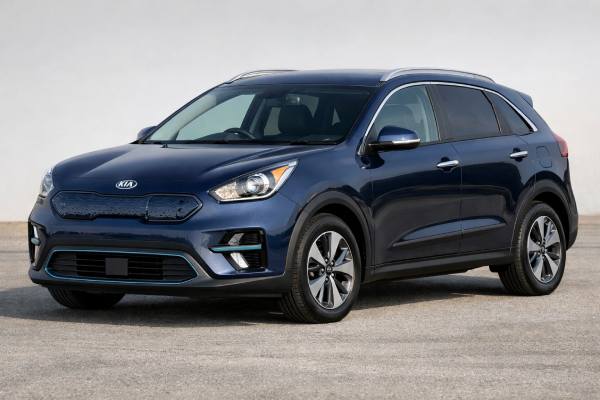
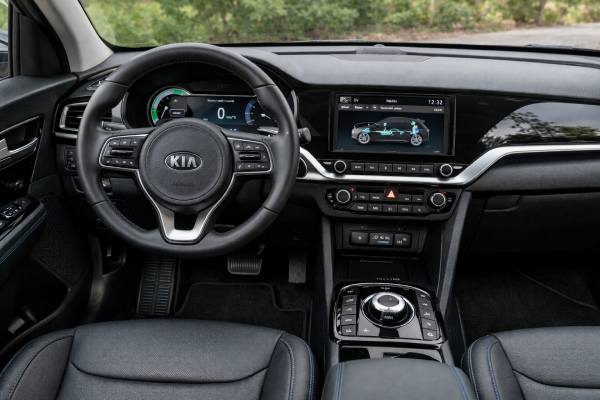
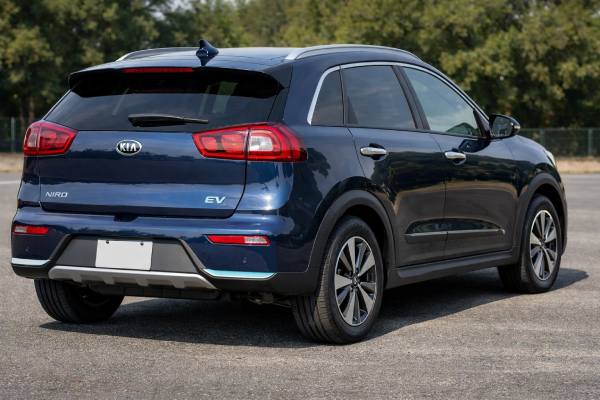
The 2018–2019 Kia Niro EV (DE) with the 100 kW permanent-magnet motor is the “mid-range” e-Niro variant: a practical crossover body, a compact battery, and a powertrain tuned for smooth, repeatable everyday driving rather than outright speed. Where it stands out is the balance between efficiency, usable cabin space, and predictable handling from a low-mounted pack. It’s also a straightforward EV to own if you keep expectations aligned: DC fast charging is adequate for occasional trips but not a standout, and the car’s long-term feel depends more on software health, brake hardware condition (regen can hide corrosion), and drivetrain noise checks than on traditional engine wear items.
This guide focuses on real ownership details—what matters in daily use, what to inspect, and how to maintain it for the long haul.
Owner Snapshot
- Efficient at moderate speeds, with strong low-speed torque and easy urban drivability.
- Practical packaging for a compact crossover: good rear-seat usability and a genuinely useful cargo area.
- Predictable performance: quick enough for merging, calm at highway pace, and generally quiet.
- Caveat: watch for drive-unit rumble or vibration at low speeds; it can point to reduction-gear or motor issues.
- Typical interval: replace the motor/inverter coolant every 60,000 km or 36 months.
Explore the sections
- Kia Niro EV DE ownership essentials
- Kia Niro EV DE specs and dimensions
- Kia Niro EV DE trims and safety tech
- Reliability and common problems
- Maintenance plan and buying advice
- Real range and driving feel
- Rivals and real-world alternatives
Kia Niro EV DE ownership essentials
Think of this Niro EV as an “everyday efficiency” EV in a practical shell. The 100 kW front motor delivers immediate torque in a way that makes city driving feel effortless—small throttle inputs move the car cleanly, and you rarely need to “rev” anything to get a response. The trade is that the car’s character is tuned for smoothness, not drama: it’s brisk, not sporty, and it rewards steady driving with low consumption.
Packaging is one of the best reasons to choose it. Unlike many small EV hatchbacks from the same era, the Niro EV gives you a more upright seating position, easier entry/exit, and a cargo area that can handle real life—strollers, airport bags, weekly shopping—without a puzzle game. That matters more than spec-sheet acceleration once you live with it.
Ownership is also different from a newer fast-charging EV. The car can do road trips, but you plan them more deliberately: DC charging power is modest, so you’ll feel the difference between “I can add 200 km quickly” and “I can top up enough to continue.” If your use is mostly commuting, school runs, and regional driving with home charging, that limitation fades into the background.
A practical way to judge whether this is your kind of EV:
- Home charging available: the car becomes simple and cheap to operate.
- Mostly moderate-speed driving: you’ll see its best efficiency.
- You value calm, predictable behavior: it feels stable and familiar, especially compared with some shorter-wheelbase EVs.
What tends to disappoint owners is expecting it to behave like a newer 150–250 kW EV on long highway legs. If that’s your priority, you’ll be happier with something built around higher sustained DC charging and preconditioning logic.
Kia Niro EV DE specs and dimensions
Powertrain, battery, and efficiency
| Spec | Value |
|---|---|
| Motor type | Permanent Magnet Synchronous Motor (PMSM) |
| Motor count and axle | Single motor, front axle |
| Max power | 134 hp (100 kW) |
| Max torque | 395 Nm (291 lb-ft) |
| System voltage | 327 V |
| Battery chemistry | Lithium-ion polymer |
| Traction battery usable capacity | 39.2 kWh |
| Rated efficiency | 15.3 kWh/100 km (246 Wh/mi) |
| Rated range | 289 km (180 mi) |
| Real-world highway @ 120 km/h (75 mph) | 21.6 kWh/100 km (348 Wh/mi) — 181 km (112 mi) |
Driveline and charging
| Spec | Value |
|---|---|
| Transmission / drive unit | Single-speed reduction gear |
| Drive type | FWD |
| Charging connector (AC) | Type 2 |
| Charging connector (DC) | CCS (Combo 2) |
| Charging port location | Front, center |
| Onboard charger (AC) | 7.2 kW |
| DC fast-charge peak | 44 kW |
| Average DC power (10–80%) | 37 kW |
| Replenishment time (DC) | 10–80%: 47 min |
| Replenishment time (AC) | 0–100%: 6h 30m |
| Battery preconditioning for DC charging | Not available |
Performance and capability
| Spec | Value |
|---|---|
| Acceleration 0–100 km/h (0–62 mph) | 9.8 s |
| Top speed | 155 km/h (96 mph) |
| Towing capacity | 600 kg (1,323 lb) — braked |
| Towing capacity | 300 kg (661 lb) — unbraked |
| Vertical load (towball) | 100 kg (220 lb) |
Chassis, dimensions, and weights
| Spec | Value |
|---|---|
| Length | 4,355 mm (171.5 in) |
| Width | 1,805 mm (71.1 in) |
| Height | 1,545–1,560 mm (60.8–61.4 in) |
| Wheelbase | 2,700 mm (106.3 in) |
| Ground clearance | 160 mm (6.3 in) |
| Kerb (curb) weight | 1,510 kg (3,329 lb) |
| GVWR | 2,080 kg (4,586 lb) |
| Cargo volume (seats up / seats down) | 451 L (15.9 ft³) / 1,405 L (49.6 ft³) — VDA |
Safety and driver assistance
| Spec | Value |
|---|---|
| Euro NCAP overall rating | 5 stars |
| Euro NCAP adult occupant | 91% |
| Euro NCAP child occupant | 80% |
| Euro NCAP vulnerable road users | 70% |
| Euro NCAP safety assist | 81% |
Fluids, service, and torque specs
| Spec | Value |
|---|---|
| Motor / reduction gear connecting bolts | 89.3–97.1 Nm (65.8–71.6 lb-ft) |
| Motor / inverter coolant replacement interval | 60,000 km or 36 months |
Kia Niro EV DE trims and safety tech
For the 2018–2019 Niro EV (DE) in Europe, trim naming varies by market, but the equipment strategy is fairly consistent: one core powertrain with “comfort” and “tech” layers stacked above it. The most important takeaway for used buyers is that options can change the ownership experience more than the motor does, especially around driver assistance, headlights, and cabin comfort.
Trims and option patterns that matter
Common differences you’ll see across markets:
- Wheels and tires: EV-only wheel designs and sizes can shift ride comfort and road noise more than people expect. Smaller wheels usually ride better and protect range in winter.
- Headlights: some versions have more capable headlight units, and that can be a real safety upgrade on dark rural roads.
- Cabin heating equipment: the presence or absence of more efficient heating hardware affects winter comfort and winter consumption. If a car struggles to demist quickly or loses range sharply in cold weather, you’ll feel it daily.
- Infotainment and connectivity: navigation and telematics features can matter if you rely on built-in route planning, but on these early cars many owners simply use phone-based navigation.
Quick identifiers when shopping
- Wheel size and design can hint at the trim tier.
- Look for ADAS buttons and steering-wheel controls that indicate lane and cruise functions.
- Check for parking sensors and camera presence (and test them—faults can be expensive and annoying).
- If possible, use the vehicle’s build information (dealer printout or VIN equipment list) to confirm whether ADAS packs were fitted from factory.
Safety ratings in context
The Niro’s Euro NCAP result is strong for its class, but remember what a rating means: it reflects the tested configuration and the test protocol of its year. The same body structure can behave differently in real life depending on tires, brake condition, and the calibration state of safety systems. As a buyer, treat the rating as reassurance about the platform’s baseline competence, not a substitute for inspection.
Driver assistance and calibration reality
You’ll typically encounter features such as:
- Autonomous emergency braking (AEB)
- Lane departure warning / lane keeping support (depending on pack)
- Adaptive cruise control (often tied to higher trims or safety packs)
- Blind-spot monitoring and rear cross-traffic alert (usually optioned)
A practical ownership note: if the car has camera/radar-based assistance, windshield replacement, front-end repairs, and alignment changes can require calibration. A car that “drifts” within the lane or throws intermittent camera warnings may simply need correct alignment, a clean camera area, or calibration after body work—so check for repair history and verify everything works on a test drive.
Reliability and common problems
This Niro EV is generally a solid platform, but EV reliability is shaped less by “engine wear” and more by drivetrain noise behavior, charging hardware health, cooling system integrity, and software stability. A good way to think about it is: the car is simple, but the few complex parts are expensive, so you want to catch early warning signs.
Common (higher prevalence)
- Drive-unit rumble or vibration at low speed (medium to high cost if confirmed):
Symptoms: repeated rumble noise during slow driving in “D,” or when gently accelerating/decelerating at low speeds.
Likely root cause: traction motor or reduction gear concerns, sometimes related to assembly or internal wear.
Remedy: diagnostic confirmation, then inspection and repair steps; in some cases replacement of traction motor and/or reduction gear. If you hear this, don’t ignore it—document it and get it assessed while warranty coverage is still possible. - Brake hardware corrosion or noise (low to medium cost):
Symptoms: scraping, groan, or vibration under light braking after long regen-heavy periods.
Likely root cause: friction brakes see less use, so surface rust and uneven pad deposits can build up.
Remedy: periodic firm brake applications, cleaning, pad/rotor service if already advanced, and regular inspections.
Occasional (market and usage dependent)
- Charging-port wear and latch issues (medium cost):
Symptoms: connector doesn’t lock cleanly, charge session interrupts, or the port feels physically loose.
Likely root cause: repeated handling, seal wear, or latch/actuator fatigue.
Remedy: inspection of latch mechanism and port condition; keep the port clean and avoid forcing connectors. - Cooling-system service sensitivity (medium cost if neglected):
Symptoms: warning messages, reduced power, or heating/cooling performance changes.
Likely root cause: coolant condition or service errors; EV cooling loops matter for reliability even if the car “seems fine.”
Remedy: follow coolant replacement timing and ensure the correct procedure is used (air bleeding and correct coolant type per official documentation).
Rare but high-impact
- High-voltage isolation or moisture-related faults (high cost):
Symptoms: EV system warnings, charging refusal, limp-home behaviors.
Likely root cause: moisture ingress at connectors or component housings, or insulation degradation.
Remedy: professional diagnosis with high-voltage safety procedures; don’t let repeated warnings linger.
Software and calibration considerations
Even when hardware is healthy, software can influence charging behavior, warning messages, and drivability. If a car shows “phantom” alerts, unusual charge-session interruptions, or inconsistent driver-assist behavior, ask the seller for:
- Dealer service records showing recent updates or checks
- Evidence of resolved TSB-related work (especially for drivetrain noise complaints)
- A clean scan for stored fault codes (not just “no warning lights today”)
Pre-purchase checks to request (high value)
- A cold test drive and a warm test drive, listening for rumble at low speeds.
- Charge-port inspection and a verified AC and DC charging session if possible.
- Brake inspection (pads/rotors) even if the car “stops fine.”
- Proof of coolant replacement timing and routine inspections.
Maintenance plan and buying advice
A battery EV like the Niro rewards simple discipline: keep fluids fresh where required, protect the 12 V system, and inspect wear items that regen can hide. The good news is that routine service is generally lighter than an ICE vehicle—no oil changes, no spark plugs, no exhaust system—yet skipping the few EV-specific items can cost you.
Practical maintenance schedule (everyday owner version)
Use distance or time, whichever comes first:
- Every 15,000 km or 12 months:
- General inspection (tires, suspension, steering joints, CV boots, underbody covers, leaks)
- Brake inspection (pads, rotors, slider pins) and parking brake function
- Check brake fluid condition and level
- Check for software updates if you’ve had charging or warning-message oddities
- Every 30,000 km or 24 months:
- Replace the climate control air filter (cabin filter) if not already replaced sooner
- Re-check brake hardware condition carefully; this is where regen-hidden rust often becomes visible
- Every 60,000 km or 36 months:
- Replace motor/inverter coolant (treat it as a reliability item, not a “maybe later” fluid)
- Battery and charging health (ongoing):
- Keep the charge port clean and dry; inspect the seal condition
- If you fast charge often, monitor whether charging speed has changed noticeably over time
Severe-use adjustments that are worth making (even if not formally listed):
- Frequent short trips in wet climates: increase brake inspections and do occasional firm stops to keep rotors clean.
- Heavy use of DC fast charging: pay more attention to charging consistency and cooling-system health.
What to check when buying used
Battery health (most important):
- Ask for a recent state-of-health style report if available through dealer diagnostics.
- Observe usable range behavior: does the car’s consumption seem consistent with the season and tires, or is it erratic?
- Watch DC charging: a stable session is a good sign; repeated interruptions are not.
Charging hardware:
- Inspect the charge port for damage, looseness, or signs of water intrusion.
- Confirm the included charging cable is correct and undamaged.
Chassis and underbody:
- Look for underbody cover damage (curb strikes) that can affect aero and cooling airflow.
- Check for corrosion at exposed fasteners and mounting points, especially in salted-road regions.
Drive unit behavior:
- Prioritize a quiet, smooth drivetrain at low speeds. A consistent rumble noise is not a “character trait.”
Best picks and avoid cues
Seek cars with:
- Clear service documentation and timely coolant and inspection history
- Verified charging function (AC and DC if possible)
- Clean drivetrain behavior and no recurring EV system warnings
Be cautious with cars that:
- Have vague explanations for drivetrain noises
- Show inconsistent charging behavior
- Have gaps in service records around the 36-month coolant interval
Long-term outlook: with correct maintenance and early attention to drive-unit noises, this Niro EV can be a dependable daily vehicle. The most expensive surprises usually come from ignoring symptoms rather than from routine wear.
Real range and driving feel
On the road, this Niro EV feels “normal” in the best way. The low-mounted battery reduces pitch and roll compared with many tall crossovers, so it stays composed in everyday cornering and during quick lane changes. Steering is typically light to medium in effort, and the car’s stability at speed is reassuring rather than sporty. Wind noise and tire noise depend heavily on tire choice and wheel size—one of the reasons a quiet test drive on rough pavement is so valuable when buying used.
Power delivery and regen character
The motor’s torque comes in immediately, which makes city traffic easy. Most drivers adapt quickly because the car doesn’t require you to chase revs or wait for a transmission to decide what it wants. Regenerative braking is usually the biggest “learning curve” item:
- The best setups allow smooth transitions between regen and friction braking, but the feel can change with brake condition and software behavior.
- If braking feels grabby or inconsistent, don’t assume it’s “just EVs”—it can be pad deposits, rust, or a system that needs attention.
Real-world efficiency and range
Efficiency is where this variant makes sense. In mild conditions and moderate speeds, consumption can stay close to official figures. At higher speeds, aerodynamic drag dominates and range drops quickly.
Use these as practical planning numbers:
- Official-style consumption: around 15.3 kWh/100 km (246 Wh/mi) in mixed use under standardized testing.
- Highway behavior: at a steady 120 km/h, expect roughly 21–22 kWh/100 km (340–355 Wh/mi) as a planning baseline, which lands near 180 km (110–115 mi) of usable highway range.
- Winter impact: cold temperatures and cabin heating can materially reduce range; the car may feel “fine,” but energy use rises.
The easiest way to improve your real range without changing your lifestyle is to reduce sustained speed slightly (even 10 km/h makes a noticeable difference) and keep tires properly inflated.
Charging performance in daily life
For home use, AC charging is straightforward. With a typical 7.2 kW setup, overnight charging is realistic and convenient. On DC fast charging, this car behaves more like an early-generation EV:
- The peak rate is modest, and the car typically charges best in the lower state-of-charge window.
- Plan road trips around “enough to continue,” not “fill it to 100% quickly.”
- Because preconditioning is not part of the package, cold-battery fast charging can be slower—another reason to avoid arriving at a charger with a high state of charge in winter.
Key driving takeaways
If your typical day is urban and suburban driving with occasional highway, this Niro EV feels smooth, quiet, and easy. If most of your driving is long highway legs, it remains capable—but it asks you to plan charging stops with more patience than newer high-power EVs.
Rivals and real-world alternatives
In the 2018–2019 era, this Niro EV sits in a specific niche: a compact crossover EV that prioritizes packaging and efficiency over maximum charging speed. When comparing, it helps to group rivals by what you value most.
If you want the closest “same idea” alternative
Hyundai Kona Electric (similar platform family in many markets):
- Often comparable efficiency and a similar “torquey, easy” drivetrain feel.
- May differ in ride comfort and cabin packaging; some buyers prefer the Niro’s more practical interior and cargo utility.
- Shopping tip: compare tire sizes and equipment packs rather than assuming one is “better.”
If you prioritize simpler city ownership
Nissan Leaf (40 kWh class in that period):
- Typically very easy around town and often priced competitively used.
- The key difference is charging ecosystem and thermal behavior expectations; for frequent road trips, you’ll want to be extra careful about how the car handles repeat fast charges.
- Practical point: the Niro’s crossover form and cargo packaging can be a deciding factor if you carry people and gear.
If you want a smaller footprint and lighter feel
Renault Zoe (high-efficiency small EV class in Europe):
- Often very efficient in urban use and easy to park.
- You give up crossover practicality and some highway comfort; it’s a different tool for a different job.
If you want more highway confidence and trip speed
Look for EVs that emphasize:
- Higher sustained DC charging power
- Better cold-weather charging strategy (including preconditioning)
- Larger usable battery capacity
That said, you can still choose the Niro EV and be happy on trips if you accept its rhythm: shorter charging windows, more frequent stops, and a steady-speed driving style.
Why buyers still choose the 100 kW Niro EV
- It’s a genuinely practical EV in daily life—space and usability matter.
- It’s efficient enough that you can do a lot with a modest battery.
- It drives in a calm, familiar way that makes the transition from ICE easy.
If you’re deciding between this and a rival, base the decision on your charging reality (home/work/public), your typical cruising speed, and whether you value cargo space over pure charging speed.
References
- three exciting answers to today’s needs 2021 (Manufacturer Brochure)
- Kia eNiro 19-20MY (DE EV) 2020 (Maintenance Schedule)
- Official Kia Niro 2016 safety rating 2016 (Safety Rating)
- Kia Global Information System – TSB 2021 (TSB)
- Kia e-Niro 39 kWh (2020-2022) Preise und technische Daten – EV Database 2026 (Specifications and Charging Data)
Disclaimer
This article is for informational purposes only and is not a substitute for professional diagnosis or repair. Specifications, torque values, service intervals, and procedures can vary by VIN, market, model year, and equipment, so always confirm details using your official manufacturer service documentation for the exact vehicle you are working on.
If you found this guide useful, please consider sharing it on Facebook, X (Twitter), or your favorite forum to help others find it.