
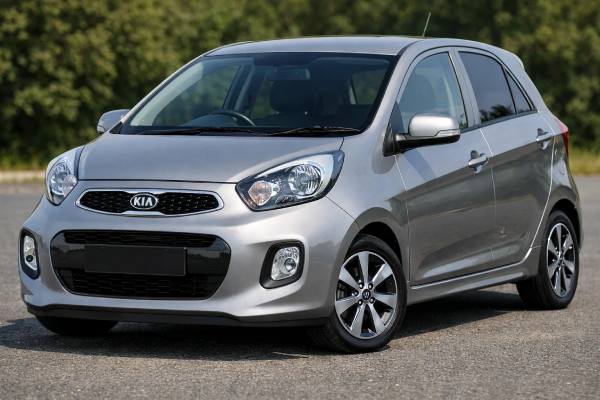
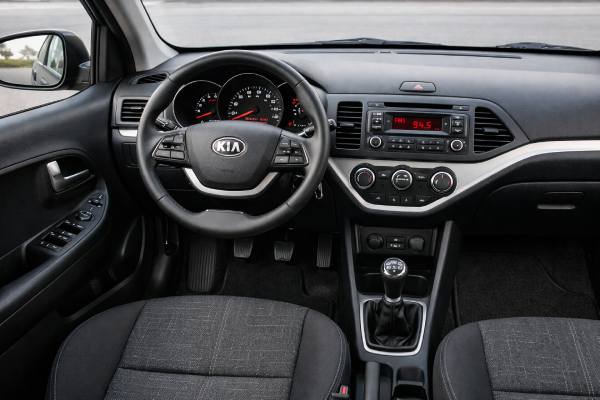
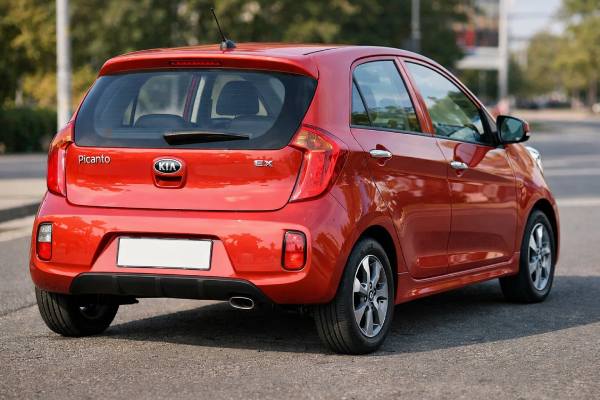
The facelifted Kia Picanto (TA) with the B3LA 1.0 and an LPG (liquefied petroleum gas) setup is a specific kind of “city car plus”: compact, simple, and inexpensive to run—especially when LPG prices make the math work. Mechanically, you’re dealing with a lightweight, naturally aspirated three-cylinder designed around everyday stop-and-go use. The LPG system adds a second fuel path (gasoline + LPG), which can reduce running costs but also introduces extra service items: filters, a vaporizer/regulator, and periodic checks of hoses and injectors.
This guide focuses on what matters for ownership: the real dimensions and usability compromises (notably the spare wheel and boot space), the performance you can expect on LPG versus gasoline, the reliability patterns seen on small Kia/Hyundai three-cylinders, and a maintenance approach that keeps the engine, cooling system, and fuel systems healthy over time.
What to Know
- Strong urban usability: short turning circle, easy parking, and light controls
- LPG can cut fuel cost per km, especially for high-mileage commuters
- Expect slightly less power on LPG and a bit less boot practicality due to the tank
- Change LPG phase filters about every 20,000–30,000 km to protect injectors
- Engine oil is still the main lifeline: replace every 10,000–15,000 km or 12 months
Navigate this guide
- Picanto TA LPG facelift explained
- Picanto TA 1.0 LPG specs
- Picanto TA trims and safety kit
- Common faults and recalls
- Service schedule and buying tips
- Road feel and fuel use
- Against city-car rivals
Picanto TA LPG facelift explained
This Picanto is built around a straightforward goal: reliable, low-cost mobility in a small footprint. The TA generation is short, narrow, and light, and the facelift years (2015–2017) generally feel more mature in trim detail and noise control than earlier examples—without adding much complexity. You still get a simple layout: front-engine, front-wheel drive, compact suspension, and a small three-cylinder that’s happiest in the city.
The LPG angle changes the ownership story. Whether factory-fit or dealer-fit (varies by market), the concept is the same: the car starts on gasoline more easily in cold conditions, then switches to LPG once coolant temperature and system pressure are suitable. LPG burns cleanly and typically leaves fewer gasoline-style deposits, but it runs “drier” and hotter at the valve seats. That doesn’t mean problems are guaranteed—many small engines live long on LPG—but it does mean correct mixture, healthy ignition, and timely valve/engine checks matter more than on gasoline-only cars.
Expect a few practical differences versus a gasoline Picanto:
- Boot and spare wheel trade-off. A toroidal LPG tank often sits in the spare-wheel well, so you may lose the full-depth well or carry a repair kit instead of a spare.
- Extra weight. The tank, lines, and hardware add weight at the rear, which can slightly soften acceleration and change ride balance over bumps.
- Refueling routine. You’ll have two “ranges” to think about: usable LPG capacity (often less than the tank’s physical size) plus the normal gasoline tank.
In return, you get an engine that remains mechanically simple—no turbocharger, no high-pressure direct injection—and a fuel option that can be economically attractive if LPG pricing in your area is favorable. If you drive mostly short trips, the key is making sure the engine reaches operating temperature often enough; frequent cold starts are harder on any small engine and can keep LPG systems switching late, reducing the benefit.
Ownership sweet spot: drivers who do steady city mileage with occasional longer runs, keep up with basic fluids, and treat the LPG system as a serviceable subsystem rather than a “fit-and-forget” add-on.
Picanto TA 1.0 LPG specs
Below are practical, ownership-focused specifications for the facelift Picanto TA with the 1.0 three-cylinder and LPG capability. Exact values can vary by market, gearbox, wheel size, and whether the LPG system is factory or aftermarket.
Powertrain and efficiency (B3LA 1.0 LPG)
| Item | Specification |
|---|---|
| Code | B3LA |
| Engine layout and cylinders | Inline-3, 3 cylinders, DOHC, 4 valves/cyl (typical for Kappa-family 1.0) |
| Displacement | 1.0 L (998 cc) |
| Induction | Naturally aspirated (NA) |
| Fuel system | Port fuel injection (PFI/MPFI); LPG system adds separate injectors and regulator |
| Compression ratio | Typically around 10.5:1 (market-dependent) |
| Max power | 67 hp (49 kW) @ ~5,500–6,000 rpm (varies slightly by calibration) |
| Max torque | Typically ~90–95 Nm @ ~3,500 rpm (varies) |
| Timing drive | Timing chain (inspect for noise/stretch with age) |
| Rated efficiency (gasoline) | Commonly ~4.8–5.5 L/100 km (49–43 mpg US / 59–51 mpg UK) depending on cycle |
| Rated efficiency (LPG) | Commonly ~5.8–6.8 L/100 km equivalent (40–35 mpg US / 49–42 mpg UK) depending on calibration |
| Real-world highway @ 120 km/h | Gasoline ~6.0–7.0 L/100 km; LPG often ~0.8–1.2 L/100 km higher (driving style matters) |
Transmission and driveline
| Item | Specification |
|---|---|
| Transmission | 5-speed manual (common); some markets offer 4-speed automatic |
| Drive type | FWD |
| Differential | Open |
Chassis and dimensions (typical TA)
| Item | Specification |
|---|---|
| Suspension (front/rear) | MacPherson strut / torsion beam |
| Steering | Electric power steering (EPS) |
| Brakes | Front discs / rear drums (most trims); disc sizes vary by market |
| Wheels/tyres (popular) | 165/60 R14 or 175/50 R15 (trim-dependent) |
| Length / Width / Height | ~3,595 mm / ~1,595 mm / ~1,480 mm (varies slightly) |
| Wheelbase | ~2,385 mm |
| Turning circle | ~9.4–9.8 m (kerb-to-kerb, market dependent) |
| Kerb weight | ~860–980 kg; LPG adds weight (often +30–60 kg depending on tank) |
| Fuel tank (gasoline) | Often ~35 L |
| LPG tank (usable) | Commonly ~25–35 L usable (tank size and fill limiter vary) |
| Cargo volume | Small-car typical; LPG tank can reduce underfloor storage |
Performance (realistic expectations)
| Metric | Typical range |
|---|---|
| 0–100 km/h (0–62 mph) | ~14–16 s (manual; LPG often at the slower end) |
| Top speed | ~155–165 km/h (96–103 mph) |
| Braking distance 100–0 km/h | Often ~40–44 m on good tyres (trim and tyres matter) |
| Towing and payload | Usually modest; many markets list low or no towing rating for small engines |
Fluids and service capacities (verify by VIN)
| Item | Typical spec |
|---|---|
| Engine oil | 0W-20 or 5W-30 (climate dependent), typically ~3.0–3.3 L with filter |
| Coolant | Ethylene glycol long-life, often ~4–5 L total system (mix ratio per spec) |
| Manual gearbox oil | Often ~1.7–2.0 L (75W-80/75W-90 by spec) |
| Automatic (if equipped) | ATF type per manufacturer; capacity depends on service method |
| A/C refrigerant | R-134a or R-1234yf depending on market/year; charge varies |
| Key torque specs (typical) | Wheel nuts ~90–110 Nm; spark plugs ~20–25 Nm; drain plug ~30–40 Nm (verify) |
If you want a single takeaway from the numbers: the Picanto is not fast, but it is light, predictable, and efficient at realistic speeds. LPG tilts the economics in your favor when the car is used regularly and serviced intentionally.
Picanto TA trims and safety kit
Trim naming varies a lot by country (base, mid, high, special editions), so it’s better to identify what changes mechanically and what changes cosmetically. On the TA facelift, most meaningful differences come down to wheels/tyres, infotainment, and a few safety features that may be standard on higher trims.
Trims and options that change how the car drives
- Wheel size and tyre width. A move from 14-inch to 15-inch wheels often improves steering response but can worsen ride harshness on broken city pavement. With LPG weight at the rear, tyre condition and correct pressures matter more; underinflation makes the car feel “lazy” and increases fuel use.
- Transmission pairing. If your market offers a 4-speed automatic, expect noticeably higher revs on the highway and a larger fuel penalty (especially on LPG).
- Suspension tune. Most markets keep the same basic hardware, but higher trims can feel slightly firmer due to wheel/tyre packages.
- Cabin equipment. Touchscreen infotainment, Bluetooth, and steering-wheel controls are common differentiators and can help resale value more than cosmetic items.
Quick identifiers when shopping:
- Check the boot floor for a toroidal LPG tank or a raised floor panel.
- Look for an LPG switch/level indicator near the dash.
- Confirm the filler arrangement (separate LPG fill point under flap, behind a cap, or on the bumper area varies by installer/market).
Safety ratings and what they mean in daily driving
The Picanto TA’s crash-test narrative is largely shaped by early-generation small-car standards. Ratings can differ by year and by which safety equipment was included in the tested configuration. Instead of chasing the star number alone, focus on whether your specific car has:
- ESC (electronic stability control) and traction control (can be standard or trim/package dependent).
- Front, side, and curtain airbags (counts and coverage vary).
- ISOFIX/LATCH mounts for child seats (usually present, but check for top tether points if relevant).
Driver assistance (ADAS)
On this generation, advanced ADAS is limited compared with newer city cars. Commonly available systems include:
- ABS with EBD (electronic brake-force distribution)
- ESC (sometimes optional depending on market/year)
- Hill-start assist (trim dependent)
- Tyre pressure monitoring (often later or higher trims)
If you see retrofitted electronics, treat them cautiously. Aftermarket reverse cameras and head units are common and usually fine, but any modifications near safety systems (airbag wiring, steering controls) deserve a careful inspection.
For LPG cars specifically, safety also includes the fuel system condition: secure lines, proper mounting, and an in-date tank inspection label if your jurisdiction requires periodic certification.
Common faults and recalls
Overall, the Picanto TA is a “simple wins” car: the fewer neglected services it has, the more boring (in a good way) it becomes. The most expensive problems usually come from overheating, chronic misfires, or poorly maintained LPG hardware. Below is a practical map of issues by prevalence and severity.
Common (low to medium cost)
- Ignition wear (misfires).
Symptoms: rough idle, flashing check-engine light, hesitation under load.
Likely cause: worn spark plugs, weak coil pack, aged plug leads (if fitted), or LPG tune running too lean.
Remedy: replace plugs with the correct heat range; swap suspect coil(s); verify LPG calibration and fuel trims. - Throttle body and idle control deposits.
Symptoms: unstable idle, stalling when coming to a stop, delayed throttle response.
Cause: deposits and adaptation drift.
Remedy: careful cleaning and throttle relearn (scan tool helps). - Rear suspension bush noise.
Symptoms: clunks over sharp bumps, rear “thump” when loaded.
Cause: torsion beam bushes aging; LPG tank weight can make noises more noticeable.
Remedy: inspect bushings and shocks; replace as needed.
Occasional (medium cost)
- Cooling system leaks and overheating.
Symptoms: coolant smell, low coolant, temperature spikes, heater performance changes.
Cause: radiator end tanks, hose clamps, water pump seepage, or cap failure.
Remedy: pressure test, repair leaks immediately, and never “top up and forget.” Overheating is how small engines become expensive engines. - Oxygen sensor and catalyst efficiency faults.
Symptoms: check-engine light, poor economy, failed emissions test.
Cause: aging sensors, exhaust leaks, or prolonged rich/lean running (sometimes from LPG calibration).
Remedy: diagnose with live data; don’t guess-replace parts without confirming trims and sensor response. - EPS (electric steering) noises.
Symptoms: clicking/knock in the column, inconsistent assist.
Cause: column coupler wear or internal play.
Remedy: inspect and repair per service guidance; costs vary by market.
Rare but high impact (higher cost)
- Timing chain stretch (or tensioner issues).
Symptoms: rattling on cold start, timing correlation faults, poor running.
Cause: long oil intervals, wrong oil viscosity, or high-mileage wear.
Remedy: measure and confirm; replace chain/tensioner/guides if out of spec. - LPG-specific hardware failures.
Symptoms: hard switching, LPG odor, poor performance on gas, frequent filter clogging.
Cause: neglected filters, failing regulator/vaporizer, injector wear, or hose degradation.
Remedy: replace filters first; then test regulator pressure and injector balance; repair leaks immediately.
Recalls, service actions, and how to verify
Small cars can have recall campaigns just like larger ones—often for airbags, wiring, or brake components. The safest approach is always verification:
- Check the VIN against the manufacturer’s recall portal (market specific).
- Confirm completion with dealer records if possible.
- Inspect for evidence of correct repairs (labels, updated parts, dated invoices).
A well-documented Picanto with consistent oil services, coolant services, and LPG filter history is typically a safer bet than a lower-mileage car with missing paperwork.
Service schedule and buying tips
If you treat the Picanto TA LPG as two systems—engine + LPG kit—you’ll maintain it more effectively and avoid the expensive “mystery faults” that come from neglected basics.
Practical maintenance schedule (distance or time)
Every 10,000–15,000 km or 12 months
- Engine oil and filter (use correct spec; don’t stretch intervals on small sumps)
- General inspection: coolant level, belts, leaks, tyres, lights
- Scan for stored faults if the check-engine light has appeared recently
Every 20,000–30,000 km
- LPG filters (liquid phase and/or vapor phase depending on system design)
- Engine air filter (earlier if dusty environment)
- Throttle body inspection/clean if idle quality is declining
Every 30,000–40,000 km
- Cabin air filter
- Brake inspection (pad thickness, rotor condition, rear drum adjustment if applicable)
- Alignment check if tyre wear is uneven
Every 60,000 km (or per plug type)
- Spark plugs (many setups use long-life plugs, but LPG benefits from strong ignition)
- Inspect coils and boots; replace weak components proactively
Every 2 years
- Brake fluid (moisture control matters for ABS/ESC reliability)
- Coolant concentration check and system inspection
Every 5 years (or per coolant type)
- Coolant replacement (don’t ignore this; overheating is the big risk)
Transmission
- Manual gearbox oil: inspect for leaks; consider replacement around 80,000–120,000 km for longevity
- Automatic (if equipped): fluid service intervals vary widely—shorter is usually safer (e.g., 50,000–80,000 km) if you want long life
LPG-specific checks that protect the engine
- Tune quality matters. A lean LPG calibration can raise combustion temperatures and stress valves. Look for smooth switching, stable idle, and no persistent fuel-trim extremes on a scan tool.
- Listen for valve noise. Some engines tolerate LPG without drama; others develop valve seat wear faster. If your engine has adjustable valve clearances, periodic checks are smart. If it uses hydraulic lash adjusters, focus on tune and oil quality.
- Inspect lines and mounts. Any fuel smell is a “stop and fix” issue, not a “monitor” issue.
Buyer’s guide: what to inspect before purchase
Paperwork
- Evidence of oil services at sensible intervals
- LPG installation certificate (if applicable), tank age/inspection status, and filter service receipts
- Cooling system service history (coolant changes, water pump/radiator work)
Mechanical checks
- Cold start: listen for chain rattle and confirm stable idle
- Test drive on gasoline and LPG: confirm smooth power delivery on both fuels
- Check for overheating signs: stained coolant reservoir, oily residue, or inconsistent heater output
- Tyres: uneven wear can indicate alignment or worn suspension bushings
Common reconditioning costs
- Tyres and brakes (small cars are sensitive to tyre quality)
- Battery and charging system checks
- LPG filter service and regulator refresh if history is unknown
A “clean but honest” high-mileage car with records often beats a low-mileage car that has sat unused. LPG systems, in particular, prefer regular use.
Road feel and fuel use
The Picanto TA drives like a well-sorted city car: light, easy, and confidence-building at typical urban speeds. The steering is quick enough for tight streets, and the car’s compact dimensions reduce stress in parking and narrow lanes. Where it shows its class is on rough pavement and crosswinds—still competent, but you’ll notice the short wheelbase and lower mass compared with larger hatchbacks.
Ride, handling, and NVH (noise and vibration)
- Ride: On 14-inch wheels, the car usually rides more comfortably over broken city surfaces. With 15-inch wheels and lower-profile tyres, impacts can feel sharper. LPG weight in the rear can slightly calm the rear end on smooth roads but may make the rear feel heavier over abrupt bumps.
- Handling: Neutral and safe at sensible speeds. The torsion-beam rear is simple and predictable. Good tyres make a bigger difference than most owners expect.
- NVH: Three-cylinder engines have a characteristic thrum at higher rpm. In town it’s fine; on the highway the engine can sound busy, especially if paired with an automatic.
Powertrain character and LPG behavior
On gasoline, the 1.0 feels responsive at low load and needs revs when you demand quick acceleration. On LPG, expect:
- Slightly softer throttle response and a small power drop (especially noticeable with passengers or hills)
- Smoother combustion in some cases, but only when the tune is correct
- Switching behavior that should be nearly seamless once warm; harsh switching can indicate calibration or pressure issues
The manual gearbox suits the engine better than the older 4-speed automatic if you do frequent highway miles. It keeps revs lower and makes overtakes more predictable.
Real-world economy (what owners actually see)
While exact numbers depend on route and weather, typical patterns are consistent:
- City: Stop-and-go can raise consumption sharply, particularly in winter when warm-up takes longer and LPG switching is delayed.
- Highway (100–120 km/h): Expect the engine to sit at higher rpm; economy depends heavily on speed and wind.
- Mixed driving: This is where LPG usually shines economically—provided you’re on LPG most of the time and your system is healthy.
A practical owner tip: track consumption separately for gasoline and LPG for a few tanks. If LPG usage climbs unexpectedly or the car stays on gasoline too long, you can catch thermostat or LPG system issues early.
Against city-car rivals
In the small-car class, the Picanto’s core advantage is balance: it rarely leads on any single headline number, but it combines easy ownership, usable space for its size, and affordable parts. The LPG variant adds a specific competitive edge where LPG infrastructure is strong.
Here’s how it stacks up against common rivals:
- Hyundai i10
Closest mechanical cousin in many markets. Similar ease of driving and ownership costs. Depending on year and engine, the i10 can feel a touch more refined, but the Picanto often matches it on practicality. LPG availability varies by region. - Toyota Aygo (and its platform siblings in some markets)
Often lighter-feeling and very efficient on gasoline, but typically less “grown-up” in ride and cabin feel compared with a well-trimmed Picanto. LPG is less common here; if you specifically want LPG, the Picanto can be the easier path. - Volkswagen up!
Usually feels solid and stable at speed, with a more European “big-car” control weight. Parts and repairs can cost more depending on country. LPG versions exist in some markets but are not universally common. - Fiat Panda
Often offers practical packaging and, in some markets, strong alternative-fuel availability. However, long-term “small issues” (trim/electrics) can be more variable by year and maintenance. - Suzuki Celerio
A value-focused rival with good economy, but typically less substantial in feel and sometimes less equipped in safety features depending on year.
Where the Picanto LPG wins
- Best suited for drivers who can exploit LPG pricing and refueling access
- Straightforward mechanical layout and generally affordable consumables
- Compact footprint with enough everyday usability for two adults plus occasional passengers
Where rivals can beat it
- Highway stability and refinement (some rivals feel calmer at 120 km/h)
- Advanced safety tech (newer models in the class can offer more ADAS)
- Boot flexibility (non-LPG cars keep the spare well and underfloor storage)
If your primary goal is low running cost per kilometer and you’re comfortable treating the LPG system as a service item, the Picanto TA LPG can be a very rational choice—especially when you buy on condition and documentation, not just price.
References
- Kia Car Owners Manual | Kia UK 2026 (Owner’s Manual Portal)
- Car Safety Recalls | What They Are & What To Do | Kia UK 2026 (Recall Guidance)
- Kia Picanto 2026 (Safety Rating)
- Check if a vehicle has been recalled 2026 (Recall Database)
Disclaimer
This article is for informational purposes only and is not a substitute for professional diagnosis, inspection, or repair. Specifications, torque values, service intervals, and procedures can vary by VIN, market, model year, and installed equipment (including the specific LPG system). Always verify details using official owner and service documentation for your exact vehicle.
If this guide helped, please consider sharing it on Facebook, X (Twitter), or your preferred forum/community to support our work.