
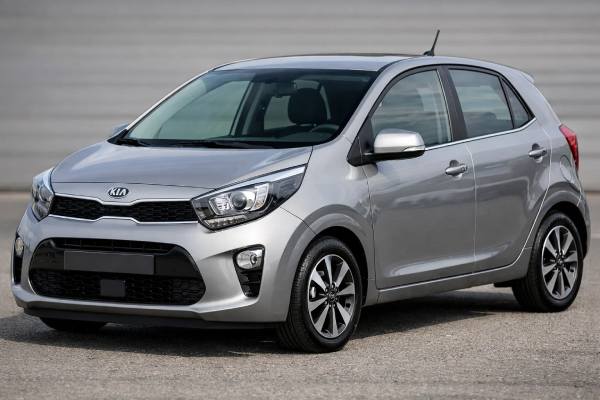


The 2017–2020 Kia Picanto (JA) with the 1.0-litre G3LA three-cylinder is a classic “right-size” city car: light, simple, and engineered around low running costs rather than outright speed. The naturally aspirated 67 hp tune keeps heat and mechanical loads modest, which helps longevity when it’s maintained on schedule. In daily use, the Picanto’s short wheelbase and quick steering make parking effortless, while the suspension is tuned to absorb urban impacts without feeling loose at highway speeds.
Ownership satisfaction often comes down to expectations. This 1.0 is happiest in town and on secondary roads; it will do motorway work, but you plan passes and accept higher noise at 110–130 km/h. The smart buy is the best-maintained example you can find—ideally with the safety pack or later-year driver-assistance upgrades in your market.
Key Takeaways
- Easy to live with in dense cities thanks to compact size, light controls, and strong low-speed visibility.
- Simple, naturally aspirated 1.0-litre design tends to reward regular oil changes and gentle warm-up habits.
- Cabin and boot packaging are efficient for the footprint, with a genuinely usable rear seat for short trips.
- Check whether your car has AEB (autonomous emergency braking); availability varies widely by trim and year.
- Plan on servicing at 12 months / 10,000 miles (16,000 km) intervals (whichever comes first), unless your local schedule specifies otherwise.
Contents and shortcuts
- Kia Picanto JA 2017–2020 overview
- Kia Picanto JA 1.0 MPi specs
- Kia Picanto JA trims and safety
- Reliability and known problems
- Maintenance plan and buying tips
- Driving feel and efficiency
- Rivals and value comparison
Kia Picanto JA 2017–2020 overview
The JA-generation Picanto sits in the “A-segment” sweet spot: small enough to be painless in traffic and tight parking, but grown-up enough to serve as a primary car if your routes are mostly urban. With the 1.0-litre three-cylinder, the engineering priorities are clear—low mass, low friction, and predictable drivability. That shows up in the way the car responds off idle: it’s not fast, but it’s easy to meter in traffic and forgiving with clutch work.
From an ownership standpoint, there are three traits that matter most:
- Weight management and simple hardware. A modest-output naturally aspirated engine paired to a conventional manual gearbox avoids the extra thermal and control complexity found in small turbo engines and dual-clutch transmissions. The result is usually lower “surprise” repair risk, provided maintenance is consistent.
- Packaging efficiency. The Picanto’s upright stance and tidy overhangs make the cabin feel bigger than you expect. Boot space is also competitive for the class, and the rear seatback folding layout is practical for occasional bulky loads.
- Equipment variability. The same “Picanto” badge can mean very different safety and comfort levels depending on market and trim. Some cars are basic runabouts; others add AEB, better infotainment, and upgraded lighting. When you shop, confirm the presence of specific systems rather than trusting trim names.
2017 models established the JA platform, while the 2020 facelift in many markets brought styling updates and, in some regions, expanded driver-assistance availability. For the 1.0 MPi, the big story is consistency: if you keep the car on correct fluids, rotate tyres, and fix small issues early, it tends to age well.
Who is it best for? Urban commuters, new drivers, and households needing a reliable second car. Who should think twice? Drivers doing long, fast motorway commutes daily, or anyone expecting effortless overtakes with a full load and A/C running.
Kia Picanto JA 1.0 MPi specs
Below are practical, decision-grade specifications for the 2017–2020 Picanto (JA) with the 1.0 MPi (67 hp class). Exact figures can vary by market, wheel/tyre package, and homologation cycle, so treat these as the best baseline and verify by VIN where possible.
Powertrain and efficiency
| Item | Specification |
|---|---|
| Code | G3LA (market naming varies) |
| Engine layout and cylinders | Inline-3, 3 cylinders; typically DOHC; 4 valves/cyl (12V) |
| Displacement | 1.0 L (998 cc) |
| Induction | Naturally aspirated (NA) |
| Fuel system | MPi (port injection) |
| Max power | 66–67 hp (49 kW) @ 5,500 rpm |
| Max torque | 96 Nm (71 lb-ft) @ 3,500 rpm |
| Timing drive | Commonly chain-driven on this engine family (verify by engine label/service data) |
| Rated combined efficiency (example homologation) | 4.4 L/100 km (64.2 mpg US / 64.2 mpg UK equivalent shown in some market sheets) |
| Real-world highway @ 120 km/h (75 mph) | Typically ~5.5–6.5 L/100 km depending on wind, tyres, load, and grade |
Transmission and driveline
| Item | Specification |
|---|---|
| Transmission | 5-speed manual (common for 1.0 MPi in many markets) |
| Drive type | FWD |
| Differential | Open |
Example manual gear ratios (market sheet example):
| Gear | Ratio |
|---|---|
| 1st / 2nd / 3rd / 4th / 5th | 3.909 / 2.056 / 1.269 / 0.964 / 0.774 |
| Reverse | 3.636 |
| Final drive | 4.235 |
Chassis and dimensions
| Item | Specification |
|---|---|
| Suspension (front/rear) | MacPherson strut / torsion beam |
| Steering | Electric assist (MDPS/EPAS); ratio varies by market |
| Brakes | Front ventilated discs; rear discs or drums depending on market/trim |
| Wheels and tyres (common sizes) | 175/65 R14, 185/55 R15, or 195/45 R16 depending on trim |
| Length / width / height (typical hatchback body) | 3,595 / 1,595 / 1,485 mm (141.5 / 62.8 / 58.5 in) |
| Wheelbase | 2,400 mm (94.5 in) |
| Turning circle (kerb-to-kerb) | Often about 9.6 m (31.5 ft) (4.8 m turning radius listed in some market sheets) |
| Kerb weight (range by equipment) | About 935–1,028 kg (2,061–2,267 lb) |
| GVWR | About 1,400 kg (3,086 lb) in some market sheets |
| Fuel tank | 35 L (9.2 US gal / 7.7 UK gal) |
| Cargo volume | 255 L (9.0 ft³) seats up; ~1,010 L (35.7 ft³) seats down (method varies) |
Performance and capability
| Item | Specification |
|---|---|
| Acceleration | 0–60 mph: ~13.8 s (typical) / 0–100 km/h: typically ~14–15 s |
| Top speed | ~161 km/h (100 mph) |
| Towing | Commonly listed as not rated / not applicable in many markets for this class |
| Payload | Varies; check door-jamb label for your car |
Fluids and service capacities
Because capacities and specifications can change with sub-variants and climate packages, use these as selection guidance and confirm for your VIN:
- Engine oil: commonly 0W-20, 5W-30, or 5W-40 depending on climate and market approval; typical fill is roughly ~3.0–3.6 L with filter.
- Coolant: long-life OAT-type in many markets; mixture and capacity vary with radiator/heater spec.
- Manual transmission oil: typically a GL-4 75W-85/75W-90 class fluid; capacity varies.
- A/C refrigerant: usually R-134a on these years in many markets; charge varies by system label.
Key torque specs (typical ranges—verify by service manual):
- Wheel nuts: ~88–108 Nm (65–80 lb-ft)
- Oil drain plug: ~25–40 Nm (18–30 lb-ft)
Safety and driver assistance
- Euro NCAP (2017 protocol, rating later marked expired):
- Standard equipment (example rating): Adult 79%, Child 64%, VRU 54%, Safety Assist 25%
- With ADAS pack (example rating): Adult 87%, Child 64%, VRU 54%, Safety Assist 47%
- IIHS: Not applicable for most Picanto markets (model not typically sold in the US).
Kia Picanto JA trims and safety
Trim names for the Picanto (JA) vary by country, and that’s not a minor detail—it directly affects tyres, brakes, infotainment, and especially active safety. A practical way to think about trims is to group them into three “equipment bands,” then verify the exact features on the car in front of you.
1) Core trims
Base-oriented versions focus on cost and durability: smaller wheels (often 14-inch), simpler audio units, fewer exterior add-ons, and sometimes fewer convenience features. These are often the best match for buyers who want the most compliant ride on rough streets and the cheapest tyre replacements. The tradeoff is that some markets restrict AEB and upgraded driver displays to higher grades.
Quick identifiers:
- Steel wheels with covers (common on entry trims)
- Basic cluster display (smaller mono display)
- Manual A/C or no A/C on the most basic fleet-style versions
2) Mid trims
This is the sweet spot for many owners: better infotainment (often with a larger touchscreen in some markets), improved cabin materials, and more “daily quality-of-life” features like rear parking sensors/camera. Importantly, mid trims are where AEB may start appearing—either standard or as part of an option pack.
What to verify:
- AEB presence and whether it covers city speeds only or broader scenarios
- Cruise control availability (useful because the 1.0 benefits from steady throttle on the highway)
- Wheel/tyre size: moving up can sharpen handling but adds road noise and increases tyre cost
3) Style and sport appearance trims
Names like GT-Line and X-Line often change exterior bumpers, wheel sizes (frequently 16-inch), seats/trim accents, and sometimes the height/width slightly due to body styling. Mechanically, the 1.0 MPi usually remains the same basic powertrain, but the feel changes: wider tyres can improve lateral grip yet reduce ride comfort and slightly increase fuel consumption in city stop-and-go.
Safety ratings and what they mean in real life
The Picanto’s safety story is strongly equipment-dependent. In 2017 testing, Euro NCAP published a dual assessment: the “standard equipment” result showed strong adult-occupant percentage relative to the class, but a low Safety Assist score because advanced driver aids were not standard across the range. With the optional ADAS pack, the Safety Assist percentage rose substantially, reflecting the value of AEB and related features.
Practical takeaways:
- If you can choose only one “must-have,” prioritize AEB (and ensure it works—see maintenance section for calibration notes).
- Confirm ISOFIX/LATCH anchor points, top tethers, and that the front passenger airbag can be disabled if you carry a rear-facing child seat.
- Remember that tyre condition is a safety feature: worn tyres on a light FWD car are a fast path to longer stopping distances in rain.
Reliability and known problems
For the 2017–2020 Picanto JA 1.0 MPi, reliability is usually more about usage pattern and maintenance discipline than inherent design flaws. Short trips, cold starts, and neglected fluids are the biggest accelerants of wear in small-displacement engines. Below is a prevalence-and-severity map that reflects what owners and workshops commonly see on this type of platform.
Common, low-to-medium cost issues
- 12 V battery fatigue (common, low/medium):
Symptoms: slow crank, start-stop glitches (if equipped), random warning lights after a cold night.
Cause: short-trip use never fully recharges the battery.
Remedy: battery test under load; replace if weak; clean and tighten terminals; check alternator output. - Ignition components and spark plugs (common, low/medium):
Symptoms: misfire under load, rough idle, reduced fuel economy, flashing MIL.
Cause: worn plugs/coils, sometimes accelerated by lots of stop-start driving.
Remedy: replace plugs at the scheduled interval; coils as needed; avoid “parts cannon” guessing. - Front brake wear and corrosion (common, low/medium):
Symptoms: vibration, squeal, uneven pad wear, sticking after sitting.
Cause: urban use, water and road salt, infrequent hard braking.
Remedy: clean and lubricate slide pins; replace pads/rotors if scored; flush brake fluid on time.
Occasional issues that can become expensive if ignored
- Cooling system seepage (occasional, medium):
Symptoms: sweet smell, low coolant level, damp hose ends, temperature creep in traffic.
Cause: aging hose clamps, small leaks at junctions, minor radiator seepage.
Remedy: pressure test; replace the leaking component early—overheating is what turns “small” into “engine.” - Manual transmission feel changes (occasional, medium):
Symptoms: notchier shifting, reluctant 1st/2nd when cold, clutch take-up chatter.
Cause: old gearbox oil, clutch wear, linkage bushings.
Remedy: refresh correct manual gear oil if allowed by your schedule; inspect mounts and linkage; replace clutch only when slip/engagement issues confirm it.
Rare but worth screening for
- Timing system noise (rare, medium/high if present):
Symptoms: rattle at cold start that persists, timing correlation faults, rough running.
Cause: wear in chain/tensioner/guides (rare in well-maintained cars).
Remedy: diagnose promptly; replace components if out of spec—avoid running “until it breaks.” - Infotainment and camera quirks (rare/occasional, low/medium):
Symptoms: touchscreen freezing, Bluetooth dropouts, camera not engaging.
Cause: software glitches, weak battery voltage, moisture in connectors.
Remedy: update software where supported; confirm stable 12 V supply; clean/secure connectors.
Recalls, service actions, and how to verify
Recall scope depends on market, so the best practice is universal:
- Run an official VIN recall check for your region and keep proof of completion.
- Ask for dealer service history printouts where possible.
- Treat “no paperwork” as a negotiating point—even if the car drives fine.
Pre-purchase, focus less on internet lists and more on evidence: cold start behavior, smooth idle, clean fluids, functioning A/C, and a scan for stored fault codes. On a small car, a single neglected issue (overheating, low oil) can outweigh years of otherwise normal use.
Maintenance plan and buying tips
The Picanto 1.0 MPi rewards routine maintenance more than “heroic” repairs. Keep fluids fresh, protect the cooling system, and prevent small electrical issues from compounding. Use your local schedule as the authority, but the framework below is a strong ownership baseline.
Practical maintenance schedule
| Item | Interval (distance/time) | Notes |
|---|---|---|
| Engine oil and filter | 10,000 miles (16,000 km) / 12 months | Short-trip cars benefit from earlier changes |
| Tyre rotation and pressure check | 5,000–8,000 miles (8,000–13,000 km) | Extends tyre life and keeps handling consistent |
| Cabin air filter | 12 months or as needed | Replace sooner in dusty cities |
| Engine air filter | 20,000–30,000 miles (32,000–48,000 km) | Inspect annually if you drive in dust/sand |
| Brake fluid | Every 2 years | Moisture lowers boiling point and corrodes components |
| Coolant | Per OEM long-life interval | Verify correct coolant type; don’t mix “universal” fluids blindly |
| Spark plugs | Commonly 30,000–60,000 miles (48,000–96,000 km) | Interval varies by plug type and market |
| Manual transmission oil | Often “inspect” unless severe use | If shifting degrades, confirm if a fluid change is approved |
| A/C service check | Annually | Look for oily residue at compressor and hose joints |
| 12 V battery test | Annually after year 3 | Replace proactively if cold-cranking margin is low |
Fluids: what to choose and how to avoid mistakes
- Engine oil: Follow the exact approval and viscosity listed for your market. The correct spec matters more than chasing a trendy viscosity. If you drive mostly short trips, prioritize timely changes over extended intervals.
- Coolant: Use the specified long-life coolant and correct mix ratio. If the coolant history is unknown, a proper drain-and-refill (or full flush if contamination is suspected) is cheap insurance.
- Brake fluid: Don’t skip it. On a light car, you may not feel fade often, but old fluid can quietly corrode calipers and ABS components.
ADAS and sensor calibration (if equipped)
If your Picanto has AEB or camera-based systems, repairs like windshield replacement, front-end work, or even alignment changes can require calibration. When shopping used, confirm:
- No warning lights for AEB/ESC/ABS
- Windshield is OEM-quality and properly fitted (cheap glass can distort camera view)
- Bumper gaps are even (misalignment can affect radar/camera aiming on some systems)
Buyer’s guide: what to check in 30 minutes
- Cold start: listen for abnormal rattles, watch for steady idle within a short warm-up.
- Cooling system: check coolant level and look for dried residue around hose joints.
- Clutch and gearbox: smooth take-up, no slip in a higher gear pull, no crunching shifts.
- Brakes: consistent pedal, no pulling, no grinding; inspect discs/pads visually if possible.
- Tyres: match as a set, even wear, no sidewall cracking—mismatched tyres often signal penny-pinching maintenance.
- Electrics: windows, mirrors, infotainment, camera/sensors, A/C performance.
Long-term outlook: a well-kept 1.0 MPi Picanto is typically a “steady companion” car. Budget for consumables, keep corrosion at bay (especially in salted climates), and it can deliver many years of predictable service.
Driving feel and efficiency
In motion, the Picanto JA feels like it was tuned by people who understand cities. The controls are light without being vague, the body is easy to place, and visibility makes tight traffic less stressful. The tradeoff is that the car’s short wheelbase and light weight can transmit more road texture than larger vehicles—especially on bigger wheels with lower-profile tyres.
Ride, handling, and NVH
- Ride quality: On 14-inch tyres, the car generally rounds off sharp edges well for its size. Moving to 15- or 16-inch wheels tends to sharpen steering response but can add impact harshness and road noise.
- Handling balance: Neutral and predictable at normal speeds, with safe understeer when pushed. The torsion-beam rear keeps costs down and works well here; you feel big bumps mid-corner more than you would in a multi-link setup, but it’s stable.
- Noise: Expect a busy three-cylinder note under load and more wind/tyre noise above 110 km/h than in a larger supermini. A well-fitted set of touring tyres can noticeably calm the cabin.
Powertrain character
The 1.0 MPi’s personality is “honest.” Peak torque is modest, so you keep the engine in its mid-range when merging or climbing. In town, that’s not a problem because the car is light and gearing is usually chosen to feel responsive at 30–60 km/h. On faster roads, you’ll downshift earlier than you would in a turbo engine.
Tips that improve the experience:
- Use the engine’s willingness to rev—short-shifting too early can make it feel sluggish.
- For hills with passengers, plan a downshift rather than holding a tall gear at wide throttle.
- If your car has cruise control, it’s genuinely useful to keep throttle steady and reduce fatigue.
Real-world efficiency
Small engines can be very efficient—but only when you don’t constantly demand maximum output. Typical patterns:
- City: often 5.0–6.5 L/100 km depending on traffic density and trip length
- Highway (100–120 km/h): often 5.0–6.5 L/100 km, with headwinds and higher speeds pushing it upward
- Mixed: commonly in the mid-5s L/100 km for relaxed driving
Cold weather matters more than many owners expect. Short winter trips can spike consumption because the engine spends a larger share of time warming up, and cabin heat demands add load. If your driving is mostly short runs, an earlier oil-change cadence is a smart trade.
Key metrics that shape the verdict
- The Picanto 1.0’s ~14-second class 0–100 km/h pace is adequate, but the more important metric is passing flexibility: it’s fine when lightly loaded and proactive with downshifts, less happy when you expect “automatic” overtakes.
- Braking feel is usually confidence-inspiring when the brakes are maintained; inconsistent feel often traces back to old brake fluid, sticking caliper slides, or budget pads.
Overall, the driving experience aligns with the car’s mission: confidence in tight spaces, low stress at sane speeds, and a powertrain that lasts when it’s treated well.
Rivals and value comparison
The Picanto’s closest rivals are other A-segment hatchbacks that prioritize compact dimensions and low costs. The “best” choice depends less on brand loyalty and more on your priority: safety equipment, ride comfort, motorway refinement, or total cost of ownership.
Where the Picanto tends to win
- Ownership simplicity: The naturally aspirated 1.0 MPi setup is easy to understand and maintain. If you’re comparing to small turbo engines in some rivals, the Picanto can feel like the safer long-term bet for drivers who do lots of short trips.
- Cabin usability for size: The upright packaging often delivers a more usable rear seat than expected.
- Value when well-specced: A Picanto with AEB and a sensible wheel size can be a very balanced used buy, especially if the service history is complete.
Where rivals may be stronger
- Highway refinement: Some competitors feel quieter at 110–130 km/h, especially if they’re slightly larger or geared differently.
- Safety assist as standard: Depending on year and market, rivals may include more driver-assistance features as standard, which matters if you’re shopping based on modern expectations rather than “city car norms.”
Common cross-shops include the Hyundai i10 (close mechanical cousin in many respects), Toyota Aygo (and its platform siblings in some years), and the Volkswagen up! for buyers who want a more “solid” highway feel.
How to choose quickly
Use this decision filter:
- If you drive mostly city, choose the car with the best-condition suspension, smallest wheels, and cleanest service history—brand differences matter less than condition.
- If you drive mixed routes, prioritize AEB (if available), a calm tyre setup, and a trim with cruise control.
- If you drive motorway-heavy, test-drive at real cruising speeds. Pick the car that feels least strained and least noisy at your typical speed, even if it costs a bit more.
Value verdict: the Picanto JA 1.0 is often a strong buy when it’s priced fairly, maintained properly, and equipped with the safety features you care about. The wrong buy is a neglected example with mismatched tyres, weak battery voltage, and deferred fluid changes—because “cheap city cars” get expensive when they’ve been treated as disposable.
References
- Official Kia Picanto safety rating 2017 (Safety Rating)
- Assessment details 2017 (Safety Rating)
- picanto_2017-specification.pdf 2018 (Technical Specification)
- Engine Oil Grades and Capacities 2022 (Technical Guide)
- Kia Recalls | Kia Europe 2026 (Recall Database)
Disclaimer
This article is for informational purposes only and is not a substitute for professional diagnosis, inspection, or repair. Specifications, torque values, service intervals, and procedures can vary by VIN, market, model year, and equipment. Always verify details using the official owner’s manual and service documentation for your specific vehicle.
If you found this guide useful, please consider sharing it on Facebook, X (Twitter), or your favorite forum to help others find reliable car information.