
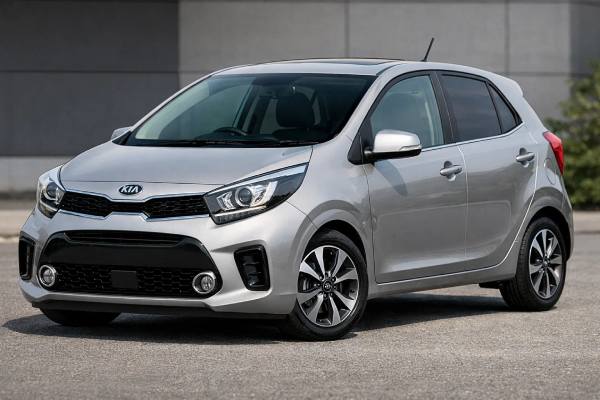
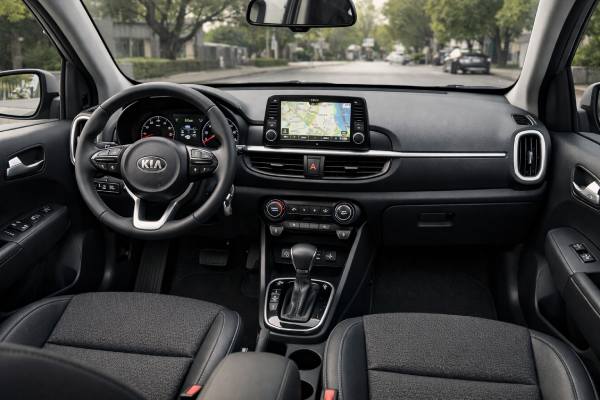
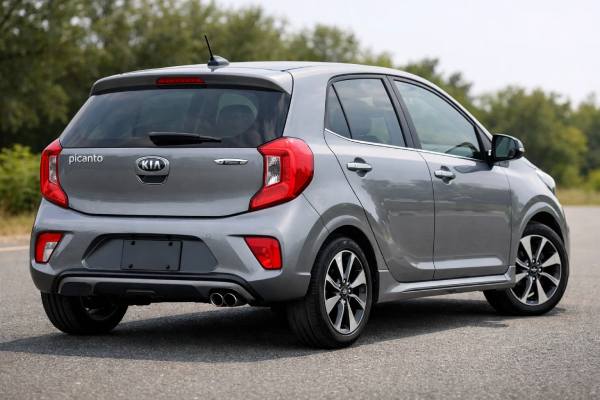
The facelifted 2020–2023 Kia Picanto (JA) with the 1.0-liter G3LD and 67 hp is the “smart basic” version of the range: light, easy to place in traffic, and simple enough to own without drama when it’s serviced on time. Its small footprint hides a surprisingly grown-up cabin layout, modern infotainment in many trims, and a chassis tuned for urban comfort rather than sharp-edge sportiness. The 1.0 MPI-style engine prioritizes low running costs over speed, so the ownership win comes from predictable maintenance, inexpensive consumables, and good fuel efficiency at city speeds. Because equipment varies heavily by market, the key to buying well is matching your needs to the right trim: some cars are plain but robust, while others add driver-assistance tech and nicer lights that raise replacement costs. This guide focuses on what changes with the facelift, what to check before purchase, and how to keep it reliable.
Quick Specs and Notes
- Very low running costs with modest tyre and brake wear in city use.
- Compact outside but efficient packaging makes it easy to live with daily.
- Simple 1.0-liter powertrain suits short trips when oil changes are consistent.
- Trim-dependent safety and infotainment can change ownership costs (sensors, cameras, screens).
- Plan engine oil and filter service every 10,000–15,000 km (6,000–9,000 mi) or 12 months, sooner in severe use.
Quick navigation
- Picanto JA 1.0 facelift profile
- Picanto JA specs and capacities
- Picanto JA trims and safety tech
- Reliability and known trouble spots
- Maintenance plan and buying tips
- Driving feel and real economy
- Rival check and alternatives
Picanto JA 1.0 facelift profile
The 2020 facelift kept the Picanto JA’s core formula—light weight, front-wheel drive, compact dimensions—but modernized how it feels day to day. With the 67 hp G3LD 1.0, the selling point is not acceleration; it is calm, low-stress mobility that stays inexpensive when you maintain it consistently. The engine is typically a naturally aspirated three-cylinder designed for efficiency and emissions compliance, paired most often with a 5-speed manual. Some markets also offer an automated manual (AMT) or a conventional automatic depending on model year and region, and that choice matters more than many buyers expect: a manual is the simplest and cheapest long term, while an AMT can be economical but requires a healthy clutch and correct actuator calibration.
The facelift era is also where trim spread becomes decisive. Entry cars can be intentionally basic—steel wheels, fewer sensors, smaller infotainment—while higher trims add LED lighting, parking cameras, larger screens, and more driver assistance. Those extras improve comfort and confidence, but they also raise parts costs in minor bumps and can add troubleshooting steps when a warning light appears.
In practical ownership terms, the Picanto’s strengths show up in predictable places:
- Urban agility: a short wheelbase and light steering make parking and tight turns easy.
- Low consumable costs: small tyres, modest brake sizes, and a small oil fill keep routine service affordable.
- Packaging: front-seat space is usually good for the class; rear space is usable for shorter trips, especially with adults who are not tall.
The trade-offs are equally consistent. Road noise can rise at higher speeds due to short gearing and light sound insulation, and full-load performance (five people plus luggage or steep hills) is limited. If your driving is mostly motorway at 120 km/h (75 mph), the 67 hp version can do it, but it will feel busy and may return less impressive fuel economy than it does around town.
Who is this version for? It suits commuters, new drivers, and city households that want a dependable second car—especially if you choose a trim with the comfort features you actually value and skip options that complicate repairs later.
Picanto JA specs and capacities
Specs vary by market and trim, but the tables below reflect the common engineering package for the facelift-era 1.0 / 67 hp configuration. Treat values as typical ranges and confirm against your VIN-specific documentation when ordering parts or fluids.
Powertrain and efficiency
| Item | Typical specification (facelift 2020–2023) |
|---|---|
| Engine code | G3LD |
| Layout | Inline-3, naturally aspirated |
| Valvetrain | DOHC (typical), 4 valves/cyl (typical) |
| Displacement | 1.0 L (998 cc) |
| Bore × stroke | ~71.0 × 84.0 mm (2.80 × 3.31 in) |
| Fuel system | MPI/PFI or DPI (market dependent) |
| Compression ratio | ~10.5–11.0:1 (market dependent) |
| Max power | 67 hp (49 kW) @ ~5,500–6,000 rpm |
| Max torque | ~90–96 Nm (66–71 lb-ft) @ ~3,500–4,000 rpm |
| Timing drive | Chain (typical for this family) |
| Rated efficiency (combined) | ~4.8–5.8 L/100 km (49–40 mpg US / 59–49 mpg UK) |
Real-world motorway economy at 120 km/h (75 mph) is often ~6.2–7.0 L/100 km (38–34 mpg US / 46–40 mpg UK) depending on tyres, wind, and load.
Transmission and driveline
| Item | Typical specification |
|---|---|
| Drive type | FWD |
| Manual | 5-speed manual (most common) |
| Automatic options | 4-speed torque-converter auto or 5-speed AMT (varies by market/year) |
| Differential | Open |
Chassis, dimensions, and weights
| Item | Typical specification (common EU/UK body) |
|---|---|
| Front suspension | MacPherson strut |
| Rear suspension | Torsion beam |
| Steering | Electric power steering |
| Brakes (front/rear) | Disc / drum (many trims), disc / disc (some trims) |
| Popular tyre size | 175/65 R14 or 185/55 R15 (trim dependent) |
| Length / width / height | ~3,595 / 1,595 / 1,485 mm (141.5 / 62.8 / 58.5 in) |
| Wheelbase | ~2,400 mm (94.5 in) |
| Turning circle | ~9.4 m (30.8 ft) |
| Kerb weight | ~930–1,020 kg (2,050–2,250 lb) |
| Fuel tank | ~35 L (9.2 US gal / 7.7 UK gal) |
| Cargo volume | ~255 L seats up; ~1,010 L seats down (method varies) |
Performance and capability
| Metric | Typical result (1.0 / 67 hp) |
|---|---|
| 0–100 km/h (0–62 mph) | ~14.5–17.0 s (transmission dependent) |
| Top speed | ~155–161 km/h (96–100 mph) |
| Braking 100–0 km/h | ~38–42 m (estimate; tyres dominate) |
| Towing | Often not rated or very limited; check your market approval plate |
| Payload | Typically ~350–450 kg (770–990 lb), trim dependent |
Fluids and service capacities (typical)
| System | Spec (typical) | Capacity (approx.) |
|---|---|---|
| Engine oil | API SP / ILSAC GF-6 (or equivalent), often 0W-20 or 5W-30 | ~3.0–3.4 L (3.2–3.6 US qt) |
| Coolant | Phosphate OAT/long-life coolant (region specific) | ~4.0–5.0 L (4.2–5.3 US qt) |
| Manual gearbox oil | GL-4 75W-85 (typical) | ~1.6–1.9 L (1.7–2.0 US qt) |
| Automatic ATF | Kia/Hyundai-spec ATF (market specific) | total fill varies; drain/refill often ~3–4 L |
| A/C refrigerant | R-134a (many markets) or R-1234yf (some markets) | label value varies |
Key torque specs (common ranges; confirm for your variant):
- Wheel nuts: ~85–110 Nm (63–81 lb-ft)
- Engine oil drain plug: ~25–40 Nm (18–30 lb-ft)
Picanto JA trims and safety tech
Because the facelifted Picanto was sold across many regions, trim names vary, but the pattern stays similar: a base model focused on price, mid trims adding comfort and infotainment, and sporty-looking lines (often “GT-Line”) adding cosmetic parts and sometimes larger wheels. When you compare cars, focus less on the badge and more on what is physically fitted—wheels, brakes, lights, sensors, and driver-assistance hardware.
Trims and options that matter in daily ownership
Common equipment differences you can verify quickly during a walkaround:
- Wheels and tyres: 14-inch setups ride softer and cost less to replace; 15–16-inch packages can sharpen steering response but increase tyre cost and pothole risk.
- Lighting: halogen headlights are cheaper; LED units look better and can improve visibility, but replacement cost is higher.
- Infotainment: many facelift cars moved to a larger touchscreen (often 8-inch) with smartphone integration. Screens are reliable, but stolen or damaged units cost more than the old radio-style head units.
- Parking aids: rear camera and sensors are convenient in a tall-backed hatch; make sure the camera image is clean and stable and sensors do not false-alarm in rain.
Quick identifiers:
- Sporty trims typically have a more aggressive front bumper, contrast trim, and sometimes a flatter-bottom steering wheel.
- Cross-style trims add black cladding and roof rails (visual cues that can help you match the car to the correct parts catalog).
Year-to-year changes (facelift-era themes):
- More widespread availability of smartphone mirroring and connected services.
- Broader rollout of driver-assistance features on higher trims or via safety packs.
Safety ratings and what they mean here
The Picanto’s most cited crash data in Europe comes from Euro NCAP testing of the JA generation. Those results are useful as a baseline for structure and restraint performance, but remember two important limits:
- Protocol changes over time: a car can score differently under newer tests even if the structure is unchanged.
- Equipment dependency: many ratings reflect a specific configuration (for example, a “safety pack” car) rather than the cheapest trim.
In practical terms, the facelift cars may add more active safety tech (like AEB or lane support) than earlier builds, but not every market retested the model after updates. Use the rating as context, then verify which systems your specific car actually has.
Driver assistance and service implications
Depending on trim and market, you may see:
- AEB (autonomous emergency braking): can reduce low-speed impacts; after windshield replacement or front-end repair, calibration may be required.
- Lane keeping or lane departure warning: relies on a forward camera; windscreen cleanliness and correct glass specification matter.
- ESC and traction control: typically standard and a major safety baseline in slippery conditions.
When shopping, test drive with the radio off for warning chimes, and confirm that the camera-based systems recognize lane markings on a clear road. Intermittent faults often come from low battery voltage, poor sensor alignment after body repair, or non-matching windscreen replacements.
Reliability and known trouble spots
The facelift Picanto with the 1.0 / 67 hp setup is generally dependable because the engine is lightly stressed and the car is simple. Most problems are “small-car normal”—wear items, sensors, and occasional electrical quirks—rather than catastrophic engine failures. Still, a few patterns are worth knowing, especially because short trips and city driving can amplify them.
Common (low to medium cost)
- 12 V battery fatigue (age 3–5 years):
Symptoms: slow cranking, infotainment reboots, random warning lights.
Root cause: frequent short trips and stop-start use (where equipped).
Remedy: battery test under load; replace with correct capacity and register if required by your market procedure. - Ignition components (coils and plugs):
Symptoms: misfire under load, rough idle, check-engine light.
Root cause: worn plugs, moisture intrusion, or weak coil packs.
Remedy: replace spark plugs at the correct interval; replace coils as needed and check for oil in plug wells. - Brake drag or uneven wear (city use):
Symptoms: one wheel hotter, vibration, poor economy.
Root cause: sticking caliper slides (front) or drum hardware contamination (rear).
Remedy: clean and lubricate slides with correct grease; service drums and adjust where applicable. - Rattles and interior squeaks:
Symptoms: noise over broken pavement.
Root cause: clips settling, door seal dry-out.
Remedy: simple trim refit and seal conditioning; not a reliability threat, but it affects perceived quality.
Occasional (medium cost)
- Cooling system seepage (age 4–7 years):
Symptoms: coolant smell, slow level drop, crusty residue near hoses.
Root cause: hose clamps, radiator seams, or water pump seepage.
Remedy: pressure test; replace the leaking component early to avoid overheating. - Engine mount wear:
Symptoms: vibration at idle in gear, clunks on throttle changes.
Root cause: rubber mount aging, especially with lots of stop-start driving.
Remedy: replace the worn mount(s); recheck exhaust hangers. - Steering and suspension consumables:
Symptoms: knocking over bumps, vague steering, tyre feathering.
Root cause: drop links, bushings, alignment drift after potholes.
Remedy: inspect links and bushes; align after tyre replacement.
Rare (higher cost if ignored)
- Timing chain noise or correlation faults:
Symptoms: cold-start rattle beyond the first second, engine light with timing correlation codes.
Root cause: chain stretch, tensioner wear, or low oil maintenance history.
Remedy: confirm oil service history; if symptoms persist, inspect timing components before they jump timing. - AMT-specific issues (if fitted):
Symptoms: jerky take-off, slow engagement, “transmission” warnings.
Root cause: clutch wear, actuator calibration drift, low battery voltage.
Remedy: clutch learn/adaptation procedures, battery health check, clutch replacement when slipping.
Recalls, service actions, and software
Manufacturers issue recalls and technical service actions that can be market-specific. Your best approach:
- Check recall status by VIN through the official recall portal and dealer records.
- Ask for proof of completion (invoice printout or service history entry).
- During a pre-purchase inspection, scan for stored fault codes—even if no warning lights are currently on.
Software updates (where applicable) most often target infotainment stability, sensor false-triggers, or emissions-related calibrations. If a car has intermittent warnings but no hardware fault is found, an update can be the official fix—especially after battery replacement or camera-related repairs.
Maintenance plan and buying tips
A Picanto like this rewards simple, consistent care. The goal is to keep oil quality high, prevent small leaks from becoming overheating events, and avoid “deferred maintenance stacking” where several overdue items arrive at once. Use the schedule below as a practical baseline, then tighten it if you drive short trips, sit in heavy traffic daily, or live in very hot/cold climates.
Practical maintenance schedule
Every 10,000–15,000 km (6,000–9,000 mi) or 12 months
- Engine oil and filter (use the correct viscosity for your climate)
- Inspect tyre wear and set pressures; rotate tyres if wear is uneven
- Check coolant level and condition; inspect hoses for seepage
- Inspect brakes (pad thickness, disc condition, drum hardware if fitted)
Every 15,000–30,000 km (9,000–18,000 mi) or 12–24 months
- Cabin air filter (more often in dusty cities)
- Engine air filter (more often if you drive on dusty roads)
- Battery health check (state of charge and cranking performance)
Every 40,000–60,000 km (25,000–37,000 mi)
- Brake fluid (many regions specify time-based: typically every 2 years)
- Manual gearbox oil inspection; consider a change if shifts feel notchy or the car has heavy city use
- Alignment check, especially after pothole impacts
Every 60,000–120,000 km (37,000–75,000 mi)
- Spark plugs (interval depends on plug type; follow the correct spec)
- Coolant replacement (often long-life: commonly around 10 years/160,000 km first fill, then shorter; confirm for your market)
As needed
- Wiper blades, bulbs, tyres, and brake pads based on wear
- A/C service if cooling performance drops
Fluids, parts, and “do it once” tips
- Use quality oil and avoid stretching intervals if the engine mostly does short trips; this reduces sludge risk and protects the timing chain system.
- If your car has an automatic or AMT, prioritize correct fluid and calibration over generic service. Wrong fluid or skipped adaptations can create shift issues that feel like mechanical failure.
- After any windscreen replacement on cars with camera-based safety systems, confirm calibration requirements and that the correct glass specification was used.
Buyer’s guide: what to check before purchase
A quick inspection checklist that catches most expensive surprises:
- Service history: look for regular oil changes and documented coolant/brake fluid services.
- Cold start behavior: listen for extended rattles, hunting idle, or misfires.
- Transmission behavior:
- Manual: clutch bite point and any slip in higher gears.
- AMT: smooth engagement and consistent creep without shudder.
- Automatic: no flare, harsh bangs, or delayed engagement.
- Cooling system: check for dried coolant residue and verify the level is stable.
- Tyres and alignment: uneven wear hints at suspension wear or curb impacts.
- Electronics: confirm the infotainment, camera, sensors, and steering wheel controls all work without resets.
Best “value” trims are often mid-spec: you get useful comfort and safety without the most expensive lighting or wheel packages. If you want the lowest long-term running costs, a basic trim with 14-inch tyres and a manual gearbox is hard to beat—assuming you are comfortable without the extra tech.
Driving feel and real economy
The 67 hp Picanto is tuned for easy control rather than excitement, and that shows in how it behaves on typical roads. In town, it feels light on its feet: the steering is quick enough to place the car precisely, visibility is generally good, and the suspension is calibrated to take the edge off broken pavement without feeling floaty. At low speeds the engine’s three-cylinder character is noticeable—there is a gentle thrum at idle and under load—but the payoff is simple mechanics and low fuel use in stop-start traffic.
Ride, handling, and NVH
- Ride: pliant at urban speeds, especially on 14-inch tyres. Larger wheels can add sharpness over potholes.
- Handling: predictable front-end grip with safe understeer. It changes direction quickly, but it is not a high-speed corner car.
- Braking feel: generally easy to modulate, with the biggest difference coming from tyre quality and whether the rear uses drums or discs.
- Noise: wind and tyre noise rise at motorway speeds; this is normal for the class and short gearing can keep rpm higher than you might expect.
Powertrain character by gearbox
- 5-speed manual: the best match for the 1.0/67 hp engine if you value smoothness and control. Expect frequent shifts on hills, but it remains consistent and cheap to maintain.
- AMT (where fitted): can feel hesitant or jerky at low speeds because it is a manual gearbox shifted by actuators. A smooth driver helps; so does a healthy battery and correct clutch adaptation.
- Traditional automatic (where offered): often the easiest in traffic, but it can blunt acceleration further and may consume slightly more fuel in city driving.
Real-world efficiency
Typical owners see the strongest results in mixed city use with gentle acceleration:
- City: ~5.0–6.2 L/100 km (47–38 mpg US / 56–46 mpg UK)
- Highway 100–120 km/h (60–75 mph): ~6.2–7.0 L/100 km (38–34 mpg US / 46–40 mpg UK)
- Mixed: ~5.3–6.4 L/100 km (44–37 mpg US / 53–44 mpg UK)
Cold weather usually raises consumption because the engine warms slowly and heaters draw energy; short trips can be the largest penalty. If your commute is under 5 km (3 mi), consider shortening oil intervals and keeping tyres at correct pressure to limit moisture and fuel dilution effects.
Performance numbers that matter
Most drivers will not time 0–100 km/h runs, but you will feel:
- Passing at 80–120 km/h (50–75 mph) requires planning, especially uphill.
- Air conditioning load is noticeable on very hot days.
- The car is happiest when driven with momentum—smooth throttle, early upshifts, and avoiding late, full-throttle pulls.
Overall, the driving experience is “honest”: it does what you ask, it communicates its limits clearly, and it rewards calm driving with low operating costs.
Rival check and alternatives
In the city-car class, small differences in design philosophy can matter more than headline horsepower. The Picanto’s core advantage is value through simplicity: it tends to deliver a well-rounded cabin, mature road manners, and manageable maintenance costs. But rivals can beat it in specific areas—especially if your priorities lean toward rear-seat space, advanced driver assistance, or motorway refinement.
How the Picanto stacks up
Strengths versus many rivals
- Usability per centimeter: the Picanto makes good use of its footprint; controls are straightforward and the cabin feels thoughtfully packaged.
- Ownership costs: tyres, brakes, and routine servicing are typically inexpensive compared with larger superminis.
- Trim variety: you can find anything from basic transport to a feature-rich mini-hatch, depending on market.
Where rivals can be better
- Motorway comfort: some competitors feel quieter at 110–120 km/h and can have a more relaxed top gear.
- Rear seat and boot: slightly larger hatchbacks can offer noticeably more back-seat legroom and luggage flexibility.
- Safety tech availability: depending on market, some rivals make certain ADAS features standard more often.
Common alternatives to consider
- Hyundai i10: closely related in size and mission; often feels similarly practical, with small differences in interior design and feature packaging.
- Toyota Aygo / Peugeot 108 / Citroën C1 (where available): often very light and efficient around town; can feel less substantial on fast roads.
- Volkswagen up! (and siblings, where available): frequently praised for solid feel and tidy packaging; used prices can be higher for comparable condition.
- Fiat Panda: boxier design can improve headroom and practicality, but trim quality and refinement depend heavily on version.
- Suzuki Ignis: quirky, slightly taller stance can help visibility; offers a different feel from classic city hatches.
Choosing the right tool for your use case
- If you drive mostly city and want low hassle, the Picanto 1.0/67 hp with a manual gearbox is a strong “set and forget” pick.
- If you do regular motorway trips, consider whether stepping up to a more powerful engine or a larger supermini makes sense; the cost increase may be offset by reduced fatigue.
- If your priority is maximum safety tech, shop by equipment list rather than model name, and confirm calibration requirements and replacement costs for cameras and sensors.
The Picanto’s best competitive position is as a dependable, efficient urban car that does not punish you with complicated servicing. Buy the cleanest example you can, prioritize service history over shiny options, and it will typically return the favor with predictable ownership.
References
- Kia Picanto Specifications & Features | Kia UK 2023 (Specifications)
- Kia Car Owners Manual | Kia UK 2023 (Owner’s Manual Portal)
- Kia Recalls | Kia Europe 2023 (Recall Database)
- Official Kia Picanto safety rating 2017 (Safety Rating)
Disclaimer
This article is for informational purposes only and is not a substitute for professional inspection, diagnosis, or repair. Specifications, torque values, service intervals, and procedures can vary by VIN, market, and equipment level, so always verify details against your official service documentation and vehicle labeling before performing work or ordering parts.
If this guide helped, consider sharing it on Facebook or X to support our work and help other owners research their cars confidently.