
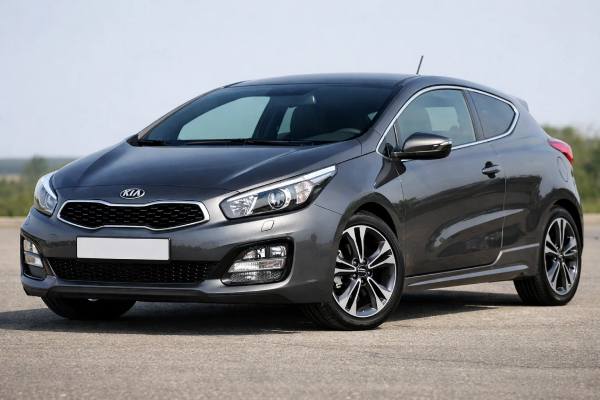

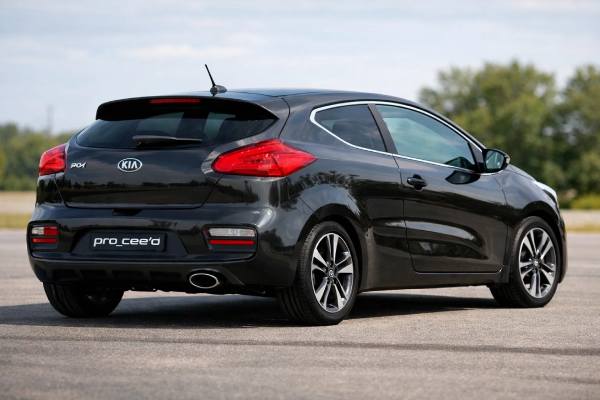
The 2015–2018 facelift Kia Pro Cee’d (JD) with the 1.6 U-II CRDi 110 hp diesel is a practical “daily” that leans into long-distance efficiency more than outright pace. It pairs a torque-forward turbo-diesel with a simple front-wheel-drive layout and a chassis that was tuned for European roads, so it can feel composed on motorways while staying easy to place in town. For owners, the appeal is straightforward: low fuel use on steady runs, a relaxed cruising character, and generally predictable servicing—if you treat the emissions hardware with respect. This variant rewards the right usage pattern: regular heat cycles, occasional longer drives, and timely fluid changes. Ignore those basics and the same strengths (diesel efficiency and aftertreatment) become the main ownership risks. In the sections below, you’ll find the core specs, what to watch on reliability, and how to keep the CRDi running clean and cost-effective.
Owner Snapshot
- Strong low-rpm pull for everyday driving, especially on inclines and when loaded.
- Very good motorway economy when driven steadily and fully warmed up.
- Mature ride and straight-line stability for a compact 3-door hatch.
- Main caveat: short trips can stress the DPF and EGR system over time.
- Plan oil and filter service every 10,000–20,000 km (6,000–12,000 mi) or 12 months, depending on duty cycle.
Jump to sections
- Pro Cee’d JD 1.6 CRDi at a glance
- Pro Cee’d JD diesel specs and capacities
- Pro Cee’d JD trim spotting and ADAS
- Diesel reliability hotspots and campaigns
- Service schedule and used-buy checklist
- Road manners and real mpg
- Diesel Pro Cee’d versus alternatives
Pro Cee’d JD 1.6 CRDi at a glance
If you’re choosing this Pro Cee’d for what it does best, think “efficient torque” rather than “hot hatch.” The 1.6 U-II CRDi 110 hp tune is designed to deliver usable pull in the low and mid range, where you spend most of your time in real traffic. In practice, it feels strongest from roughly 1,500 rpm upward, making it well suited to rolling country roads and steady motorway work. It is also one of the easier ways to run a JD Pro Cee’d on a fuel budget—provided the car gets regular longer drives so the diesel particulate filter (DPF) can do its job.
The facelift years (2015–2018) typically bring minor interior and infotainment improvements, plus trim packaging tweaks. Mechanically, the ownership story is familiar for modern small diesels: the engine itself can be durable, but the emissions and airflow systems (DPF, EGR valve/cooler, boost control hardware) are the parts most likely to generate “why is this warning light on?” moments. The good news is that most issues follow patterns and are preventable with sensible usage and maintenance.
From a chassis standpoint, the JD platform has a stable, European feel. Steering is generally light-to-medium with predictable responses; the Pro Cee’d body keeps things tidy in tight spaces, and the longer wheelbase for the class helps it track straight at speed. Noise and vibration (NVH) are typical for a 4-cylinder diesel: more audible at cold start and under load, calmer once warm and cruising.
Who is it for? Commuters who do mixed driving with regular motorway time, drivers who value fuel economy and torque, and buyers who want a compact 3-door that still feels “grown up.” Who should be cautious? City-only users, short-trip drivers in winter, and anyone unwilling to follow a conservative service plan.
Pro Cee’d JD diesel specs and capacities
Specs can vary by market, emissions standard, and gearbox pairing, so treat the figures below as the typical ranges for the facelift Pro Cee’d JD with the 1.6 U-II CRDi 110 hp diesel. Always verify against the VIN-specific handbook or service data for your exact car.
Powertrain and efficiency
| Item | Typical spec (facelift 2015–2018) |
|---|---|
| Engine code / family | U-II CRDi (common rail turbo-diesel) |
| Layout | Inline-4, DOHC, 16-valve |
| Displacement | 1.6 L (≈ 1,582 cc) |
| Induction | Turbocharged (intercooled) |
| Fuel system | Common-rail direct injection |
| Max power | 110 hp (≈ 81 kW) @ ~4,000 rpm |
| Max torque | ~260–280 Nm (≈ 192–207 lb-ft) @ ~1,500–2,500 rpm |
| Timing drive | Typically chain-driven (inspect for noise/stretch symptoms) |
| Rated economy (EU cycles) | ~3.6–4.5 L/100 km (≈ 52–65 mpg US / 63–78 mpg UK), market dependent |
| Real-world highway @ 120 km/h | ~5.0–5.8 L/100 km (≈ 41–47 mpg US / 49–57 mpg UK) |
Transmission and driveline
| Item | Typical spec |
|---|---|
| Transmission | 6-speed manual (common); some markets offered automatic on other outputs |
| Drive type | FWD |
| Differential | Open (traction managed by brake-based stability system) |
Chassis and dimensions
| Item | Typical spec |
|---|---|
| Front suspension | MacPherson strut |
| Rear suspension | Multi-link (common on JD in many markets) |
| Steering | Electric power steering |
| Brakes (front / rear) | Ventilated discs / solid discs (sizes vary with wheel package) |
| Most common tyre size | 205/55 R16 (also 195/65 R15 and 225/45 R17 by trim) |
| Length / width / height | ~4,310 mm / 1,780 mm / 1,470 mm |
| Wheelbase | ~2,650 mm |
| Turning circle | ~10.6 m |
| Ground clearance | ~140 mm (approx.) |
| Kerb weight | ~1,320–1,420 kg (varies by equipment) |
| Fuel tank | ~53 L |
| Cargo volume | ~380 L seats up / ~1,318 L seats down (method varies by source) |
Performance and capability
| Metric | Typical spec |
|---|---|
| 0–100 km/h (0–62 mph) | ~11.5–12.7 s |
| Top speed | ~182–190 km/h (113–118 mph) |
| Braking 100–0 km/h | ~37–41 m (tyres and conditions matter) |
| Towing | Often limited in some markets for 3-door hatches; verify VIN plate and handbook |
| Payload | Typically ~450–550 kg (varies by trim) |
Fluids and service capacities (decision-useful)
| Fluid / item | Typical spec (verify by VIN) |
|---|---|
| Engine oil | ACEA C2/C3-type low-ash oil for DPF; common grades 5W-30; capacity often ~5.3 L with filter |
| Coolant | Long-life coolant; capacity commonly ~6–7 L |
| Manual gearbox oil | Usually ~1.9–2.1 L (spec depends on gearbox code) |
| A/C refrigerant | R-134a (charge varies; often ~500–600 g) |
| Key torque specs (examples) | Wheel bolts ~90–110 Nm; oil drain plug ~30–40 Nm (confirm before tightening) |
Safety and driver assistance (high-level)
| Item | Typical spec (equipment varies) |
|---|---|
| Euro NCAP (Cee’d family, 2012 test baseline) | 5-star era rating; Adult 89%, Child 88%, Pedestrian 61%, Safety Assist 86% |
| Core systems | ESC, traction control, hill-start assist common |
| ADAS | Often limited vs newer cars; features like AEB or lane assist depend on market/trim and may be absent |
Pro Cee’d JD trim spotting and ADAS
Trim naming depends heavily on country, but the facelift Pro Cee’d generally follows a familiar ladder: entry trims focused on value, mid trims adding comfort and infotainment, and higher trims mixing cosmetic sport cues with convenience features. When shopping used, your real task is not memorizing trim names—it’s confirming the equipment you care about, and checking whether it’s present and working.
Trims and options that matter on this diesel
Look for these “functional” differences because they affect running costs and daily satisfaction:
- Wheel and tyre packages (15–17 inch): Bigger wheels can sharpen steering response but usually increase tyre cost and can raise road noise. If you want best comfort and economy, the common 16-inch setup is a sweet spot.
- Brake hardware: Some trims pair larger wheels with larger front discs. That can improve repeated braking feel but increases parts cost slightly.
- Heating and comfort packs: Heated seats and steering wheel are genuinely valuable on a diesel in cold climates because they reduce the temptation to idle for cabin heat.
- Infotainment generation: Later systems can be smoother and may integrate better with phones. Check screen response, Bluetooth stability, and whether the reversing camera (if fitted) is clear.
- Lighting: Projector or HID/LED-equipped trims can be a safety upgrade, but confirm headlamp condition and aim—poor output is often a “worn lens / bad bulb / misalignment” issue rather than a design flaw.
Quick trim-spotting cues
- Exterior badges: Some markets badge “CRDi,” others don’t. Don’t rely on badges alone.
- Instrument cluster: Higher trims often have a more detailed trip computer; that helps you track DPF-friendly usage (longer runs, steady speed).
- Cabin details: Climate controls, steering wheel buttons, and seat materials can quickly indicate whether you’re looking at a higher equipment level.
Safety ratings and what they mean here
In many markets, this generation was associated with strong crash structure performance for its era. The key practical point is equipment consistency: stability control, front/side airbags, and ISOFIX/LATCH anchor points are the backbone. If you’re buying for family use, confirm:
- ISOFIX positions and access in the rear seats (3-door access can be the limiting factor).
- Airbag warning lights do their normal self-check at startup and go out properly.
- ESC operation (no stored faults) because the car’s traction and stability strategies assume it works.
Driver assistance realities (2015–2018)
Expect “safety fundamentals” more than modern ADAS. Some cars may have lane warnings or other assists depending on market, but many diesel Pro Cee’d examples focus on ESC/traction rather than camera/radar features. If your example has any camera-based aids, remember calibration matters: windscreen replacement, bumper work, or wheel alignment can require re-checks to keep systems accurate.
Diesel reliability hotspots and campaigns
A well-used (in the right way) 1.6 U-II CRDi can be a long-lasting engine, but reliability depends on matching maintenance to usage. Below are the most common patterns to look for, mapped by prevalence and cost tier. Think in systems: air in, fuel in, exhaust out, and the drivetrain that handles torque.
Common (most likely)
- DPF loading (medium to high cost if ignored)
Symptoms: DPF warning, rising fuel use, frequent fan running, sluggish response.
Likely cause: Too many short trips, interrupted regenerations, or wrong oil spec (non low-ash).
Remedy: Confirm correct oil; run a sustained warm drive (steady speed) if safe/legal; diagnose soot/ash load with proper tools. Avoid repeated forced regens without understanding why it’s loading. - EGR valve/cooler fouling (medium cost)
Symptoms: Hesitation, uneven idle, smoke under load, fault codes.
Likely cause: Soot buildup accelerated by low-load operation and short trips.
Remedy: Clean/replace as needed; check for software updates where applicable; ensure intake air path is healthy. - Boost control leaks or sticky actuators (medium cost)
Symptoms: Underboost/overboost codes, limp mode, inconsistent power.
Likely cause: Split vacuum/boost hoses, sticky variable-geometry mechanism, sensor drift.
Remedy: Pressure/vacuum test, inspect intercooler hoses, verify sensors before replacing turbo parts.
Occasional (depends on mileage and driving style)
- Injector sealing / combustion blow-by (medium cost)
Symptoms: Diesel smell, ticking noises, soot around injectors, hard starts.
Cause: Seal deterioration or improper torque after prior work.
Remedy: Address early; prolonged blow-by can damage seats and increase repair cost. - Dual-mass flywheel (DMF) and clutch wear (medium to high cost)
Symptoms: Rattle at idle, vibration on take-up, judder, noisy shutdown.
Cause: City driving, lugging in high gear, towing beyond typical use.
Remedy: Replace clutch and DMF as a set when worn; check engine mounts too. - Cooling system age issues (low to medium cost)
Symptoms: Slow warm-up, overheating in traffic, coolant smell.
Cause: Thermostat sticking, hose seepage, radiator cap fatigue.
Remedy: Fix promptly; diesels dislike repeated overheat events.
Rare (but important)
- High-pressure fuel system contamination (high cost)
Symptoms: No-start, metallic debris, injector/pump failure.
Cause: Contaminated fuel or water ingress; neglected fuel filter.
Remedy: Strict filter discipline; if contamination occurs, repairs can escalate quickly.
Software, calibrations, and service actions
Even without listing campaign codes, the smart approach is consistent: verify the car is fully up to date for engine management and emissions control calibrations, because many “diesel drivability” complaints end up being a combination of soot loading and outdated strategy. Ask for evidence of dealer visits, and ensure any warning lights have been investigated properly—not just cleared.
Pre-purchase reliability checks to request
- Full service history with oil spec noted (DPF-compatible low-ash oil).
- Proof of regular longer journeys (owner interview + trip computer averages help).
- Scan for stored faults and check live data (soot load, EGR position, boost targets).
- Listen for DMF chatter, test cold start behavior, and confirm stable idle once warm.
- Verify recall status using an official VIN-based checker and dealer records.
Service schedule and used-buy checklist
A diesel Pro Cee’d stays cheap when you treat servicing as prevention, not reaction. Factory schedules can be optimistic for light-duty motorway use; many owners benefit from a “severe use” plan if they drive short trips, sit in traffic, or see cold winters.
Practical maintenance schedule (distance/time)
Use this as a conservative template; adjust to your official handbook if it differs.
| Item | Suggested interval (typical) | Notes |
|---|---|---|
| Engine oil and filter | 10,000–20,000 km (6,000–12,000 mi) or 12 months | Short-trip city use: closer to 10,000 km |
| Air filter (engine) | 20,000–30,000 km | More often in dusty areas |
| Cabin filter | 12 months | Improves HVAC and demist performance |
| Fuel filter (diesel) | 30,000–60,000 km | Critical for injector and pump health |
| Brake fluid | Every 2 years | Moisture control for pedal feel and corrosion |
| Coolant | 5 years (then per handbook) | Confirm coolant type and mix ratio |
| Manual gearbox oil | 80,000–120,000 km (optional but smart) | Helps shift quality and bearing life |
| Glow plugs (inspect) | 120,000–160,000 km | Replace as a set if weak |
| Auxiliary belt and tensioner | Inspect every service; replace by condition | Listen for chirps, inspect cracking |
| DPF health check | Periodic scan | Especially if driving pattern changes |
Fluid specs and “buying decision” checks
- Oil spec matters more than brand. Use a DPF-friendly low-ash oil matching the required ACEA category and viscosity for your climate. Wrong oil increases ash accumulation in the DPF (not the same as soot) and shortens DPF life.
- Watch coolant condition. A neglected coolant system can cause slow warm-up (bad for economy and emissions) or overheating (bad for everything).
- Brake service is more than pads. Check caliper slide pins, rear brake wear patterns, and corrosion—especially on cars used in winter.
Used-buyer inspection checklist (quick but thorough)
Bring a torch, a cheap OBD scan tool (or arrange a professional scan), and do the test drive from cold if possible.
- Cold start: quick fire-up, no extended cranking, no excessive knocking.
- Idle quality: stable idle after initial warm-up; no hunting.
- Smoke check: a brief puff can be normal; persistent smoke under load is not.
- Boost behavior: smooth pull without sudden limp mode; listen for hiss (boost leak).
- Clutch/DMF: no heavy vibration, no metallic rattle at idle with clutch engaged.
- DPF clues: ask about warning lights and whether the car regularly does longer drives.
- Underside and leaks: oil misting is one thing; active drips are another.
- Electrics: windows, locks, infotainment, sensors, and HVAC all working—small faults add up.
- Tyres and alignment: uneven wear can indicate suspension bush wear or alignment issues.
Long-term durability outlook
With correct oil, a sensible fuel filter interval, and a driving pattern that allows full warm operation, this diesel can deliver a strong cost-per-kilometre story. The expensive surprises tend to come from neglected emissions hardware or driveline torque wear, not from routine mechanical fragility.
Road manners and real mpg
The 1.6 CRDi 110 suits the Pro Cee’d’s role as a compact, grown-up commuter. It’s not a fast engine by modern standards, but it’s a satisfying one when you drive it in its comfort zone.
Ride, handling, and NVH (real-world feel)
- Straight-line stability: One of the JD’s strengths. On motorways, it tracks cleanly and doesn’t require constant correction, especially on the common 16-inch wheel setups.
- Cornering balance: Neutral and predictable. It won’t feel playful like a true performance hatch, but it doesn’t feel clumsy either.
- Steering: Typically light at parking speeds and more consistent once moving. Feedback is adequate rather than chatty—good for daily work, less exciting for spirited driving.
- Braking feel: Usually confident for normal driving. If you notice a soft pedal, suspect old brake fluid, tired pads, or caliper slide issues before blaming the system design.
- Cabin noise: Cold starts are clearly “diesel,” and acceleration brings a noticeable engine note. At steady cruise once warm, it settles down and becomes a quiet long-distance companion.
Powertrain character (how it delivers)
This engine’s character is about torque availability. It encourages short-shifting and steady throttle rather than chasing rpm. In stop-start traffic, you may feel a little lag below the main boost threshold, but once on boost it’s easy to keep pace without constant downshifts. With a 6-speed manual, the gearing usually supports relaxed cruising; just avoid lugging the engine at very low rpm in a high gear, which can stress the DMF and increase soot formation.
Real-world economy: what to expect
If you drive primarily:
- City-only, short trips: ~6.5–8.0 L/100 km (29–36 mpg US / 35–43 mpg UK) and a higher risk of DPF/EGR issues.
- Mixed use: ~5.2–6.4 L/100 km (37–45 mpg US / 44–54 mpg UK).
- Motorway at 120 km/h: commonly ~5.0–5.8 L/100 km (41–47 mpg US / 49–57 mpg UK) with the engine fully warm.
Cold weather can raise consumption and shorten the margin for passive DPF regeneration. If your usage is mostly short journeys, plan one longer, steady run regularly (when safe and legal) to keep the aftertreatment system healthy.
Performance metrics that actually change your verdict
For many buyers, the meaningful metric isn’t 0–100 km/h; it’s how effortlessly the car holds speed on grades and how often you need to shift. This CRDi does well there. If you need consistently brisk overtakes at higher speeds with a full load, the higher-output diesels or turbo petrols will feel easier—but they often cost more to buy and may not beat the 110 for simple, efficient commuting.
Diesel Pro Cee’d versus alternatives
The facelift Pro Cee’d 1.6 CRDi 110 sits in a niche that has thinned out: a 3-door compact hatch with a torque-efficient diesel. To judge it fairly, compare it on the same “use case” basis: commute comfort, long-distance fuel cost, and predictable ownership—rather than only horsepower.
Versus mainstream C-segment diesels (Golf, Leon, i30, Astra-era rivals)
- Strengths of the Pro Cee’d diesel:
- Usually strong value for money on the used market for the equipment you get.
- Stable motorway manners and a relaxed diesel cruising feel.
- Straightforward mechanical layout that most independent shops understand.
- Where rivals can win:
- Some competitors offer broader gearbox choices or more advanced driver assistance, especially in later model years.
- Cabin materials and infotainment polish can be a step up in certain trims on German-brand alternatives.
- Wider aftermarket tuning and parts ecosystem for popular fleet models.
Versus petrol Pro Cee’d variants (including small turbos)
If your driving is mostly short trips, a petrol model is often the smarter ownership choice because it avoids DPF-related risks. The diesel’s advantage shows up with regular longer runs and higher annual mileage. A simple rule of thumb:
- Choose the diesel if you do frequent motorway travel and want low steady-state consumption.
- Choose petrol if you do mainly city driving, school runs, and winter short trips.
Versus modern electrified options (HEV/PHEV/BEV)
For many buyers, the diesel still makes sense where charging is inconvenient or where long, high-speed travel is routine. Electrified cars can reduce energy cost, but they add different ownership variables: charging access, battery health, and higher purchase prices. The Pro Cee’d diesel remains attractive when you want a conventional refuel-and-go routine and you’re willing to keep emissions hardware healthy through correct usage.
Bottom-line value verdict
A good example of the 1.6 CRDi 110 is a “smart” car rather than an exciting one: it trades peak performance for long-run efficiency and mature road behavior. Buy it with the right usage pattern in mind, confirm service history and emissions health, and it can be one of the more cost-effective ways to cover distance in a compact, well-mannered hatch.
References
- Engine Oil Grades and Capacities 2023 (Service and Maintenance)
- Service Intervals V25.1 2025 (Service and Maintenance)
- Check if a vehicle, part or accessory has been recalled – GOV.UK 2026 (Recall Database)
- Kia C’eed – Crash Test 2012 2012 (Safety Rating)
- LE GUIDE KIA FLEET 2018 (Product and Efficiency Overview)
Disclaimer
This article is for informational purposes only and is not a substitute for professional diagnosis, inspection, or repair. Specifications, torque values, service intervals, and procedures can vary by VIN, market, model year, and installed equipment. Always verify details using your vehicle’s official owner’s manual and service documentation, and consult a qualified technician for safety-critical work.