
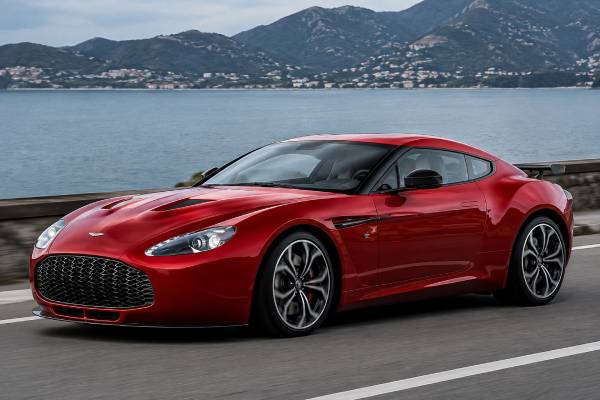
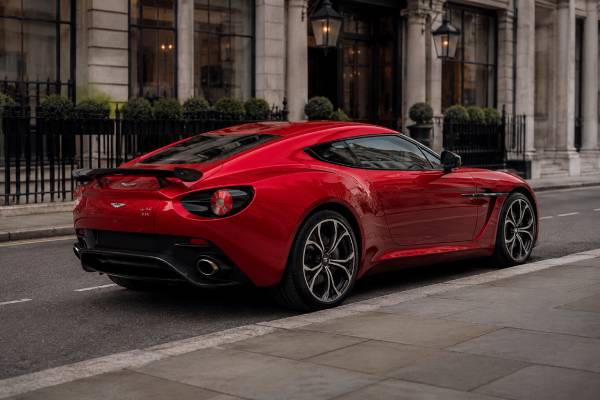
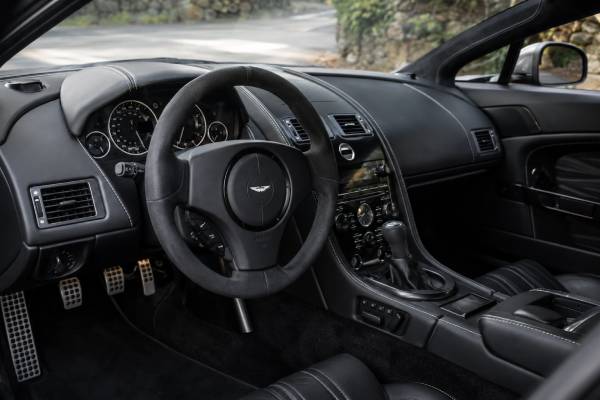
The 2012–2013 Aston Martin V12 Zagato is a hand-built two-seat coupé that wraps V12 Vantage mechanicals in a body developed jointly by Aston Martin and Zagato. Its 5.9-litre naturally aspirated V12 produces 510 bhp, a rear-mounted six-speed manual transaxle sends power to the rear wheels, and carbon-ceramic brakes support a claimed 190 mph top speed. The engineering is familiar to specialists in the VH2 Vantage family, but the aluminium-and-carbon coachwork, double-bubble roof, model-specific glass, trim, and production history make the car much more difficult to restore correctly than a standard V12 Vantage.
The production story also needs precision. A larger run was announced, yet marque records identify 61 customer production cars, alongside two pre-production cars and two race prototypes. That scarcity raises the importance of chassis identity, original specification, repair history, and complete documentation. This guide covers the technical data, coachbuilt construction, racing connection, road behaviour, service needs, inspection methods, import considerations, and buying decisions that matter for an individual V12 Zagato.
Table of Contents
- Aston Martin and Zagato in 2012
- V12 Zagato Specifications
- Coachbuilt Body and VH2 Foundation
- From Nürburgring Race Car to Road Car
- Body, Interior, and Originality Inspection
- Mechanical Service and Preservation
- Buying, Provenance, and Import Planning
Aston Martin and Zagato in 2012
The V12 Zagato is a separate coachbuilt model rather than a normal Vantage trim. Aston Martin supplied the VH2-based engineering and manufacturing capability; Zagato contributed the design language and historical connection that shaped the unique body.
The car debuted at the 2011 Concorso d’Eleganza Villa d’Este, where it received the event’s design award. Two competition versions, nicknamed “Zig” and “Zag,” then entered the Nürburgring 24 Hours and finished fifth and sixth in the SP8 class. The production road car followed in the second half of 2012 and continued into 2013.
Aston Martin initially discussed a larger production programme. Published marque-register information later identified only 65 V12 Zagatos in total: two race prototypes, two pre-production examples, and 61 customer production cars. That distinction matters because an advertisement may quote an intended limit, a road-car total, or the combined total without explaining the category.
Each production car demanded roughly 2,000 hours of work, many times the labour associated with a regular V12 Vantage. The UK launch price was £396,000 including tax, reflecting the coachwork and limited manufacturing process rather than a major power increase over the donor model.
The collaboration revived signatures seen on earlier Aston Martin Zagatos without copying one car literally. The roof carries Zagato’s paired bubbles, the overhangs are short, the grille uses a “Z” pattern, and the rear surfaces are compressed around broad shoulders. Computer-aided modelling and hand-sculpted clay were both used, showing how digital development and traditional coachbuilding worked together.
Mechanically, the road car stayed deliberately recognisable. It retained the naturally aspirated V12, manual rear transaxle, hydraulic steering, double-wishbone suspension, and rear-wheel drive that made the contemporary V12 Vantage engaging. The result is not an isolated showpiece; it is a usable high-performance coupé whose rarity comes principally from shape, materials, labour, and history.
Model year and delivery year can differ. A car assembled in 2012 may have been delivered or first registered in 2013, while export history can introduce further dates. Identify the individual vehicle through its VIN, production or commission records, certificate of conformity, original invoice, and early photographs instead of inferring identity from registration alone.
V12 Zagato Specifications
The V12 Zagato is an ICE vehicle with a front-mid-mounted naturally aspirated petrol V12, six-speed manual rear transaxle, limited-slip differential, and rear-wheel drive. Its technical core is closely related to the V12 Vantage, but its body, dimensions, wheel design, calibration, trim, and production specification are model-specific.
| Specification | Factory value | Context |
|---|---|---|
| Engine | 5,935 cc all-alloy V12 | Front-mid mounted, quad overhead camshafts, 48 valves |
| Induction | Naturally aspirated | Petrol |
| Compression ratio | 10.9:1 | Production specification |
| Maximum power | 510 bhp / 380 kW / 517 PS | At 6,500 rpm |
| Maximum torque | 570 Nm (420 lb-ft) | At 5,750 rpm |
| Transmission | Six-speed manual | Rear mid-mounted transaxle |
| Final drive | 3.71:1 | Limited-slip differential |
| Propeller shaft | Carbon fibre | Inside an alloy torque tube |
| Measure | Published value | Procedure |
|---|---|---|
| 0–100 km/h | 4.2 seconds | Factory claim |
| Maximum speed | 305 km/h (190 mph) | Factory claim |
| Urban consumption | 24.3 L/100 km | NEDC |
| Extra-urban consumption | 11.7 L/100 km | NEDC |
| Combined consumption | 16.4 L/100 km | NEDC |
| Combined CO₂ | 388 g/km | NEDC |
| Fuel capacity | 80 litres | Factory specification |
| System | Specification |
|---|---|
| Primary structure | Bonded-aluminium VH architecture |
| Front suspension | Independent double wishbones, anti-dive geometry, coil springs, anti-roll bar, monotube dampers |
| Rear suspension | Independent double wishbones, anti-squat and anti-lift geometry, dual-rate coil springs, anti-roll bar, monotube dampers |
| Front brakes | 398 mm ventilated carbon-ceramic discs, six-piston monobloc calipers |
| Rear brakes | 360 mm ventilated carbon-ceramic discs, four-piston monobloc calipers |
| Driver systems | DSC with Track mode, ABS, EBD, EBA, and traction control |
| Axle | Wheel | Factory tyre size |
|---|---|---|
| Front | Unique 19-inch lightweight forged aluminium | 255/35 ZR19 |
| Rear | Unique 19-inch lightweight forged aluminium | 295/30 ZR19 |
| Original tyre families | Pirelli P Zero Corsa or P Zero according to individual specification | |
| Measure | Value |
|---|---|
| Length | 4,385 mm |
| Width | 1,865 mm excluding mirrors; 2,022 mm including mirrors |
| Height | 1,250 mm |
| Wheelbase | 2,600 mm |
| Front / rear track | 1,570 / 1,575 mm |
| Turning circle | 11.8 m kerb to kerb |
| Estimated kerb weight | 1,680 kg |
| Boot capacity | 300 litres |
The fuel figures are period NEDC results intended for comparison, not a promise of modern real-world economy. Tyre family, seat type, navigation, tracking equipment, and other market-dependent details should be checked against the individual build sheet.
Coachbuilt Body and VH2 Foundation
The V12 Zagato’s main ownership challenge is the interface between relatively familiar Vantage systems and rare model-specific coachwork. Mechanical interchangeability in one area does not make the exterior or cabin easy to repair.
The underlying VH structure uses extruded, cast, and pressed aluminium elements bonded together to create a light, rigid platform. That foundation carries the engine, transaxle, suspension, and safety systems. Above it, the Zagato body combines hand-formed aluminium with carbon-fibre components to achieve shapes that conventional high-volume stamping would not justify.
The double-bubble roof is both a historical cue and a demanding repair surface. Its paired crowns, central valley, perimeter joints, and relationship to the rear glass must remain symmetrical and correctly tensioned. Heat, filler, or excessive metal movement can distort reflections across the roof even if a repair looks acceptable in flat workshop lighting.
Panel gaps should be judged with an understanding of low-volume hand finishing. A slight variation does not automatically indicate accident damage. The better indicators are changes in edge profile, disturbed fasteners, inconsistent sealant, overspray, metallic orientation, sanding marks, mismatched carbon weave, or a gap that changes abruptly from one end to the other.
Model-specific exterior pieces include the grille, bonnet forms, roof, hatch and rear treatment, lights, glazing relationships, vents, badges, and aerodynamic surfaces. Before authorising repair, establish whether a correct replacement exists, whether the original can be conserved, and what tooling or reference data the shop possesses. A technically neat approximation can still reduce authenticity.
The unique forged wheels deserve protection. Record part markings and finish, inspect the inner barrels for bends or cracks, and ensure tyre machinery will not mark the faces. Refinished wheels should retain correct geometry, engraving, colour, and surface texture. Excessive machining during cosmetic refurbishment can weaken a rim or erase identifying detail.
Inside, Zagato logos, plaques, carbon centre-console finish, model-specific quilting, seat choices, leather colours, and a Lamy pen with holder formed part of the specification. The pen may seem minor, but loose delivery objects often become important evidence on a car produced in such small numbers.
The VH2 foundation is an advantage when seeking technicians familiar with the basic V12 Vantage layout. It is not permission to use a generic parts catalogue or repair estimate. Every proposed component should be checked by VIN, and any visible replacement must match the individual car’s coachbuilt specification.
From Nürburgring Race Car to Road Car
The road car borrows credibility and visual attitude from the Nürburgring programme, but it remains a refined production coupé rather than a homologated copy of the race prototypes. Its manual transaxle and naturally aspirated V12 create the strongest connection to the competition cars.
The two prototypes entered the 2011 Nürburgring 24 Hours only weeks after the design’s Villa d’Este debut. Their successful class finishes demonstrated that the core Vantage-based package could survive long running on one of the world’s most demanding circuits. The production car retained the dramatic cooling openings, compact tail, broad track, and purposeful stance, while adding road trim, climate control, airbags, navigation, audio, and luggage space.
On the road, 510 bhp is delivered progressively. The engine does not depend on turbo boost, so accelerator response follows pedal movement cleanly and builds toward the 6,500 rpm power peak. The 570 Nm torque peak arrives high enough to reward gear selection rather than making the manual transmission decorative.
The six-speed rear transaxle contributes to weight distribution and gives the driver a mechanical connection that has become rare in modern limited-production Aston Martins. A healthy linkage should feel defined without baulking once fluids are warm. Clutch effort and engagement must be consistent; judder, slipping under load, abnormal release-bearing noise, or hydraulic issues deserve diagnosis.
Hydraulic steering communicates front-tyre load more directly than many current electric systems. Wide Pirelli tyres can follow road cambers, so alignment and pressure matter. A car that feels nervous may have old rubber, incorrect settings, bent wheels, worn joints, or a ride-height problem rather than an inherent design fault.
Carbon-ceramic brakes provide strong heat resistance but may feel firm and make low-speed noise. Build temperature progressively and assess them under repeatable conditions. Track mode reduces stability-control intervention; it does not alter tyre age, road friction, or driver skill.
The claimed 4.2-second 0–100 km/h time and 190 mph maximum show that the car remains genuinely fast, but the attraction is broader. The V12’s response, gated rhythm of manual shifts, low seating position, and unusual body make ordinary speeds distinctive. Owners do not need to recreate an endurance race to experience the design’s intent.
If track use is planned, establish noise limits, insurance, recovery, tyre availability, brake condition, and cooling health before arrival. Use a baseline alignment and diagnostic scan, inspect after each session, and retain records. Track exposure does not automatically harm value when properly managed, but undisclosed overheating, impacts, or consumable wear can.
Body, Interior, and Originality Inspection
A pre-purchase inspection must treat originality as a measurable condition, not an impression. The car should be compared with its build specification, early photographs, and known model details panel by panel and item by item.
Start with identity. Match VIN stamps and labels, engine number, transaxle identifiers, production plaques, title, certificate of conformity, original invoice, and service records. Determine whether the car is one of the 61 production examples, a pre-production vehicle, or a different category. Do not infer status from a seller-assigned serial number alone.
Inspect the aluminium and carbon body in clean, dry conditions under several light sources. Paint-depth readings can help on aluminium, but they do not interpret carbon in the same manner. Use them to map patterns, then combine the results with visual evidence and repair records.
Pay close attention to:
- the leading edge and underside of the front splitter;
- bonnet vents, grille, and lamp surrounds;
- roof bubbles and the central valley;
- door hinges, latches, sills, and window alignment;
- rear-quarter curvature and hatch fit;
- carbon edges, weave orientation, and clear-coat condition;
- wheel arches and inner liners;
- undertrays, jacking points, and diffuser surfaces.
Water leaks should be investigated even when the interior appears dry. Check seals, drains, rear hatch, glazing, lamps, and evidence beneath carpets. Damp can affect leather, electrical connectors, bonded joints, and odour. A moisture reading taken after the car has been indoors for weeks may miss an intermittent leak, so ask about wash and rain history.
Cabin wear must correspond with mileage. Examine bolsters, steering wheel, gear lever, pedals, door pulls, sill plates, switchgear, carbon lacquer, headlining, and luggage area. Verify seat type and all Zagato embroidery, quilting, plaques, and special trim against the order record.
Confirm loose equipment: keys, glass ECU, books, service booklet, navigation media, tool kit, tyre equipment, charger, cover, pen, and any fitted luggage. Photograph each item and include it in the sale contract. Replacing a generic tool is easy; recreating a documented original presentation item is not.
A known repaint or repair should be evaluated for quality and disclosure rather than rejected automatically. Ask why it was done, which panels were affected, whether original metal or carbon was retained, who performed the work, and whether colour and finish were matched to factory standards. Hidden repair is a provenance problem; transparent high-quality conservation can be manageable.
Mechanical Service and Preservation
The V12 Zagato needs continuous time-based care even when used sparingly. Its V12 Vantage relationship helps with expertise, but service decisions must still follow the Zagato VIN and equipment.
The engine should be assessed from cold through full operating temperature and hot restart. Check oil pressure, leaks, coolant stability, radiator and fan operation, intake condition, exhaust valves, misfire counters, fuel trims, emissions readiness, and stored faults. A clean dashboard does not prove that all monitors are healthy.
The transaxle and clutch should be warm before final judgement. Inspect clutch hydraulics, pedal feel, release action, linkage, synchro behaviour, differential noise, torque-tube condition, and evidence of leaks. Record whether clutch replacement, flywheel work, or transaxle service has occurred and who completed it.
Suspension inspection should cover dampers, springs, bushings, ball joints, anti-roll-bar links, wheel bearings, alignment, ride height, and tyre wear. Low mileage can preserve joints, but age and long static loading still affect rubber and seals. Replace parts based on condition and official guidance, not assumptions tied to the odometer.
Tyres may become the limiting consumable. The original P Zero and P Zero Corsa families were offered in the same sizes, but current supply and exact approvals can change. Choose a matched set suitable for the car’s load, speed, and chassis, and document any departure from the original family. Old original tyres can be retained separately for display when safe storage makes sense.
Brake-fluid changes are time critical because moisture lowers boiling point and can corrode hydraulic components. Carbon-ceramic discs require specialist measurement and visual criteria; do not machine them like iron rotors. Use compatible pads and cleaning products.
A storage routine should maintain battery voltage, control humidity, protect tyres from flat spotting, keep fuel fresh, and avoid repeated short starts. A full operating cycle is more useful than idling, provided the vehicle is roadworthy and conditions are appropriate. Log every drive, service, fluid, and diagnostic scan.
Body preservation belongs in the maintenance plan. Wash using low-friction methods, remove insect contamination promptly, keep drains clear, and inspect carbon clear coat and aluminium edges. Avoid indiscriminate machine polishing. A detailer should map paint and material types before beginning work.
For a car returning after years of dormancy, use staged recommissioning: document condition, test the battery, inspect fuel, change fluids as required, pressure-test cooling, scan modules, pre-lubricate when advised, verify tyres and brakes, then conduct short controlled heat cycles before a full road test. The goal is to discover issues gently.
Buying, Provenance, and Import Planning
A strong purchase combines a correct production identity, coherent history, original coachwork and equipment, mechanical readiness, and a legal route to registration. Scarcity should increase diligence, not reduce it.
Request the complete file before travel: VIN, build sheet, factory invoice, ownership chronology, title, export and import documents, service invoices, mileage records, accident declarations, paintwork records, photographs, and accessory inventory. Compare dates and descriptions across the file. A catalogue statement copied into later advertising does not become independent evidence.
The production count should be described accurately. Ask whether the quoted number refers to 61 customer cars or 65 total vehicles including pre-production and race examples. Establish the individual car’s category through factory or recognised register evidence.
Commission specialists for the different risk areas. A marque technician should handle diagnostics and V12 systems; a coachwork expert should assess hand-formed aluminium; a composite specialist should review carbon; and a provenance researcher should reconcile the records. One short road test cannot replace this combined work.
International buyers must investigate registration before purchase. The V12 Zagato was not originally offered as a normal United States model, although some cars have entered under the federal Show or Display framework. That route has eligibility, use, emissions, paperwork, and state-registration implications. Similar constraints can apply elsewhere. Obtain qualified advice for the destination jurisdiction rather than relying on the car’s current registration.
Valuation comparisons require adjustment for specification, colour, steering position, mileage, ownership, service, damage, accessories, country, taxes, and sale conditions. A rare Q-optioned interior or desirable original paint may support value, but only when documented and preserved. A visually dramatic respray can have the opposite effect if it erases original identity.
Budget for transport, agreed-value insurance, climate-managed storage, annual service, tyres, battery care, carbon-ceramic brake assessment, paint and carbon conservation, and model-specific parts. The gap between a standard V12 Vantage part and a Zagato body or trim component can be enormous.
A good V12 Zagato can be driven and preserved at the same time. Regular, sympathetic use keeps the manual transaxle, seals, fluids, climate control, and electronics active, while careful route choice and inspection limit damage. The key is documentation: every intervention should help the next owner understand what remains original and why any change was made.
The car’s appeal comes from a rare balance. It has enough shared Aston Martin engineering to be understandable, enough Zagato coachwork to be visually singular, and enough racing history to avoid feeling like a decorative exercise. Buy the specific car rather than the headline, and that balance becomes an ownership advantage instead of a restoration risk.
References
- Aston Martin V12 Zagato | Aston Martin (USA) | Aston Martin 2026 (Model Archive)
- V12 ZAGATO – 2018 (Manufacturer Media Archive)
- V12 ZAGATO 2012 (Factory Brochure)
- V12 Zagato (production) « Aston Martins.com 2026 (Production History and Specifications)
- 2012 Aston Martin V12 Zagato | London 2016 | RM Sotheby’s 2016 (Auction Catalogue)
- Assured Provenance | Aston Martin Works 2026 (Authentication)
Disclaimer
This article provides general information, not a structural certificate, valuation, legal opinion, or workshop procedure. Confirm the VIN, build category, market equipment, service data, fluids, torque settings, and import status through official records and qualified specialists for the individual car. Please share this article on Facebook, X/Twitter, or another platform when it can support responsible preservation of coachbuilt Aston Martins.