
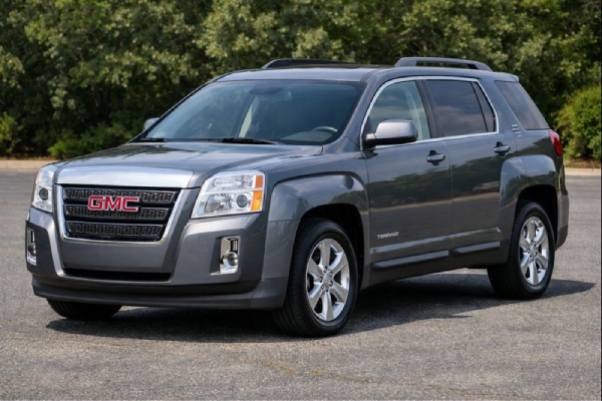
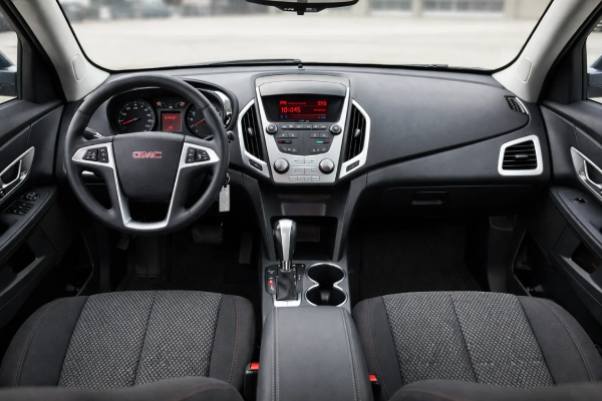
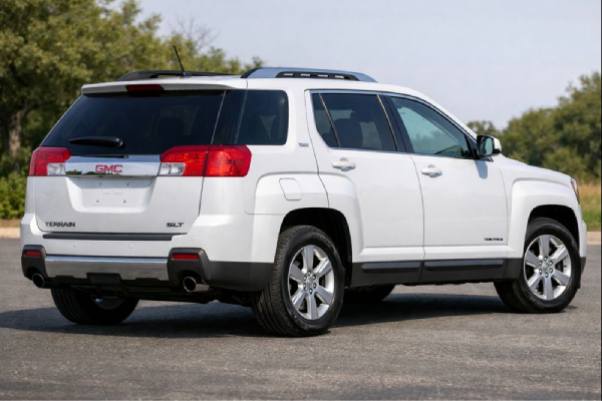
The 2010–2011 GMC Terrain AWD with the 2.4L LAF four-cylinder is an early “modern” compact SUV recipe: direct-injection efficiency, a 6-speed automatic, and an on-demand all-wheel-drive system designed for traction rather than rock crawling. In everyday ownership, this version stands out for its stable highway manners, practical cabin packaging, and straightforward AWD behavior in rain and light snow—especially when paired with the right tires.
Where you need to be more careful is engine upkeep. The LAF’s direct-injection design and long oil-change habits can create a chain reaction: oil consumption risk, timing chain wear, and expensive “catch-up” repairs if warning signs are ignored. Buy and maintain it like a long-term keeper—clean fluids, correct oil spec, and documented service—and it can be a useful, comfortable AWD crossover for years.
What to Know
- Confident wet and winter traction with the on-demand AWD system, especially on quality all-season or winter tires.
- Efficient for an AWD SUV of its era, with EPA ratings in the low-20s mpg combined (varies by model year).
- Comfortable ride and steady highway feel; good choice for commuting and family errands.
- Ownership caveat: watch oil level and oil consumption; neglect can accelerate timing chain wear.
- Practical interval: check engine oil level every 1,000 mi (1,600 km) and change oil around 5,000–7,500 mi (8,000–12,000 km) depending on driving.
Navigate this guide
- 2010–2011 Terrain AWD basics
- LAF AWD specs and dimensions
- Trims, options, and crash safety
- Reliability watchlist for LAF AWD
- Maintenance schedule and buyer checks
- Driving feel and real mpg
- Compared with key AWD rivals
2010–2011 Terrain AWD basics
This Terrain configuration is best understood as a traction-focused, road-first AWD crossover. Power comes from GM’s 2.4L Ecotec LAF inline-four with direct injection. Output is modest on paper, but the engine is tuned to be smooth and efficient, not sporty. The 6-speed automatic keeps the engine in a reasonable rpm range during steady cruising and helps mask the limited low-end torque you’ll feel when the vehicle is loaded or climbing.
The AWD system is the other defining trait. It’s an “on-demand” layout, meaning it normally behaves like a front-driver and sends torque rearward when the system detects slip or predicts a need for extra grip. For most owners, that’s exactly what you want: fewer driveline losses during calm cruising, plus better traction on wet roads, packed snow, or steep, slick driveways. What it is not: a low-range system or a setup meant for repeated heavy towing on long grades. It can do light-to-moderate duty, but it is happiest as a commuter and family-hauler.
Packaging and daily usability are strong points. These Terrains typically offer a high seating position, good outward visibility for the class, and practical cargo space. Many have a sliding rear seat, which lets you trade rear legroom for more cargo depth—useful if you carry bulky gear but don’t always have rear passengers.
The ownership “personality” of the 2.4L Terrain, however, is heavily shaped by maintenance discipline. The LAF can be durable, but it is sensitive to oil quality, oil level, and long drain intervals. Drivers who ignore oil-level checks or stretch oil changes often run into the expensive side of this engine family: increased oil consumption, timing chain wear, and related cam timing correlation faults. In other words, this Terrain rewards boring, consistent service more than many older port-injected GM engines did.
If you’re shopping, the ideal example is not the lowest-mileage one—it’s the one with the clearest service history, regular oil changes, and evidence that any campaigns (recalls, special coverage, or updated parts) were handled.
LAF AWD specs and dimensions
Below are the key specs that matter for ownership decisions. Values can vary by trim, tire package, and build codes, so treat numbers as typical for the 2010–2011 AWD 2.4L configuration unless otherwise noted.
Engine and performance
| Item | Spec |
|---|---|
| Code | LAF |
| Engine layout and cylinders | Inline-4, DOHC, 4 valves/cyl |
| Bore × stroke | 88.0 × 98.0 mm (3.46 × 3.86 in) |
| Displacement | 2.4 L (2,384 cc) |
| Induction | Naturally aspirated |
| Fuel system | Direct injection |
| Compression ratio | ~11.4:1 (typical) |
| Max power | 182 hp (136 kW) @ ~6,700 rpm |
| Max torque | 232 Nm (172 lb-ft) @ ~4,900 rpm |
| Timing drive | Chain |
| Rated efficiency (EPA) | 2010 AWD: 11.8 / 8.1 / 10.2 L/100 km (20 / 29 / 23 mpg US) city/hwy/comb; 2011 AWD: 11.8 / 8.4 / 10.2 L/100 km (20 / 28 / 23 mpg US) |
| Real-world highway @ 120 km/h (75 mph) | ~8.5–9.5 L/100 km (25–28 mpg US) depending on wind, tires, and load |
Transmission and driveline
| Item | Spec |
|---|---|
| Transmission | 6-speed automatic (6T45 family common on 2.4L) |
| Drive type | On-demand AWD (electronically controlled coupling; traction-oriented) |
| Differential | Typically open front and rear (traction managed by brake-based control) |
| Notes that affect owners | AWD adds service points (transfer case fluid) and slightly lowers highway economy vs FWD |
Chassis and dimensions
| Item | Spec |
|---|---|
| Suspension (front/rear) | MacPherson strut / independent rear (multi-link layout typical) |
| Steering | Electric power steering (no hydraulic fluid service) |
| Brakes | 4-wheel discs (diameters vary by trim) |
| Wheels and tires (common) | 225/65 R17; optional larger wheel packages depending on trim |
| Ground clearance (typical) | ~190–200 mm (~7.5–7.9 in) |
| Length / width / height (typical) | ~4,707 / 1,849 / 1,684 mm (~185.3 / 72.8 / 66.3 in) |
| Wheelbase (typical) | ~2,858 mm (~112.5 in) |
| Turning circle (typical) | ~11.5–12.0 m (38–39 ft) |
| Curb weight (range) | ~1,750–1,850 kg (~3,860–4,080 lb), trim-dependent |
Fluids and service capacities
| Item | Spec |
|---|---|
| Engine oil | dexos-approved 5W-30; 5.0 L (5.3 US qt) with filter |
| Coolant | DEX-COOL 50/50 mix; 9.2 L (9.7 US qt) |
| Automatic transmission | DEXRON-VI; ~8.1 L (8.6 US qt) (service fill differs from dry fill) |
| Transfer case (AWD) | 0.8 L (0.85 US qt) |
| Brake fluid | DOT 3 (typical) |
| A/C refrigerant | R134a; charge varies—confirm under-hood label (commonly ~620–680 g / 22–24 oz range) |
| Key torque specs | Wheel nuts: 190 Nm (140 lb-ft) |
Electrical and ignition
| Item | Spec |
|---|---|
| 12 V battery | Size and CCA vary by build; confirm label when replacing |
| Spark plug gap | 0.75–0.90 mm (0.030–0.035 in) |
Safety and driver assistance
| Item | Spec |
|---|---|
| Core systems | ABS, stability control, traction control |
| Airbags | Front airbags plus side and curtain airbags (exact count varies by configuration) |
| ADAS suite | Typical for the era: no factory AEB or lane-keep; parking aids/camera may be optional by trim |
Trims, options, and crash safety
For 2010–2011, most Terrain shoppers will encounter SLE and SLT trims, with packages that change comfort and convenience more than mechanical hardware. The 2.4L LAF is the “volume” engine, so it appears across many builds, and AWD is usually an option rather than the default. When you’re trying to identify an AWD example quickly, rely on more than a badge—check the drivetrain indicator in the vehicle information, the build sheet, or the dealer listing details. A VIN decode helps confirm engine family, but trim and AWD equipment are best verified from official build data or physical inspection.
Trims and option highlights that matter
- SLE vs SLT: SLT commonly adds higher-grade interior materials, more convenience features, and often bundles options like upgraded audio, remote start, or leather.
- Seating and cargo flexibility: Many models have a sliding rear seat, which changes how the cabin feels day to day. If you carry adults in the back often, prioritize rear legroom; if you haul cargo, prioritize the extra depth.
- Wheels and tires: Larger wheels can sharpen steering response but often worsen ride comfort and raise tire costs. If you live in a rough-road area, the 17-inch setup can be the calmer, more durable choice.
- Cold-weather and visibility options: Heated seats, remote start, and defrost performance matter more in practice than a minor trim badge. Confirm everything works—HVAC blend door issues are common on older crossovers.
Safety ratings and what they mean in 2010–2011 context
This generation of Terrain earned a strong safety reputation for its time, particularly in IIHS-style crashworthiness testing. That said, always interpret ratings with the test era in mind: today’s small-overlap and advanced headlight/ADAS categories didn’t define the market in the same way in 2010–2011. A well-rated structure still matters—especially for a family vehicle—but modern crash avoidance tech is mostly absent here.
Safety systems and child-seat practicality
Expect the core safety fundamentals: stability control, ABS, and a full complement of airbags for front and side protection (exact configuration depends on equipment). For families, confirm LATCH/ISOFIX anchors are present and accessible, and check the condition of rear seat belts and buckles. On older vehicles, belt pretensioners and seat-belt reminders can set warning lights if connectors are disturbed during seat or interior repairs.
If the vehicle has parking sensors or a rear camera, confirm they function cleanly. Parking-aid faults are often simple (dirty sensors, wiring issues), but they can also point to rear bumper damage or poor prior repairs—useful clues during a pre-purchase inspection.
Reliability watchlist for LAF AWD
Think about reliability in two layers: the 2.4L LAF engine family and the “extra pieces” that come with AWD. Most problems are manageable when caught early, but expensive when ignored.
Common issues (higher prevalence)
- Oil consumption (medium to high cost if severe):
Symptoms: Oil level dropping between changes, oil pressure warnings, blue smoke on start-up (less common), rough running if oil is diluted.
Likely root cause: Piston ring wear patterns on some vehicles, plus long drain intervals and short-trip operation that contaminates oil.
Remedy: Documented oil consumption test, updated parts where applicable, and strict oil monitoring. In serious cases, ring/piston work becomes the long-term fix. - Timing chain wear (high cost if neglected):
Symptoms: Cold-start rattle, cam/crank correlation codes, rough idle, loss of power, or a check-engine light that returns quickly.
Likely root cause: Low oil level and degraded oil accelerate chain and tensioner wear.
Remedy: Correct the oil-consumption issue first, then address chain/tensioner/guides as required. Don’t “clear codes and hope.” - Direct-injection carbon buildup (medium cost, gradual):
Symptoms: Slight hesitation, reduced fuel economy, rough idle over time.
Likely root cause: Intake valves don’t get fuel wash in DI engines; deposits form with mileage and certain driving patterns.
Remedy: Professional intake valve cleaning when symptoms justify it; use good oil and avoid constant short trips when possible.
Occasional issues (moderate prevalence)
- 6-speed automatic shift quality or torque converter shudder:
Symptoms: Shudder at light throttle, flare on upshifts, harsh engagement.
Root cause: Aged fluid, heat, or internal wear.
Remedy: Correct fluid service using the proper spec; if shudder persists, deeper diagnosis is needed. - Cooling system and thermostat housing leaks:
Symptoms: Coolant smell, low coolant, overheating under load.
Remedy: Pressure test, replace leaking components, and refill with correct coolant mix.
AWD-specific items (usually occasional, but worth checking)
- Transfer case leaks or neglected fluid:
Symptoms: Seepage at seals, whining noises, or binding sensations (rare).
Remedy: Correct fluid service at sensible intervals; repair leaks early to prevent bearing damage. - Rear driveline noises and wheel bearings:
Symptoms: Humming that changes with speed, clunks over bumps, vibration.
Remedy: Isolate bearing vs tire noise; inspect rear driveline mounts and CV joints.
Recalls, service actions, and how to verify
For this era, campaigns and special coverages can matter as much as routine maintenance. Don’t rely on “it should have been done.” Verify by VIN through official databases and dealer history. A properly documented Terrain is usually far cheaper to own than a “mystery history” one.
Maintenance schedule and buyer checks
A smart maintenance plan for the 2010–2011 Terrain AWD 2.4L focuses on two goals: protect the timing chain system (by keeping oil healthy and full) and prevent AWD driveline wear (by servicing the correct fluids).
Practical maintenance schedule
- Engine oil and filter: Every 5,000–7,500 mi (8,000–12,000 km) or 6–12 months depending on usage. Short trips, cold climates, and heavy idling push you toward the shorter interval. Use the correct spec oil and do not “top off and forget.”
- Oil level checks: Every 1,000 mi (1,600 km) or monthly. If the engine consumes oil, shorten the check interval immediately.
- Engine air filter: Inspect every 12 months; replace typically every 15,000–30,000 mi (24,000–48,000 km) depending on dust.
- Cabin air filter: Every 12–24 months, especially if HVAC airflow drops.
- Coolant: Replace on a time basis (commonly 5 years / 150,000 mi for long-life coolants, but verify for your market and service history).
- Spark plugs: Inspect/replace around 100,000 mi (160,000 km) as a planning target, sooner if misfires appear. Maintain correct gap.
- Automatic transmission fluid: A conservative interval is 45,000–60,000 mi (72,000–96,000 km) for mixed driving. If towing or frequent city heat, shorten it.
- Transfer case fluid (AWD): Consider 30,000–50,000 mi (48,000–80,000 km) depending on climate and use. If you’ve just bought the vehicle and history is unknown, service it early.
- Brake fluid: Every 2–3 years (moisture control is the goal).
- Tire rotation and alignment check: Rotate every 5,000–7,500 mi (8,000–12,000 km). For AWD, keep tire sizes and tread depths closely matched to avoid driveline stress.
Fluids and torque values you should know
- Engine oil capacity: 5.0 L (5.3 US qt) with filter.
- Coolant capacity: 9.2 L (9.7 US qt).
- Transfer case fluid: 0.8 L (0.85 US qt).
- Wheel nut torque: 190 Nm (140 lb-ft).
Buyer’s guide: what to inspect before you commit
- Cold start behavior: Listen for timing chain rattle and confirm idle quality.
- Oil level and condition: Pull the dipstick before the test drive. If it’s low, ask why—and assume you need deeper checks.
- Scan for codes: Even if the dash is clear, stored history codes can reveal cam timing correlation, misfires, or fuel system issues.
- AWD function: In a safe, low-traction situation (wet gravel, snow), verify the system behaves normally—no binding, grinding, or warning lights.
- Fluid leaks: Look at the front of the engine, transmission area, and AWD transfer case for wetness.
- Tire match: Ensure all four tires match in size and similar wear. Mismatched tires are a subtle AWD killer.
- Service documentation: Prioritize vehicles with proof of oil changes and any special coverages or campaign work.
Long-term durability outlook: with documented service and proactive oil monitoring, this Terrain can be a solid daily driver. Without that discipline, it can become a “cheap to buy, expensive to save” vehicle.
Driving feel and real mpg
On the road, the 2.4L AWD Terrain feels composed rather than quick. The chassis tends to favor stability and comfort, and the driving position is upright and easy to settle into. Steering is typically light-to-moderate in effort (electric assist), which suits city driving and parking, though enthusiasts may find feedback muted. Brake feel is generally predictable for daily use, but pedal feel and stopping confidence depend heavily on tire quality and brake maintenance.
Powertrain character
The LAF engine is smooth when revved, but it does not deliver a strong surge at low rpm. That matters in three situations: merging uphill, passing at highway speed with a loaded cabin, and climbing grades with cargo. The 6-speed automatic helps by dropping gears quickly, but it can feel busy if you ask for frequent bursts of acceleration. If you want the most relaxed response, keep the engine maintained, use quality fuel, and ensure there are no intake deposit or sensor issues that dull throttle response.
Ride, handling, and NVH
Ride quality is one of the Terrain’s ownership advantages. With the more common 17-inch tire setup, it tends to absorb broken pavement well for its class. Larger wheels can sharpen turn-in slightly but often add impact harshness. Highway stability is usually a strong point, and wind noise is acceptable for an early-2010s compact SUV, though worn door seals or cheap replacement glass can change that.
Real-world efficiency
EPA ratings provide a baseline, but real-world results depend on speed, weather, tires, and load:
- City: Expect the highest spread. Short trips in winter can push consumption noticeably higher due to cold-start enrichment and defrost use.
- Highway (60–75 mph / 100–120 km/h): Many owners see mid-to-high 20s mpg US in steady conditions, with AWD and headwinds pulling it down.
- Mixed driving: Low-20s mpg US combined is typical, especially with traffic and frequent stops.
AWD helps traction, but it adds weight and driveline losses, so efficiency will usually trail an equivalent FWD Terrain. If fuel costs matter, tire choice and alignment condition can shift results more than people expect.
Load and towing reality
This setup can handle light towing if equipped properly, but it is not a “tow-first” crossover. If you plan to tow regularly, prioritize transmission fluid condition, cooling system health, and conservative service intervals. Expect a noticeable economy penalty under load—often 15–30% depending on speed, grade, and trailer shape.
Compared with key AWD rivals
In its era, the Terrain AWD 2.4L competed with compact crossovers that chased the same goals: comfort, practicality, and reasonable fuel use. The main differences come down to powertrain behavior, reliability patterns, and cabin ergonomics.
Versus Honda CR-V AWD (similar years)
The CR-V generally delivers a more “effortless” daily experience with a reputation for strong long-term durability, especially for owners who prefer minimal powertrain drama. The Terrain counters with a heavier, more planted highway feel and often a more substantial interior impression, but the LAF engine family’s oil-consumption and timing-chain sensitivity means the GMC demands more attentive maintenance habits.
Versus Toyota RAV4 AWD (similar years)
RAV4 models often lean toward a simpler ownership narrative and strong resale value. The Terrain’s advantages are comfort tuning, highway stability, and features-per-dollar on the used market. If you find a Terrain with verified service history and clean mechanical condition, it can be a better value buy; if you want the safest “set it and forget it” bet, Toyota tends to win.
Versus Ford Escape AWD (similar years)
The Escape can feel lighter and more responsive around town, depending on engine choice, but it also has its own powertrain reliability considerations in certain years and configurations. The Terrain tends to feel more mature at highway speed, with a calmer ride. For buyers prioritizing comfort and quiet cruising over agility, the Terrain is often the better match.
Versus Chevrolet Equinox AWD (platform cousin)
Mechanically, the Equinox is the closest comparison. Shopping between the two is about condition, service history, and equipment rather than fundamental design differences. Choose the cleaner example with better documentation, not the badge.
Bottom-line comparison advice
If you want an AWD compact SUV that feels comfortable and stable and you’re willing to maintain it proactively—especially monitoring oil level—the 2010–2011 Terrain AWD 2.4L can be a smart used buy. If you prefer minimal maintenance vigilance and maximum long-term predictability, the top Japanese rivals usually demand less attention.
References
- Gas Mileage of 2010 GMC Terrain 2010 (Fuel Economy Data)
- Gas Mileage of 2011 GMC Terrain 2011 (Fuel Economy Data)
- 2011 GMC Terrain 2011 (Safety Rating)
- Owner’s Manual 2010 (Owner’s Manual)
- Product Emission Recall 43180 High Pressure Fuel Pump 2016 (Recall Bulletin)
Disclaimer
This article is for informational purposes only and is not a substitute for professional inspection, diagnosis, or repair. Specifications, torque values, service capacities, and maintenance intervals can vary by VIN, market, build codes, and installed equipment, so always confirm details using your official owner’s manual and factory service information for your exact vehicle.
If this guide helped you, please consider sharing it on Facebook, X (Twitter), or your favorite forum to support our work and help other owners.