
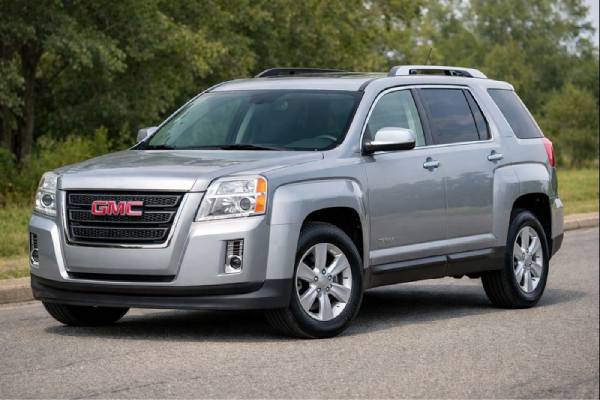
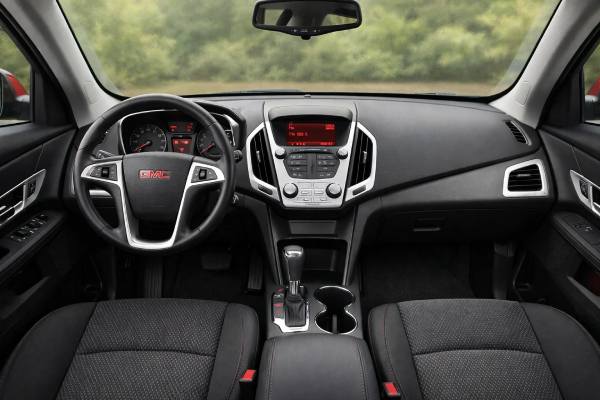
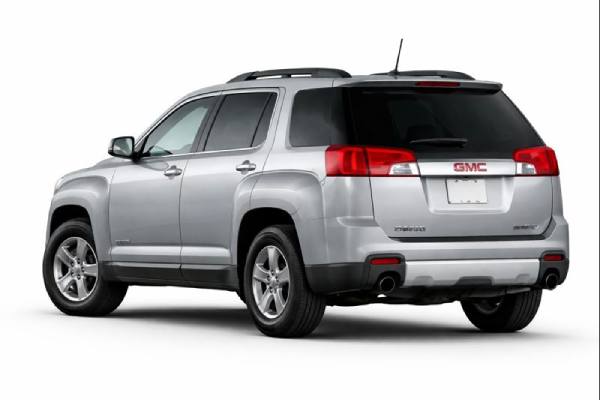
The 2010 GMC Terrain AWD with the LF1 3.0-liter V6 is an interesting “first-year, first-impression” package: a midsize crossover with a relatively high-revving direct-injected V6, a 6-speed automatic, and an on-demand all-wheel-drive system meant to add confidence rather than rock-crawling capability. In daily ownership, this configuration tends to reward drivers who keep up with fluids, use the oil life system thoughtfully, and don’t ignore small drivability changes (because early symptoms can prevent expensive downstream repairs).
What you get in return is a smooth, quiet highway vehicle with strong passing power for its era, predictable winter traction when paired with proper tires, and a practical body with a useful seating/cargo layout. The key is buying and maintaining it like a mechanical system—not just a trim badge—because AWD adds service needs and more parts that can age.
Owner Snapshot
- Strong passing power at speed; the V6 feels most confident above midrange rpm.
- AWD adds stability on wet and snowy roads, especially with good all-season or winter tires.
- Comfortable, quiet highway manners for a first-year model, with a solid long-wheelbase feel.
- Budget for extra driveline fluid service and inspection as the vehicle ages.
- Plan on engine oil and filter service at least every 12 months (even if mileage is low).
Section overview
- LF1 AWD Terrain in context
- LF1 AWD specs and service data
- Trims, options, and active safety
- LF1 AWD weak points map
- Ownership upkeep and inspection list
- On-road character and fuel use
- AWD SUV rival reality check
LF1 AWD Terrain in context
This one-year slice of the Terrain lineup combines three things that shape the ownership experience: a direct-injected (DI) V6 (LF1), a 6-speed automatic, and an on-demand AWD system. Think of it as a comfort-first crossover that can shift torque rearward when the front tires begin to slip, rather than a full-time AWD layout meant for heavy off-road use.
The LF1 is part of GM’s High Feature V6 family. In the Terrain, it delivers 264 hp and feels notably more energetic than the 4-cylinder option when you’re merging, passing, or driving at altitude. It’s not a low-rpm “truck V6,” though. Peak pull arrives higher in the rev range, so the best performance shows up when you let the transmission downshift and keep the engine in the middle-to-upper band of the tachometer. Owners who expect effortless torque at 1,500 rpm sometimes misread the engine’s character; owners who use it like a sporty V6 usually like it.
AWD is the other defining feature. The main advantage is traction management during low-grip events—rain, slush, sand on pavement, steep wet driveways—not improved stopping distance. With all-season tires, AWD helps you get moving more cleanly and reduces front-wheel spin that can trigger stability-control intervention. With proper winter tires, it becomes a genuinely confidence-building winter commuter. The tradeoff is complexity: more seals, more fluid, more bearings, and an additional service interval for the transfer case.
Because 2010 is the model’s launch year, smart ownership is about two things: (1) condition-based inspection (fluids, leaks, noises, scan data) and (2) documentation (maintenance records plus completed recalls). If you treat it like a “set-and-forget” appliance, small problems can get expensive; if you maintain it like a system, it can be a comfortable, capable daily driver.
LF1 AWD specs and service data
Below are the core specifications that matter most for shopping, servicing, and setting expectations. Some items (like exact gear ratios) can vary by build and driveline calibration, so the most accurate confirmation is always the vehicle’s build codes and official service information for your VIN.
Powertrain and efficiency (AWD, 3.0 V6)
| Item | Specification |
|---|---|
| Engine code | LF1 |
| Engine layout and cylinders | V6, DOHC, 4 valves/cyl (24-valve) |
| Displacement | 3.0 L (2,997 cc) |
| Induction | Naturally aspirated |
| Fuel system | Direct injection (DI) |
| Compression ratio | ~11.7:1 (varies by application) |
| Max power | 264 hp (197 kW) @ ~6,950 rpm |
| Max torque | ~222 lb-ft (301 Nm) @ ~5,100 rpm |
| Timing drive | Chain (inspect for noise/stretch symptoms over time) |
| Transmission | 6-speed automatic |
| Drive type | On-demand AWD |
| Fuel | Regular gasoline (per factory labeling for this model year) |
| EPA rating (AWD V6) | 17 city / 24 highway / 20 combined (mpg US) |
Chassis, dimensions, and capacities (ownership-relevant)
| Item | Specification |
|---|---|
| Platform | GMT177 |
| Suspension (front/rear) | Independent / independent (crossover layout) |
| Steering | Rack-and-pinion with assist |
| Fuel tank | 79.1 L (20.9 US gal / 17.4 UK gal) |
| Seating | 5 (typical configuration) |
Fluids and service capacities (confirmed values)
| Item | Specification |
|---|---|
| Engine oil (with filter) | 5.7 L (6.0 US qt) |
| Cooling system | 10.2 L (10.8 US qt) |
| Transfer case fluid (AWD) | 0.8 L (0.85 US qt) |
| Wheel lug nut torque | 190 Nm (140 lb-ft) |
Performance and capability (realistic expectations)
- Acceleration: Expect 0–60 mph in the high-7 to mid-8 second range depending on tires, temperature, and elevation.
- Passing power: The V6 is strongest when the transmission drops 1–2 gears and holds rpm.
- Winter traction: AWD helps you launch and climb; tires still determine braking and cornering grip.
- Towing: Terrain towing limits vary by equipment (cooling, hitch provisions, and rating label). Confirm using the door-jamb certification label and owner documentation for your specific vehicle.
If you want one “service-minded” takeaway from the specs: the AWD system’s transfer case fluid capacity is small, so contamination or incorrect fluid matters more than owners expect. Treat that fluid change as cheap insurance.
Trims, options, and active safety
Even within a single model year, the Terrain’s trims and options can change how the vehicle feels, what it’s worth, and how easy it is to live with. For 2010, the Terrain was commonly grouped into SLE and SLT grades, with sub-trims and packages that layered comfort, appearance, and convenience features. Mechanically, the biggest “feel” differences usually come from the engine choice (4-cylinder vs LF1 V6), wheel and tire size, and whether the vehicle has AWD.
Trims and options that matter for daily use
Common equipment patterns you’ll see on 2010 Terrain listings:
- SLE-focused builds: Often cloth interiors, simpler audio, and fewer powered features. Still perfectly usable, but resale value tends to follow condition more than options.
- SLT-focused builds: More likely to include upgraded interior materials, additional powered adjustments, premium audio options, and convenience features that make the car feel newer than its age.
- Wheel and tire packages: Larger wheels can sharpen steering response slightly but may increase tire cost and reduce ride compliance over rough pavement.
- Tow-related equipment: Some vehicles include hitch provisions and cooling upgrades; don’t assume every V6 or every AWD Terrain is rated the same. Verify by the rating label and documentation.
Quick identifiers when shopping in person:
- Look for AWD badging and confirm the AWD system functions normally during a low-speed, low-grip test (no binding, grinding, or warning messages).
- Check the tire size on the sidewall; mismatched tire brands or uneven tread depth can stress AWD components over time.
- Use the VIN/build information (often in service records or dealer printouts) to confirm engine and driveline configuration instead of relying only on seller descriptions.
Safety ratings and what they mean here
The 2010 Terrain earned strong results in major crashworthiness categories for its class in its era. That is good news for structure and restraint performance, but it’s important to interpret “safety” in a 2010 context: today’s advanced driver assistance (automatic emergency braking, lane centering, cyclist detection) generally wasn’t part of the mainstream equipment set then.
Safety systems you should expect (and check)
Typical “baseline” safety hardware for this generation includes:
- Multiple airbags (front, side-impact torso, and side-curtain coverage depending on seating position)
- ABS (anti-lock braking) and stability control/traction control systems
- LATCH/ISOFIX child-seat anchors (verify the anchor condition and that trim panels aren’t damaged)
Service note: if the vehicle has a stability-control or ABS warning light, don’t treat it as a minor annoyance. Those systems share sensors and wiring that also affect AWD behavior and braking consistency.
LF1 AWD weak points map
A good reliability picture is not “this model is good” or “this model is bad.” It’s a map: what fails, how often, when it tends to show up, and what the early symptoms look like. Below is a practical way to think about the 2010 Terrain AWD LF1.
Common (watch closely as mileage rises)
- Timing chain wear/stretch behavior (symptoms-first):
- Symptoms: cold-start rattles, check-engine light with cam/crank correlation-type faults, rough idle that wasn’t there before.
- Likely root causes: oil change neglect, extended intervals, low oil level, or prolonged operation with degraded oil.
- Remedy: address oiling habits immediately; diagnose with scan data; chain service becomes a bigger job if ignored.
- DI (direct injection) intake valve deposits (gradual drivability changes):
- Symptoms: uneven idle, hesitation, reduced fuel economy over time rather than overnight failure.
- Root cause: DI sprays fuel directly into the cylinder, so intake valves don’t get the “cleaning wash” seen in port injection.
- Remedy: professional intake cleaning when symptoms justify it; avoid short-trip-only use when possible.
- Cooling system aging (thermostat, hoses, seepage):
- Symptoms: slow warm-up, temperature fluctuations, coolant smell, or dried coolant residue.
- Remedy: pressure test, fix leaks early, and follow coolant service time limits.
Occasional (depends on use and environment)
- 6-speed automatic shift quality and fluid condition:
- Symptoms: harsh shifts, delayed engagement, or shudder under light load.
- Root cause: fluid aging, adaptive shift strategy needing a relearn after repairs, or component wear.
- Remedy: confirm fluid condition and correct service procedure; a test drive should include gentle and firm accelerations.
- AWD transfer case seal and fluid condition:
- Symptoms: seepage at the case, burning smell near the underbody, or driveline noise under load.
- Root cause: seal aging, contamination, or incorrect service handling.
- Remedy: inspect for leaks at every oil service; change transfer case fluid at the specified interval (and sooner if contaminated).
Rare but costly (don’t ignore early signs)
- AWD coupling, rear driveline bearing noise, or persistent vibration:
- Symptoms: humming that changes with speed, vibration under load, or inconsistent rear engagement behavior.
- Root cause: worn bearings, driveline imbalance, or component wear accelerated by mismatched tires.
- Remedy: don’t “wait it out.” Verify tire match and tread depth; diagnose with a proper road test and lift inspection.
Recalls, service actions, and software updates
For a 2010 vehicle, you should assume at least some campaign history exists across the fleet, but you shouldn’t assume your specific vehicle is complete. The right process is:
- Run a VIN-based recall check (not just model-year headlines).
- Ask for dealer documentation showing completion.
- Confirm warning lights are off and that stored codes aren’t being cleared to hide faults.
That’s the difference between “a cheap AWD crossover” and “a cheap AWD project.”
Ownership upkeep and inspection list
This section is a practical schedule you can actually follow. It blends the factory maintenance schedule with age-aware reality (rubber, seals, and fluids age even when mileage is low).
Core maintenance schedule (time and distance)
Engine oil and filter
- Follow the oil life monitoring system, but set a hard cap of 12 months regardless of miles.
- Check oil level regularly; DI engines can be sensitive to low oil level over long intervals.
Tires and alignment
- Rotate tires at regular service visits (or roughly every 12,000 km / 7,500 mi).
- AWD note: keep all four tires closely matched in tread depth to reduce driveline stress.
Cabin air filter
- Replace every 2 years (sooner in dusty or high-traffic environments).
Engine air filter
- Replace every 4 years (sooner in dust, gravel roads, or smoky conditions).
Spark plugs
- Replace at 156,000 km (97,500 mi); inspect plug wires at the same time.
Automatic transmission fluid
- Scheduled change at 156,000 km (97,500 mi) under normal service.
- If the vehicle has heavy city use, repeated short trips, hot climates, or towing, consider earlier fluid service and a more conservative interval.
Transfer case fluid (AWD)
- Scheduled change at 156,000 km (97,500 mi).
- Inspect for leaks routinely, and do not pressure-wash seals directly (water intrusion and seal damage can shorten component life).
Coolant
- Change every 5 years (or as specified for your coolant type and service history).
Accessory drive belt
- Inspect and replace as needed; the schedule allows up to 10 years under normal conditions, but cracking or fraying means “now,” not “later.”
Brake fluid
- Replace at 10 years under normal conditions, and sooner if moisture contamination is suspected (spongy feel, dark fluid, or heavy humidity/corrosion environments).
Fluids, specs, and “decision-making” torque values
- Use the manufacturer-specified fluids for the engine, transfer case, and hydraulic systems. “Close enough” fluids can create expensive confusion later.
- Wheel lug nut torque: 190 Nm (140 lb-ft). This matters for brake work and for preventing warped rotors from uneven clamping.
Buyer’s guide: what to inspect before purchase
- Cold start behavior: listen for timing-related rattles or an uneven idle.
- Scan for codes: even if the dash is clear, check pending/history codes.
- AWD function check: confirm no abnormal noises during slow tight turns and that engagement feels normal on low-traction surfaces.
- Leak check: engine oil, coolant traces, and transfer case seepage.
- Tire match: brand, size, and tread depth should be consistent across all four corners.
- Records: oil change history, coolant service history, and proof of completed recalls.
Long-term outlook: this Terrain can be a solid commuter if it has records, clean fluid history, and no signs of neglected driveline service. Without those, the “deal” often isn’t a deal.
On-road character and fuel use
The LF1 V6 changes the Terrain’s personality more than most option packages. Instead of feeling like a “torque at idle” engine, it feels refined and eager once you’re moving, especially on the highway. Around town, the transmission does a lot of the work to keep the engine in its effective range, and that can make the vehicle feel either responsive or “busy” depending on your driving style.
Ride, handling, and NVH (noise, vibration, harshness)
- Ride quality: tuned for comfort first. It generally absorbs rough pavement well, but bigger wheels and low-profile tires can make sharp impacts feel harsher.
- Steering and stability: predictable and calm at highway speeds. The long wheelbase helps it track straight, and the chassis feels planted rather than nervous.
- Braking feel: stable and confidence-inspiring when the braking system is healthy; any pulsation, pulling, or soft pedal should be treated as a maintenance item, not “normal for age.”
- Cabin noise: typically quiet at steady cruise for its era. Tires make a big difference; aggressive tread patterns add noticeable road roar.
Powertrain character
- Throttle response: smoother than punchy; the V6 rewards deliberate throttle input.
- Low-rpm torque: adequate, but not the highlight—expect downshifts for quick moves.
- Kickdown and passing: strong when it drops gears; this is where the 3.0 feels worth it.
- AWD behavior: largely transparent on dry pavement. In wet or snowy conditions, it helps maintain momentum and reduces front tire scrabble.
Real-world efficiency
EPA estimates for the 2010 Terrain AWD 3.0 V6 are 17 mpg city / 24 mpg highway / 20 mpg combined. In the real world:
- City use: short trips, idling, and cold starts can pull economy into the mid-teens.
- Highway cruising: steady speeds can land near the low-to-mid 20s when the vehicle is in good tune and tires are properly inflated.
- Winter impact: expect a noticeable drop due to cold oil, winter fuel blends, and higher rolling resistance from winter tires.
Load and towing notes
If you tow, focus on temperature management and service discipline:
- Ensure cooling system health and correct coolant service history.
- Expect a meaningful fuel economy penalty under load.
- Confirm the vehicle’s towing rating from the label and documentation, not assumptions about “V6 equals tow-ready.”
Overall, this Terrain’s driving appeal is its calm, composed road behavior paired with a V6 that can feel genuinely quick when asked—provided it’s maintained and not carrying hidden driveline issues.
AWD SUV rival reality check
The 2010 Terrain AWD V6 sits in a very competitive space: midsize-ish crossovers that prioritize comfort, safety, and daily usefulness over off-road toughness. The best comparison is less about brand loyalty and more about what kind of ownership risk you’re willing to accept.
Where the Terrain AWD LF1 tends to win
- Highway refinement for the era: The Terrain’s chassis tuning and cabin feel can come across as more “grown up” than some compact rivals, especially on longer drives.
- Passing power on demand: When the transmission downshifts, the 264 hp V6 gives you confident merge and passing capability.
- Winter composure: With correct tires, the on-demand AWD system does what most owners actually need—reliable traction in messy conditions.
Where rivals may be the safer bet
- Lower complexity powertrains: Some competing models with simpler engines or drivetrains can be cheaper to keep long-term, especially if you do mostly short trips or can’t commit to regular fluid services.
- Fuel economy and running costs: Many four-cylinder competitors will cost less per mile in fuel and sometimes in routine service.
- Availability of known-good examples: Depending on your local market, you may find more “one-owner, well-documented” alternatives than you will for a first-year Terrain.
Practical comparisons shoppers often consider
- Toyota RAV4 (similar era): Often valued for durability reputation and straightforward ownership; performance depends heavily on engine choice.
- Honda CR-V: Typically efficient and practical, though not built around strong passing power in most trims of that period.
- Ford Escape (period-correct rivals): Can be easy to service with abundant parts availability; condition matters hugely.
- Chevrolet Equinox (sibling platform): Similar fundamentals; shopping comes down to maintenance history, options, and condition rather than badge.
The “best pick” rule
Choose the Terrain AWD LF1 if you find one with:
- Clean oil history,
- Proof of transfer case service at the correct interval (or a plan to do it immediately),
- Matching tires and a clean driveline inspection,
- And verified recall completion.
If you can’t check those boxes, a simpler competitor with better documentation usually costs less to own, even if the sticker price is higher.
References
- Owner’s Manual 2010 (Owner’s Manual)
- Gas Mileage of 2010 GMC Terrain 2010 (Fuel Economy Database)
- 2010 GMC Terrain 2010 (Safety Rating)
- Check for Recalls: Vehicle, Car Seat, Tire, Equipment 2025 (Recall Database)
Disclaimer
This article is for informational purposes only and is not a substitute for professional diagnosis, inspection, or repair. Specifications, torque values, fluid types, capacities, maintenance intervals, and procedures can vary by VIN, market, build codes, and installed equipment, so always verify details against official service documentation for your specific vehicle.
If this guide helped, please consider sharing it on Facebook, X (Twitter), or your favorite forum to support our work.