
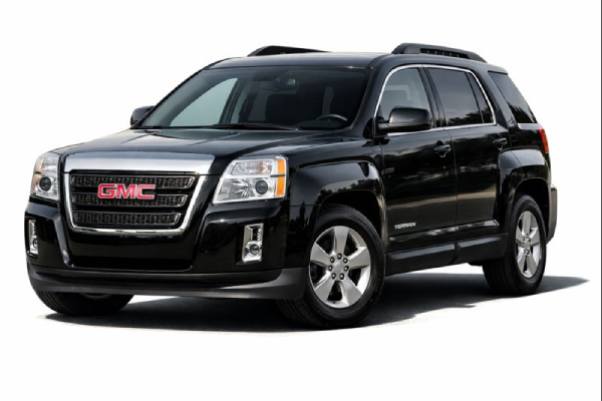
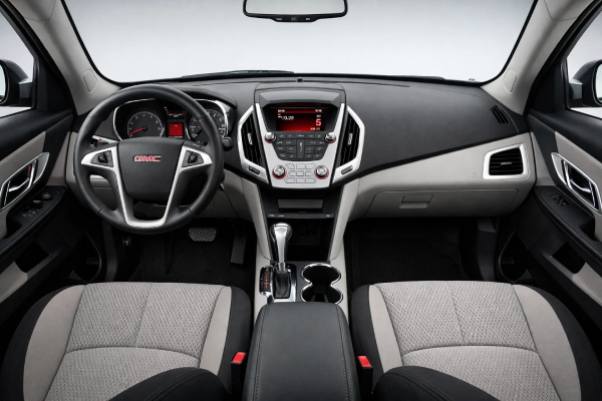
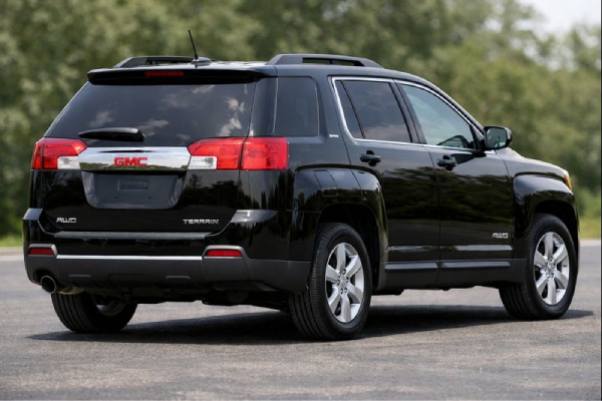
The 2011–2012 GMC Terrain FWD with the 3.0-liter V6 (LFW) is a niche configuration: it pairs the Terrain’s practical cabin and family-friendly packaging with a higher-revving, direct-injected V6 that was offered in relatively small numbers. If you want a first-gen Terrain that feels less strained on highway merges and hills than the base four-cylinder, this is the one to understand—because the benefits come with specific ownership tradeoffs.
The LFW V6’s character is smoother and more effortless at speed, but it also adds complexity: direct injection demands clean oil and good fuel habits, and the six-speed automatic is sensitive to fluid quality. The good news is that the platform is straightforward to service, parts availability is strong in most markets, and the Terrain’s safety structure earned strong scores in its era.
Owner Snapshot
- Strong highway passing power for a compact crossover; the V6 feels calmer at 110–130 km/h.
- FWD keeps the driveline simpler than AWD, with fewer fluids and fewer rotating parts to age.
- Direct injection and timing-chain hardware reward frequent oil changes; neglect can get expensive.
- Rotate tires every 10,000–12,000 km (6,000–7,500 mi) to control noise and extend tread life.
- Plan transmission fluid service around 80,000–100,000 km (50,000–60,000 mi) for longevity.
Quick navigation
- Terrain V6 FWD highlights
- LFW 3.0 specs tables
- Terrain trims and safety gear
- Reliability risks and fixes
- Maintenance plan and buyer tips
- Real driving and economy
- Rivals and value check
Terrain V6 FWD highlights
This Terrain variant sits in a sweet spot for some buyers: it keeps the simpler front-wheel-drive layout while delivering the strongest factory acceleration offered in the early Terrain lineup. In everyday use, the 3.0 V6 is less about stoplight drama and more about relaxed reserve—especially when the cabin is full, the cargo area is loaded, or the route includes long grades. The engine’s power peak is fairly high, so it feels most alive when you give it throttle and let the transmission downshift. That makes it a good match for drivers who spend real time at highway speeds, not just commuting on flat city roads.
Chassis-wise, the first-gen Terrain is tuned for stability and comfort. Steering is light, and the suspension prioritizes isolation over sharp turn-in. With FWD, you avoid the extra rear driveline mass and the maintenance that comes with a power takeoff unit and rear differential on AWD models. That matters long-term: fewer fluids to change, fewer seals to seep, and fewer bearings to wear out. It also means fewer “mystery” noises that can come from the rear driveline on higher-mileage crossovers.
Where the V6 version needs a smarter ownership plan is under the hood. The LFW is a direct-injected V6, which improves response and efficiency compared to older port-injected designs, but it can be less forgiving if oil change intervals are stretched. Clean oil matters because timing-chain systems, cam phasers (variable valve timing hardware), and oil-control solenoids depend on stable oil pressure and low sludge. If a seller treated oil changes as “whenever the light comes on,” you should assume you’ll be doing catch-up maintenance.
As a family vehicle, this Terrain is easy to live with: wide-opening doors, a tall seating position, and a cabin that’s quiet enough for long trips. The sliding rear seat (where fitted) is a practical advantage—more legroom when you need it, or more cargo length when you don’t. Bottom line: as long as you accept V6 running costs and insist on real service history, the 2011–2012 V6 FWD can be a satisfying, durable daily driver.
LFW 3.0 specs tables
Below are practical specs for the 2011–2012 GMC Terrain FWD with the 3.0 V6 (LFW). Exact figures can vary by market, emissions calibration, wheels/tires, and build codes, so treat capacities and ratios as “verify by VIN” items.
Engine and Performance
| Item | Specification |
|---|---|
| Code | LFW (3.0 V6) |
| Layout & valvetrain | V6, DOHC, 4 valves/cyl, variable valve timing |
| Displacement | 3.0 L (≈ 2,995 cc) |
| Induction | Naturally aspirated |
| Fuel system | Direct injection (DI) |
| Max power | 264 hp (≈ 197 kW) @ rpm (varies by calibration) |
| Max torque | ≈ 301 Nm (222 lb-ft) @ rpm (varies by calibration) |
| Timing drive | Chain |
| Emissions standard | Market-dependent (EPA/others) |
| Rated efficiency (typical) | ~11.5–12.5 L/100 km combined (≈ 19–20 mpg US) depending on year and wheels |
Transmission and Driveline
| Item | Specification |
|---|---|
| Transmission | 6-speed automatic (family: 6T70) |
| Drive type | FWD |
| Gear ratios (typical 6T70) | 1st 4.48 / 2nd 2.87 / 3rd 1.84 / 4th 1.41 / 5th 1.00 / 6th 0.74 / Rev 2.88 |
| Final drive ratio | Varies by application; confirm by VIN/RPO |
Chassis and Dimensions
| Item | Specification |
|---|---|
| Front suspension | Independent (strut-based layout) |
| Rear suspension | Independent (multi-link style) |
| Steering | Electric assist |
| Brakes | 4-wheel discs with ABS and stability control |
| Wheels/tires | Varies by trim (commonly 17–19 in) |
| Ground clearance | ~175–190 mm (varies by tires) |
| Length / Width / Height | ~4,700 mm / ~1,850 mm / ~1,680 mm (varies slightly) |
| Wheelbase | ~2,860 mm |
| Turning circle | ~11.8–12.1 m (varies slightly) |
| Curb weight | ~1,750–1,850 kg (3,860–4,080 lb) depending on trim |
Performance and Capability
| Item | Specification |
|---|---|
| 0–100 km/h (0–62 mph) | ~8.0–8.8 s (driver, conditions, tires matter) |
| Top speed | Typically limited (market-dependent) |
| Towing capacity | Often up to ~1,588 kg (3,500 lb) with tow package; otherwise lower |
| Payload | Varies by trim; check door jamb label |
Fluids and Service Capacities
| Item | Specification |
|---|---|
| Engine oil | Dexos-approved oil; viscosity depends on climate (often 5W-30). Capacity varies by service method |
| Coolant | GM-approved long-life coolant; mix per label. Capacity varies by cooling package |
| Transmission fluid | Dexron VI ATF |
| A/C refrigerant | Type and charge vary by system label |
Electrical
| Item | Specification |
|---|---|
| 12 V battery | Group size and CCA vary by market and option content |
| Spark plugs | Long-life plugs; replacement interval varies by schedule and conditions |
Safety and Driver Assistance
| Item | Specification |
|---|---|
| Core safety systems | ABS, stability control, traction control |
| Airbags | Multi-airbag system (front and side/curtain where equipped) |
| ADAS availability | Limited by era; some trims offer features like lane departure warning |
Terrain trims and safety gear
Trim structure varies by market, but most 2011–2012 Terrains cluster into familiar themes: a value-oriented base, a mid-range comfort trim, and an upscale trim with more appearance and convenience content. The V6 was typically an option rather than the default engine, so you’ll see it most often paired with better-equipped vehicles (though exceptions exist). When you’re shopping, focus less on badge names and more on the functional equipment that changes ownership and safety outcomes.
Trims, packages, and what changes
Key items that meaningfully change how the vehicle drives or costs to maintain include wheel size, brake feel (tire-driven), cooling capacity, and tow equipment.
- Wheels and tires (17 vs 18 vs 19 in): Larger wheels usually sharpen steering response but can increase road noise and reduce ride compliance. They also raise tire replacement cost.
- Tow package (where equipped): Look for hitch hardware and supporting cooling or wiring provisions. If you plan to tow, you want the factory-intended setup rather than an aftermarket hitch alone.
- Interior features: Power driver seat, heated seats, and upgraded audio are comfort items, but they also add electrical loads and additional modules—reliable overall, but more things to test during inspection.
- Rear seat adjustability: Some vehicles have a sliding and reclining rear seat, which improves daily usability more than it appears on a spec sheet.
How to identify the V6 quickly
Because the 3.0 was not the volume engine, confirm it directly:
- VIN/engine label: Use the under-hood label and documentation, not just a listing.
- Exhaust note and idle feel: The V6 is smoother and more subdued at idle than the 2.4 under load.
- Road test behavior: The V6 pulls more confidently from 80–120 km/h (50–75 mph), especially on grades.
Safety ratings and what they mean
Safety results depend on the test body and the exact test version. For this generation, the Terrain platform earned strong structural scores in key crashworthiness categories in its era. That said, it predates today’s standard expectation of automatic emergency braking and modern headlight performance requirements, so don’t equate “good crash structure” with “modern crash avoidance tech.”
Safety equipment checklist for buyers
On a test drive and walkaround, verify:
- ABS and stability control function: No warning lights; confirm a clean brake pedal feel and proper traction-control behavior on a low-grip surface if safe and legal.
- Airbag system status: Airbag light must illuminate at key-on and then go out.
- Seatbelts and pretensioners: Belts retract strongly; no fraying; buckles latch cleanly.
- Child-seat anchors: Confirm LATCH/ISOFIX anchor access and rear seat condition.
- Optional driver aids: If equipped with lane departure warning or rear camera, verify operation and check for windshield or bumper sensor damage that can cause calibration faults.
The core message: pick the trim by function. A clean, well-maintained V6 Terrain with modest wheel size and complete safety equipment is usually the best real-world combination.
Reliability risks and fixes
A well-cared-for 2011–2012 Terrain V6 can run a long time, but it is not a “ignore maintenance” vehicle. The most important reliability pattern is that many costly failures are not random—they’re linked to oil quality, fluid age, and heat management. Below are common issues mapped by prevalence and cost tier, with practical symptoms and fixes.
Common: oil-quality-sensitive timing hardware (medium to high cost)
- Symptoms: Cold-start rattle, rough idle, cam timing correlation codes, reduced power, or a persistent check-engine light.
- Likely cause: Stretched timing chain, worn guides/tensioners, or VVT actuator/solenoid issues worsened by extended oil intervals and sludge.
- Remedy: Start with diagnosis (oil condition, scan data, correlation tests). Replace chain set/components if out of spec; clean/replace oil-control solenoids as appropriate. The cheapest “fix” is prevention: frequent oil changes and correct oil specification.
Common: direct-injection deposits and drivability (low to medium cost)
- Symptoms: Hesitation, roughness under load, poor fuel economy, intermittent misfire codes.
- Likely cause: Intake valve deposits (DI engines don’t wash valves with fuel), plus normal aging of plugs and coils.
- Remedy: Correct-timed spark plug service, quality fuel, and periodic intake cleaning methods suited for DI engines (done by experienced shops). Avoid random additives as a substitute for proper diagnosis.
Occasional: cooling system seepage and plastic aging (medium cost)
- Symptoms: Coolant smell, low coolant level, overheating in traffic, residue around hose junctions.
- Likely cause: Aging hoses, clamps, thermostat housing seals, or radiator end-tank seepage.
- Remedy: Pressure test, replace the leaking component, and refill with the correct coolant type and mix. Overheating events should be treated seriously because they accelerate gasket and timing-component wear.
Occasional: 6-speed automatic shift quality issues (medium to high cost)
- Symptoms: Harsh shifts, shudder on light throttle, delayed engagement, flare between gears, or fluid darkening.
- Likely cause: Fluid degradation, adaptive shift learning out of range, solenoid or valve-body wear in higher-mileage units.
- Remedy: Verify fluid condition and level, address leaks, service with the correct ATF, and consider a re-learn procedure after repairs. If symptoms persist, a specialist diagnosis is worth it before replacing hard parts.
Electrical and sensor issues (low to medium cost)
- Symptoms: Intermittent warning lights, random sensor codes, infotainment glitches.
- Likely cause: Weak battery, poor grounds, water intrusion, or aging sensors.
- Remedy: Load-test the 12 V battery, clean ground points, and diagnose with scan data—not parts darts.
Recalls and service actions
Rather than relying on memory for model-year campaigns, verify recalls by VIN using the official vehicle safety database and request documentation showing completion. For a buyer, “recall complete” is as important as oil change history, because unfinished recall work can affect safety and resale.
Maintenance plan and buyer tips
The best way to make the Terrain V6 dependable is to run it like a long-term asset: keep oil clean, keep fluids fresh, and fix small leaks early. The schedule below is conservative (favoring durability) and works well for mixed driving, short trips, or hot climates. Always reconcile with the official documentation for your VIN.
Practical maintenance schedule
| Item | Interval (distance/time) | Notes |
|---|---|---|
| Engine oil and filter | 8,000–10,000 km (5,000–6,000 mi) or 6 months | Short trips: use the shorter interval |
| Tire rotation | 10,000–12,000 km (6,000–7,500 mi) | Align if uneven wear appears |
| Cabin air filter | 15,000–30,000 km (10,000–20,000 mi) | More often in dusty cities |
| Engine air filter | 30,000–45,000 km (20,000–30,000 mi) | Inspect every oil change |
| Spark plugs | 150,000 km (100,000 mi) typical | Earlier if misfires or heavy city use |
| Brake fluid | Every 2 years | Prevents internal corrosion |
| Coolant | 5 years or 160,000 km (100,000 mi) typical | Replace sooner if contaminated |
| Transmission fluid (ATF) | 80,000–100,000 km (50,000–60,000 mi) | Earlier if towing/heat exposure |
| Brake inspection | Every tire rotation | Measure pad thickness; check slide pins |
| Serpentine belt and hoses | Inspect yearly; replace as needed | Cracks or glazing = action |
| 12 V battery test | Yearly after year 3–4 | Replace proactively if weak |
Fluids and specs to insist on
- Engine oil: Use the manufacturer-required specification (commonly dexos for this era) and the correct viscosity for your climate.
- Transmission fluid: Use the correct ATF type (commonly Dexron VI). “Universal” fluids are a gamble.
- Coolant: Use the correct long-life coolant chemistry; mixing types is a common cause of sludge and heater-core issues.
Essential torque values (high-level)
Because torque specs vary by fastener and revision, treat these as “confirm before you wrench,” not as a substitute for a service manual.
- Wheel lug nuts: commonly around 140 Nm (≈ 103 lb-ft) for many GM crossovers of this era (verify for your wheels).
- Spark plugs: torque depends on plug type and head material; always follow plug manufacturer/GM service data.
Buyer’s guide: what to check before purchase
Use this checklist and you’ll avoid most expensive surprises:
- Service history: Look for regular oil changes and at least one transmission fluid service if mileage is high.
- Cold start: Listen for chain/tensioner noise and watch for warning lights.
- Scan for codes: Even if the dash is clean, check stored and pending codes.
- Transmission behavior: Smooth engagement, no shudder, no flare.
- Cooling system: Stable temperature in traffic; no coolant smell; no residue on seams.
- Suspension and wheel bearings: Listen for humming that changes with load and speed; feel for clunks over bumps.
- Rust and water intrusion: Check door bottoms, hatch seams, and underfloor storage for dampness.
If you want the most durable ownership path, prioritize a clean, stock vehicle with modest wheel size, complete records, and a calm mechanical feel at cold start.
Real driving and economy
The V6 Terrain’s driving personality is best described as “quiet confidence.” Around town, it feels similar to the four-cylinder at gentle throttle because the vehicle’s weight and gearing still define the first impression. The difference shows up when you ask for more: the V6 doesn’t need to lean as hard on high rpm to maintain speed, and it’s more composed during passing or steep climbs. If your daily route includes fast on-ramps, short merging lanes, or frequent highway grades, that extra reserve reduces stress.
Ride, handling, and NVH
- Ride: Tuned for comfort. Impacts are rounded off, especially on 17-inch tires. Larger wheels can introduce sharper thumps over potholes.
- Handling: Predictable and safe rather than sporty. The vehicle leans in corners, but stability is good at highway speeds.
- Steering: Light effort with limited feedback. It’s easy in parking lots, less communicative on winding roads.
- Noise: Wind and tire noise depend heavily on tire choice and alignment. A well-maintained example can be pleasantly quiet at 100–120 km/h.
Powertrain character and transmission behavior
The 3.0 V6 makes its power higher in the rev range than many larger-displacement V6 engines, so the transmission will downshift more than you might expect when you ask for quick acceleration. In good health, shifts are clean and consistent. When fluid is old or the unit has adaptive issues, you may feel delayed engagement or a slightly “busy” shift pattern. Drive modes are limited compared to modern vehicles, so tire choice and maintenance have a bigger effect on feel than software settings.
Real-world efficiency expectations
Official fuel economy figures depend on year and configuration, but real-world numbers typically land in these bands:
- City driving: ~13–15 L/100 km (≈ 16–18 mpg US / 19–22 mpg UK) depending on traffic and temperature.
- Highway at 110–120 km/h (68–75 mph): ~9.0–10.5 L/100 km (≈ 22–26 mpg US / 26–31 mpg UK).
- Mixed driving: ~11–12.5 L/100 km (≈ 19–21 mpg US / 23–25 mpg UK).
Cold weather and short trips can increase consumption by 10–20% because the engine spends more time warming up and the cabin heater load rises.
Towing and load behavior
With the correct tow equipment, the V6 is the better towing choice in the Terrain range. Expect a meaningful fuel penalty when towing—often 20–40% depending on speed, grade, and trailer aerodynamics. More important than power is thermal management: keep the cooling system healthy, use the correct ATF, and avoid long uphill pulls at wide-open throttle if temperatures climb.
Rivals and value check
When you compare this Terrain to its main rivals, the most important context is time: 2011–2012 competitors vary widely in engine tech, transmission behavior, and available safety features. Your decision should be based on what you prioritize—power, simplicity, interior utility, or the newest driver-assist tech.
Against Honda CR-V (same era)
- Terrain advantage: More peak power in V6 form and a “bigger” highway feel; often more available comfort features for the money on the used market.
- CR-V advantage: Typically simpler powertrains in that era (mostly four-cylinder), strong resale, and a reputation for low drama if maintained.
Choose the Terrain V6 if you value passing power and find a documented, clean example. Choose the CR-V if your goal is maximum simplicity and broad independent-shop familiarity.
Against Toyota RAV4 (V6 models exist in this era)
- Terrain advantage: Comfortable ride, adult-friendly cabin, and often a lower purchase price for similar condition.
- RAV4 advantage: Some V6 RAV4s are genuinely quick and have a long-standing durability reputation.
If you want a fast V6 crossover, the RAV4 V6 is a benchmark, but condition and rust history matter more than the badge at this age.
Against Ford Escape (and similar compact crossovers)
- Terrain advantage: Highway composure, cabin packaging, and a solid safety structure.
- Escape advantage: Depending on exact model, you may get a lighter feel and sometimes better fuel economy.
Value verdict
The 2011–2012 Terrain FWD V6 makes the most sense for a buyer who:
- Drives a lot of highway kilometers and wants reserve power without stepping up to a larger SUV.
- Prefers FWD simplicity over AWD complexity.
- Is willing to maintain a direct-injected V6 with disciplined oil and fluid service.
If you mainly drive short city trips and rarely need passing power, the V6’s fuel cost and added complexity may not pay you back. But for the right owner, this configuration is a comfortable, capable, and often overlooked choice that can represent strong used-market value.
References
- Gas Mileage of 2012 GMC Terrain 2012 (Fuel Economy Database)
- Vehicle Detail Search – 2012 GMC TERRAIN SUV FWD | NHTSA 2012 (Recall Database)
- 2012 GMC Terrain 2012 (Safety Rating)
- Get To Know Guide 2011 (Owner’s Guide)
Disclaimer
This article is for informational purposes only and is not a substitute for professional diagnosis, inspection, or repair. Specifications, torque values, fluid capacities, and service intervals can vary by VIN, market, and equipment; always verify details using official documentation for your exact vehicle and follow safe service procedures.
If this guide helped, please consider sharing it on Facebook or X to support our work.