
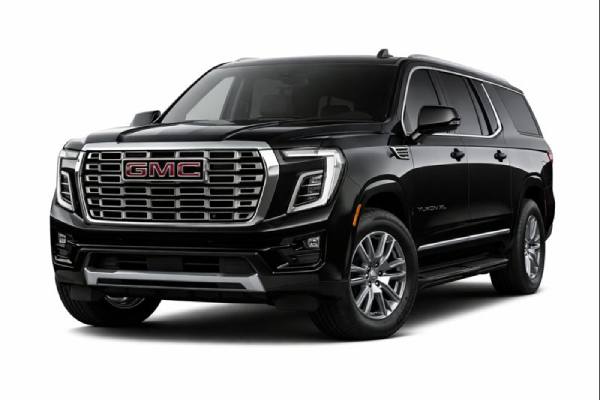

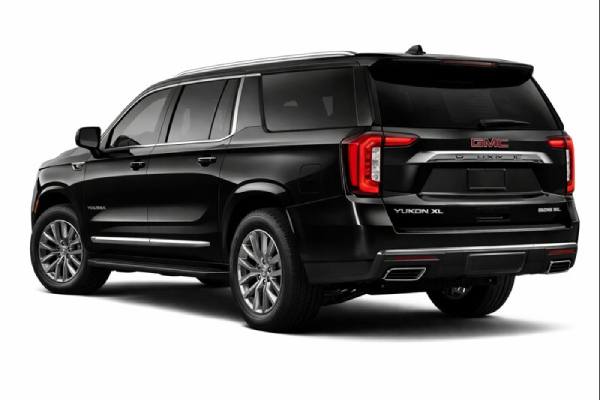
The 2025–present GMC Yukon XL RWD with the LZ0 3.0-liter Duramax turbo-diesel is built for owners who want true full-size space without accepting full-time V8 fuel use. It keeps the Yukon XL’s long-wheelbase comfort and towing-friendly, body-on-frame structure, but pairs it with an inline-six diesel that prioritizes low-rpm torque and relaxed highway cruising. In daily use, that means confident passing even when loaded, fewer downshifts on grades, and strong efficiency for a vehicle this large—especially on steady-speed routes. The trade-off is that modern diesel ownership comes with emissions aftertreatment hardware (DPF and DEF/SCR) that rewards longer drives and correct fluids. If your Yukon XL will spend real time on the motorway, tow regularly, or haul people and gear across long distances, this LZ0 RWD setup is one of the most purpose-built choices in the lineup.
Quick Specs and Notes
- Strong low-rpm torque makes towing and highway passing feel easy for a full-size XL.
- Excellent road-trip efficiency for the size, especially at steady speeds.
- RWD layout can reduce complexity and weight versus 4WD for primarily paved-road use.
- Modern diesel emissions hardware needs the right driving pattern; constant short trips can trigger more regenerations and sensor faults.
- Plan on engine oil and filter service around 12,000 km (7,500 mi) or 12 months (use the oil life monitor if equipped).
Navigate this guide
- Yukon XL LZ0 diesel focus
- LZ0 specs and capacities
- Trims packages and safety tech
- Reliability watchlist and service actions
- Maintenance plan and buyer’s checklist
- Real-world driving and economy
- Diesel Yukon XL vs rivals
Yukon XL LZ0 diesel focus
Think of the Yukon XL LZ0 as a long-distance, heavy-duty people mover that happens to be efficient. The XL body gives you the third-row legroom and cargo length that short-wheelbase SUVs simply cannot match, which is why it is popular for large families, airport duty, and road-trip towing. In RWD form, it also fits buyers who spend most of their time on paved roads and want fewer driveline parts than a 4WD system adds.
The LZ0 3.0-liter Duramax is the key differentiator. Compared with gas engines, its strengths show up in the places a full-size SUV lives: low-speed pull-away, gentle grades, and steady highway cruising with a load. Diesel torque arrives early, so the SUV feels less busy—fewer high-rpm revs, fewer dramatic downshifts, and a calmer cabin when you ask for speed. That same torque curve is also why many owners prefer the diesel for towing moderate-to-heavy trailers: it can hold speed on rolling terrain without constantly “hunting” gears.
RWD versus 4WD is not only about traction. RWD models often have slightly lower weight and fewer rotating components. That can help fuel consumption, and it reduces the number of fluids and seals you maintain over the years. The downside is obvious: if you live in deep snow, drive on steep dirt access roads, or launch heavy trailers on slippery ramps, 4WD can be the difference between effortless traction and tire spin. The “right” choice depends less on horsepower and more on where you actually drive.
A modern diesel also changes ownership habits. The emissions system uses a diesel particulate filter (DPF) and selective catalytic reduction (SCR) with diesel exhaust fluid (DEF). These systems work best when the engine reaches full temperature and sees occasional sustained driving, which allows passive cleaning and smoother automatic regenerations. If your use is mostly short, cold, stop-and-go trips, the diesel can still work, but it will demand more attention: correct oil, correct DEF, and a willingness to take the long way sometimes.
Bottom line: the Yukon XL LZ0 RWD is best viewed as a highway-and-load specialist. If that matches your life, it is one of the most satisfying ways to drive something this large.
LZ0 specs and capacities
Below are practical specs for the 2025–present Yukon XL RWD with the LZ0 3.0 turbo-diesel. Some values vary by trim, wheel size, tow package, and axle ratio, so treat the “capacity” items as decision-grade guidance and verify exact figures for your VIN and market.
Engine and performance
| Item | Specification (Yukon XL RWD LZ0) |
|---|---|
| Code | LZ0 |
| Engine layout and cylinders | Inline-6, DOHC, 4 valves/cyl (24V) |
| Displacement | 3.0 L (3,000 cc class) |
| Induction | Turbocharged |
| Fuel system | High-pressure direct injection (diesel common-rail) |
| Max power | 305 hp (227 kW) @ rpm* |
| Max torque | 671 Nm (495 lb-ft) @ rpm* |
| Timing drive | Chain (typical for this family) |
| Emissions and efficiency standard | EPA (US) |
| Rated efficiency (EPA) | 10.2 L/100 km (23 mpg US / ~27.6 mpg UK) combined** |
| Real-world highway @ 120 km/h (75 mph) | Commonly ~9.5–11.0 L/100 km (21–25 mpg US / 25–30 mpg UK), wind and tires matter |
*RPM ratings can vary slightly by calibration and model year; verify for your exact VIN.
**EPA figures shown for the diesel Yukon XL 2WD listing in the EPA Fuel Economy Guide.
Transmission and driveline
| Item | Specification |
|---|---|
| Transmission | 10-speed automatic |
| Drive type | RWD |
| Differential | Open (limited-slip can be package-dependent) |
| Final drive ratio | Varies by package; confirm on build sheet |
| Gear ratios (typical 10-speed spread) | Wide first gear for launch; double overdrives for cruising (exact ratios vary by unit) |
Chassis and dimensions (Yukon XL body)
| Item | Typical value (varies by trim/tires) |
|---|---|
| Suspension (front/rear) | Independent front; solid rear axle with links and coils |
| Steering | Electric assist rack (ratio varies) |
| Brakes | 4-wheel discs; size varies with wheel package |
| Wheels and tires | Commonly 20–22 in wheels; tire spec depends on trim |
| Length | ~5,720 mm (225 in class) |
| Wheelbase | ~3,407 mm (134 in class) |
| Width | ~2,060 mm (81 in class, without mirrors) |
| Height | ~1,940 mm (76 in class; depends on suspension and roof rails) |
| Turning circle | ~13.2 m (43 ft class) |
| Fuel tank | Gas models vary by market; diesel uses the same tank family—verify exact liters for your build |
| Cargo volume | Very high with the XL; best checked by seats-up vs seats-folded method used in your market |
Capability (what to expect)
| Item | Typical range (package-dependent) |
|---|---|
| 0–100 km/h (0–62 mph) | About 8–9 seconds depending on trim and load |
| Towing capacity | Can be strong, but depends heavily on axle ratio and trailering package |
| Payload | Varies widely by trim; higher trims often reduce payload due to added equipment |
If you tow, the build sheet matters more than internet averages. Two Yukon XL diesels can feel identical solo but have different tow ratings due to cooling, hitch hardware, axle ratio, and tire load index.
Trims packages and safety tech
For 2025 and later, the Yukon XL line typically spans practical trims through luxury-focused grades. While names and package availability can shift year to year, the ownership logic stays consistent: the more luxury features you add (power steps, large wheels, panoramic roof, premium audio, air suspension), the more you trade simplicity and payload for comfort and style.
Trims and options that change “how it drives”
Key things that can meaningfully change the diesel Yukon XL experience:
- Wheel and tire size: Larger wheels look great but often increase tire cost, reduce sidewall compliance, and can hurt real-world fuel economy. If you want the diesel for efficiency and smoothness, do not overlook 20-inch wheels with a comfort-oriented tire.
- Suspension choices: Some packages add adaptive damping or air suspension. These can improve ride control and leveling with cargo, but they add components (air lines, compressor, height sensors) that can age over time.
- Trailering equipment: Look for integrated brake controller, upgraded cooling, hitch guidance cameras, and tow mirrors if you will tow regularly. On a vehicle this large, trailer camera and stability tech are more than convenience—they reduce fatigue.
- Seating configuration: Bench versus captain’s chairs changes passenger capacity and day-to-day usability. XL buyers often prioritize “real third-row use,” so check how the second row slides and whether the third row is power-folding.
- Infotainment and driver displays: 2025 updates may bring larger screens and new software. This improves usability but also increases the importance of keeping modules updated and having battery voltage in good condition.
Quick identifiers when shopping
- Engine confirmation: Check the under-hood emissions label and the build sheet for LZ0.
- RWD confirmation: Look for the absence of a transfer case selector and 4WD hardware under the vehicle (or confirm via VIN/build sheet).
- Tow readiness: A factory hitch alone is not the full story—verify the trailering package content and axle ratio.
Safety ratings and what they mean here
Full-size, body-on-frame SUVs are not always tested in the same way across organizations, and test coverage can vary by year. When ratings exist, confirm that the exact model year and configuration matches your vehicle (RWD vs 4WD, specific crash-test version, and equipment changes). If you cannot find a definitive rating for your exact build, treat safety evaluation as a systems check:
- Structure and restraints: Look for full-length curtain airbags, front and side airbags, and functioning seatbelt pretensioners.
- Child-seat provisions: Verify LATCH/ISOFIX locations in the second row, and confirm tether anchors if you use forward-facing child seats.
- ADAS (driver assistance): Typical features include automatic emergency braking, forward collision alert, lane keeping support, and parking sensors, with adaptive cruise control and enhanced trailering assistance often packaged.
If the vehicle has front radar and camera-based systems, windshield replacement and front-end repairs should be followed by proper calibration. Skipping calibration is a common reason owners think “the system is bad,” when it is simply misaligned.
Reliability watchlist and service actions
Modern diesels can be durable, but reliability depends on using the right fluids, keeping up with maintenance, and matching the powertrain to your drive cycle. Below is a practical “watchlist” for the Yukon XL LZ0, organized by prevalence and cost tier. Exact frequencies vary, but the patterns are consistent across late-model diesel SUVs and trucks.
Common (usually medium cost if ignored)
- DEF quality and consumption issues
Symptoms: Warning messages, reduced power countdown, check engine light.
Likely causes: Contaminated DEF, crystallization at the injector, low DEF level from infrequent top-ups, or sensor faults.
Remedy: Drain and refill with fresh DEF from sealed containers; clean crystallized deposits if present; diagnose sensors properly before replacing parts. - DPF regeneration complaints (drive-cycle related)
Symptoms: Frequent fan running after shutdown, fuel economy drop, occasional “clean exhaust filter” messages.
Likely causes: Repeated short trips, lots of idling, low-speed urban use that prevents passive regeneration.
Remedy: Schedule periodic longer drives; avoid extended idling; keep oil correct to reduce soot loading. - Diesel exhaust sensors (NOx, temperature, pressure)
Symptoms: Check engine light with emissions codes; sometimes limp mode.
Likely causes: Sensor aging, wiring issues, or soot/condensation exposure.
Remedy: Proper scan-tool diagnosis; verify harness routing and connectors before replacing expensive parts.
Occasional (cost varies)
- EGR and intake deposit buildup
Symptoms: Rough idle, reduced efficiency, fault codes, hesitation.
Likely causes: EGR flow introduces soot into the intake over time.
Remedy: Cleaning and updated calibration where available; keep up with air filtration and correct oil. - Fuel quality and water contamination
Symptoms: Hard starts, stumbling, fuel pressure faults.
Likely causes: Poor diesel quality, water contamination, restricted fuel filter (if serviceable on your configuration).
Remedy: Buy fuel from high-turnover stations; drain water separator if equipped; replace filters on schedule. - Thermal management components
Symptoms: Temperature not reaching normal quickly, heater weak, coolant-related codes.
Likely causes: Thermostat or coolant control valve behavior.
Remedy: Replace faulty components promptly; diesels that run too cool can increase soot and trigger more regen events.
Rare but high cost (act fast)
- Turbocharger or charge-air leaks
Symptoms: Loss of power, whistle changes, smoke under load, boost-related codes.
Likely causes: Boost hose leaks, intercooler damage, or turbo actuator issues.
Remedy: Pressure-test the charge system; repair leaks early to avoid overspeeding the turbo.
Recalls, TSBs, and software updates
Late-model vehicles commonly receive updates for drivability, emissions monitoring, and infotainment stability. For diesels, calibration changes can affect regeneration strategy and warning thresholds—so it is worth asking a dealer to check for updates at service visits. For recalls and service campaigns, rely on an official VIN-based lookup and confirm completion with dealer records.
Pre-purchase checks to request
- Evidence of correct oil and service intervals (diesels are less forgiving of “whatever oil was on sale”).
- Any history of repeated emissions warnings or replaced sensors (not automatically bad, but it reveals how it was driven).
- A long test drive that includes steady-speed cruising; watch for warning messages and ensure normal temperature behavior.
Maintenance plan and buyer’s checklist
A good diesel maintenance plan is less about doing “more” and more about doing the right items on time—especially fluids and filtration. Use the factory maintenance schedule for your VIN as the final authority, but the framework below is a strong real-world baseline for the LZ0 Yukon XL.
Practical maintenance schedule (distance or time)
- Engine oil and filter: ~12,000 km (7,500 mi) or 12 months (follow the oil life monitor if equipped).
Use the correct diesel-rated oil specification for your market. Wrong oil can increase ash loading in the DPF over time. - Air filter (engine): Inspect every 15,000–20,000 km (10,000–12,000 mi); replace as needed (more often in dust).
- Cabin air filter: Every 15,000–30,000 km (10,000–20,000 mi), depending on environment.
- Fuel filtration / water management: If your configuration has a serviceable fuel filter or drainable separator, follow the schedule strictly. If not, treat fuel quality as your “filter” and avoid low-turnover stations.
- DEF top-up: Do not wait for the last warning. Many owners top up every 5,000–10,000 km (3,000–6,000 mi) depending on towing and climate.
- Cooling system: Inspect hoses and clamps annually; coolant service interval is typically long-life, but confirm the exact years or km for your VIN.
- Transmission fluid: For mixed use, consider service around 80,000–100,000 km (50,000–60,000 mi). If you tow often or drive hot climates, earlier service can be smart.
- Brake fluid: Every 2 years is a safe rule if the official schedule is not handy.
- Brake pads and rotors: Inspect at every tire rotation; heavy vehicles wear brakes faster in city use.
- Tires: Rotate around every 10,000–12,000 km (6,000–7,500 mi). Maintain correct pressures; underinflation hurts both stability and economy.
- 12 V battery: Test annually after year 3; plan replacement in the 4–6 year window depending on climate and accessory load.
Fluid specifications and “decision-grade” capacities
Because capacities can vary with cooling package and exact driveline, verify before filling, but typical decision points are:
- Engine oil: Diesel-rated 0W-20 (market-specific spec); roughly 6–7 L with filter on many 3.0 Duramax applications.
- DEF: Use ISO 22241-compliant DEF only; keep containers sealed and avoid old stock.
- Lug nut torque (common GM full-size spec): ~190 Nm (140 lb-ft) on many trims (verify wheel type).
Buyer’s inspection checklist (diesel-specific)
- Cold start: listen for smooth idle and quick stabilization.
- Underbody: check for impact damage around the exhaust aftertreatment area.
- Scan for codes: even if the dash is clear, stored emissions codes matter.
- Test drive: include at least 15–20 minutes at steady speed; confirm stable coolant temperature and no warnings.
- Trailer equipment: if towing matters to you, confirm the integrated controller, hitch rating label, and that the camera views work.
Long-term durability outlook
Driven regularly and serviced correctly, the diesel can be a high-mileage powertrain because it spends much of its life at low rpm and moderate load. The ownership “risk” is not the core engine—it is the supporting emissions sensors and aftertreatment components when the vehicle is used for constant short trips. Match the diesel to your use, and it rewards you.
Real-world driving and economy
The Yukon XL is big, tall, and heavy, so no engine makes it feel like a crossover. What the LZ0 diesel changes is the effort level. At city speeds, the inline-six’s torque makes the vehicle step off smoothly without needing high revs. In traffic, that can feel more refined than a gas engine that must spin faster to deliver the same shove.
Ride, handling, and NVH
- Ride comfort: The XL wheelbase helps the Yukon feel settled over expansion joints and long undulations. Tire choice matters as much as suspension—low-profile tires can make a luxury trim ride like a sport package.
- Straight-line stability: Excellent, especially at highway speeds. This is one reason the platform is popular for towing.
- Steering feel: Light and accurate rather than talkative. Expect easy parking-lot effort and stable on-center tracking.
- Cabin noise: The diesel is typically quiet once warm at cruise, but you may hear a mild diesel clatter on cold starts. Wind and tire noise dominate at speed, especially with aggressive all-terrain tires.
Powertrain character and 10-speed behavior
The 10-speed automatic generally keeps the engine in the “torque band,” which is good for towing and relaxed commuting. Under light throttle, it upshifts early to keep rpm low. Under moderate throttle, it typically drops one or two gears rather than several, because the diesel does not need to chase high rpm. If you feel constant gear changes, it is often due to hilly terrain combined with a very light throttle—switching to a different drive mode or applying slightly steadier throttle can smooth it out.
Real-world efficiency you can expect
From the EPA Fuel Economy Guide listing for the diesel Yukon XL 2WD, the rated figures are 21 mpg city, 26 mpg highway, 23 mpg combined. In metric terms, that is about:
- City: ~11.2 L/100 km
- Highway: ~9.0 L/100 km
- Combined: ~10.2 L/100 km
In real use, many owners see the diesel’s advantage most clearly on highway trips and mixed suburban routes. Around-town efficiency depends heavily on warm-up time and idle minutes—short trips can erase a large part of the benefit.
Load and towing notes
A diesel’s torque helps you hold speed, but physics still applies: towing increases aerodynamic drag and rolling resistance. Expect a meaningful consumption increase with a tall trailer, sometimes 20–40% depending on speed and conditions. What you gain is control: fewer frantic downshifts and a more stable “set and hold” feel on grades. If you tow, prioritize trailer brake setup, tire load ratings, and proper weight distribution. The Yukon XL’s size makes it forgiving, but correct setup still matters for emergency maneuvers.
Diesel Yukon XL vs rivals
The Yukon XL diesel sits in a relatively small niche: a full-size, body-on-frame SUV with real third-row space, strong towing manners, and road-trip fuel economy that does not feel absurd for its footprint. Here is how it typically compares in the real world.
Versus Chevrolet Suburban diesel
This is the closest rival because it shares much of the same platform and powertrain philosophy. Differences come down to trim strategy, styling, and features. If you want the diesel experience but prefer a different interior layout or price point, cross-shopping the Suburban makes sense. Choose based on the specific packages you can get (trailering tech, seating, suspension), not on the badge alone.
Versus Ford Expedition
The Expedition’s gas turbo V6 can feel quick and responsive, and it avoids diesel-specific emissions maintenance. Where the Yukon XL diesel tends to win is steady-speed efficiency and low-rpm towing feel. If your driving is mostly short-trip urban work, the gas option can be the lower-risk ownership choice. If your driving is long-distance and loaded, the diesel’s relaxed torque delivery is hard to beat.
Versus Jeep Wagoneer and other large SUVs
Large gas-powered rivals can offer strong power and impressive interiors, but they often pay a fuel penalty in highway cruising and towing. The diesel Yukon XL’s appeal is that it does the “big SUV job” while consuming fuel more like a smaller vehicle on long trips. The trade-off is diesel complexity: DEF, DPF regens, and sensors. If you value simplicity over efficiency, a gas rival may feel easier to own.
Best-fit buyer profiles
The Yukon XL LZ0 RWD is usually the best match if you are:
- A frequent highway traveler who values range and lower fuel stops.
- A tow-capable owner who wants torque and stability more than 0–60 times.
- A family or business user who needs true XL cargo length behind the third row.
- A buyer in milder climates who does not need 4WD traction often.
It may be a poor fit if you do:
- Mostly short trips where the engine rarely warms fully.
- Lots of idle-heavy operation without periodic longer drives.
- Off-road or deep-snow driving where 4WD is more than an occasional convenience.
If you buy the diesel for the way you actually use a large SUV—distance, load, towing—it is one of the most satisfying powertrains available in this class.
References
- Made to Reign: The New 2025 GMC Yukon 2024 (Manufacturer Newsroom)
- Fuel Economy Guide 2025 2025 (Official EPA Guide)
Disclaimer
This article is for informational purposes only and is not a substitute for professional diagnosis, inspection, or repair. Specifications, torque values, fluid capacities, service intervals, and procedures can vary by VIN, market, model year, and installed equipment. Always verify details using official GMC/GM service information and the documentation for your specific vehicle.
If you found this guide useful, please consider sharing it on Facebook, X (Twitter), or your favorite forum to help others find it.