
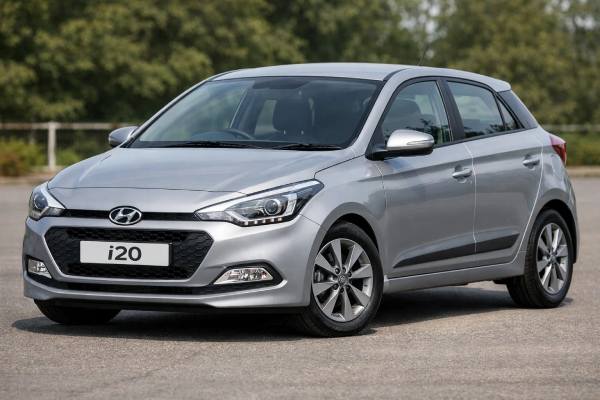
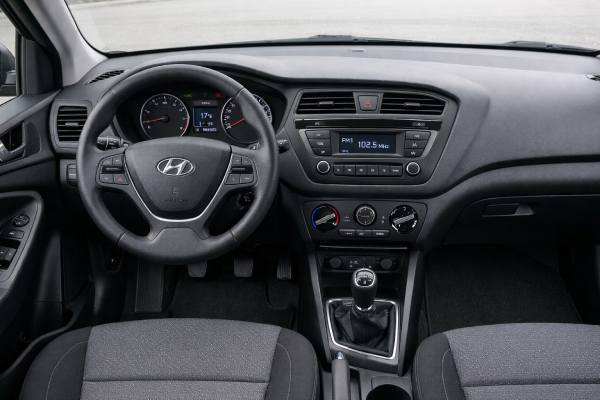
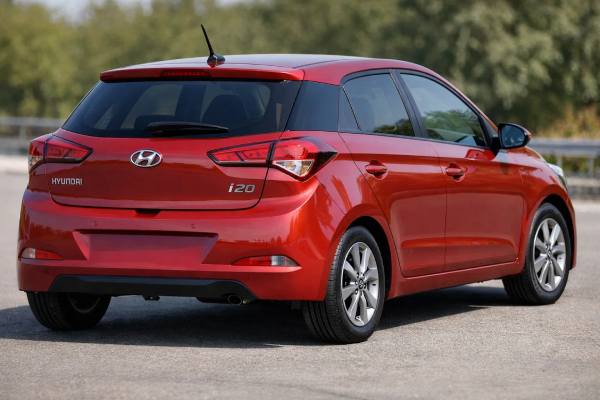
The Hyundai i20 GB with the 1.4 CRDi 90 hp diesel sits in a very sensible corner of the small-car market. It combines a roomy five-door supermini body with a torquey turbo-diesel engine, a six-speed manual gearbox, and straightforward front-wheel-drive packaging. That makes it more than a city hatch. In practice, this version works well as a light commuter, motorway runabout, or fuel-efficient family second car. The engineering appeal is easy to explain: useful low-rpm torque, low official fuel consumption, a 50-litre tank, and a bigger, more mature platform than the earlier PB-generation i20. It is also one of those cars that can be inexpensive to own when the service history is right. The caution is just as important: this is an older diesel, and older diesels reward correct use and regular maintenance. This guide covers the 2014–2018 Hyundai i20 GB 1.4 CRDi in detail, including technical data, safety, common trouble spots, maintenance planning, real-world driving, and how it compares with key rivals.
What to Know
- The 1.4 CRDi’s 240 Nm gives the i20 much stronger everyday pull than the smaller petrol versions.
- The GB-generation body is usefully larger than before, with a 2,570 mm wheelbase and a 326-litre boot.
- A six-speed manual and low official fuel use make it a genuinely good small long-distance car.
- Short-trip use is the main ownership caveat, because soot-control hardware and diesel warm-up cycles matter on older examples.
- Hyundai’s official normal-service diesel schedule stretches a long way, but for used-car life a 10,000–15,000 km or 12-month oil service is the safer plan.
Explore the sections
- Hyundai i20 GB diesel portrait
- Hyundai i20 GB data pack
- Hyundai i20 GB grades and safety
- Reliability patterns and recalls
- Maintenance plan and buyer tips
- Driving character and fuel use
- Comparing the i20 to rivals
Hyundai i20 GB diesel portrait
The GB-generation Hyundai i20 marked a clear step forward from the old PB car. It was larger, looked more mature, and was engineered to feel more like a modern European supermini rather than a basic budget hatchback. For the 1.4 CRDi diesel, that mattered a lot. A small turbo-diesel benefits from a chassis that can settle down at speed, and the GB-generation i20 gave it exactly that: a 2,570 mm wheelbase, a wider stance, and a stronger sense of refinement in everyday use.
The core attraction of this version is balance. The 1.4 CRDi does not sound exciting on paper at 90 hp, but the 240 Nm torque figure changes the driving experience. Compared with the naturally aspirated petrol engines, this diesel feels less strained and more grown-up, especially on fast roads. The six-speed manual is also a key part of the package. It allows the engine to stay in its useful torque band around town while still cruising more calmly than the five-speed petrol versions. In other words, this is the i20 for people who actually cover distance.
The platform helps too. The GB body measures 4,035 mm long, 1,734 mm wide, and 1,474 mm tall, so it remains easy to place in town, yet it no longer feels tiny. Hyundai also made a point of packaging efficiency. The 326-litre VDA boot is genuinely useful for the class, and with the rear seats folded the luggage area expands to 1,042 litres. That makes the car more practical than its size first suggests. It is not a mini-MPV, but it is far from cramped.
From an ownership point of view, the 1.4 CRDi sits in a narrow but worthwhile sweet spot. It offers very low official fuel use, decent towing ability for a small hatchback, and enough torque to carry passengers or luggage without constant gear-changing. It was also sold with Hyundai’s strong warranty message when new, which helped the model’s reputation. Even now, it tends to feel like a rational tool rather than a fashion item.
There are still clear limits. This is not the ideal engine for a life of repeated two-mile trips, long idling, and constant cold starts. That sort of use is hard on older diesels, and the i20 is no exception. The 1.4 CRDi is at its best when it gets fully warm, runs regularly, and receives timely oil and filter changes. Buyers who mainly drive in dense urban traffic may be better off with the simpler petrol alternatives. But for drivers who want a small hatchback that can handle real commuting distance, the GB i20 diesel makes a strong and very logical case.
Hyundai i20 GB data pack
The GB-generation i20 was sold in several petrol and diesel forms, but the 1.4 CRDi 90 hp is one of the most complete everyday versions. The official technical sheet is helpful here because it provides model-range dimensions, weights, performance figures, fuel-consumption data, towing values, and chassis layout for the exact generation.
Powertrain and efficiency
| Item | Hyundai i20 (GB) 1.4 CRDi 90 hp |
|---|---|
| Code | U2 1.4 CRDi |
| Engine layout and cylinders | Transverse I-4, DOHC, 4 valves per cylinder |
| Displacement | 1.4 L (1,396 cc) |
| Bore × stroke | 75.0 × 79.0 mm (3.0 × 3.1 in) |
| Induction | Turbocharged |
| Fuel system | Common-rail direct injection |
| Compression ratio | 16.0:1 |
| Max power | 90 hp (66 kW) @ 4,000 rpm |
| Max torque | 240 Nm (177 lb-ft) @ 1,500–2,500 rpm |
| Timing drive | Verify by VIN and engine build before major timing-parts work |
| Rated efficiency | 3.9 L/100 km combined (60.3 mpg US / 72.4 mpg UK) |
| City / highway official | 4.7 / 3.4 L/100 km |
| Real-world highway at 120 km/h | Usually about 4.8–5.5 L/100 km in healthy cars |
That torque output is the number that matters most in daily use. It explains why the car feels stronger than a simple 90 hp figure suggests.
Transmission, chassis, and dimensions
| Item | Hyundai i20 (GB) 1.4 CRDi 90 hp |
|---|---|
| Transmission | 6-speed manual |
| Drive type | Front-wheel drive |
| Differential | Open |
| Front suspension | MacPherson strut with subframe and anti-roll bar |
| Rear suspension | Torsion beam |
| Steering | Motor-driven power steering; 2.8 turns lock-to-lock |
| Brakes | Front ventilated discs / rear discs |
| Most common tyre sizes | 185/65 R15 or 195/55 R16 |
| Length | 4,035 mm (158.8 in) |
| Width | 1,734 mm (68.3 in) |
| Height | 1,474 mm (58.0 in) |
| Wheelbase | 2,570 mm (101.2 in) |
| Turning circle | 10.2 m (33.5 ft) |
| Ground clearance | 140 mm (5.5 in) |
| Fuel tank | 50 L (13.2 US gal / 11.0 UK gal) |
| Cargo volume | 326 L / 1,042 L (11.5 / 36.8 ft³), VDA |
The GB car’s larger wheelbase and body size are worth noting because they improve both ride quality and cabin usefulness over the older PB generation.
Performance, towing, and service capacities
| Item | Hyundai i20 (GB) 1.4 CRDi 90 hp |
|---|---|
| 0–100 km/h | 12.1 s |
| Top speed | 175 km/h (109 mph) |
| Braked towing | 1,110 kg (2,447 lb) |
| Unbraked towing | 450 kg (992 lb) |
| GVWR | 1,690 kg (3,725 lb) |
| Kerb weight | About 1,240–1,355 kg (2,734–2,987 lb), trim dependent |
| Approximate payload | About 335–450 kg (739–992 lb), trim dependent |
| Fluid or spec | Value |
|---|---|
| Engine oil | 5.3 L (5.6 US qt); with DPF use ACEA C3 or C2, without DPF ACEA B4 |
| Recommended diesel viscosity | SAE 5W-30 |
| Coolant | 6.4 L (6.8 US qt); phosphated ethylene-glycol mix for aluminium radiator |
| Manual transaxle fluid | 1.7–1.8 L (1.8–1.9 US qt); API GL-4 SAE 70W |
| Brake and clutch fluid | 0.7–0.8 L; DOT 3 or DOT 4 |
| A/C refrigerant | 470 ± 25 g; R-134a or R-1234yf |
| A/C compressor oil | 110 g PAG oil |
| Wheel lug nut torque | 88–107 Nm (65–79 lb-ft) |
| Safety item | Value |
|---|---|
| Euro NCAP | 4 stars (2015) |
| IIHS | Not applicable for this model and market context |
| ADAS | No modern AEB, ACC, blind-spot monitoring, or rear cross-traffic alert |
That specification mix tells the story well: practical dimensions, strong diesel torque, low official fuel use, and no unusual hardware surprises.
Hyundai i20 GB grades and safety
Trim structure for the GB i20 varies by market, but the broad theme stays consistent. Entry cars focus on value, mid-spec versions add the equipment most owners actually want, and upper trims bring appearance upgrades and convenience features that make the i20 feel closer to a larger hatchback. For the 1.4 CRDi diesel, that matters because this engine was usually not the cheapest option in the range. Many used examples therefore come with better-than-basic equipment.
Lower trims often include the core things that matter most in daily use: front electric windows, heated door mirrors, height-adjustable driver’s seat, reach-and-rake steering adjustment, USB and AUX connectivity, and remote central locking. Those versions can make excellent used buys because they avoid some cosmetic extras while keeping the solid platform and strong diesel driveline. For buyers focused on running costs, a simpler car on 15-inch wheels can actually be the sweet spot.
Move up the range and the i20 starts to feel much more complete. Comfort and upper trims in many markets added Bluetooth audio, steering-wheel controls, leather-trimmed wheel and gear lever, rear parking sensors, cruise control with speed limiter, front fog lamps, and trim or upholstery improvements. The higher-grade Panorama and LED models added 16-inch alloys, projector lamps, integrated LED daytime running lights, rain sensors, automatic lights, centre armrest, and automatic climate control. These features improve the ownership experience, but they also increase the number of things a used buyer should test carefully.
Safety was one of the GB car’s better strengths for the class. Hyundai designed the body with extensive use of ultra-high-strength steel and backed that up with a useful equipment list. Brochure material highlights six airbags, Electronic Stability Control with Vehicle Stability Management, Hill Start Assist Control, height-adjustable front seat belts, Tyre Pressure Monitoring System, and Lane Departure Warning System on better-equipped cars. The same brochure also makes clear that lane-departure warning, parking sensors, and some comfort-related safety items were trim-dependent rather than universal.
The Euro NCAP result matters here too. The GB i20 earned a four-star Euro NCAP rating in 2015. That is respectable for the period, though not class-leading by today’s standards. The missing piece versus newer small cars is advanced crash-avoidance technology. You should not expect autonomous emergency braking, adaptive cruise control, blind-spot warning, or modern lane-centering support. This i20 belongs to the transition period where strong passive safety and stability control mattered more than broad ADAS coverage.
As a used car, that balance still works reasonably well. The i20 feels safer than many very cheap older superminis because it has a mature body shell, useful airbag coverage, and proper stability systems. But it should still be judged as an older hatchback, not as a modern assisted-driving car. When shopping, verify equipment by VIN and by physical inspection. Check whether ESC, cruise control, parking sensors, TPMS, and lane-departure warning are actually fitted. In the used market, two apparently similar i20 diesels can differ a lot in what they include.
Reliability patterns and recalls
The Hyundai i20 GB 1.4 CRDi can be a durable small diesel, but the pattern of reliability depends heavily on how it has been used. Cars that have covered steady longer trips usually age better than low-mileage examples used only for short urban hops. That is not unique to Hyundai. It is the normal rule for modern small diesels, and the i20 follows it closely.
The most common trouble patterns are the ones you would expect from an older Euro-market diesel hatchback. EGR and intake contamination are high on the list. Symptoms include hesitation, weak low-rpm response, uneven idle, smoke under load, and engine-management warnings. The likely cause is soot and oil residue building up over time, especially where the car has spent years on repeated short trips. The remedy is usually inspection, cleaning, and sometimes replacement of the affected parts, followed by confirming that the car is being used in a way that allows proper warm-up.
Fuel-system neglect is another realistic concern. The owner’s manual makes an important point here: fuel-filter service is tied closely to fuel quality and should be brought forward if poor running, restricted flow, hard starting, or power loss appears. That matters on used cars, because diesel performance problems are often blamed on “just old age” when the simpler answer is overdue filtration or poor-quality fuel.
Cars fitted with a DPF deserve extra caution if their life has been mostly urban. Interrupted regenerations, short-trip driving, and weak battery condition can produce a chain of problems: warning lights, limp mode, rising oil level from failed regens, and poor economy. None of that means the car is fundamentally bad. It means the diesel needs to be matched to the right use case. Buyers who mainly drive in city traffic should take that seriously.
Other recurring age-related issues are more conventional. Clutch wear and, where fitted, dual-mass flywheel wear can show up as idle rattle, shudder, or slipping under load. Boost-hose leaks can cause weak pull or hissing noises. Glow plugs and their control system can create cold-start complaints. Rear brakes can corrode or drag on low-use cars, and front suspension links, bushes, and wheel bearings can become noisy with age.
The engine itself usually responds well to good oil discipline. That is one reason many careful owners shorten the oil interval rather than following the longest possible book schedule. Turbo life, timing-system health, and diesel emissions hardware all benefit from clean oil and timely changes. A neglected service record matters more here than on the simpler petrol i20s.
On recalls and service campaigns, always check by VIN. Hyundai provides an official recalls and service-campaign portal, and dealer records are worth asking for. That check is useful not only for safety recalls, but also because it can confirm whether the car stayed inside the official network long enough to receive software updates or campaign work. With a used diesel, the paperwork often tells you as much as the road test.
Maintenance plan and buyer tips
The GB i20 diesel is not unusually difficult to maintain, but it benefits from a more disciplined approach than the petrol versions. Hyundai’s normal European diesel schedule is long. Officially, the oil and filter interval can stretch to 30,000 km or 24 months with the correct specified oil. That looks good in a brochure. On an older used diesel, it is not the interval most careful owners would choose.
Practical maintenance schedule
| Item | Practical interval |
|---|---|
| Engine oil and filter | Every 10,000–15,000 km or 12 months |
| Official normal schedule reference | Up to 30,000 km or 24 months with the correct approved oil |
| Official severe-use diesel schedule | 15,000 km or 12 months |
| Fuel filter cartridge | About every 60,000 km under normal schedule; sooner if fuel quality is poor or running symptoms appear |
| Engine air filter | Inspect regularly; replace as needed, sooner in dust |
| Cabin air filter | Replace regularly; annual service is sensible |
| Coolant | First replacement at 210,000 km or 120 months, then every 40,000 km or 24 months |
| Brake and clutch fluid | Every 60,000 km or 48 months under the normal schedule; every 24 months is sensible used-car practice |
| Manual gearbox oil | Inspect every 60,000 km or 48 months; earlier replacement can help long-term shift quality |
| Auxiliary belts | First replacement at 90,000 km or 48 months, then every 30,000 km or 24 months |
| Tyres and alignment | Inspect often; rotate and align when wear or pull suggests it |
| 12 V battery | Test yearly once age passes about 4 years |
The most important judgment call is the oil interval. The manual allows long intervals under ideal European conditions, but the same manual also shortens service significantly for severe use. Older diesels often live closer to the severe-use reality than the brochure ideal. That is why many informed owners treat this engine as a yearly oil-service car and do not regret it.
The same logic applies to the fuel filter and battery. A diesel with stop-start or low-voltage sensitivity can behave badly when battery health drops, and a neglected fuel filter can create symptoms that feel much larger than the actual problem. These are relatively cheap preventative items compared with injectors, turbo hardware, or DPF work.
Used-buyer checklist
- Start the car from cold. Listen for long cranking, injector blow-by, rough idle, or unusual diesel rattle.
- Drive it fully warm and check for clean turbo pull without flat spots or limp mode.
- Watch for excess smoke under load after the engine is hot.
- Test the clutch in a higher gear for slip and listen for flywheel vibration or idle chatter.
- Check the coolant bottle, radiator seams, and hoses for staining or pressure signs.
- Inspect the oil level and ask whether it has ever risen between services, which can matter on DPF-equipped cars.
- Look for rear-brake drag, uneven tyre wear, front suspension knocks, and wheel-bearing hum.
- Test all warning lights, parking sensors, heater operation, windows, locks, and infotainment controls.
- Ask for proof of oil services, fuel-filter changes, and recall completion.
A good i20 GB diesel is usually a car with a believable history, regular annual servicing, decent tyres, and evidence of proper longer-distance use. A bad one is often a cheap city car with vague paperwork and a seller who says the warning lights “clear themselves.”
Driving character and fuel use
The i20 GB 1.4 CRDi is one of those cars that feels better in everyday driving than the numbers first suggest. Its official 0–100 km/h time of 12.1 seconds does not sound quick, and it is not. But the low-down torque makes the car feel more flexible and less effortful than the small petrol versions. That matters more in real life than a sprint figure.
In town, the diesel’s character is clear immediately. It pulls from low revs with little drama, so you do not need to work the gearbox constantly. The six-speed manual is also nicely matched to the engine’s torque band. Lower gears make it easy to keep pace in traffic, while the higher ratios help the car settle down once speeds rise. The result is a supermini that feels more relaxed than many of its direct rivals when it is doing normal adult driving.
On faster roads, the 1.4 CRDi makes a stronger case for itself. The i20 is stable in a straight line, easy to place, and mature enough to handle regular motorway work without feeling overwhelmed. Wind and tyre noise are still present because this is a small hatchback, but the car does not feel flimsy or frantic. That is one of the GB generation’s quieter achievements. It took the i20 from being a useful budget hatch to being a genuinely credible small-distance car.
Handling is safe and predictable rather than playful. The steering is light and accurate enough, but it does not have the feedback or sparkle of a Ford Fiesta. The rear torsion beam setup is conventional, and Hyundai tuned the car for stability and usability rather than for cornering excitement. That is a fair decision for the target buyer. The i20 is at its best when it feels easy, calm, and unintimidating.
Ride quality depends partly on wheel size. Cars on 15-inch tyres usually ride more sweetly and cost less to keep in good rubber. Sixteen-inch cars can look sharper and respond a bit more cleanly at turn-in, but they also make rough surfaces more noticeable. On a used car, tyre condition and brand often influence ride and noise more than the brochure suggested when the car was new.
Real-world economy remains a major strength. Healthy cars often return around 4.6–5.4 L/100 km in mixed use. A steady 100–120 km/h run can stay in the high-4s to mid-5s. Dense urban driving pushes the figure upward, especially in winter, and that same pattern is also the one most likely to upset diesel emissions hardware. In other words, the economy is excellent when the car is doing the kind of work it was designed for.
The overall verdict on driving is simple. This is not a sporty i20, but it is arguably one of the most useful GB-generation i20s for real mileage. It feels like a small hatchback with a proper grown-up driveline, and that still counts for a lot.
Comparing the i20 to rivals
The Hyundai i20 GB 1.4 CRDi entered one of the toughest parts of the European market. Its natural rivals included the Ford Fiesta 1.5 TDCi, Volkswagen Polo 1.4 TDI or 1.6 TDI, Skoda Fabia 1.4 TDI, Renault Clio dCi, Peugeot 208 BlueHDi, and Toyota Yaris 1.4 D-4D. Each one had a strong point, and the Hyundai’s role was not to dominate one category. It was to be consistently sensible across most of them.
Against the Ford Fiesta, the i20 usually loses on steering feel and driver involvement. The Fiesta is the better enthusiast’s supermini. The Hyundai answers with a slightly more comfort-first character, a roomy cabin, and a strong value story in the used market. Buyers who care more about commuting ease than cornering flair often prefer the Hyundai’s calmer nature.
Against the Polo and Fabia, the i20 can feel less premium inside, but it often wins on equipment-per-price and on simple ownership logic. The VW-group cars may have the more restrained cabins, yet the Hyundai tends to look attractive when you compare condition, specification, and purchase cost directly. That is especially true once the cars are old enough that service history matters more than badge image.
Against French diesel superminis such as the Clio and 208, the i20 often feels less characterful but more straightforward. It may not have the most charming ride or the fanciest interior design, but many used buyers value predictability over flair. The i20’s appeal is that it is easy to understand: useful size, strong diesel torque, good boot, and no unusual layout surprises.
The Toyota Yaris 1.4 D-4D is another important rival because Toyota’s durability reputation stays powerful in the used market. The Hyundai counters with a bigger-feeling body, a more relaxed motorway character, and a generally strong value position. The Kia Rio is perhaps the closest relative in philosophy: practical, sensible, and low-drama. In many real used-car decisions, the best buy is simply whichever of the two has the clearer history and better condition.
The i20 GB diesel makes the most sense for drivers who still cover genuine distance and want a supermini that does not feel weak on faster roads. It is a weaker fit for buyers who only do short city trips or who want modern driver assistance. It is also not the right pick for someone seeking the sharpest chassis in the class.
Where it wins is clarity. The i20 1.4 CRDi offers practical size, strong low-rpm flexibility, low fuel use, and straightforward day-to-day manners. That combination still makes sense. Buy it with a full history, sensible annual servicing, and a use pattern that suits an older diesel, and it remains one of the more rational small used cars in its niche.
References
- Hyundai i20 5D 2014 (Technical Data)
- Hyundai i20 2014 (Brochure)
- Εγχειρίδια Κατόχου – Hyundai Ελλάς ΑΒΕΕ 2026 (Owner’s Manual portal)
- Hyundai i20 – Euro NCAP Results 2015 2015 (Safety Rating)
- Home | Hyundai Recalls & Service Campaigns 2026 (Recall Database)
Disclaimer
This article is for informational purposes only and is not a substitute for professional diagnosis, repair, or vehicle-specific technical advice. Specifications, torque values, service intervals, procedures, emissions hardware, and equipment can vary by VIN, market, trim, and production date, so always verify critical details against official service documentation for the exact vehicle.
If this guide helped you, please consider sharing it on Facebook, X, or another social platform to support our work.