
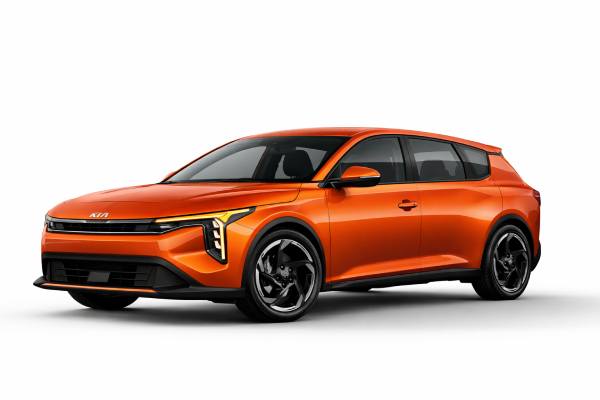
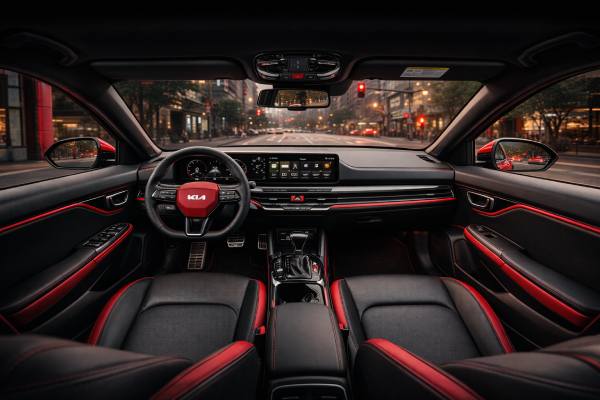
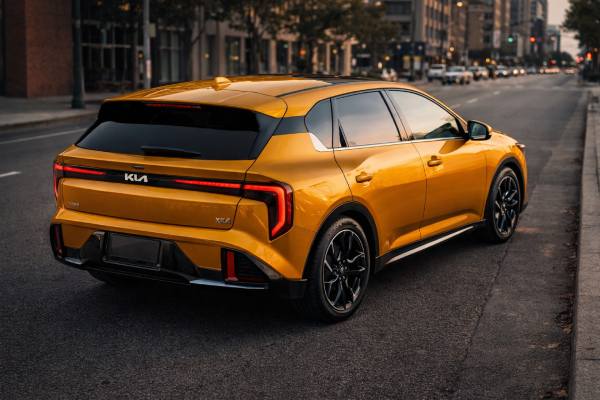
The 2026-present Kia K4 Hatchback (CL4) with the 2.0-liter, 147-hp engine is aimed at buyers who want compact-car efficiency with hatchback practicality—without giving up modern safety tech. This powertrain is tuned for everyday use: smooth low-stress output, predictable throttle response, and a focus on fuel economy over outright speed. The hatchback body adds real utility—especially for bulky items—while keeping parking and city driving easy.
From an ownership standpoint, this version tends to reward simple, consistent maintenance: clean oil, quality filters, and sensible warm-up habits matter more than “performance” mods. The biggest long-term differentiator is often how the car is used (short trips vs mixed driving) and how well the transmission and cooling system are cared for. If you want a calm, efficient daily with useful cargo flexibility, this is the K4 Hatchback configuration to understand first.
What to Know
- Strong highway efficiency for a roomy compact hatchback, especially at steady speeds.
- Practical cargo access and fold-friendly layout make it easier to live with than a sedan.
- A simpler 2.0 MPI setup can be easier to maintain than small turbo engines for some owners.
- If you do mostly short trips, use the “severe service” schedule and avoid stretching oil intervals.
- Plan on engine oil and filter service about every 10,000 km (6,000 mi) or 12 months (sooner in harsh use).
Guide contents
- K4 Hatchback CL4 in depth
- K4 Hatchback 2.0 specs tables
- K4 Hatchback trims and safety tech
- Reliability and known trouble spots
- Maintenance schedule and buying tips
- Road feel and real economy
- K4 Hatchback vs key rivals
K4 Hatchback CL4 in depth
This K4 Hatchback variant centers on the naturally aspirated 2.0-liter engine rated at 147 hp. In practical terms, that means the car is designed to feel easy and consistent rather than urgent: you get predictable response around town, good steady-speed cruising manners, and fewer heat and boost variables than a turbocharged setup. For most owners, that “less dramatic” engineering is the point—especially if you keep cars for many years and prefer straightforward service patterns.
The hatchback body is the other big part of the story. A compact hatch typically changes how you use the car more than you expect: taller cargo fits without fighting a small sedan trunk opening, and the rear seatbacks usually turn the car into a “mini-wagon” for weekend runs, home-improvement supplies, or travel gear. If you frequently carry strollers, sports bags, small furniture boxes, or a medium dog crate, the hatchback configuration can reduce daily friction.
On the road, the 2.0 model’s character depends heavily on how you drive it. It’s happiest when you use the mid-range and let the transmission keep the engine in its efficiency zone. If you demand quick passing at higher speeds, you’ll feel the limits of a 147-hp naturally aspirated engine—especially with passengers or luggage. The reward is that normal commuting rarely stresses the drivetrain, which can be helpful for long-term durability.
For buyer intent, the key is matching expectations:
- If your priority is lowest stress ownership, the 2.0 hatchback is usually the sensible entry point.
- If your priority is strong passing power, you’ll likely prefer the turbo model, but you accept more heat load and greater sensitivity to oil quality and cooldown habits.
- If you care about fuel economy and simplicity, the 2.0 is the version to baseline.
Finally, treat “2026–present” as a moving target. Early production years sometimes carry more software updates (infotainment, ADAS calibration tweaks, sensor logic refinements). That doesn’t automatically mean “avoid the first year,” but it does mean you should confirm campaigns, updates, and service history when shopping.
K4 Hatchback 2.0 specs tables
Below are the core specifications for the 2.0-liter, 147-hp K4 Hatchback configuration. Exact equipment can vary by market and trim, so treat these as the baseline mechanical package and verify details by VIN.
Powertrain and efficiency
| Item | Specification |
|---|---|
| Code | 2.0 MPI (Atkinson-cycle tuning) |
| Engine layout and cylinders | I-4, DOHC, 16 valves (4 valves/cyl) |
| Bore × stroke | 81.0 × 97.0 mm (3.19 × 3.82 in) |
| Displacement | 2.0 L (1,999 cc) |
| Induction | Naturally aspirated |
| Fuel system | MPI (multi-port injection) |
| Compression ratio | 12.5:1 |
| Max power | 147 hp (110 kW) @ 6,200 rpm |
| Max torque | 179 Nm (132 lb-ft) @ 4,500 rpm |
| Timing drive | Chain |
| Fuel | Regular unleaded (typical 87 AKI where applicable) |
| Rated efficiency (example baseline) | 6.9 L/100 km (34 mpg US / 41 mpg UK) combined |
| Real-world highway @ 120 km/h (75 mph) | Typically ~6.5–7.5 L/100 km (31–36 mpg US), climate and tyres matter |
Efficiency note: The “real-world @ 120 km/h” range is a practical expectation band. Wind, winter fuel, roof racks, and tyre choice can swing it noticeably.
Transmission and driveline
| Item | Specification |
|---|---|
| Transmission | IVT (CVT-type) |
| Drive type | FWD |
| Differential | Open |
Chassis and dimensions
| Item | Specification |
|---|---|
| Suspension (front / rear) | MacPherson strut / Multi-link |
| Steering | Rack-mounted motor-driven power steering (MDPS) |
| Brakes (front / rear) | Ventilated discs 279 mm (11.0 in) / solid discs 262 mm (10.3 in) |
| Wheels and tyres (common) | 215/50 R17 (EX) or 225/40 R18 (GT-Line) |
| Length | 4,529 mm (178.3 in) |
| Width | 1,849 mm (72.8 in) |
| Height | 1,466 mm (57.7 in) |
| Wheelbase | 2,720 mm (107.1 in) |
| Turning circle (kerb-to-kerb) | 10.6 m (34.8 ft) |
| Kerb (curb) weight | 1,420 kg (3,130 lb) |
| Fuel tank | 50.0 L (13.2 US gal / 11.0 UK gal) |
| Cargo volume | 629 L (22.2 ft³) seats up (method varies by market) |
Performance and capability
| Item | Specification |
|---|---|
| 0–60 mph | 8.1 s |
| 0–100 km/h (estimated from 0–60) | ~8.4–8.8 s (conditions dependent) |
| Top speed | 200 km/h (124 mph) |
| Braking distance (60–0 mph) | 36.6 m (120 ft) |
| Towing capacity | Not commonly rated for compact FWD hatches (verify local guidance) |
| Payload | Varies by trim/market; verify door-jamb label |
Fluids and service capacities (verify by VIN)
Because owner manuals and service documentation differ by market and revision, use these as decision-making ranges and confirm the exact spec for your car:
- Engine oil: commonly 0W-20 or 5W-20 meeting modern API/ILSAC standards; ~4.0–4.5 L (4.2–4.8 US qt) with filter is typical for many 2.0-liter Kia I-4 engines.
- Coolant: long-life ethylene glycol mix is typical; capacity often lands ~6–7 L (6.3–7.4 US qt) in compact I-4 platforms.
- Transmission fluid (IVT): use only the specified CVT/IVT fluid type; capacity and procedure are highly model-specific.
- A/C refrigerant: many newer models use R-1234yf, but confirm on the under-hood label.
Key torque specs (common reference points to verify):
- Wheel lug nuts on modern compacts often land near 90–110 Nm (66–81 lb-ft), but always follow the service manual for your exact wheels and studs.
Safety and driver assistance (equipment dependent)
| Item | What to look for |
|---|---|
| Crash ratings | May vary by body style and year; confirm with official rating bodies for the exact K4 Hatchback year |
| ADAS suite | Typically includes AEB, lane support, driver attention features; availability and names vary by market/trim |
| Headlights | Rating depends on exact lamp type and aim; verify by trim |
K4 Hatchback trims and safety tech
Most markets structure the K4 Hatchback lineup around a practical base/comfort trim and one or more appearance-plus trims. The critical detail for this article is that the 2.0-liter 147-hp engine usually anchors the mainstream trims, while a higher-output turbo configuration (where offered) sits above it. When shopping, don’t rely only on badges—confirm the engine and transmission on the build sheet or VIN-linked dealer printout.
Trims and options: what changes mechanically
Even when the 2.0 powertrain stays the same, trims can change how the car feels and what it costs to maintain:
- Wheels and tyres: 17-inch packages generally ride a bit calmer, cost less to replace, and tolerate rough pavement better. 18-inch packages look sharper and can feel more immediate in steering response, but tyres are typically pricier and more vulnerable to pothole damage.
- Brakes and chassis tuning: the baseline brake hardware may be shared, but pad compounds, tyre grip, and wheel weight can change braking feel.
- Lighting: different headlight units can affect visibility and—where tested—headlight ratings. If you drive rural roads at night, this is worth prioritizing over cosmetic upgrades.
- Infotainment and driver aids: higher trims may bundle larger screens, upgraded audio, and additional ADAS functions.
Quick identifiers when inspecting a used example
- Tyre size on the sidewall is a fast clue (e.g., 215/50R17 vs 225/40R18).
- Window sticker copy or dealer build sheet should clearly state 2.0-liter output and the IVT transmission type.
- Under-hood labels sometimes list refrigerant type and emissions family, which helps match the correct service specs.
Safety ratings: how to interpret what you find
Safety ratings can be confusing because:
- Ratings may apply to a specific year and may change with test updates.
- Body style can matter. A sedan rating is informative, but it’s not automatically a hatchback rating unless the agency confirms equivalence.
- Options matter—headlights and crash-avoidance tech can shift results.
When you check official ratings, match:
- Year (2026, 2027, etc.)
- Body style (hatchback)
- Trim headlights (base vs premium lamps)
- Standard vs optional AEB and lane features (some tests assume standard fitment)
Safety systems and ADAS: practical ownership notes
Modern ADAS adds safety, but it also adds calibration sensitivity:
- Windshield replacement may require camera recalibration.
- Front radar alignment can be affected by minor bumper impacts.
- Wheel alignment changes (after suspension work or pothole hits) can influence lane-keeping behavior.
If you plan to keep the car long-term, choose a trim where key safety tech is standard rather than bundled in rare option packages—parts availability and insurance repair workflows tend to be simpler.
Reliability and known trouble spots
Because the 2026-present K4 Hatchback is a newer model line, reliability discussion should be approached in two layers: (1) what is typical for this type of 2.0-liter naturally aspirated + CVT/IVT compact drivetrain, and (2) what early-life issues tend to appear in first-run vehicles (software refinements, trim and rattle items, sensor quirks). The goal is not to assume the car has problems—it’s to know what to watch for and how to keep small issues small.
Common vs occasional vs rare: what to expect
Common (low to medium cost):
- Infotainment glitches or intermittent camera/parking sensor warnings
- Symptoms: frozen screen, delayed Bluetooth pairing, camera dropouts.
- Likely cause: software bugs or module communication hiccups.
- Remedy: dealer software updates; occasionally a module replacement under warranty.
- Tyre and wheel vulnerability on 18-inch setups
- Symptoms: sidewall bubbles, bent rims, vibration after potholes.
- Cause: low-profile tyres plus rough roads.
- Remedy: wheel inspection, alignment, sometimes downsizing to a more resilient tyre profile.
Occasional (medium cost):
- 12-V battery sensitivity in stop-and-go or short-trip use
- Symptoms: slow cranking, warning lights after sitting, repeated low-voltage faults.
- Cause: frequent short trips don’t fully recharge; accessory use adds load.
- Remedy: battery test, consider a maintenance charger if the car sits, confirm software updates that address sleep-mode behavior.
- IVT/CVT driveability complaints (especially if neglected)
- Symptoms: shudder on takeoff, “rubber band” feel, flare at light throttle.
- Cause: fluid degradation, calibration, or driving style mismatch.
- Remedy: verify correct fluid type, follow service intervals, and ensure no outstanding drivability updates.
Rare (higher cost):
- Cooling system leaks or thermostat housing seepage
- Symptoms: coolant smell, slow coolant loss, overheating warnings.
- Cause: gasket/connector seepage, clamp issues.
- Remedy: pressure test and targeted replacement.
Usage patterns that change outcomes
- Short trips in cold weather: increase condensation in oil and can accelerate sludge if oil is neglected. Use the severe schedule and consider slightly shorter intervals.
- Long highway commutes: generally easy on the engine, but watch tyre wear and keep alignment correct for efficiency.
- Aggressive acceleration: raises heat load. It won’t “break” the car, but it increases the importance of correct oil and cooling health.
Recalls, TSBs, and how to verify
For any 2026+ vehicle, you should routinely confirm:
- Open safety recalls (official recall database)
- Service campaigns or “customer satisfaction” actions
- Software updates for ADAS and infotainment
Practical tip: ask the selling dealer for a printed record showing campaign completion and update history, not just verbal confirmation.
Maintenance schedule and buying tips
A simple drivetrain still benefits from a structured plan. The 2.0-liter K4 Hatchback is best treated like a “high-efficiency appliance”: keep fluids clean, filters fresh, tyres aligned, and you’re doing most of what matters. The schedule below is designed to be conservative and realistic for mixed driving; always defer to the official manual for your exact market and VIN.
Practical maintenance schedule (baseline vs severe)
Baseline use (mostly longer drives, mild climate, little idling):
- Engine oil and filter: every 10,000 km (6,000 mi) or 12 months
- Tyre rotation: every 10,000–12,000 km (6,000–7,500 mi)
- Cabin air filter: every 15,000–20,000 km (more often in dusty areas)
- Engine air filter: inspect at 20,000 km, replace as needed
- Brake inspection: every 15,000–20,000 km
- Brake fluid: every 2 years (good practice even if not strictly required)
- Coolant: commonly 5 years / 100,000 km initial, then periodic (verify)
- Spark plugs: often long-life; many modern MPI engines run 150,000–160,000 km intervals (verify exact type)
Severe use (short trips, extreme temperatures, heavy traffic, lots of idling):
- Shorten oil intervals to 7,500 km (4,500–5,000 mi) and keep an eye on oil level and smell.
- Inspect brakes and tyres more frequently; city driving consumes them faster.
IVT/CVT care: the “quiet” maintenance item
CVT/IVT longevity is strongly linked to correct fluid and temperature control. Even if the manufacturer markets the fluid as “lifetime,” many long-term owners choose a preventive fluid service in the 60,000–100,000 km range, especially in hot climates or heavy traffic. The key is doing it correctly:
- Use only the specified fluid.
- Follow the correct level-setting procedure (often temperature-dependent).
- Address any shudder or warning lights early.
Buyer’s guide: what to check before purchase
Paperwork and verification
- Confirm engine and trim match the listing (2.0, 147 hp).
- Ask for recall and campaign completion proof.
- Review service invoices for oil changes at reasonable intervals.
Physical inspection checklist
- Uneven tyre wear (alignment issues)
- Brake vibration (warped rotors or pad deposits)
- Water leaks around hatch seals (check spare-tire well area if accessible)
- Infotainment responsiveness, camera clarity, and sensor consistency
- Test all driver-assist functions on a safe road: lane support should be steady, not ping-ponging.
Best ownership profile
This 2.0 hatchback tends to suit:
- commuters who value efficiency and calm operation,
- owners who keep cars beyond warranty,
- drivers who want hatch practicality without stepping into a crossover.
Road feel and real economy
The 2.0-liter K4 Hatchback is typically at its best when you treat it as a balanced daily rather than a hot hatch. The drivetrain’s strong point is smooth, low-effort momentum. Around town, the engine’s response is linear and the IVT keeps revs modest if you accelerate progressively. When you push harder—especially for passing—the engine must climb higher in rpm to deliver its best power, which can sound busy even if it’s mechanically normal.
Ride, handling, and NVH
- Ride quality: With 17-inch tyres, the car usually feels more compliant over broken pavement. With 18-inch low-profile tyres, impacts are sharper and road noise can rise on coarse asphalt.
- Steering feel: Electric steering is typically light at parking speeds and stable on the highway. Expect accurate tracking rather than detailed “feel” through the wheel.
- Body control: Multi-link rear suspension (where equipped) generally helps the car stay composed over mid-corner bumps and reduces hop on rough surfaces.
- Cabin noise: At steady speeds, most of what you hear is tyre noise and wind. Tyre choice can change the cabin experience more than many people expect.
Powertrain character and drive modes
If your car offers selectable drive modes, the differences often show up in:
- throttle mapping (how quickly power is requested),
- simulated “steps” in the IVT (to mimic gear changes),
- steering weight.
For day-to-day driving, a normal mode typically delivers the smoothest behavior. Sportier modes can feel more responsive but may keep the engine at higher rpm more often.
Real-world fuel economy (what owners commonly see)
Rated numbers are useful, but real-world economy usually clusters by speed and temperature:
- City-heavy driving: often lands around 7.5–8.5 L/100 km (28–31 mpg US) depending on traffic and warm-up time.
- Highway 100–120 km/h: often 6.5–7.5 L/100 km (31–36 mpg US), with headwinds and winter fuel pushing it higher.
- Mixed driving: many drivers see 6.9–7.8 L/100 km (30–34 mpg US).
Cold weather is the biggest swing factor. Expect higher consumption in winter due to longer warm-up, denser air, winter tyres, and more HVAC use.
K4 Hatchback vs key rivals
Compact hatchbacks are a crowded “sweet spot” class: small enough to be efficient and easy in cities, big enough to be comfortable on highways. The K4 Hatchback 2.0 competes best when you value a newer tech suite, a calm daily-driver character, and straightforward efficiency.
Where the K4 Hatchback 2.0 tends to win
- Value-per-feature: In many markets, Kia packages driver-assist and infotainment features competitively for the price point. If you want modern ADAS without jumping to a premium badge, the K4 can look strong on paper.
- Hatch practicality: Against compact sedans, the hatchback body is the advantage—no contest for bulky cargo.
- Balanced efficiency: The 2.0 NA setup targets low-stress economy rather than high-boost torque.
Tradeoffs vs common alternatives
- Honda Civic Hatchback: Often feels more athletic and polished in chassis tuning, and resale can be strong. You may pay more up front, and availability can vary.
- Toyota Corolla Hatchback: A durability-focused choice with a conservative personality. It can feel tighter inside, and power delivery varies by engine and market.
- Mazda3 Hatchback: Frequently the “premium feel” pick for interior quality and steering/handling, but rear seat space and visibility can be less friendly, and fuel economy depends on engine size.
- Subaru Impreza: If AWD is offered in your market, it’s a winter-friendly alternative. The tradeoff is typically higher fuel consumption and a different driving feel.
- Volkswagen Golf: Where available, the Golf often sets the benchmark for refinement and ride/handling balance. Costs and trim complexity can be higher.
Quick decision guide
Choose the K4 Hatchback 2.0 if you want:
- a modern compact hatch with strong highway efficiency,
- simple naturally aspirated ownership logic,
- a feature set that competes well at its price point.
Look harder at rivals if you prioritize:
- the sharpest handling (often Civic/Mazda3),
- AWD (often Impreza),
- the most established long-run track record in your specific market (often Corolla/Civic).
References
- 2026 K4 Hatchback: Specifications 2025 (Press Kit) ([Kia Media][1])
- Kia America Debuts All-New 2026 K4 Hatchback at 2025 New York International Auto Show 2025 (Press Release) ([Kia Media][2])
- Recalls 2026 (Recall Database) ([NHTSA][3])
- 2025 Kia K4 Named IIHS TOP SAFETY PICK+ for 2025 2025 (Safety Announcement) ([Kia News Center][4])
Disclaimer
This article is for informational purposes only and is not a substitute for professional diagnosis, inspection, or repair. Specifications, torque values, fluid types, and maintenance intervals can vary by VIN, market, production date, and installed equipment. Always verify details using your official owner’s manual and service documentation for your exact vehicle.
If you found this guide useful, please consider sharing it on Facebook, X/Twitter, or your favorite forum to support our work.