
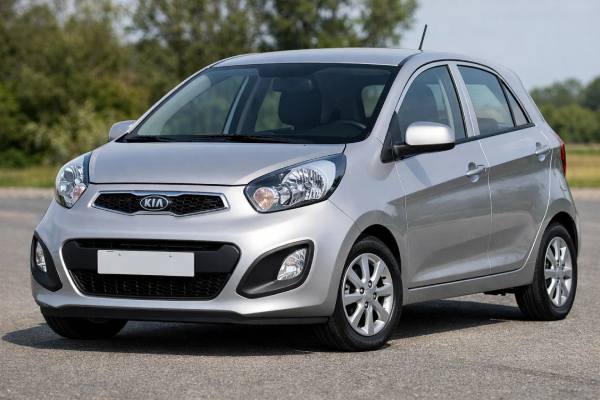
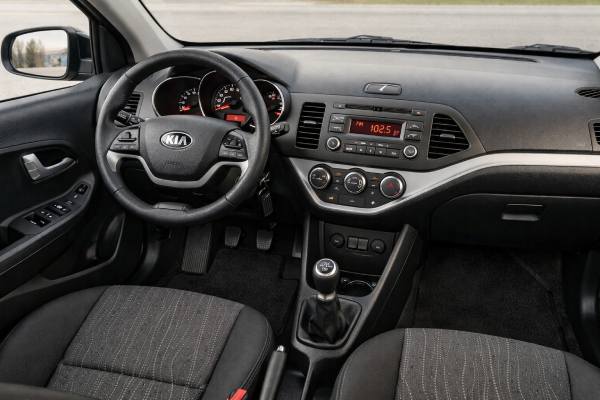

The 2011–2015 Kia Picanto (TA) with the G3LA 1.0-litre engine is a classic “do the basics well” city car: compact outside, easy to place in traffic, and inexpensive to keep running when it’s serviced on time. Its three-cylinder design favors low fuel use and low parts cost over outright speed, so the ownership experience is mostly about smart maintenance and choosing a well-kept example.
Where this Picanto stands out is packaging—good cabin space for its footprint—plus simple mechanicals that most general workshops can handle. Where owners get caught is usually neglect: stretched service intervals, cheap oils, ignored coolant leaks, and worn suspension parts that turn a tidy car into a noisy one. If you’re shopping used, the TA Picanto rewards careful inspection more than bargain hunting.
Owner Snapshot
- Best for tight-city driving and low running costs, not fast motorway passing.
- Simple, service-friendly design; most repairs are straightforward and affordable.
- Expect more engine vibration than a 4-cylinder and more road noise on coarse asphalt.
- Budget for suspension refresh items (bushes, links, mounts) as mileage rises.
- Change engine oil every 10,000–15,000 km (6,000–9,000 mi) or 12 months to protect the timing chain system.
What’s inside
- Picanto TA 1.0: generation shift
- Picanto TA G3LA specs tables
- Picanto TA trims, safety, and tech
- Known faults, recalls, and fixes
- Service schedule and buyer checklist
- On-road feel and economy
- Picanto TA vs city-car rivals
Picanto TA 1.0: generation shift
The TA-generation Picanto is more than a styling update over the earlier car—it’s a meaningful step in structure, packaging, and day-to-day usability. For the 1.0 G3LA version, the engineering brief is clear: keep the car light and compact, make it easy to service, and deliver good urban economy without complex technology. That’s why you’ll see a small-displacement, naturally aspirated, multi-point fuel injection (MPI) engine paired most commonly with a simple manual gearbox.
In real ownership terms, the Picanto TA 1.0 works best when you treat it like an A-segment car. It’s happiest commuting, doing school runs, and handling short trips where parking ease matters more than refinement. The three-cylinder layout has an inherent vibration signature (it tends to “thrum” at idle and under load), but the payoff is fewer cylinders, fewer parts, and usually lower fuel consumption in stop-start driving.
The cabin is one of the TA car’s quiet strengths. The seating position is upright, visibility is good, and it’s easier to fit adults in the back than you might expect from the outside. Storage is practical, and the hatchback layout makes it genuinely useful for daily errands. The trade-off is that noise insulation is modest—tyres, wind, and suspension “busy-ness” are normal at higher speeds, especially on rough roads.
If you’re choosing between the 1.0 and larger engines in this generation, the 1.0 is the sensible “running cost” pick, but it demands realistic expectations. It will maintain motorway speed, but passing power is limited. Owners who try to drive it like a larger hatch often end up running it hard, which increases noise, fuel use, and wear. Drive it smoothly, keep the revs where it makes usable torque, and it becomes a dependable, low-stress car.
The sweet spot as a used buy is a vehicle with proof of regular oil changes, cooling system care, and suspension maintenance. This model doesn’t need heroic preventative work—it needs consistent basics.
Picanto TA G3LA specs tables
Below are typical specifications for the Kia Picanto (TA) with the G3LA 1.0 (69 hp). Values can vary by market, trim, wheels, and test standard—use these as a practical reference, then confirm with VIN-specific documentation.
Powertrain and efficiency
| Item | Specification |
|---|---|
| Code | G3LA |
| Engine layout and cylinders | I-3, 3 cylinders, DOHC, 4 valves/cyl (12V) |
| Displacement | 1.0 L (998 cc) |
| Induction | Naturally aspirated (NA) |
| Fuel system | MPI (port injection) |
| Compression ratio (typical) | ~10.5:1 (varies by market) |
| Max power | 69 hp (51 kW) @ ~6,200 rpm* |
| Max torque | ~94 Nm (69 lb-ft) @ ~3,500 rpm* |
| Timing drive | Chain |
| Rated efficiency (typical combined) | ~4.2–5.3 L/100 km (44–56 mpg US / 53–67 mpg UK) |
| Real-world highway @ 120 km/h (75 mph) | ~5.5–6.5 L/100 km (36–43 mpg US / 43–51 mpg UK) |
*Peak rpm figures vary slightly across calibrations and markets.
Transmission and driveline
| Item | Specification |
|---|---|
| Transmission (common) | 5-speed manual |
| Automatic option | 4-speed automatic (market dependent) |
| Drive type | FWD |
| Differential | Open |
Chassis and dimensions
| Item | Specification |
|---|---|
| Suspension (front/rear) | MacPherson strut / torsion beam |
| Steering | Electric power steering (EPS) |
| Brakes | Front disc / rear drum (trim dependent) |
| Brake diameters (typical) | Front ~256 mm (10.1 in) disc; rear ~203 mm (8.0 in) drum |
| Wheels/tyres (common) | 165/60 R14 (14 in rim) or 175/50 R15 (15 in rim) |
| Ground clearance (typical) | ~140 mm (5.5 in) |
| Length / width / height (typical) | ~3,595 / 1,595 / 1,480 mm (141.5 / 62.8 / 58.3 in) |
| Wheelbase | ~2,385 mm (93.9 in) |
| Turning circle (kerb-to-kerb) | ~9.6 m (31.5 ft) |
| Kerb (curb) weight | ~850–950 kg (1,874–2,094 lb) (spec-dependent) |
| Fuel tank | ~35 L (9.2 US gal / 7.7 UK gal) |
| Cargo volume | ~200 L (7.1 ft³) seats up; ~870 L (30.7 ft³) seats down (method varies) |
Performance and capability
| Item | Typical value |
|---|---|
| 0–100 km/h (0–62 mph) | ~14.0–15.5 s (transmission and test dependent) |
| Top speed | ~153–158 km/h (95–98 mph) |
| Braking 100–0 km/h | ~40–44 m (typical for class; tyres matter more than trim) |
| Towing capacity | Often not rated or very limited for 1.0 A-segment (market dependent) |
| Payload | ~350–450 kg (772–992 lb) (trim dependent) |
Fluids and service capacities (typical)
| Item | Specification |
|---|---|
| Engine oil | API SN/SM or higher; 5W-30 common (check climate chart); ~3.0 L (3.2 US qt) with filter (varies) |
| Coolant | Ethylene glycol long-life; 50/50 mix typical; ~4.5–5.5 L (4.8–5.8 US qt) |
| Manual transmission oil | GL-4 75W-85 (common); ~1.6–1.9 L (1.7–2.0 US qt) |
| A/C refrigerant | R134a (most markets); charge varies by system label |
| Key torque specs (verify by VIN) | Wheel nuts ~88–108 Nm (65–80 lb-ft); spark plugs ~18–25 Nm (13–18 lb-ft); oil drain plug often ~30–40 Nm (22–30 lb-ft) |
Safety and driver assistance (typical)
| Item | Notes |
|---|---|
| Crash ratings | Euro NCAP exists for early TA testing; rating depends on equipment version and year |
| Airbags | Commonly front + side + curtain on higher trims; lower trims may have fewer |
| Stability control | ESC may be standard or optional depending on market/year |
| ADAS | Typically none in 2011–2015 A-segment; focus is on ABS/ESC rather than AEB/ACC |
Picanto TA trims, safety, and tech
Trim naming varies a lot by country (and sometimes by importer), so the best approach is to think in “equipment levels” rather than badge names. Most markets offered a base model that focused on price, a mid-grade with comfort essentials, and a higher grade that bundled alloy wheels, upgraded infotainment, and additional safety equipment.
Trims and options: what changes in real life
Common differences you’ll see when comparing used cars:
- Transmission: 5-speed manual is most common; a 4-speed automatic exists in some markets and is usually paired with higher trims.
- Wheels/tyres: 14-inch steel wheels on base trims; 15-inch alloys on higher trims. This affects ride quality and noise—15s often feel sharper but louder and firmer.
- Comfort: manual A/C versus automatic climate, heated mirrors, steering wheel controls, better seat fabrics, and sometimes rear parking sensors.
- Infotainment: basic radio/CD on early trims; later updates may include USB/AUX and Bluetooth depending on year and market.
- Lighting: fog lamps and improved headlamp housings appear on higher trims; check lens haze on older cars.
Quick identifiers when you’re standing next to the car
- ESC button and warning lamp: presence suggests stability control equipment is fitted (but confirm it functions—fault lights are common on neglected cars).
- Airbag labels: check A-pillar/seat tags and the steering wheel cover markings to confirm side/curtain airbags.
- ISOFIX/LATCH points: look for ISOFIX tags at the rear seat base; some base trims omit them in certain markets, while most EU cars include ISOFIX.
Safety ratings and what they mean here
For the TA Picanto, Euro NCAP results depend heavily on what safety equipment is standard in the tested specification. Early tests showed strong structural performance for the class (adult protection can be high), but overall star ratings are influenced by whether electronic stability control (ESC) is fitted and how widely it’s standard across the range. In practical terms, that means two cars that look identical can differ in “active safety” depending on trim and market.
Safety systems you should confirm on a used car
- ABS: should be present; test for a clean startup (no ABS warning light staying on).
- ESC (if fitted): ensure no warning lamps. A persistent ESC/ABS lamp often traces to wheel-speed sensors or wiring.
- Seatbelt reminders: common for front seats; sometimes present in rear depending on market.
- Child-seat use: make sure the rear belt buckles retract properly and the ISOFIX points aren’t damaged by previous owners forcing fittings.
Because this car predates widespread AEB/ACC in the segment, the “safety upgrade” when shopping used is less about driver-assist and more about choosing a car with ESC, good tyres, and a chassis that isn’t worn out.
Known faults, recalls, and fixes
The G3LA Picanto’s reliability picture is usually good when maintenance is consistent, but age and city use create predictable patterns. Below is a practical map of issues by prevalence and cost tier, with symptoms and fixes.
Common (low to medium cost)
- Ignition coil or spark plug wear
- Symptoms: misfire under load, rough idle, flashing engine light.
- Likely cause: aged coils, incorrect plug gap, overdue plugs.
- Remedy: replace plugs as a set; swap coils as needed (often best to replace the failed coil and keep one known-good spare if budget matters).
- Throttle body and intake deposits
- Symptoms: unstable idle, hesitation on tip-in, occasional stalling.
- Cause: carbon/oil mist buildup from normal crankcase ventilation.
- Remedy: clean throttle body and relearn idle (procedure varies by tool/market).
- Accessory belt noise
- Symptoms: chirp/squeal at cold start, worse with A/C load.
- Cause: aged belt, weak tensioner, or misaligned pulley.
- Remedy: replace belt; inspect tensioner and idlers.
- Suspension wear (links, bushes, top mounts)
- Symptoms: clunks over bumps, vague steering, tyre shoulder wear.
- Cause: city potholes, aged rubber, worn stabilizer links.
- Remedy: replace links/mounts; align the car afterward.
Occasional (medium cost)
- Cooling system seepage
- Symptoms: coolant level slowly drops, sweet smell, damp radiator end tanks.
- Cause: aging hoses/clamps, radiator plastic tanks, water pump seep.
- Remedy: pressure test; replace leaking component early to avoid overheating damage.
- Timing chain noise (usually from neglect)
- Symptoms: rattling at cold start, noise near timing cover, occasional correlation faults on scan tool.
- Cause: extended oil intervals, poor oil quality, worn tensioner/guides.
- Remedy: correct oil grade and interval; if noise persists, inspect and replace chain set as required.
- A/C performance drop
- Symptoms: weak cooling, compressor cycling, oily residue near condenser.
- Cause: slow refrigerant leak, tired compressor clutch (market dependent), condenser damage.
- Remedy: leak test and repair; recharge to under-hood label specification.
Rare but higher risk (higher cost)
- Automatic transmission shift issues (4-speed, where fitted)
- Symptoms: delayed engagement, harsh shifts, flare between gears.
- Cause: old ATF, valve body wear, overheating from city use.
- Remedy: fluid service with correct spec; diagnose before buying—replacement units can exceed the car’s value in some markets.
Recalls, service actions, and verification
Recalls vary by market and VIN range. The only safe process is:
- Check the VIN in your region’s official recall system or the manufacturer’s recall checker.
- Confirm completion with dealer history or paperwork.
- During inspection, look for evidence of recall repairs (labels, updated part numbers, service stamps).
For a used TA Picanto, I’d treat “clear recall status + stable idle + no ABS/ESC warnings + clean coolant level history” as the baseline of a good car.
Service schedule and buyer checklist
A simple maintenance plan is the main reason these cars stay cheap to own. The goal is to protect the timing chain system, keep the cooling system healthy, and prevent small chassis wear from becoming “death by a thousand rattles.”
Practical maintenance schedule (distance/time)
- Engine oil and filter: every 10,000–15,000 km (6,000–9,000 mi) or 12 months.
- If the car does mostly short trips, choose the shorter interval.
- Engine air filter: inspect every 15,000 km; replace around 30,000 km (18,000 mi) or sooner in dusty areas.
- Cabin filter: every 15,000–30,000 km (9,000–18,000 mi) (if fitted).
- Spark plugs: typically 60,000–90,000 km (37,000–56,000 mi) depending on plug type and market.
- Coolant: every 5 years or per service book; replace sooner if contamination or repeated top-ups are seen.
- Brake fluid: every 2 years, regardless of mileage.
- Brake pads/rotors: inspect every service; replace by condition.
- Manual transmission oil: inspect for leaks; consider change around 90,000–120,000 km (56,000–75,000 mi) for long-term smooth shifting.
- Aux belt and hoses: inspect annually; replace by condition (cracks, glazing, seepage).
- Tyre rotation and alignment: rotate every 10,000–12,000 km (6,000–7,500 mi); align if uneven wear appears.
- 12 V battery: test annually after year 4; many last 4–6 years depending on climate.
Fluids and specifications (owner-level guidance)
- Use the oil viscosity recommended for your climate (5W-30 is common). The “right” oil matters more than brand.
- Coolant should meet the required standard and be mixed correctly (often 50/50).
- Gearbox and ATF fluids must match the specification—wrong fluid can cause shift quality issues.
Buyer’s guide: what to check on a used Picanto TA 1.0
Before you drive
- Cold start: listen for timing-area rattle and confirm idle settles quickly.
- Dashboard: confirm ABS/ESC/airbag lights illuminate then go out normally.
- Coolant: check level and look for dried residue around hose joints and radiator seams.
During the drive
- Clutch bite point and slip (manual): a high bite point suggests wear.
- Steering: listen for clunks over small bumps (links/mounts).
- Brakes: ensure straight stops and no pulsing (warped discs) or dragging.
After the drive
- Look for oil seepage around the valve cover and timing cover.
- Check tyre wear consistency (alignment or worn suspension).
- Scan tool check if possible: misfire counts, O2 sensor activity, and stored ABS codes.
Long-term durability outlook
With routine oil changes and quick attention to coolant leaks, the G3LA Picanto is capable of high mileage for its class. Neglect is what kills them—especially long oil intervals and overheating events. Buy on condition, not on trim badges.
On-road feel and economy
The Picanto TA 1.0 is tuned for urban stability and ease rather than sporty character. Around town, it feels light and cooperative: steering is quick enough for parking, visibility is friendly, and the short wheelbase makes U-turns easy. On rougher streets, you’ll notice the torsion-beam rear axle can feel “busy,” especially on higher tyre pressures or low-profile tyres. If the suspension is worn, the car can become noticeably noisy—so a quiet TA Picanto is often a sign of good maintenance.
Powertrain character
The 1.0 three-cylinder’s defining traits are:
- Responsive at low to mid rpm for city speeds, but limited pull once you ask for fast acceleration.
- More vibration at idle than a 4-cylinder; engine mounts and idle control condition make a big difference.
- Manual gearbox feel is usually light and easy, though older cars can develop notchiness if gear oil is old or if the linkage bushings are worn.
- 4-speed automatic (where fitted) is smooth when healthy but can make the car feel slower; it’s best for relaxed city driving, not for high-speed hills.
Real-world efficiency
Real fuel use depends heavily on tyres, traffic, and driving style, but typical patterns look like this:
- City: ~5.2–6.5 L/100 km (36–45 mpg US / 43–54 mpg UK)
- Highway 100–120 km/h: ~5.5–6.5 L/100 km (36–43 mpg US / 43–51 mpg UK)
- Mixed: ~4.8–6.0 L/100 km (39–49 mpg US / 47–59 mpg UK)
Cold weather and short trips can add a noticeable penalty because the engine spends more time warming up, and the cabin heater load rises. If you want the best results, use steady throttle, shift earlier (without lugging), and keep tyres at the door-sticker pressures.
Key performance metrics that matter
- 0–100 km/h in the mid-teens means you plan overtakes and use the right gear.
- Braking and handling are strongly tyre-dependent. A fresh set of quality tyres often transforms how secure the car feels.
- Crosswind stability is acceptable for the class, but the car is light—expect some movement in strong winds or when passing trucks.
If you treat it as an efficient runabout, the driving experience is honest and predictable. If you expect “supermini punch,” it will feel strained.
Picanto TA vs city-car rivals
The TA Picanto sits in a competitive class where small differences matter more than big headline specs. Here’s how it generally compares when shopping used.
Where the Picanto TA 1.0 wins
- Packaging per footprint: The cabin often feels roomier than older A-segment rivals, especially in front-seat space and general ergonomics.
- Straightforward servicing: The mechanical layout is conventional, parts are widely available, and most independent shops can handle it.
- Balanced day-to-day manners: It’s stable and easy to drive without quirky controls.
Where it gives up ground
- Highway refinement: Models like the VW up!/Škoda Citigo/SEAT Mii trio (where available) often feel quieter and more solid at speed.
- Power reserve: Some rivals offer slightly stronger engines (or gearing that feels livelier), making passing less stressful.
- Equipment variation: Depending on market, ESC and side/curtain airbags might not be standard on all Picantos—so you must check the specific car.
Common rival cross-shops (used market)
- Hyundai i10 (similar philosophy): Often comparable for reliability and running costs; choose on condition and safety equipment. Hyundai
- Toyota Aygo / Peugeot 107–108 / Citroën C1: Typically very economical and simple; watch for interior wear and noise, and confirm safety equipment by year. Toyota Peugeot Citroën
- Volkswagen up! family: Often more mature on the motorway; can cost more to buy and certain repairs can be pricier. Volkswagen
- Suzuki Alto / older Chevrolet Spark: Can be cheaper to buy; check corrosion and parts availability depending on region. Suzuki Chevrolet
Practical verdict
Choose the Picanto TA 1.0 if your priority is low ownership cost, easy city driving, and a car that responds well to routine maintenance. Choose a rival like the up!/Citigo/Mii if you regularly do higher-speed travel and care most about refinement. In every case, the best used buy is the one with proof of oil changes, healthy cooling system history, good tyres, and clean warning-light behavior.
References
- euroncap_kia_picanto_2011_4stars.pdf 2011 (Safety Rating)
- Kia Picanto awarded 4-Star Euro NCAP rating 2011 (Press Release) Kia Motors Europe
- Kia Recalls | Kia Europe 2026 (Recall Database) Kia Europe
- Check if a vehicle, part or accessory has been recalled – GOV.UK 2026 (Recall Database) GOV.UK
- Kia Owner’s Manual 2026 (Owner’s Manual) Kia
Disclaimer
This article is for informational purposes only and is not a substitute for professional diagnosis, inspection, or repair. Specifications, torque values, service intervals, and procedures vary by VIN, market, and installed equipment—always verify against the official service information and labels for the specific vehicle you are working on.
If you found this guide useful, consider sharing it on Facebook, X/Twitter, or your favorite forum to help others keep their cars maintained safely.