

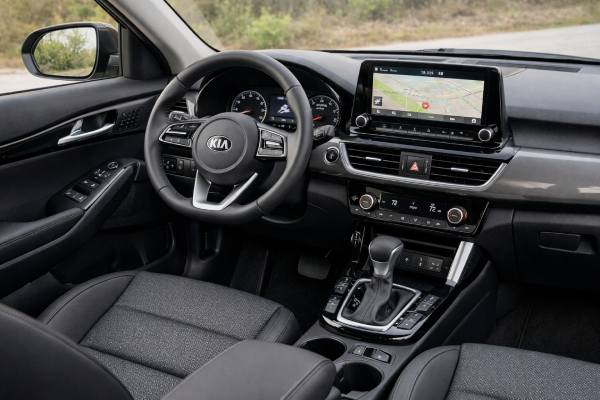
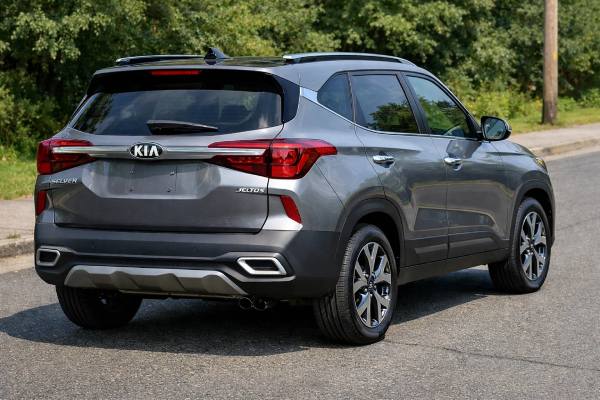
The 2020–2023 Kia Seltos AWD (SP2) with the G4FJ 1.6-liter turbo is the “small SUV that drives bigger” version of the Seltos lineup: stronger midrange pull than the base engine, a quick-shifting dual-clutch automatic, and an AWD system that adds confidence on wet pavement and winter roads. It’s also a trim-dependent vehicle—ride quality, brakes, headlights, and driver-assistance features can change noticeably depending on which package you buy, so the exact build matters. For long-term owners, the headline is simple: treat the turbo engine like a precision part (oil quality, warm-up habits, and cooling system health), and treat the DCT like a gearbox that prefers clean fluid and correct driving technique. Do that, and this powertrain can feel both lively and efficient for the segment.
At a Glance
- Strong low-to-mid rpm torque makes city merges and highway passing easier than the base engine.
- AWD adds traction in rain and snow, especially with proper all-season or winter tires.
- Trim-level headlights and ADAS calibration can change safety and night driving outcomes.
- Plan for more frequent engine oil service under short-trip, hot, or dusty use (often 6 months / 7,500 mi).
- Spark plugs on small turbo GDI engines commonly need earlier attention than non-turbo setups (often around 60,000 mi / 96,000 km, depending on market and use).
Navigate this guide
- Kia Seltos SP2 AWD turbo overview
- Kia Seltos SP2 1.6T specs and dimensions
- Kia Seltos SP2 AWD trims and ADAS
- Reliability patterns and known faults
- Maintenance plan and buying tips
- Real driving performance and economy
- How it stacks up against rivals
Kia Seltos SP2 AWD turbo overview
Think of this Seltos as a compact SUV built around a specific promise: give you the stronger “step-off” feel you usually expect from a larger engine, without turning fuel use into a penalty. The G4FJ 1.6 turbo delivers that by building usable torque early, so the car doesn’t need big rpm to feel responsive. In daily driving, that matters more than peak horsepower; it’s what makes a short on-ramp or a quick gap in traffic feel less stressful.
The AWD system (often marketed as an on-demand setup) is primarily a traction tool, not an off-road drivetrain. Most of the time it behaves like a front-biased system and sends extra torque rearward when front grip is limited. That’s exactly what you want for rain, slush, steep driveways, and uneven traction—especially paired with good tires. The practical upside is stability: less wheelspin from a stop, fewer traction-control interventions, and more predictable acceleration on imperfect pavement.
The “other half” of this powertrain is the dual-clutch transmission (DCT). A DCT can feel crisp because it’s essentially a computer-controlled manual gearbox. That also means it has a different personality than a traditional torque-converter automatic: it can be sensitive to creeping, frequent stop-and-go, and heat if you drive it like a conventional automatic all the time. Driven with a little mechanical sympathy—smooth takeoffs, avoiding long brake-hold creeping on hills, and letting it complete shifts cleanly—it rewards you with quick responses and a direct feel.
From an ownership perspective, the Seltos turbo AWD is best when you buy it intentionally. Pick the trim that gives you the lighting and safety equipment you want, confirm service history is clean, and treat oil and cooling system health as non-negotiable. Turbo engines and DCTs can be durable, but they’re less forgiving of neglected fluids, repeated overheating, or “cheap oil and long intervals” habits. If you want the most “set-and-forget” ownership style, this isn’t the simplest powertrain in the range—but it is the more engaging one.
Kia Seltos SP2 1.6T specs and dimensions
Below are the core technical specs owners and buyers actually use—powertrain layout, driveline, dimensions, and service-relevant capacities. Exact values can vary by market, model year, and trim, so treat this as a strong baseline for the 2020–2023 1.6T AWD configuration.
Powertrain and efficiency (G4FJ 1.6T)
| Item | Spec |
|---|---|
| Code | G4FJ |
| Engine layout and cylinders | Inline-4 (I-4), DOHC, 4 valves/cyl |
| Displacement | 1.6 L (1,591 cc) |
| Bore × stroke | 77.0 × 85.4 mm (3.03 × 3.36 in) |
| Induction | Turbocharged (intercooled) |
| Fuel system | Direct injection (GDI) |
| Compression ratio | ~10.0:1 (market dependent) |
| Max power | 175 hp (130 kW) @ ~5,500–6,000 rpm (market dependent) |
| Max torque | 264 Nm (195 lb-ft) @ ~1,500–4,500 rpm (market dependent) |
| Timing drive | Chain |
| Rated efficiency (example AWD spec) | ~8.7 L/100 km combined (27 mpg US / 32 mpg UK) |
Real-world highway @ 120 km/h (75 mph): many drivers see roughly 7.8–9.0 L/100 km (26–30 mpg US) depending on wind, temperature, tires, and roof load. AWD adds a small steady-state penalty versus FWD.
Transmission and driveline
| Item | Spec |
|---|---|
| Transmission | 7-speed dual-clutch automatic (7DCT) |
| Drive type | AWD (on-demand) |
| Differential | Open (traction managed by brake-based torque control) |
Chassis and dimensions (typical SX Turbo-type fitment)
| Item | Spec |
|---|---|
| Suspension (front/rear) | Strut / multi-link (AWD setups commonly use multi-link rear) |
| Steering | Electric power steering |
| Brakes | Front ventilated discs; rear discs (sizes vary by trim) |
| Wheels and tires (common) | 235/45 R18 (18 in rim) |
| Ground clearance | ~185 mm (7.3 in) |
| Length / width / height | ~4,369 / 1,801 / 1,631 mm (172.0 / 70.9 / 64.2 in) |
| Wheelbase | ~2,629 mm (103.5 in) |
| Turning circle (kerb-to-kerb) | ~10.6 m (34.8 ft) |
| Kerb weight | ~1,504 kg (3,317 lb) (trim dependent) |
| Fuel tank | ~50 L (13.2 US gal / 11.0 UK gal) |
| Cargo volume (SAE method) | ~753 L (26.6 ft³) seats up / ~1,779 L (62.8 ft³) seats down |
Fluids and service capacities (owner-oriented guidance)
Because these values vary by VIN, market, and sub-variant, use them as decision-making ranges and verify against the correct service documentation:
| System | Typical spec to verify | Typical capacity range |
|---|---|---|
| Engine oil | Full synthetic; commonly 5W-30 in many markets | ~4.0–4.5 L (4.2–4.8 US qt) |
| Coolant | Long-life ethylene glycol (premix/50:50 typical) | ~6.0–7.0 L (6.3–7.4 US qt) |
| DCT fluid | Manufacturer-specified DCT fluid only | varies; service fill differs from dry fill |
| AWD rear unit / coupling | Manufacturer-specified gear oil | varies; small service quantity |
Key torque specs (verify by VIN): treat drain plugs, wheel fasteners, and brake caliper bracket bolts as “must-verify” items because wrong torque can cause leaks or braking issues.
Kia Seltos SP2 AWD trims and ADAS
For this generation and powertrain, trim choice is not just cosmetic. It can change how the car drives at night, how it stops, and what driver-assistance features you actually get in daily use. If you’re shopping used, you want quick, reliable identifiers that match the equipment on the vehicle—not just what a listing claims.
Trims and options that matter on the 1.6T AWD
In many markets, the 1.6T AWD is packaged toward upper trims (often “Turbo” or sport-oriented grades). The most meaningful differences typically fall into:
- Wheels and tire packages: 18-inch wheels with wider tires improve steering response but can make sharp-edged bumps louder and more abrupt. They also raise replacement tire cost.
- Brake hardware: higher trims may use larger front rotors and different pad compounds, which can improve heat capacity in repeated braking.
- Lighting: this is a big one. Some trims use LED reflector setups that perform well; others use halogen projectors that can rate noticeably lower in objective testing. If you do a lot of night driving, prioritize the better headlight package.
- Infotainment and cameras: larger displays and 360°/parking assist features are convenience upgrades, but they also add sensors and modules that must be calibrated correctly after repairs.
Quick identifiers when viewing the car:
- Badging: “Turbo” badges or trim naming on the tailgate can help, but don’t rely on it alone.
- Wheels: factory 18-inch designs often correlate with the turbo-focused trims.
- Headlights: LED housings and signatures are visible even in daylight—look for the LED reflector style rather than assuming “all new cars have LEDs.”
- VIN build sheet: the most reliable method is decoding the VIN/build data and comparing installed options.
Safety ratings and what they mean for you
If you’re comparing vehicles, focus on three practical questions:
- Does the structure perform well in frontal and side impacts?
- Do the headlights help you avoid hazards at night?
- Does the automatic emergency braking (AEB) work consistently across trims?
For the 2021–2023 range covered by this guide, objective testing shows strong crashworthiness categories in several key frontal evaluations, but headlight performance can vary by trim. That means two Seltos vehicles from the same year can deliver very different night-time visibility.
ADAS and calibration considerations
Common features you’ll see, depending on market and trim:
- AEB (car/pedestrian/cyclist): often standard on upper trims; some markets offer camera-only vs camera-plus-radar “fusion” systems.
- Adaptive cruise control (ACC): can be trim-dependent.
- Lane keeping and lane following: may be standard or package-based.
- Blind-spot monitoring and rear cross-traffic alert: common on higher trims.
- Traffic sign recognition: region dependent.
After windshield replacement, bumper repair, or alignment work, ADAS sensors may need calibration. A car that “drives fine” can still have partially disabled or misaligned safety systems—so a proper scan for fault codes and confirmation of calibration is a smart pre-purchase step.
Reliability patterns and known faults
The 1.6T AWD Seltos is not inherently fragile, but it concentrates complexity in two places: the turbocharged GDI engine and the DCT plus AWD hardware. Most reliability outcomes come down to heat management, fluid condition, and software calibration.
Common issues (higher frequency, usually manageable)
- Direct-injection carbon buildup (intake valves)
Symptoms: rough idle, loss of low-speed smoothness, occasional misfire codes.
Root cause: fuel doesn’t wash intake valves in GDI engines, so oil vapor deposits can accumulate.
Remedy: intake cleaning (often walnut blasting) when symptoms appear; consider verifying PCV system health. - DCT low-speed behavior (shudder or hesitation)
Symptoms: judder in stop-and-go, slight delay when rolling then accelerating, harsher engagement on hills.
Root cause: DCT clutch control strategy, heat, and driver inputs (creeping, riding the brake).
Remedy: software updates where applicable; adjust driving technique (smooth launch, avoid long creeping); inspect for stored transmission codes. - AWD coupling and rear driveline noise (light to moderate)
Symptoms: hum or vibration that changes with speed, occasional binding sensation on tight turns if tires are mismatched.
Root cause: mismatched tire circumference front-to-rear, worn fluid, or driveline wear.
Remedy: keep all four tires closely matched in wear; rotate on schedule; service AWD fluids if the maintenance plan calls for it.
Occasional issues (moderate cost tier)
- Turbo and charge-air leaks
Symptoms: reduced boost, whooshing, underboost codes, weaker acceleration.
Root cause: loose clamps, degraded hoses, intercooler connections.
Remedy: pressure test intake tract; replace suspect hoses/clamps; confirm wastegate and boost control operation. - Cooling system sensitivity
Symptoms: rising temps in traffic, coolant smell, repeated top-ups, cabin heat inconsistency.
Root cause: small leaks, cap issues, trapped air after service, radiator fan problems.
Remedy: pressure test, verify fan operation, use correct coolant mix and proper bleeding procedure.
Rare but higher-severity risks
- Sustained overheating or oil starvation events
Turbo engines are less tolerant of overheating than naturally aspirated designs. A single overheating event can shorten gasket life or stress the turbo bearings. Likewise, running low on oil (or extending intervals with poor oil) can accelerate timing chain and turbo wear.
Software, updates, and service actions
Modern Kia drivetrains often rely on ECU/TCU updates to refine shift behavior, emissions readiness, and fault handling. In practice:
- A “good” used example has documented dealer service history and shows no persistent codes on a proper scan.
- If the vehicle has ADAS, verify camera/radar functions and check for windshield or bumper repairs that may have interrupted calibration.
Pre-purchase checks worth requesting
- A scan for engine misfires, transmission adaptation issues, AWD faults, and ADAS-related codes.
- Tire brand/model match and tread depth across all four corners (AWD health).
- Evidence of consistent oil changes, not just “once a year” shortcuts.
- A cold-start observation: idle quality, timing chain noise, and exhaust smoke behavior.
Maintenance plan and buying tips
A practical maintenance plan for the Seltos 1.6T AWD is less about chasing perfection and more about controlling the two big enemies: dirty oil and excess heat. If you keep fluids fresh, prevent overheating, and avoid “abuse by habit” (like creeping the DCT endlessly), ownership gets simpler.
Practical maintenance schedule (distance and time)
Use this as an owner-focused baseline; always verify the official interval for your market, VIN, and driving conditions.
| Service item | Normal-use interval | Severe-use interval (short trips, heavy traffic, dust, heat, hills) |
|---|---|---|
| Engine oil and filter | 12 months / 7,500 mi (12,000 km) | 6 months / 3,750–5,000 mi (6,000–8,000 km) |
| Tire rotation and brake inspection | 7,500–10,000 mi (12,000–16,000 km) | same |
| Engine air filter | 15,000–30,000 mi (24,000–48,000 km) | sooner in dust |
| Cabin filter | 12 months / 15,000 mi (24,000 km) | sooner with city pollution |
| Brake fluid | 2–3 years | 2 years |
| Coolant | 5 years / ~60,000–100,000 mi | earlier if contaminated or serviced improperly |
| Spark plugs (turbo GDI typical) | ~60,000 mi (96,000 km) | earlier if misfires/roughness appear |
| DCT fluid | verify by market; consider proactive service if used hard | earlier with heavy stop-and-go or towing |
| AWD driveline fluids | verify by market; consider proactive service | earlier with frequent snow/hills |
Fluids, specs, and “do not improvise” rules
- Use the correct engine oil specification and viscosity for your climate and market. Turbo GDI engines rely on oil for turbo bearing health and heat control.
- Use the exact DCT fluid type. DCTs are picky; incorrect fluid can cause shift quality issues and clutch control problems.
- Keep the cooling system correct: proper coolant type and mix, correct bleeding procedure, and no “universal” shortcuts if you can avoid them.
Buyer’s guide: what to seek and what to avoid
Seek:
- One-owner or well-documented service history with consistent oil changes.
- Matching tires in brand/model and similar tread depth on all four corners.
- A trim with the headlight and safety package you actually want for your driving (especially night highway use).
Avoid (or price accordingly):
- Vehicles with mismatched tires, uneven wear, or signs of AWD stress (binding, vibration).
- Repeated overheating history, coolant loss without clear repair proof, or “it just needed topping up.”
- DCT behavior that feels inconsistent (persistent shudder, harsh engagement) without evidence of diagnosis or updates.
Long-term durability outlook
With reasonable maintenance, this Seltos configuration can age well. The best long-term owners tend to do three things: shorten oil intervals when driving conditions are harsh, keep the cooling system healthy, and treat the DCT like a precise mechanism rather than a “slushbox.” Do that and the turbo AWD Seltos can remain both enjoyable and cost-controlled well past the warranty period.
Real driving performance and economy
The 1.6 turbo changes the Seltos personality more than the spec sheet suggests. The key difference isn’t the peak number; it’s the shape of the torque curve. In normal traffic, the engine feels eager without needing to rev hard, and that helps the car feel lighter than many small SUVs.
Ride, handling, and NVH
- Ride quality: On 18-inch tires, the car typically feels tied down, but sharp bumps can come through more distinctly than on smaller wheels. The suspension tuning aims for stability first, comfort second.
- Handling balance: Predictable and safe. The chassis is set up to understeer progressively at the limit, which is what most drivers want in a compact SUV.
- Steering: Light-to-moderate weight with an easy on-center feel. It’s not a sports steering rack, but it’s accurate enough for daily confidence.
- Cabin noise: At highway speeds, wind and tire noise are more noticeable than engine noise. Tire choice has a surprisingly big impact; aggressive tread patterns can raise cabin boom.
Powertrain character and DCT behavior
- Throttle response: Stronger than the base engine, especially from 1,500–3,500 rpm where torque is readily available.
- Turbo lag: Modest; you’ll feel a short delay if you roll into the throttle from very low rpm, but it’s generally well managed.
- DCT logic: Quick upshifts under light throttle and decisive downshifts when you ask for power. In slow crawling traffic, it may feel less smooth than a torque-converter automatic—this is normal DCT character, not automatically a defect.
Efficiency in the real world
Owners tend to see the biggest swing in fuel use from:
- Speed: Above 120 km/h, aerodynamic drag rises fast.
- Temperature: Cold weather increases warm-up time and can cut short-trip efficiency.
- Tires: Wider, stickier tires and underinflation reduce mileage.
- AWD load: The AWD hardware adds weight and frictional loss versus FWD.
As a realistic planning number, many drivers land around 8.0–9.5 L/100 km (25–29 mpg US) combined depending on conditions, with highway cruising sometimes better and urban stop-and-go sometimes worse. The turbo engine can be efficient when you drive smoothly, but it will also drink more if you routinely use boost for quick acceleration—because boosted air effectively asks the engine to behave like a larger displacement unit.
Traction and control in poor weather
With appropriate tires, AWD makes the Seltos feel calmer in rain and snow:
- Easier launches without wheelspin
- More stable acceleration on slushy corners
- Less reliance on traction control cutting power
Just remember: AWD helps you go; tires and brakes help you stop. If winter is a major part of your ownership, prioritize a true winter tire set over “AWD confidence” alone.
How it stacks up against rivals
In the small SUV class, the Seltos 1.6T AWD competes on a specific axis: it aims to feel quick and well-equipped without moving into a higher price bracket. Here’s how it typically compares in real ownership terms.
Versus comfort-first rivals
Some competitors prioritize a smoother low-speed ride and quieter cabins. Against those, the Seltos turbo AWD usually wins on:
- Midrange acceleration and passing response
- Feature availability in upper trims
- Compact size with usable cargo volume
But it can lose ground on:
- Stop-and-go smoothness (DCT vs torque-converter automatics)
- Road noise (depends heavily on tires and trim)
Versus “simple drivetrain” alternatives
Naturally aspirated engines with conventional automatics can be less sensitive to maintenance habits and low-speed traffic. Compared with them, the Seltos turbo AWD offers:
- More energetic driving feel
- Better high-load performance (hills, merging, short passing windows)
The tradeoff is that you should be more disciplined about:
- Oil quality and intervals
- Cooling system health
- DCT driving technique and service strategy
Versus hybrid-oriented choices
Hybrids often win on city efficiency and can be calmer in traffic due to eCVT behavior. The Seltos 1.6T AWD is typically stronger when you want:
- A more traditional “shifted” driving feel
- Stronger acceleration without stepping into a larger vehicle class
The bottom-line “who should buy it” verdict
Pick this Seltos variant if you want a compact SUV that feels lively, handles poor weather confidently, and offers high-trim features—and you’re willing to maintain it like a modern turbo vehicle. If your driving is mostly crawling traffic, or you want maximum smoothness with minimal drivetrain nuance, you may prefer a non-turbo or a hybrid competitor. But if you value responsive torque and AWD security in a right-sized package, the 1.6T AWD setup is the most satisfying Seltos configuration for many owners.
References
- 2023 Kia Seltos Specifications 2023 (Specifications)
- 2023 Kia Seltos 4-door SUV 2023 (Safety Rating)
- Gas Mileage of 2023 Kia Seltos 2023 (Fuel Economy)
Disclaimer
This article is for informational purposes only and is not a substitute for professional diagnosis, inspection, or repair. Specifications, torque values, fluid types, service intervals, and procedures vary by VIN, market, and equipment; always verify details using the official documentation for your exact vehicle and follow manufacturer service instructions.
If this guide helped you, please consider sharing it on Facebook, X (Twitter), or your favorite forum to support our work.