

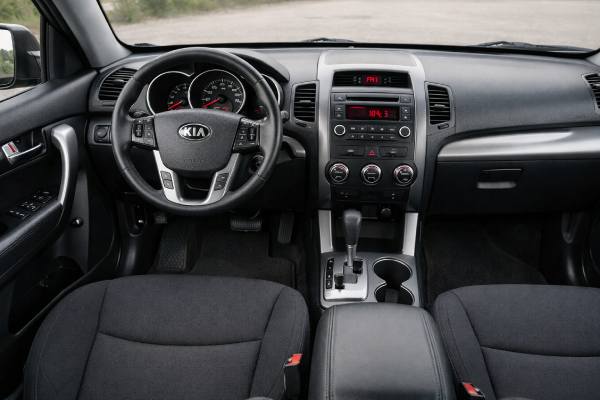
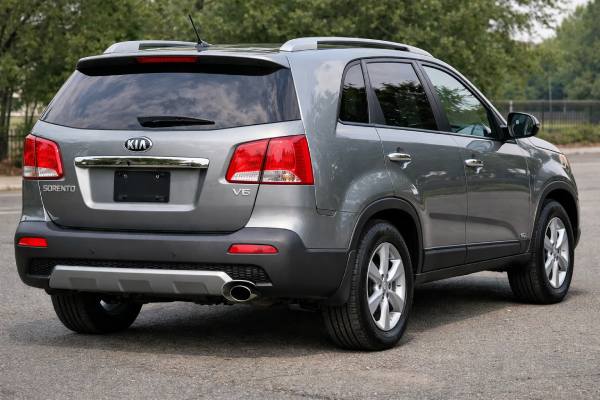
The 2010–2012 Kia Sorento (XM) with the 2.4-liter G4KE inline-four is the “practical middle” of the lineup: simple naturally aspirated power, fewer high-cost drivetrain parts than AWD models, and a cabin and cargo layout that still works for family duty today. For many buyers, the real appeal is ownership math—reasonable parts availability, straightforward service access, and fuel use that stays predictable if you keep up with fluids and ignition maintenance.
One important clarification before you shop: this generation is commonly sold as 2WD (front-wheel drive) or AWD, and “RWD” is often a listing error or shorthand for “2-wheel drive.” Treat drivetrain as a VIN-verified item, not an ad description. If you confirm you’re looking at the 2WD 2.4, you’ll get the lightest Sorento configuration, the simplest driveline, and the most consistent long-term operating costs—provided the engine has a clean service history and any recalls or campaigns have been completed.
What to Know
- Strong value: roomy cabin, usable third-row availability on some markets, and widely available consumables.
- Simpler driveline than AWD, with fewer service items (no transfer case or rear diff on 2WD).
- Caveat: Theta II-family 2.4s reward frequent oil changes and careful warm-up habits.
- Plan on oil and filter service every 8,000–10,000 km (5,000–6,000 mi) or 12 months, sooner for short trips.
- Verify recalls and software updates by VIN before purchase.
Navigate this guide
- Sorento XM RWD deep dive
- Sorento XM specs and dimensions
- Sorento XM trims, safety tech
- Reliability and known weak spots
- Maintenance plan and buying tips
- On-road feel and economy
- Rivals: what matches it
Sorento XM RWD deep dive
The 2010–2012 Sorento (XM) marked a clear shift in character versus earlier Sorentos: it’s tuned more like a family crossover than a body-on-frame SUV. In day-to-day use, the 2.4-liter G4KE version is best understood as a “steady worker” configuration. It won’t feel quick when loaded with passengers, but it is predictable, easy to drive smoothly, and usually cheaper to keep on the road than the V6 or AWD models—especially if you’re buying on the used market and budgeting for catch-up maintenance.
Because this article targets the 2WD version, it’s worth spelling out what that means mechanically. A true rear-wheel-drive Sorento XM is not a typical factory configuration; most “2WD” Sorentos are front-wheel drive. That matters for servicing: a 2WD Sorento typically avoids transfer-case fluid, rear differential servicing, and certain AWD-specific driveline wear items. In exchange, the front axle and front suspension carry more of the workload, so tire rotation discipline, alignment checks, and front-end bushing/ball joint condition become even more important.
The G4KE itself is a naturally aspirated inline-four in the Theta II family. As a design, it’s efficient and compact, with a timing chain rather than a timing belt, and it makes peak power high enough in the rev range that the transmission calibration plays a large role in how “strong” it feels. Owners who enjoy this powertrain tend to drive it with a light foot, let the six-speed pick gears calmly, and accept that it’s not a passing monster on steep grades. Owners who dislike it often expect V6-like response at low rpm.
Where the Sorento XM 2.4 quietly shines is in practical packaging. The seating position is upright, visibility is generally good for the class, and the cargo area stays useful even when you prioritize comfort over maximum load space. If you’re choosing between a higher-mileage 2.4 2WD and a similarly priced AWD or V6 model, the 2WD 2.4 frequently wins on long-term simplicity—assuming you confirm service records, complete recall history, and you’re realistic about performance when towing or climbing.
Sorento XM specs and dimensions
Below are typical specifications for the 2010–2012 Sorento (XM) with the 2.4-liter G4KE and 2WD. Exact figures vary by market, seating configuration (5 vs 7), wheel package, and emissions calibration—so treat these as a decision-making baseline, then verify your specific VIN.
Powertrain and efficiency (G4KE 2.4 MPI)
| Item | Spec (typical) |
|---|---|
| Engine code | G4KE |
| Layout | Inline-4, DOHC, 16-valve (4 valves/cyl) |
| Bore × stroke | 88.0 × 97.0 mm (3.46 × 3.82 in) |
| Displacement | 2.4 L (2,359 cc) |
| Induction | Naturally aspirated |
| Fuel system | MPI (multi-point injection) |
| Compression ratio | ~10.5:1 (market dependent) |
| Max power | 175 hp (129 kW) @ ~6,000 rpm |
| Max torque | ~225 Nm (166 lb-ft) @ ~3,750 rpm |
| Timing drive | Chain |
| Rated economy (mixed) | ~8.5–10.0 L/100 km (28–24 mpg US / 33–28 mpg UK) |
| Real-world highway @ 120 km/h (75 mph) | ~8.5–10.5 L/100 km (28–22 mpg US / 33–27 mpg UK) |
Transmission and driveline
| Item | Spec (typical) |
|---|---|
| Transmission | 6-speed automatic (common) or 6-speed manual (market dependent) |
| Drive type | 2WD (typically FWD; verify by VIN) |
| Differential | Open (front) |
Chassis and dimensions
| Item | Spec (typical) |
|---|---|
| Suspension (front/rear) | MacPherson strut / multi-link |
| Steering | Electric power steering (EPS); ratio varies by market |
| Brakes | 4-wheel discs (sizes vary by trim) |
| Common tyre size | 235/60 R18 (varies by trim/market) |
| Ground clearance | ~184 mm (7.2 in) |
| Length / width / height | ~4685 / 1885 / 1710 mm (184.4 / 74.2 / 67.3 in) |
| Wheelbase | ~2700 mm (106.3 in) |
| Turning circle | ~11.0–11.6 m (36–38 ft), market dependent |
| Kerb weight | ~1,650–1,800 kg (3,640–3,970 lb), equipment dependent |
| Fuel tank | ~70 L (18.5 US gal / 15.4 UK gal) |
Performance and capability (2.4 2WD typical)
| Item | Spec (typical) |
|---|---|
| 0–100 km/h (0–62 mph) | ~11–12 s |
| Top speed | ~185–190 km/h (115–118 mph) |
| Towing | Market- and hitch-rated; expect lower limits vs V6/AWD |
| Payload | Varies widely by market and seating configuration |
Fluids and service capacities (decision-useful baselines)
Because capacities vary with radiator size, transmission variant, and auxiliary coolers, use these as planning ranges, not as final fill quantities.
| Item | Spec (typical) |
|---|---|
| Engine oil | API/ILSAC-spec oil; commonly 5W-20 or 5W-30; ~4.3–4.8 L (4.5–5.1 US qt) with filter |
| Coolant | Ethylene glycol long-life; 50/50 mix; ~6.5–8.0 L (6.9–8.5 US qt) |
| Automatic transmission | ATF per OEM spec; drain/fill often ~3–4 L (3.2–4.2 US qt), total higher |
| A/C refrigerant | R-134a on most markets; charge varies with rear A/C presence |
Key torque specs (common ranges):
- Wheel nuts: ~88–108 Nm (65–80 lb-ft)
- Engine oil drain plug: often ~30–40 Nm (22–30 lb-ft)
Always confirm for your VIN and engine pan design before tightening.
Sorento XM trims, safety tech
Trim naming varies by region, but the 2010–2012 Sorento XM family generally follows a familiar pattern: a value-focused base grade, a mid-trim with comfort upgrades, and higher trims with leather, larger wheels, and more convenience equipment. The 2.4 G4KE is most common in lower-to-mid trims, while top trims often pair with the V6 or AWD in many markets. For a buyer, the key is not the badge—it’s the equipment mix that changes running costs.
Trims and options that matter mechanically
When comparing two 2.4 2WD Sorentos, look for differences that affect wear items and future repair bills:
- Wheel size and tire type: Larger wheels can sharpen steering response but usually raise tire costs and can make ride harshness more noticeable.
- Brake package: Some trims get slightly larger rotors and different pad shapes; it’s a small change, but it affects parts pricing.
- Cooling and towing prep: Factory tow packages may add transmission cooling and wiring. That can improve durability if you actually tow, but only if prior owners maintained the transmission fluid.
- Seating configuration: A third row (where offered) increases weight and changes how hard the 2.4 has to work—expect more frequent downshifts and slightly higher fuel use.
Quick identifiers when shopping
- Build label: The driver-door certification label usually lists build month/year; this can matter for safety-test notes and campaign applicability.
- Drivetrain check: Don’t rely on listing text—confirm 2WD vs AWD via VIN decode or dealer system.
- Interior tells: Higher trims often have leather seating surfaces, upgraded audio branding, and more steering-wheel controls; base models often have simpler cloth and smaller screens.
Safety ratings and structure notes
Safety results differ by test body and by what was standard in your market. In the U.S., testing from IIHS notes the redesigned Sorento beginning with the 2011 model year, with “Good” results in key crash modes for many configurations, and a documented mid-cycle improvement to side-impact protection for vehicles built after a certain production date. ([IIHS HLDI][1])
In Europe, Euro NCAP awarded a maximum-star result for the all-new Sorento under its 2009-era protocol, reflecting strong occupant protection and standard stability control expectations for top ratings of that period. ([Euro NCAP][2])
Safety systems and driver assistance (typical for 2010–2012)
This era pre-dates today’s widespread standard AEB, so think in terms of “core safety hardware”:
- Airbags: Front airbags plus side and curtain airbags on most trims/markets; confirm curtain coverage for all rows if you carry passengers often.
- Stability and traction control: ESC is crucial for emergency maneuvers; confirm it’s functional and no warning lights are present.
- Child-seat anchors: LATCH/ISOFIX is typically present; verify anchor access if you’ll fit multiple seats.
- Parking aids: Rear sensors and camera availability varies; useful, but also check for water intrusion or intermittent operation on older vehicles.
Reliability and known weak spots
A well-maintained Sorento XM 2.4 can be a dependable family vehicle, but the ownership experience swings heavily based on oil-change discipline, recall completion, and how hard the vehicle’s been worked (short trips, overheating history, or frequent heavy loads).
Below is a practical map of issues by prevalence and cost tier. Mileage bands are approximate and assume normal use.
Common (watch closely)
- Oil quality sensitivity (low → high cost, depending on outcome):
- Symptoms: ticking on cold start, roughness, metallic debris in oil, or persistent oil level drop.
- Likely cause: extended oil intervals, low oil level, or sludge/varnish buildup that accelerates internal wear.
- Remedy: shorten oil intervals, document oil consumption, and investigate early—especially if you hear new noises.
- Ignition wear and drivability (low to medium):
- Symptoms: misfires under load, rough idle, check-engine light.
- Likely cause: worn spark plugs, aging coils, or vacuum leaks.
- Remedy: use the correct plug type/heat range, replace coils as needed, and fix intake leaks before they damage the catalytic converter.
- Front suspension wear (medium):
- Symptoms: clunks over bumps, wandering steering, uneven tire wear.
- Likely cause: worn control-arm bushings, ball joints, or stabilizer links—more noticeable on larger wheels.
- Remedy: inspect yearly; align after any suspension work.
Occasional (often age-related)
- Automatic transmission shift quality (medium):
- Symptoms: delayed engagement, flare on upshifts, or shudder.
- Likely cause: old ATF, adaptation issues, or wear accelerated by heat (towing/city driving).
- Remedy: fluid service with correct spec; diagnose before “parts swapping.”
- Cooling-system aging (medium):
- Symptoms: coolant smell, slow coolant loss, temperature creep on grades.
- Likely cause: hoses, radiator end tanks, or thermostat fatigue after a decade.
- Remedy: pressure test and replace proactively if you see seepage.
Recalls, service actions, and software updates
Two campaign themes matter for shoppers:
- Theta II 2.4 recall software coverage (KSDS-style updates): Some Sorento vehicles with the 2.4 MPI were included in campaigns intended to add protective engine monitoring logic, reducing fire risk associated with severe engine damage. Verify completion by VIN and dealer record.
- Intermediate shaft campaign (certain early-production 2WD automatics): A campaign document describes intermediate shaft misalignment correction on certain Sorento (XM) 2WD vehicles with automatic transmission produced early in the run. Confirm whether it applies to your build date and whether the repair was performed.
Pre-purchase checks to request (high value)
- Complete oil-change history (dates, mileage, viscosity).
- Proof of recall completion and any ECU updates.
- Cold-start test (listen for abnormal knocking/ticking).
- Scan for stored codes, not just active warning lights.
- Inspect for oil leaks and check oil level before the test drive.
Maintenance plan and buying tips
If you want this Sorento to feel “boringly reliable,” your strategy should be simple: keep fluids fresh, stay ahead of ignition service, and don’t ignore small drivability changes. Below is a practical schedule that fits most mixed-use owners. If you do short trips, heavy city driving, dusty roads, or regular towing, choose the shorter interval.
Practical maintenance schedule (distance/time)
| Item | Interval (typical) | Notes |
|---|---|---|
| Engine oil and filter | 8,000–10,000 km (5,000–6,000 mi) or 12 months | Shorten to 6,000–8,000 km for short trips |
| Tire rotation | 10,000–12,000 km (6,000–7,500 mi) | Also check brake wear and alignment |
| Engine air filter | 20,000–30,000 km (12,000–18,000 mi) | Dusty use: inspect more often |
| Cabin air filter | 15,000–20,000 km (9,000–12,000 mi) | Helps HVAC performance |
| Spark plugs | 80,000–120,000 km (50,000–75,000 mi) | Depends on plug type and market spec |
| Coolant | 5 years then every 2–3 years (or per OEM) | Always use correct long-life coolant |
| Brake fluid | Every 2 years | Especially important in humid climates |
| ATF (6AT) | 60,000–90,000 km (40,000–55,000 mi) | Earlier if towing or heat exposure |
| Drive belts and hoses | Inspect yearly; replace by condition | Age-based failures are common after 10+ years |
| 12 V battery test | Annually after year 4 | Replace proactively if weak before winter |
Fluids and specs to ask your shop for
- Engine oil: use the viscosity and quality level specified for your market; many owners prioritize high-quality oil and conservative intervals for the 2.4.
- ATF: insist on the correct Kia/Hyundai specification; “universal ATF” often creates shift complaints over time.
- Coolant: correct long-life type and proper bleed procedure—air pockets can mimic bigger problems.
Buyer’s guide: what to look for on a test drive
Engine and drivability
- Smooth idle when cold and hot
- No hesitation at light throttle
- No new tapping/knock under gentle acceleration
Chassis and brakes
- Straight braking with no steering shake
- No clunks over potholes
- Even tire wear (inside-edge wear hints alignment or bushings)
Electronics and comfort
- Verify all windows, locks, HVAC modes, and A/C performance
- Check backup camera or sensors for intermittent operation
- Confirm dash warning lights illuminate at key-on, then go out after start
Which versions tend to age best?
For long-term value, many buyers do well with:
- 2WD 2.4 with smaller wheels (cheaper tires, usually calmer ride)
- Well-documented service history over “low miles but no records”
- Completed recalls and a clean scan report
Durability outlook is positive when the engine is kept on clean oil and the transmission fluid isn’t neglected. The biggest swings in cost typically come from deferred maintenance and ignored early warning signs.
On-road feel and economy
In real driving, the Sorento XM 2.4 is a comfort-first crossover with a stable highway personality. The suspension typically favors compliance over sharpness—good for broken pavement and family use, less exciting on a twisty road. Steering feel is usually light-to-moderate, and while it won’t deliver sports-sedan feedback, it tracks straight and stays confident at speed when alignment and tires are healthy.
Ride, handling, and NVH
- Ride: generally composed over medium bumps; sharper impacts depend heavily on wheel and tire package.
- Body control: predictable, with some lean in corners—normal for the class and era.
- Braking feel: usually consistent with quality pads and good fluid, but old brake fluid can make the pedal feel soft.
- Cabin noise: wind and tire noise rise at highway speeds, especially on aggressive tires; worn door seals can add whistling.
Powertrain character
The 175 hp 2.4 works best when you let it rev. Around town it feels adequate, but passing power depends on a decisive throttle input that triggers a downshift. With the six-speed automatic, the gearbox typically aims for efficiency, so you may notice:
- Kickdown delay if you roll into the throttle gently
- More frequent downshifts on grades with passengers
- Noticeable difference between “Eco/Normal” style driving and a more assertive right foot
If you routinely carry a full load or live in hilly terrain, the 2.4 can still do the job—but expect higher rpm and a bigger fuel penalty.
Real-world efficiency expectations
Most owners land in these broad ranges when the vehicle is healthy and tires are properly inflated:
- City: ~10–12.5 L/100 km (24–19 mpg US / 28–23 mpg UK)
- Highway (100–120 km/h / 60–75 mph): ~8.5–10.5 L/100 km (28–22 mpg US / 33–27 mpg UK)
- Mixed: ~9–11 L/100 km (26–21 mpg US / 31–26 mpg UK)
Cold weather can add noticeable consumption due to longer warm-up time and winter fuel blends. A sluggish thermostat, low tire pressures, and neglected spark plugs can also push numbers in the wrong direction.
Load and towing reality check
If towing is part of your plan, confirm the exact tow rating for your market and hitch class. The 2.4 can tow light loads, but it will work hard on grades. You’ll get the best experience by:
- keeping ATF fresh,
- using a conservative speed on long climbs, and
- watching for overheating or repeated hunting between gears.
Rivals: what matches it
Shopping a 2010–2012 Sorento XM 2.4 makes the most sense when you compare it to other mid-size crossovers that balance family space with manageable running costs. Here’s how it tends to stack up in real ownership terms.
Versus Hyundai Santa Fe (same era)
Often the closest “sibling” alternative. The Santa Fe can feel slightly more refined in some trims, and parts availability is similarly strong. Your decision usually comes down to:
- which one has better service history,
- drivetrain (2WD vs AWD) needs, and
- how each was equipped (wheel size, towing prep, etc.).
Versus Toyota Highlander (4-cylinder or V6)
The Highlander often wins on long-term reputation and resale value, but purchase prices can be higher for equivalent condition. If your priority is minimizing surprise repairs, a well-kept Highlander can be compelling—yet the Sorento may deliver better “features per dollar,” especially in comfort and convenience equipment.
Versus Honda Pilot (mostly V6)
The Pilot leans more toward three-row family hauling, often with a stronger engine. If you regularly fill all seats or carry heavy loads, the Pilot’s power advantage is real. The tradeoff is typically higher fuel use and, depending on year, more complex powertrain components to maintain.
Versus Ford Edge and Mazda CX-9
- Ford Edge: often a strong value in the used market with a comfortable ride, but powertrain choices and maintenance history vary widely.
- Mazda CX-9 (mostly V6): typically more engaging to drive and often well-equipped, but fuel use is usually higher than the Sorento 2.4.
Who should choose the Sorento XM 2.4?
Pick the Sorento XM 2.4 2WD if you want:
- a comfortable, practical family crossover,
- straightforward maintenance and broad parts availability, and
- lower driveline complexity than many AWD competitors.
Skip it (or choose the V6/AWD) if you:
- tow often,
- regularly drive steep mountain grades fully loaded, or
- want strong passing power without planning shifts and throttle.
The best rival is usually the one with the cleanest records. A Sorento with documented oil changes and completed recalls can be a smarter buy than a “better brand” vehicle with unknown history.
References
- 2011 Kia Sorento 2011 (Safety Rating)
- Part 573 Safety Recall Report 23V-877 2023 (Recall Database)
- 2011MY Sorento (XM) 2011 (Recall Bulletin)
- Safety comes clean 2009 (Safety Rating)
- Owner’s Manuals and Documents 2026 (Owner’s Manual)
Disclaimer
This article is for informational purposes only and is not a substitute for professional diagnosis, inspection, or repair. Specifications, torque values, fluid capacities, service intervals, and procedures can vary by VIN, market, production date, and equipment. Always verify details using the official owner’s manual and service documentation for your exact vehicle and confirm recall status through official channels.
If you found this guide useful, please consider sharing it on Facebook, X (Twitter), or your favorite forum to help others find reliable ownership information.