
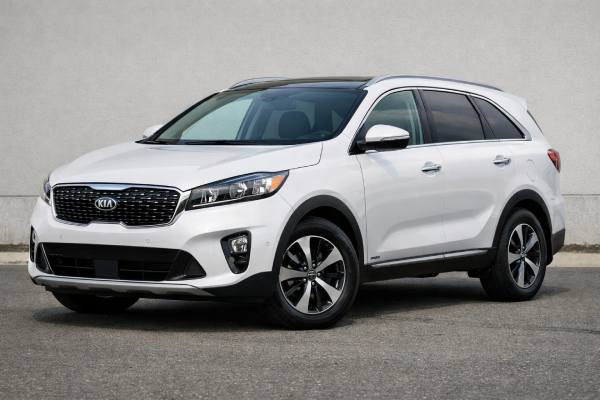
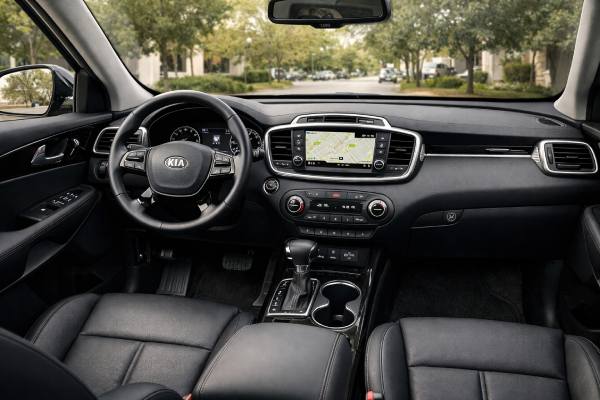
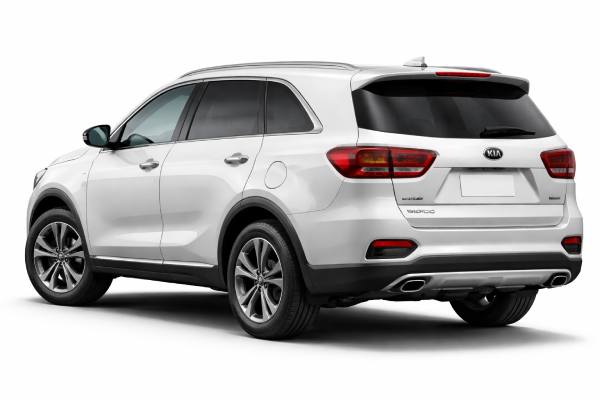
The 2018–2020 facelift version of the Kia Sorento UM with the 2.2 CRDi (D4HB) and AWD is built around one clear idea: deliver long-distance comfort and strong all-weather traction without the higher fuel use of a big petrol V6. The diesel’s broad torque band makes the Sorento feel relaxed in daily driving, especially with a full cabin or luggage, and AWD adds confidence on wet roads, snow, and loose surfaces. The facelift years also matter because they brought meaningful upgrades in infotainment, safety tech availability, and (in many markets) a smoother, more efficient 8-speed automatic.
Ownership is mainly about diesel-emissions hardware health, correct fluid service, and avoiding “sealed for life” thinking on the driveline. If you service it like a modern Euro diesel—and check the AWD system and cooling system carefully—this configuration can be a dependable family SUV that handles towing and winter use better than most front-drive rivals.
What to Know
- Strong mid-range pull makes it feel effortless when loaded, especially for hills and overtakes.
- AWD improves stability and traction on wet roads, snow, and gravel versus FWD versions.
- Long-distance comfort and cabin practicality are standout strengths for families.
- Budget for diesel emissions components (DPF/EGR) if the car does mostly short trips.
- Plan oil and filter service at least every 12 months (and sooner under heavy city use).
Navigate this guide
- Kia Sorento UM AWD diesel focus
- Kia Sorento UM 2.2 CRDi AWD specs
- Kia Sorento UM AWD trims and safety
- Reliability and common diesel faults
- Maintenance plan and buying advice
- Driving feel, towing, and economy
- Rivals and ownership alternatives
Kia Sorento UM AWD diesel focus
This facelift Sorento UM pairs the D4HB 2.2 CRDi with an AWD system designed for real-world grip rather than off-road extremes. Think of it as a road-focused, family-first AWD setup: it prioritizes stability, predictable traction, and confident launches on low-friction surfaces. In normal cruising it behaves like a front-biased system, sending extra torque rearward only when needed or when the control logic anticipates slip. That keeps steering light and fuel use reasonable for the class.
The 2.2 CRDi’s defining trait is usable torque. Instead of chasing high rpm power, it delivers a thick mid-range that suits a two-ton SUV. In practice that means fewer downshifts in hilly terrain, less throttle needed to maintain motorway speed, and an easier time merging with a full load. For drivers who regularly carry passengers, do long trips, or tow, that torque-first character is the entire point of choosing this variant.
Facelift updates matter for day-to-day livability. In many markets, the diesel gained a more modern automatic transmission calibration (and often an 8-speed unit), improving low-speed smoothness and reducing busy shifting. Infotainment and driver-assistance availability also improved, which can affect resale value and owner satisfaction more than small spec-sheet changes.
Where owners need to be realistic is emissions hardware and usage pattern. This is a modern diesel with a DPF (diesel particulate filter) and EGR (exhaust gas recirculation). If the car spends its life on short trips, cold starts, and stop-start traffic, soot loading and EGR contamination become more likely. On the other hand, cars that see regular motorway runs often age more gracefully because the exhaust system reaches proper temperature and completes regenerations more consistently.
Bottom line: this Sorento configuration is at its best as a long-distance family SUV—quiet enough, stable at speed, and strong when loaded—so long as you treat it like a modern diesel and keep the AWD driveline fluids from becoming an afterthought.
Kia Sorento UM 2.2 CRDi AWD specs
Below is a practical spec set for the 2018–2020 facelift Sorento UM 2.2 diesel AWD. Exact values can vary by market, seating (5/7), wheel size, and homologation cycle, so treat the numbers as typical ranges for this configuration.
Powertrain and efficiency
| Item | Typical spec |
|---|---|
| Code | D4HB 2.2 CRDi |
| Engine layout and cylinders | Inline-4, DOHC, 16-valve (4 valves/cyl) |
| Bore × stroke | ~85.4 × 96.0 mm (3.36 × 3.78 in) |
| Displacement | 2.2 L (2,199 cc) |
| Induction | Turbocharged (VGT) |
| Fuel system | Common-rail direct injection |
| Compression ratio | ~16.0:1 (varies by version) |
| Max power | 200 hp (147 kW) @ ~3,800 rpm |
| Max torque | ~441 Nm (325 lb-ft) @ ~1,750–2,750 rpm |
| Timing drive | Chain |
| Rated efficiency (combined) | ~6.6–7.6 L/100 km (31–36 mpg US / 37–43 mpg UK) |
| Real-world highway @ 120 km/h | ~7.8–8.7 L/100 km (27–30 mpg US / 32–36 mpg UK) |
Transmission and driveline
| Item | Typical spec |
|---|---|
| Transmission | 8-speed automatic in many markets (some regions: 6AT) |
| Drive type | On-demand AWD with electronically controlled coupling |
| Differential | Open diffs; brake-based traction control (no mechanical lockers) |
Chassis and dimensions
| Item | Typical spec |
|---|---|
| Suspension (front/rear) | MacPherson strut / multi-link |
| Steering | Electric power steering |
| Brakes | Disc/disc (sizes vary by wheel package) |
| Wheels and tyres (common) | 235/55 R18 or 235/50 R19 |
| Ground clearance | ~185 mm (7.3 in) |
| Length / width / height | ~4,800 / 1,890 / 1,690 mm (189.0 / 74.4 / 66.5 in) |
| Wheelbase | ~2,780 mm (109.4 in) |
| Turning circle | ~11.4 m (37.4 ft) |
| Kerb (curb) weight | ~1,900–2,000 kg (4,190–4,410 lb) |
| GVWR | ~2,600 kg (5,730 lb) (market-dependent) |
| Fuel tank | ~71 L (18.8 US gal / 15.6 UK gal) |
| Cargo volume | Varies by 5/7 seats; typically ~600–660 L seats up; up to ~1,800+ L seats down (method varies) |
Performance and capability
| Item | Typical spec |
|---|---|
| 0–100 km/h (0–62 mph) | ~9.0–10.0 s |
| Top speed | ~200–205 km/h (124–127 mph) |
| Braking 100–0 km/h | ~37–41 m (typical for class/tyres) |
| Towing capacity (braked/unbraked) | Often up to ~2,000 kg (4,409 lb) braked / ~750 kg (1,653 lb) unbraked (market-dependent) |
| Payload | ~550–700 kg (1,213–1,543 lb) |
Fluids and service capacities (typical)
| Item | Typical spec |
|---|---|
| Engine oil | Low-SAPS ACEA C2/C3; often 5W-30; ~6.0–6.7 L (6.3–7.1 US qt) with filter |
| Coolant | Long-life ethylene glycol mix (usually 50/50); ~7–9 L (7.4–9.5 US qt) |
| Automatic transmission fluid | OEM-spec ATF; drain-and-fill is partial; total fill varies by transmission |
| Rear diff and coupling | Gear oil per OEM spec; capacities are small and service-sensitive |
| A/C refrigerant | Varies by market and label (commonly R-1234yf on later cars) |
| Key torque specs | Wheel nuts commonly ~88–108 Nm (65–80 lb-ft) (verify by wheel type) |
Safety and driver assistance (high-level)
| Item | Notes |
|---|---|
| Crash ratings | Euro NCAP rating exists for Sorento generation; applicability depends on test year and equipment |
| ADAS suite | Often includes AEB, BSD/RCTA, lane support, and ACC depending on trim/market |
Kia Sorento UM AWD trims and safety
Trim structure varies by market, but the facelift Sorento UM diesel AWD generally follows a pattern: a well-equipped base grade aimed at value, a mid-grade that adds comfort and convenience, and a higher grade that bundles the most meaningful safety tech plus premium interior features. When shopping, focus less on the badge and more on the hardware that changes ownership and usability.
Common trim and option themes
- Wheels and tyres: 18-inch packages often ride more comfortably and can be cheaper to keep in good tyres; 19-inch packages can sharpen steering response but raise tyre cost and can feel firmer on broken pavement.
- Seating: 7-seat layouts are common, but the third row is best for kids or occasional use. A 5-seat version (where offered) can be simpler, lighter, and sometimes has a more useful cargo layout.
- Infotainment and audio: higher trims typically add larger screens, better navigation integration, and upgraded speakers. These aren’t just “nice to have”—they affect resale and how modern the car feels.
- Convenience tech: powered tailgate, heated seats, and panoramic roof can be value adds, but they also create extra failure points. Check them all during inspection.
Quick identifiers you can use
- ADAS buttons and steering-wheel controls: cars with ACC and lane support usually have distinct steering wheel button layouts.
- Sensor locations: radar modules typically sit behind the front grille or emblem area; blind-spot systems add radar modules near the rear corners.
- Headlight type: higher trims more often have LED headlamps and signature DRLs; base trims may retain halogen units.
Safety ratings and what they mean in practice
Crash ratings usually reflect the vehicle’s structure plus the safety equipment fitted to the tested configuration. The Sorento’s underlying body design is strong, but “same car” does not always mean “same result” because test protocols evolve and option packs matter. When assessing real-world safety value, prioritize:
- AEB availability and calibration: AEB (automatic emergency braking) is one of the most meaningful modern safety features. Confirm it works without warning lights and that the windshield camera area is clean and undamaged.
- Lane support: Lane Keeping Assist (LKA) and Lane Following Assist (LFA) can reduce fatigue on motorways, but they rely on camera alignment and correct windshield replacement procedures.
- Child-seat practicality: Look for ISOFIX/LATCH positions that match your seat needs. Check that top-tether points are accessible and not missing trim covers or anchors.
Airbags and chassis systems
Most Sorento UM variants include multiple airbags (front, side, and curtains), plus stability control and traction control. In an AWD model, brake-based traction control is also part of “traction management,” so healthy brakes and correct tyre matching matter. For AWD cars, avoid running mixed tyre brands or uneven tread depths—this can confuse the AWD coupling control logic and add stress to the driveline.
Reliability and common diesel faults
The D4HB 2.2 CRDi is capable of high mileage, but reliability depends heavily on driving pattern and maintenance discipline. Below is a practical map of issues by prevalence and typical severity for 2018–2020 facelift Sorento UM diesel AWD models.
Common issues (watch closely)
- DPF loading and failed regenerations (medium cost, can become high):
Symptoms: rising fuel use, sluggish response, frequent fan operation after shutdown, warning lights, limp mode.
Likely cause: repeated short trips, interrupted regenerations, stuck thermostats preventing full temperature, or sensor faults.
Remedy: confirm correct oil spec, diagnose sensors (pressure/temperature), and fix root cause rather than forcing repeated regen cycles. - EGR soot buildup (medium):
Symptoms: rough idle, hesitation, fault codes, reduced power.
Likely cause: soot and oil vapor accumulation in EGR valve/cooler and intake tract.
Remedy: cleaning or replacement depending on severity; check crankcase ventilation health and service intervals. - Injector sealing or leak-off imbalance (medium to high):
Symptoms: hard starts, diesel smell, uneven idle, knock/tick, smoke under load.
Likely cause: injector sealing issues or wear, especially if fuel quality has been inconsistent.
Remedy: proper leak-off test; address seals early to avoid carbon buildup around injectors.
Occasional issues (condition and mileage dependent)
- Turbo actuator or boost control faults (medium to high):
Symptoms: underboost/overboost codes, inconsistent pull, limp mode.
Remedy: verify vacuum/actuator function (where applicable), inspect hoses, confirm no sticking vanes or sensor errors. - Cooling system aging (medium):
Symptoms: slow warm-up, overheating under load, heater performance issues.
Remedy: thermostat and coolant condition checks; radiator and hose inspection. A diesel that never reaches temperature is a DPF/EGR problem waiting to happen. - Automatic transmission shift quality changes (medium):
Symptoms: shudder on light throttle, harsh engagement, delayed shifts.
Remedy: fluid condition assessment and service history review; avoid “never changed” assumptions.
AWD-specific checks (often overlooked)
- AWD coupling and driveline wear (medium):
Symptoms: vibration, clunks on take-off, binding sensations, or warning lights.
Likely cause: neglected driveline fluids, uneven tyres, or wear in coupler/prop-shaft components.
Remedy: verify tyre matching, inspect mounts and bearings, and service the driveline fluids on a sensible schedule. - Rear differential noise (medium):
Symptoms: humming or whine that changes with speed/load.
Remedy: fluid service and bearing assessment; catch early to avoid expensive rebuilds.
Recalls, updates, and how to verify
Instead of guessing which campaigns apply, verify by VIN. Use the official recall checker for your region and confirm completion through dealer records. Software updates can address drivability, warning-light behavior, and some sensor calibration issues—especially for emissions controls and driver-assistance systems—so a dealer scan report is valuable during a pre-purchase inspection.
Maintenance plan and buying advice
A good maintenance plan for the Sorento UM 2.2 diesel AWD balances official intervals with the realities of modern diesel hardware. Many markets publish long service intervals for diesel models, but if your use includes short trips, cold starts, heavy traffic, or towing, shorten them. The goal is simple: keep oil clean, keep the cooling system healthy, and keep the emissions system operating in its intended temperature window.
Practical maintenance schedule (distance/time)
Use whichever comes first.
- Every 12 months or 15,000 km (9,000 mi) (recommended for mixed/urban use):
Engine oil and filter (correct low-SAPS spec), inspection of intake hoses, coolant level, and drive belt condition. - Every 12 months or up to 32,000 km (20,000 mi) (often the official diesel interval in some markets):
Only consider this if the car does frequent long trips and reaches full operating temperature consistently. - Every 30,000 km (18,000 mi):
Engine air filter; cabin filter; brake inspection; tyre rotation and alignment check; check for uneven tyre wear (important on AWD). - Every 60,000 km (37,000 mi):
Brake fluid; deeper suspension bushing inspection; check glow plugs (as needed by symptoms); inspect intercooler plumbing for oil seep. - Every 80,000–120,000 km (50,000–75,000 mi):
Consider preventive automatic transmission fluid service (drain-and-fill cycles) and AWD driveline fluids (rear diff/coupling/transfer case where applicable). This is one of the best “longevity buys” on an AWD diesel. - Every 160,000–200,000 km (100,000–125,000 mi) or by condition:
Coolant refresh if not already done; inspect engine mounts and prop-shaft support components; evaluate DPF health with scan data.
Fluids, specs, and decision-making notes
- Engine oil: prioritize the correct low-ash (low-SAPS) diesel oil spec over brand preference. The wrong oil can shorten DPF life.
- ATF and AWD fluids: if the seller can’t prove they were serviced, assume they were not and budget accordingly.
- Tyres: keep all four tyres matched in brand, model, and similar tread depth. AWD systems dislike rolling-diameter mismatch.
Buyer’s checklist (what to inspect and test)
- Cold start behavior: it should start cleanly and settle quickly. Excessive smoke, roughness, or diesel odor suggests injector or EGR issues.
- Scan for stored codes: even if the dash is clear, stored emissions codes can reveal near-future costs.
- Test for consistent warm-up: slow warm-up points to thermostat issues, which also harms DPF regeneration behavior.
- Check AWD function: tight-turn behavior, vibrations, and driveline noises deserve attention.
- Service history quality: look for evidence of correct oil spec, regular filters, and brake fluid service—not just “annual stamp.”
- Tow use signs: if it towed, look for extra cooling-system stress and consider earlier ATF/driveline service.
A well-maintained Sorento diesel AWD is a strong long-term family SUV. A neglected one can become expensive quickly, mainly through emissions and driveline catch-up work.
Driving feel, towing, and economy
On the road, this Sorento is tuned for stability and comfort rather than sharp handling. The chassis is composed at motorway speeds, and the wheelbase helps it track straight with fewer corrections than shorter crossovers. Steering is light to moderate in effort and prioritizes ease, though feedback is limited. That’s typical for the segment, and it suits the Sorento’s family brief.
Powertrain character
The 2.2 CRDi’s torque delivery is the headline. From low rpm it pulls strongly, and that makes the car feel calmer than its size suggests. Around town, it can move with minimal throttle, and on the open road it maintains speed on grades without constant downshifts. With the automatic transmission, smoothness is generally good, but pay attention to how it behaves at low speed:
- Healthy behavior: clean engagement into Drive/Reverse, smooth creep, and predictable kickdown.
- Caution signs: shudder under light throttle, harsh 2–3 shifts, or delayed engagement when selecting Drive after cold start.
AWD traction and control
In normal conditions the system stays unobtrusive. On wet roads, snow, or gravel, the benefit is most obvious at low speed—pulling away from junctions, climbing a slick incline, or accelerating out of a tight corner without spinning the inside front tyre. The system works alongside stability control, so tyre quality and even tread depth affect how “smart” it feels.
Real-world economy expectations
Fuel use depends more on route and temperature than many buyers expect:
- City: typically ~8.0–10.0 L/100 km (24–29 mpg US / 28–35 mpg UK), higher in winter or short-trip use.
- Motorway (100–120 km/h): often ~7.8–8.7 L/100 km (27–30 mpg US / 32–36 mpg UK).
- Mixed: typically ~7.5–9.0 L/100 km (26–31 mpg US / 31–38 mpg UK).
Short trips can push consumption up noticeably because the engine spends more time cold and regenerations can add fuel. If your weekly driving rarely exceeds 15–20 minutes at operating temperature, you should factor in higher running costs and a higher chance of DPF/EGR-related maintenance.
Load and towing
This configuration is well-suited to towing because torque arrives early and AWD helps with traction on ramps or wet grass. Expect a meaningful economy penalty under tow—often 20–35% depending on speed, trailer shape, and terrain. If you tow regularly, prioritize:
- fresh brake fluid and healthy pads/rotors,
- conservative ATF and driveline fluid service,
- quality tyres with correct load rating,
- careful cooling system maintenance.
Rivals and ownership alternatives
If you’re considering the Sorento UM diesel AWD, you’re likely shopping for a roomy, family-capable SUV with genuine long-distance ability. Here’s how it tends to compare with common alternatives from the same era and buyer intent.
Versus Hyundai Santa Fe (related platform cousin)
The Santa Fe often feels a touch more modern inside depending on trim and market, and some versions have slightly different ride tuning. The Sorento’s advantage is frequently value-for-space and a strong towing-friendly character. Choose based on condition and equipment rather than badge—these vehicles reward the best-maintained example.
Versus Škoda Kodiaq
The Kodiaq is efficient and often excellent to drive, with a European interior layout many owners love. However, depending on engine and drivetrain, towing and long-term diesel emissions behavior can vary. The Sorento’s edge is typically torque-rich feel and robust long-distance comfort; the Kodiaq’s edge is often agility and cabin design.
Versus Volkswagen Tiguan Allspace
This is a strong choice for tech and on-road refinement, but option structure can be complex and some configurations feel less “heavy-duty” under repeated towing or rougher use. The Sorento often feels more relaxed when fully loaded, though it may not feel as crisp in steering response.
Versus Nissan X-Trail
X-Trail is practical and easy to live with, but many variants in this era lean more toward everyday commuting comfort than towing-oriented torque delivery. If you regularly travel fully loaded or tow, the Sorento diesel AWD typically feels more in its element.
Versus Peugeot 5008
The 5008 is a packaging star with a clever interior, but many versions are front-drive, which changes traction and towing confidence in poor weather. If you don’t need AWD and you prioritize cabin design, it can be appealing; if you do need all-weather traction, the Sorento has the simpler advantage.
The practical takeaway
If you want AWD confidence, towing strength, and long-trip comfort—and you can give a modern diesel the driving pattern it prefers—the Sorento UM 2.2 diesel AWD remains a smart used buy. If most of your driving is short urban runs, a petrol or hybrid alternative may be cheaper to own over time, even if it uses more fuel on paper.
References
- Kia Catalogue Sorento 2018 2018 (Brochure)
- Kia Sorento 2014 (Safety Rating)
- Service Intervals 2026 (Service Schedule)
- Kia Recalls | Kia Europe 2026 (Recall Database)
Disclaimer
This article is for informational purposes only and is not a substitute for professional inspection, diagnosis, or repair. Specifications, torque values, fluid types, capacities, service intervals, and procedures can vary by VIN, market, production date, and installed equipment. Always verify details using the official documentation for your exact vehicle and consult a qualified technician when needed.
If you found this guide useful, please consider sharing it on Facebook, X (Twitter), or your favorite forum—it helps support our work.