
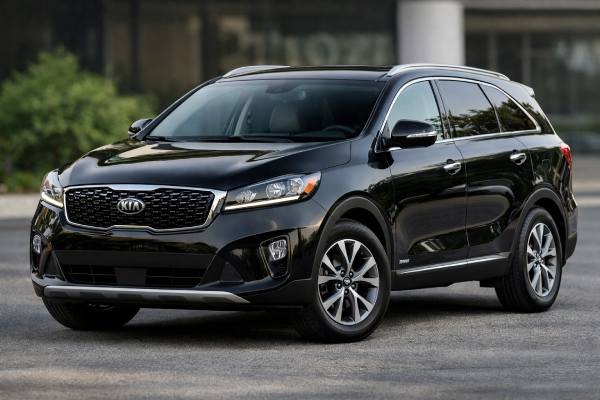
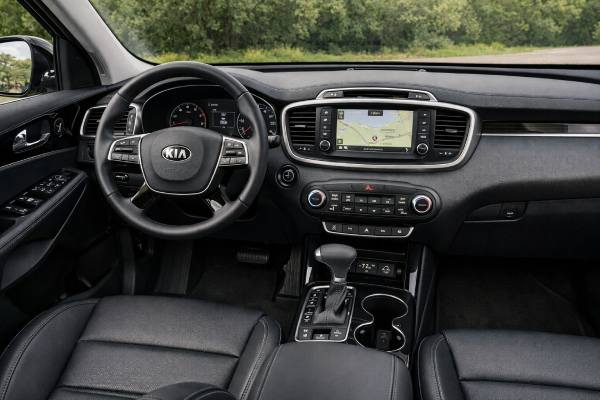
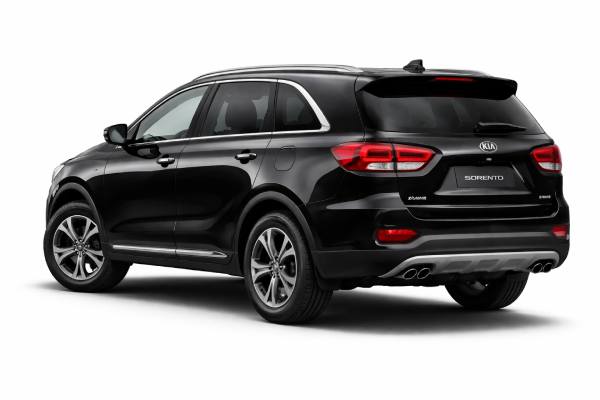
The facelifted 2018–2020 Kia Sorento UM with the G4KH 2.0 turbo and AWD is an interesting “sweet spot” in the lineup: it delivers strong mid-range torque for everyday driving, but it still keeps the packaging and comfort that made the Sorento a popular family SUV. The AWD system is the practical kind—built for traction in rain, snow, and light off-pavement, not for heavy rock-crawling—so it rewards owners who understand its limits and service needs. Where this version stands out is drivetrain balance: the turbo four has enough punch to feel lively at highway speeds, while the 8-speed automatic (in most markets) keeps the engine relaxed and helps with towing stability. Ownership success mostly comes down to three things: correct oil quality, cooling-system health, and keeping AWD fluids fresh.
Owner Snapshot
- Strong low-to-mid rpm pull makes highway merging and passing easy, especially with AWD traction on wet roads.
- Practical family layout with useful cargo flexibility and stable ride quality on long trips.
- AWD adds confidence in winter, but it also adds maintenance points (rear diff and transfer-case fluids).
- Plan for oil changes every 10,000–12,000 km (6,000–7,500 mi) or 12 months in mixed use; shorten for short trips or heavy city driving.
- Use matching tyres (same brand, size, and tread depth) to reduce AWD coupling stress and driveline vibration risk.
What’s inside
- Sorento UM AWD turbo overview
- Sorento UM AWD specifications
- Sorento UM AWD trims and ADAS
- Reliability hotspots and recalls
- Maintenance schedule and buying checklist
- Driving feel and fuel use
- Competitors and best alternatives
Sorento UM AWD turbo overview
This 2018–2020 Sorento UM configuration pairs Kia’s G4KH 2.0-liter turbocharged inline-four with an on-demand AWD system. In daily use, it behaves like a front-driver most of the time, then progressively sends torque rearward when the front tyres start to slip or when the control unit predicts low traction. That matters because it keeps steering light and efficient on dry roads, but it also means tyre condition and alignment are more important than many owners expect—AWD systems dislike mismatched rolling circumference.
The G4KH is a direct-injected, turbocharged “Theta-family” engine in broad design terms: it makes its best work in the mid-range rather than at very high rpm. For owners, the big advantage is drivability. You can hold a steady 120 km/h without the engine feeling strained, and the turbo helps when the vehicle is loaded with passengers or cargo. The trade-off is heat management: turbo engines run hotter under sustained load, so coolant condition, radiator airflow, and oil quality matter more than they do on a naturally aspirated four.
The facelift years also bring a more modern feel to the Sorento’s chassis tuning. Expect a comfortable, slightly firm ride that prioritizes stability over sharp cornering. The AWD hardware adds a bit of weight and complexity, but it improves launch traction, wet-road confidence, and low-speed control on loose surfaces. Think snowy driveways, muddy campsites, and slick city streets—not deep sand or repeated heavy trail abuse.
From a buyer’s point of view, this powertrain is often chosen because it avoids the fuel consumption of larger engines while still delivering real performance. The “ownership win” is simple: treat it like a turbo AWD vehicle, not like an old-school, low-stress SUV. Keep fluids fresh, keep tyres matched, and fix small cooling or boost leaks early before they become expensive.
Sorento UM AWD specifications
Below are practical, commonly seen specifications for the 2018–2020 Sorento UM AWD with the 2.0T (G4KH) rated around 240 hp. Exact numbers vary by market, emissions calibration, wheel size, and equipment. Use these as a decision-making baseline, then verify by VIN and under-hood labels.
Powertrain and efficiency
| Item | Specification |
|---|---|
| Engine code | G4KH |
| Layout and cylinders | Inline-4, DOHC, 16 valves (4 valves/cyl) |
| Displacement | 2.0 L (1,998 cc) |
| Bore × stroke | 86.0 × 86.0 mm (3.39 × 3.39 in) |
| Induction | Turbocharged |
| Fuel system | Direct injection (DI) |
| Compression ratio | Typically ~9.5:1 (market dependent) |
| Max power | 240 hp (179 kW) @ ~6,000 rpm |
| Max torque | Typically ~350–360 Nm (258–266 lb-ft) @ ~1,450–4,000 rpm |
| Timing drive | Chain |
| Rated efficiency | Commonly ~8.5–10.5 L/100 km combined (27–22 mpg US / 33–27 mpg UK) |
| Real-world highway @ 120 km/h | Often ~8.5–9.8 L/100 km (28–24 mpg US / 33–29 mpg UK), depending on tyres and wind |
Transmission and driveline
| Item | Specification |
|---|---|
| Transmission | 8-speed automatic (market dependent) |
| Drive type | On-demand AWD (electronically controlled coupling) |
| Differentials | Typically open front and rear; brake-based traction control |
Chassis and dimensions
| Item | Typical specification |
|---|---|
| Suspension (front/rear) | MacPherson strut / multi-link |
| Steering | Electric power steering |
| Brakes | 4-wheel discs (sizes vary by trim) |
| Most popular tyre size | 235/55 R19 or 235/60 R18 (varies by market/trim) |
| Ground clearance | Typically ~185 mm (~7.3 in) |
| Length / width / height | ~4,800 / 1,890 / 1,685 mm (~189.0 / 74.4 / 66.3 in) |
| Wheelbase | ~2,780 mm (~109.4 in) |
| Turning circle | Typically ~11.3–11.8 m (37–39 ft) |
| Kerb (curb) weight | Often ~1,800–1,950 kg (3,970–4,300 lb) depending on equipment |
| Fuel tank | Commonly ~71 L (18.7 US gal / 15.6 UK gal) |
| Cargo volume | Market-dependent measurement; typically ~300–700 L seats up, ~1,500–2,000 L seats down (VDA/SAE method varies) |
Performance and capability (typical real-world ranges)
| Metric | Typical |
|---|---|
| 0–100 km/h (0–62 mph) | ~7.8–8.7 s (traction and wheel size matter) |
| Top speed | ~195–205 km/h (121–127 mph) |
| Braking distance (100–0 km/h) | ~36–40 m (118–131 ft) on quality tyres |
| Towing capacity | Often 1,500–2,000 kg braked (3,300–4,400 lb) depending on market; unbraked commonly 750 kg (1,650 lb) |
| Payload | Commonly ~500–650 kg (1,100–1,430 lb) depending on GVWR |
Fluids and service capacities (verify by label and VIN)
| System | Spec and notes |
|---|---|
| Engine oil | Typically 5W-30 or 5W-40 meeting API/ACEA per market; capacity often ~4.8–5.3 L (5.1–5.6 US qt) with filter |
| Coolant | Long-life ethylene glycol coolant; mix typically 50/50; capacity often ~7–9 L (7.4–9.5 US qt) |
| Automatic transmission | Hyundai-Kia ATF spec by transmission family; capacity varies widely by service method |
| Transfer case (AWD) | Gear oil (often 75W-90 GL-5); capacity varies by unit |
| Rear differential | Gear oil (often 75W-90 GL-5); capacity varies by housing |
| A/C refrigerant | R-1234yf in many 2018+ markets; some markets may differ—check under-hood label |
| Key torque specs (common ranges) | Wheel nuts often 90–110 Nm (66–81 lb-ft); drain plug and spark plugs vary—verify for your engine/parts |
Safety and driver assistance (high-level)
| Item | Notes |
|---|---|
| Euro NCAP | 5-star result for Sorento in the UM generation’s testing era; published percentages vary by test year/version |
| IIHS | Ratings vary by year, trim, and headlight package; some configurations can qualify for Top Safety Pick with the right equipment |
| ADAS | Typically available: AEB, lane support, blind-spot monitoring, rear cross-traffic alert, and adaptive cruise (market/trim dependent) |
Sorento UM AWD trims and ADAS
Trim structure differs sharply by region, so the best way to think about this Sorento UM AWD 2.0T is by “hardware groups” rather than badge names. Most markets bundle the turbo engine with higher trims because it often arrives with upgraded infotainment, bigger wheels, and more driver assistance.
Common trim and option patterns you’ll see
- Base-to-mid trims: Often include cloth or partial-leather interiors, simpler audio, smaller wheels, and fewer ADAS features. Some markets still offer AWD in these trims, but the 2.0T is more commonly paired with higher equipment levels.
- Upper trims: More likely to include larger wheels/tyres, upgraded headlamps, power tailgate, heated seats front and rear, and advanced driver assistance. These trims can also bring more sound insulation, which improves long-trip comfort.
- Tech packages: Usually add adaptive cruise control (ACC), more capable autonomous emergency braking (AEB), lane keeping assist (LKA) and sometimes lane following assist (LFA), plus parking sensors and a higher-grade camera system.
Mechanical and functional differences that matter
- Wheel and tyre packages: Larger wheels can sharpen turn-in but often increase road noise and can reduce ride compliance on rough surfaces. They also raise tyre costs. For AWD longevity, matching tyre brand, size, and tread depth matters more than wheel diameter.
- Braking hardware: Higher trims may get slightly larger discs and different pad compounds. The feel is more about tuning and tyres than raw disc size, but it matters if you tow or drive in mountains.
- Cooling capacity: Some markets pair the turbo powertrain with upgraded cooling or oil cooling. If you see evidence of additional coolers (for engine oil or transmission), that’s a plus for hot climates and towing.
Quick identifiers when shopping
- Engine confirmation: The 2.0T usually has turbo plumbing and an intercooler visible behind the front bumper area, plus specific engine cover labeling in many markets.
- AWD confirmation: Look for AWD badging and verify in the vehicle information screen (where available). On a test drive, check for driveline vibration under light throttle at 60–90 km/h—this can hint at tyre mismatch, prop-shaft issues, or alignment problems.
- Headlights: Safety ratings and night visibility can change significantly depending on headlamp type and calibration. If the vehicle has projector or LED headlamps (market dependent), ensure both sides match and aim correctly.
Safety systems and calibration notes
- Most Sorento UM models provide multiple airbags, stability control, and well-developed child-seat anchoring (ISOFIX/LATCH varies by market). ADAS systems can require calibration after windshield replacement, front-end collision repair, or some suspension work. If you see a vehicle with recent bumper or windshield work, request documentation that includes ADAS calibration where required.
Year-to-year, facelift updates often brought infotainment improvements and broader availability of driver assistance, but the biggest real-world differences still come down to trim equipment: headlights, tyres, and whether advanced AEB and ACC were included.
Reliability hotspots and recalls
Overall, this Sorento UM AWD 2.0T can be a solid long-term vehicle when maintained correctly, but it has predictable “hot spots.” It helps to group issues by prevalence and cost risk so you can plan.
Common, usually manageable (low to medium cost)
- Carbon build-up (DI engines): Direct injection sprays fuel into the cylinder, not onto intake valves, so deposits can accumulate over time.
Symptoms: rough idle, hesitation, reduced economy.
Remedy: intake valve cleaning (chemical or walnut blasting, depending on severity), plus PCV system checks. - PCV valve and oil vapor control: A tired PCV valve can increase oil consumption and deposits.
Symptoms: oil usage, occasional idle instability, oily intercooler pipes.
Remedy: replace PCV valve on schedule or when symptoms appear; inspect hoses. - Ignition coils and plugs: Turbo DI engines are sensitive to spark quality.
Symptoms: misfires under load, flashing MIL, poor acceleration.
Remedy: use correct plugs (heat range matters) and replace coils as needed.
Occasional, higher impact if ignored (medium to high cost)
- Cooling-system weak points: Turbo heat makes marginal cooling components show their age faster.
Symptoms: slow coolant loss, temperature creep on climbs, heater performance changes.
Remedy: pressure test, replace suspect hoses, thermostat, radiator cap, or water pump as needed. - Boost leaks and intercooler plumbing: Rubber couplers and clamps can loosen or crack.
Symptoms: whooshing under boost, reduced power, elevated fuel use.
Remedy: smoke test or boost leak test; replace couplers/clamps.
AWD-specific concerns (medium to high cost depending on cause)
- Transfer case and rear differential fluid aging: Neglect can accelerate wear.
Symptoms: whining noise, shudder, or vibration under load.
Remedy: fluid service at sensible intervals; investigate noise early. - Tyre mismatch stress: Different tread depths front to rear can keep the coupling working constantly.
Symptoms: binding on tight turns, driveline vibration, increased coupling temperature.
Remedy: run matched tyres; rotate regularly; replace tyres as a set when wear is uneven.
Recalls, TSBs, and software updates
Recalls and service actions vary by country and by build date. The practical approach is:
- Run an official VIN check in your region.
- Confirm completion with dealer records.
- Ask whether any ECU/TCU updates were applied for drivability, misfires, or sensor faults.
Even when a recall is not “engine-related,” it matters because electrical issues can create persistent warning lights that mask new faults. For ADAS-equipped models, also ask about camera or radar-related service actions and whether calibrations were completed after body repairs.
For pre-purchase, prioritize vehicles with consistent oil service history (correct spec and interval) and documented AWD/differential fluid changes—those two items predict the next 3–5 years of ownership cost better than almost anything else.
Maintenance schedule and buying checklist
A good maintenance plan for the Sorento UM AWD 2.0T is less about “maximum intervals” and more about keeping heat, deposits, and AWD wear under control. Below is a practical schedule that fits mixed real-world use; adjust for climate and driving style.
Practical maintenance schedule (distance or time, whichever comes first)
- Engine oil and filter: every 10,000–12,000 km (6,000–7,500 mi) or 12 months.
If you do short trips, heavy city use, or frequent full-throttle driving, shorten to 7,500–8,000 km (4,500–5,000 mi). - Engine air filter: inspect every 15,000 km (9,000 mi); replace around 30,000 km (18,000 mi) (sooner in dusty regions).
- Cabin air filter: every 15,000–20,000 km (9,000–12,000 mi) or annually.
- Spark plugs: commonly 60,000–100,000 km (37,000–62,000 mi) depending on plug type and calibration; turbo engines often benefit from the shorter end.
- Coolant: every 5 years / 100,000–150,000 km depending on coolant type; test freeze point and pH if history is unknown.
- Automatic transmission fluid: service interval varies by market; a safe real-world plan is 60,000–80,000 km (37,000–50,000 mi) for drain-and-fill cycles, sooner if towing or hot-climate use.
- Transfer case and rear differential fluids: every 50,000–70,000 km (31,000–43,000 mi), sooner if the vehicle sees frequent snow, steep climbs, or towing.
- Brake fluid: every 2 years regardless of mileage.
- Tyre rotation and alignment: rotate every 10,000–12,000 km; align if you see uneven wear (critical for AWD).
- 12 V battery test: annually after year 4; replacement commonly 4–6 years depending on climate.
- Timing chain: no fixed replacement interval, but inspect if you hear cold-start rattle or see timing correlation faults.
Fluids, specs, and “decision-level” guidance
- Use the correct oil specification for your market (not just viscosity). Turbo DI engines respond badly to low-quality oil—deposits and consumption often follow.
- Confirm coolant type matches what the vehicle requires; mixing incompatible coolants can reduce corrosion protection.
- For driveline fluids (transfer case and rear diff), use the specified gear oil rating; “close enough” oils can increase noise or wear.
Buyer’s checklist (what to inspect before money changes hands)
- Cold start: listen for timing-chain rattle (brief is not unusual; persistent is a warning).
- Boost behavior: steady pull under load without surging; check for whooshing indicating boost leaks.
- Cooling system: no sweet smell, no dried coolant marks around hoses, radiator end tanks, or water pump.
- AWD health: tight, slow turns in a parking lot should feel smooth—no binding, hopping, or groaning.
- Tyres: confirm all four match in brand, size, and similar tread depth.
- Transmission: smooth shifts, no flare (engine revs rising without speed increase) on 3–4 or 4–5 transitions.
- Electronics and ADAS: verify camera clarity and that warning lights stay off after a full drive cycle.
Long-term durability outlook: the platform is generally robust, but the turbo engine and AWD system reward preventive servicing. The “best buys” are vehicles with proof of frequent oil changes and driveline fluid service—those typically stay quiet, smooth, and efficient well past 150,000 km.
Driving feel and fuel use
On the road, the Sorento UM AWD 2.0T feels like a refined family SUV with a stronger-than-expected surge in the mid-range. The turbo engine’s character is the star: it delivers useful torque early, so you don’t need to push the engine hard to keep pace. That makes it relaxing in traffic and confident on short highway on-ramps. Most drivers describe the power delivery as “easy” rather than sporty—strong, smooth, and well matched to the vehicle’s weight.
Ride, handling, and NVH (noise, vibration, harshness):
- Ride: tuned for comfort and stability. It absorbs highway expansion joints well, though large wheels can add sharpness over potholes.
- Handling: predictable and slightly nose-led, with AWD improving traction rather than changing the cornering personality.
- Steering: typically light to medium weight; more accurate than “talkative.”
- Cabin noise: tyre choice matters. All-season tyres with aggressive tread can add noticeable hum at 100–120 km/h.
Transmission behavior:
With the common 8-speed automatic, expect smooth, low-rpm cruising. Under hard acceleration, it should downshift decisively, but some vehicles may “hunt” between gears on gentle grades if the throttle is feathered. Using a manual mode or a sport drive setting can reduce hunting. If you feel shudder or repeated micro-surging under light throttle, check tyres, engine mounts, and whether the transmission software is up to date for your market.
Real-world efficiency (typical ranges):
- City: often 11–13 L/100 km (21–18 mpg US / 26–22 mpg UK) depending on traffic and temperature.
- Highway 100–120 km/h: often 8.5–9.8 L/100 km (28–24 mpg US / 33–29 mpg UK).
- Mixed driving: commonly 9.5–11.0 L/100 km (25–21 mpg US / 30–26 mpg UK).
Cold weather can add 10–20% consumption due to richer warm-up fueling and cabin heating needs.
Load and towing:
With moderate towing, expect a noticeable fuel penalty and more frequent downshifts on hills. The key is heat: keep coolant and ATF healthy, and avoid sustained high-boost climbs in high ambient temperatures without ensuring the cooling system is in top condition. If you tow regularly, prioritize a vehicle with evidence of more frequent transmission service and consider conservative intervals going forward.
Competitors and best alternatives
If you’re cross-shopping the Sorento UM AWD 2.0T, your real comparison set is “mid-size two-row or optional three-row family SUVs with strong four-cylinder torque and modern safety tech.” Here’s how the Sorento typically stacks up, and what to choose based on priorities.
Where the Sorento UM AWD 2.0T tends to win
- Balanced drivability: The turbo engine makes the Sorento feel stronger than many naturally aspirated four-cylinder rivals, especially when loaded.
- Comfort-per-dollar: Even in upper trims, it often delivers a quiet cabin and solid ride quality without an overly stiff setup.
- Everyday AWD utility: It’s well suited for winter commuting and mixed road conditions, as long as you maintain tyres and driveline fluids.
Where rivals can be better
- Long-term simplicity: Naturally aspirated engines and simpler drivetrains can reduce heat and deposit-related issues. If you want the lowest-maintenance ownership style, a non-turbo alternative can be attractive.
- Fuel economy leaders: Some competitors (especially newer hybrid options) can significantly beat the Sorento’s real-world city consumption.
- Third-row practicality: Some rivals offer more usable third-row space; the Sorento’s packaging is practical, but not class-leading for adult third-row comfort.
Smart rival picks by owner type
- You want the smoothest, most predictable ownership: Look for a competitor with a naturally aspirated engine and a strong reliability record, or consider the Sorento with meticulous service history and conservative fluid intervals.
- You drive in snow and want confidence without “truck” compromises: The Sorento’s AWD traction and stable chassis make sense—just budget for AWD fluid servicing and tyres.
- You care most about safety tech and headlights: Compare exact trim equipment. Headlamp performance and advanced AEB availability can change the safety story more than brand comparisons do.
- You tow occasionally and want stability: The Sorento can do the job when properly equipped, but verify your exact market’s tow rating and cooling hardware, and choose a trim that supports your towing plan.
The best alternative to the Sorento UM AWD 2.0T is usually not a different badge—it’s the best-maintained example in your shortlist. A Sorento with documented oil services, matched tyres, and driveline fluid history will typically feel tighter and quieter than a “better” competitor with gaps in maintenance.
References
- 2019 Kia Sorento 4-door SUV 2019 (Safety Rating)
- Vehicle Detail Search – 2019 KIA SORENTO SUV AWD | NHTSA 2019 (Recall Database)
- Manuals 2020 (Owner’s Manual)
- Kia Sorento 2014 (Safety Rating)
Disclaimer
This article is for informational purposes only and is not a substitute for professional diagnosis, inspection, or repair. Specifications, torque values, service intervals, fluids, and procedures can vary by VIN, market, model year, and equipment. Always verify details using official Kia service information and the labels and documentation specific to your vehicle.
If this guide helped you, please consider sharing it on Facebook, X (Twitter), or your favorite forum to support our work.