
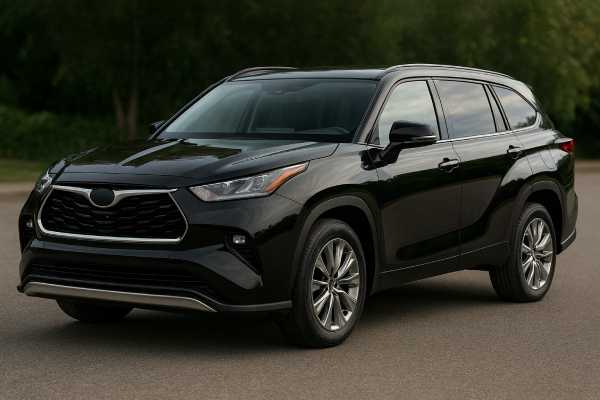
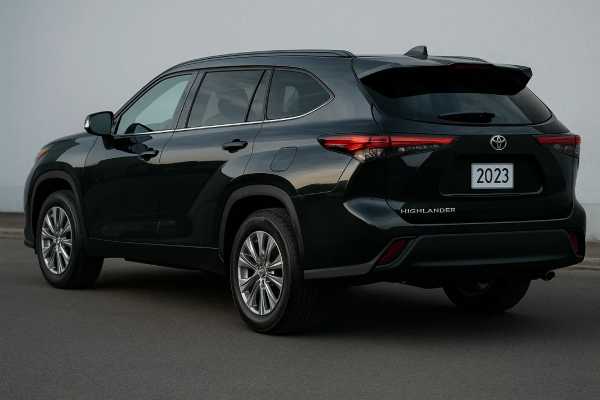
The 2023 refresh of Toyota’s three-row Highlander quietly retired the long-running V6 and introduced a lighter, cleaner, and torquier 2.4-liter turbo four. In front-wheel-drive TXUA70 form, it pairs a robust eight-speed automatic with a stiff TNGA-K chassis to deliver family-first refinement, confident highway passing, and real everyday efficiency. Owners notice the low-rpm surge—310 lb-ft arrives early—along with a calmer cabin and steady steering on long trips. Thoughtful packaging keeps the third row usable and cargo space square, while modern driver aids reduce fatigue in traffic. The FWD layout also minimizes weight and complexity for buyers in milder climates. This guide distills what shoppers and owners most want to know: verified specifications, the options and safety story, reliability themes, service intervals and fluids, how it actually drives, and how it stacks up to key rivals. If you are choosing between late-V6 models and this turbo generation, the details below will help you decide with confidence.
Essential Insights
- Strong low-rpm torque (≈420 Nm / 310 lb-ft) improves everyday drivability and passing.
- Quiet, compliant ride with precise highway tracking; generous cargo layout (up to ~84 ft³).
- Standard active-safety tech and available 12.3-in displays modernize the cabin.
- Watch for bumper-cover recall completion and keep up with software updates after service.
- Typical oil change interval: 10,000 miles / 12 months (rotate tires every 5,000 miles).
Navigate this guide
- Inside the Highlander 2.4T FWD
- Highlander 2.4T specs and data
- Trims, safety, driver aids
- Reliability and service actions
- Maintenance and buyer’s guide
- Driving and real-world performance
- Highlander vs rivals
Inside the Highlander 2.4T FWD
Toyota’s switch from the 3.5-liter V6 to the T24A-FTS 2.4-liter turbo in 2023 wasn’t just a powertrain shuffle—it changed how the Highlander feels in daily use. The turbo four makes less peak horsepower than the V6 on paper, but its broad torque plateau transforms low-speed acceleration: merging with a full load requires less throttle, and uphill highway sections feel more relaxed. The eight-speed automatic (“Direct-Shift 8AT”) is tuned to keep revs low at cruise and drop quickly for passing, avoiding the “gear hunting” some crossovers exhibit.
The TXUA70 FWD configuration trims weight and driveline drag versus AWD. For drivers in temperate regions who don’t tow frequently and use quality all-season tires, the payoff is quieter cruising and slightly better fuel economy. The TNGA-K platform underpins the Highlander’s planted feel: a rigid structure reduces squeaks and rattles over time, while independent suspension at all four corners balances ride and control. Steering is light but exact; lane-keeping assistance reduces small corrections on long interstates without feeling intrusive.
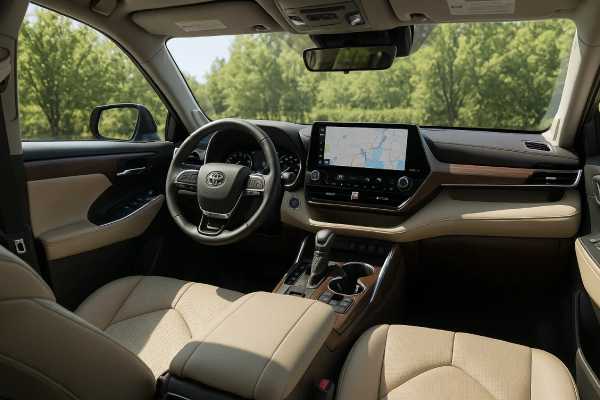
Packaging remains a highlight. The third row is appropriate for kids and occasional adult rides, and the cargo bay is boxy, so large items load cleanly even with the third row folded. The dash layout benefits from Toyota’s newer infotainment stack (available 12.3-inch screens) with improved voice control and over-the-air update capability. Cabin materials resist scuffs, cupholders abound, and small-item storage is smartly distributed, which matters on real family trips. Noise suppression—especially from wind—is excellent for the class, aided by low cruising revs and taller top-gear ratios. Overall, the 2.4T Highlander FWD reads as a calmer, more efficient long-haul family machine that still feels robust enough for years of service.
Highlander 2.4T specs and data
Below are scannable, model-specific tables for the 2023–present Highlander TXUA70 (FWD, 2.4-liter turbo, 8-speed automatic). Values reflect the baseline North-American configuration.
Engine and Performance (ICE)
| Item | Detail |
|---|---|
| Code | T24A-FTS (turbocharged) |
| Layout & cylinders | Inline-4, DOHC, 16 valves, dual VVT (VVT-iE intake) |
| Displacement | 2.4 L (2393 cc) |
| Induction | Single twin-scroll turbocharger, intercooler |
| Fuel system | Direct + port injection (D-4ST) |
| Compression ratio | ~10.5:1 (varies by calibration) |
| Max power | 265 hp (198 kW) @ ~6000 rpm |
| Max torque | 420 Nm (310 lb-ft) @ ~1700–3600 rpm |
| Timing drive | Chain |
| Emissions/efficiency standard | EPA-certified (gasoline) |
| Rated economy (EPA, FWD) | 25 mpg combined; 22 city / 29 highway (9.4 / 10.7 / 8.1 L/100 km) |
| Real-world highway @ 120 km/h (75 mph) | ≈ 8.7–9.4 L/100 km (27–25 mpg US), load and wind dependent |
| Aerodynamics | Cd ~0.33–0.34 (trim/roof rails dependent) |
Transmission and Driveline
| Item | Detail |
|---|---|
| Transmission | 8-speed automatic (Direct-Shift 8AT) |
| Drive type | Front-wheel drive (TXUA70) |
| Final drive | ~3.0–3.3 (varies by trim/tow prep) |
| Differential | Open (front) |
| Refuel to full (typical) | ~5 minutes at pump |
Chassis and Dimensions
| Item | Detail |
|---|---|
| Platform | TNGA-K (unibody) |
| Suspension (front/rear) | MacPherson strut / multi-link |
| Steering | Electric rack-and-pinion |
| Brakes | 4-wheel disc with ABS, EBD, BA |
| Wheels/Tires (common) | 18–20 in rims; 235/65R18 to 235/55R20 |
| Ground clearance | ~203 mm (8.0 in) |
| Length / Width / Height | ~4950 / 1930 / 1730 mm (194.9 / 76.0 / 68.1 in) |
| Wheelbase | 2850 mm (112.2 in) |
| Turning circle (curb-to-curb) | ~11.4 m (37.5 ft) |
| Fuel tank | ~68 L (17.9 US gal / 14.9 UK gal) |
| Cargo volume (SAE) | ≈ 453 L (16.0 ft³) behind 3rd / 1371 L (48.4 ft³) behind 2nd / 2387 L (84.3 ft³) max |
Performance and Capability
| Item | Detail |
|---|---|
| 0–100 km/h (0–62 mph) | ~7.9–8.4 s (trim/tires/load sensitive) |
| Top speed | Governed; typical class-standard |
| Braking (100–0 km/h) | Class-competitive; tires dominate results |
| Towing capacity (max) | Up to 2268 kg (5000 lb) with Tow Prep Package |
| Payload | Trim-dependent; consult door-jamb label |
| Roof load | Consult crossbar rating; typically 75–75+ kg (dynamic) |
Fluids and Service Capacities
| Item | Specification |
|---|---|
| Engine oil | API SP / ILSAC GF-6; manufacturer-specified low-viscosity (refer to under-hood labeling/owner’s manual) |
| Oil change interval | 10,000 miles / 12 months (severe service may require 5,000-mile intervals) |
| Coolant | Toyota Super Long Life Coolant (pre-mixed pink); typical 50/50 |
| ATF (8AT) | Toyota-specified WS-equivalent; sealed-for-life philosophy with inspection at service |
| A/C refrigerant | HFO-1234yf; charge by label (trim-specific) |
| Key torque examples | Wheel lugs ≈ 103 Nm (76 lb-ft); always confirm by VIN/service manual |
Electrical
| Item | Specification |
|---|---|
| Alternator output | High-efficiency unit, trim-dependent (typ. 130–150 A class) |
| 12V battery | AGM/flooded group size varies by trim/climate package |
Safety and Driver Assistance
| Item | Detail |
|---|---|
| Crash ratings | Strong IIHS performance for 2023–2024 models; award status varies with headlight/driver-assist combinations |
| Headlights | LED units rated from Adequate to Good by trim |
| ADAS suite | Toyota Safety Sense: AEB (car/pedestrian), lane-keep/steering assist, adaptive cruise, road sign assist; blind-spot and rear cross-traffic available/standard by trim |
Trims, safety, driver aids
Trims and key equipment (FWD focus, 2023–present)
Typical grades include L/LE, XLE, XSE, Limited, and Platinum. LE is the value anchor with cloth seating, an 8-inch center display, and standard driver aids. XLE brings SofTex-trimmed seating with heat, power driver adjustments, roof rails, a wireless charger, and available 12.3-inch screens. XSE adds a firmer suspension tune, unique fascia, and 20-inch wheels for buyers seeking a sportier stance. Limited steps up to leather, ventilated fronts, premium audio, and additional convenience (hands-free liftgate, front/rear parking assist). Platinum layers in panoramic camera views, a color head-up display, panoramic roof, and the widest ADAS feature coverage. FWD is common on L/LE/XLE; Limited/Platinum are widely available FWD in milder markets, though many dealers stock AWD.
Mechanical differences and options
The 2.4T/8AT powertrain is common across grades. Tow Prep Package (often bundled) adds a heavy-duty radiator, engine-oil cooler, and 200-watt fan coupling, enabling the 5000-lb rating. Wheel-tire packages range from 18 to 20 inches; note that 20s improve steering response but add impact harshness and can slightly lengthen braking on rough surfaces. XSE’s suspension calibration is subtly firmer, not harsh, and remains family-friendly.
Safety ratings and structure
Structure and restraints performance in moderate overlap and small-overlap tests is strong for this generation, with roof strength and head restraints likewise robust. Headlight performance differs by grade (projector vs premium LED), which can change award status year-to-year. When comparing listings, check build sheets for headlight type and active-safety package details, as those determine the top ratings.
ADAS content and calibration notes
Toyota Safety Sense includes forward collision warning, automatic emergency braking (day/night pedestrian detection), lane departure alert with steering assist, lane centering (when adaptive cruise is active), and road sign assist. Blind-spot monitoring with rear cross-traffic alert becomes standard or commonly packaged from mid trims up. After windshield replacement, front-radar service, or bumper repair, camera/radar recalibration is required; verify shops perform static/dynamic calibration and that stored DTCs are cleared. Post-alignment, run a short drive to confirm the lane-centering path and steering torque feel are normal.
Year-to-year highlights
- 2023: Turbo 2.4L replaces V6; larger available screens; interface and voice control upgraded.
- 2024–present: Feature packaging and color/trim updates continue; safety content and headlight availability vary by grade—check equipment lists when comparing.
Reliability and service actions
Overall pattern
The turbo Highlander has behaved like most TNGA-K Toyotas: few hard failures, occasional software/trim concerns, and importance of performing calibrations correctly after collision or glass work. The new engine/8AT pairing is conservative in output and temperature management, which bodes well for longevity when serviced on time.
Common / occasional / rare issues
- Common (low severity): Windshield/ADAS calibration misses after glass work (lane-keep wander, AEB warnings). Remedy: recalibrate camera/radar with the correct targets and alignment specs.
- Common (low severity): Infotainment glitches after battery disconnect; remedy via software update or hard reset; ensure OTA campaign completion.
- Occasional (medium): Front brake shudder near 25–40 mph due to pad material transfer on 20-inch packages. Remedy: correct torque pattern on wheel lugs, bed pads/rotors properly; consider pad upgrade at replacement.
- Occasional (medium): Turbo intake tract clamps loosening after service; symptom is whistling or reduced boost. Remedy: inspect and torque clamps; verify no post-MAF leaks.
- Rare (medium/high): Transmission cooler line seep at crimp after heavy towing. Remedy: inspect during oil changes; update parts per latest service bulletin if seep observed.
- Rare (medium): HVAC performance drop from low refrigerant charge after collision repair—R-1234yf systems are sensitive to charge weight. Remedy: evacuate/charge by label mass using RRR machine.
Recalls / service campaigns to confirm
- Front lower bumper cover mounting tabs/retention: Certain 2020–2023 vehicles require inspection and improved retention to prevent separation. Ensure recall completion on any used purchase and after front-end collision repairs.
- Software updates: Periodic ECU/infotainment updates improve drivability or address specific DTCs (e.g., sensor plausibility, camera logic). Ask dealers to check for campaign eligibility by VIN.
Verification steps
Before buying, run the official VIN recall check, ask for the dealer service printout showing open/closed campaigns, and confirm Tow Prep Package installation (if you plan to tow). After any body or glass work, ask for the calibration worksheet and pre/post-scan reports. A short road test should show straight tracking, centered steering wheel, stable lane-keep, and clean sensor status with no warnings.
Maintenance and buyer’s guide
Practical maintenance schedule (time/distance, whichever comes first)
- Engine oil & filter: Every 10,000 miles / 12 months under normal driving; consider 5,000 miles in short-trip, dusty, very cold/hot, or heavy-towing use. Use the oil grade on the filler cap/owner’s manual (API SP / ILSAC GF-6, low-viscosity).
- Tire rotation, pressure, tread check: 5,000 miles (every oil-change midpoint). Inspect for edge wear on 20-inch packages; keep at door-label PSI.
- Engine air filter: Inspect 15,000 miles; replace 30,000–45,000 miles (sooner in dusty areas).
- Cabin filter: Replace 15,000–20,000 miles or annually; more often with allergies or urban soot.
- Spark plugs: Iridium long-life; inspect by 90,000–100,000 miles, replace per manual interval.
- Coolant (SLLC): First change typically 100,000–120,000 miles or 10 years; then every 50,000–60,000 miles; verify by VIN.
- Brake fluid: Replace 3 years/36,000 miles; shorter in humid climates.
- Automatic transmission fluid: Inspected at service; many dealers recommend a drain-and-fill around 90,000–120,000 miles for longevity if towing/hot-climate; follow official guidance for your VIN.
- Drive belts/hoses: Inspect at every oil change; replace by condition, typically 90,000–120,000 miles.
- Alignment: Check annually or at first sign of pull/uneven wear.
- 12V battery: Test yearly from year three; replace 5–7 years typical.
- A/C service: Replace cabin filter regularly; for poor cooling, weigh charge (R-1234yf is mass-critical).
- Software updates: Ask dealers to check for ECU/infotainment updates at each service; request release notes on completion.
Fluids quick reference
- Engine oil: API SP / ILSAC GF-6, low-viscosity per cap/manual (do not substitute heavier grades unless specified).
- Coolant: Toyota Super Long Life (pink).
- ATF: Toyota WS-type.
- Brake fluid: DOT 3 or DOT 4 per cap/manual.
- A/C refrigerant: HFO-1234yf, charge by label mass.
DIY/owner tips
- Use a torque wrench on wheel nuts (≈ 103 Nm / 76 lb-ft) to prevent rotor thickness variation complaints.
- Keep the front radar emblem and camera window clean; bugs and ice cause false alerts.
- If lane-centering feels off after tire work, run a short calibration drive on a well-marked road; if still off, seek a camera alignment check.
Buyer’s checklist (used or new-to-you)
- Verify Tow Prep Package if you plan to tow (radiator/oil-cooler/connector).
- Ensure recall campaigns (front bumper cover retention) are closed.
- Inspect front bumper/grille areas for alignment—any collision work should include ADAS recalibration documents.
- Road test for smooth 1–2 and 2–3 shifts, straight tracking, and quiet 70–75 mph cruise.
- Check tires for even wear; mismatched sets can dull steering and lengthen braking.
- Confirm both smart keys, service history, and infotainment update status.
Durability outlook
The turbo four runs cool, makes modest specific output for its size, and turns low rpm at cruise. With conservative service and quality fluids, owners should expect the familiar Toyota pattern: a quiet, tight chassis beyond 100,000 miles and major components that outlast typical finance terms.
Driving and real-world performance
Ride, handling, NVH
The Highlander FWD favors comfort without float. Initial compliance is soft enough for broken pavement, but secondary motions are well-damped, so the body settles quickly after bridge joints. High-speed stability is a strong point, helped by a long wheelbase and careful alignment specs; the vehicle tracks straight with minimal correction. Road and wind noise are hushed for the class—even on 20-inch tires—thanks to extensive sealing and low cruise rpm in eighth gear.
Powertrain character
Where the old V6 needed revs, the 2.4T surges early. Moderate throttle yields a smooth, linear pull from 1700 rpm, so merging and hill climbs feel effortless. The turbo spools progressively; once underway the engine fades into the background. The eight-speed’s logic is unflustered: light throttle upshifts come early for economy, while kickdowns are decisive for two-lane passes. Sport mode holds gears longer on grades; Normal is best for daily use. There’s no CVT “rubber-band” sensation—gear engagement is direct.
Efficiency in the real world
Owners commonly report highway economy in the mid- to upper-20s mpg (US). At 60–65 mph on level ground, 28–30 mpg is attainable; at a steady 75 mph, expect roughly 25–27 mpg depending on wind, temperature, and load. City numbers settle near the low 20s with gentle throttle. Winter tires, roof boxes, and heavy cargo can trim highway results by 2–4 mpg; conversely, keeping cruise under 72 mph yields outsized gains.
Braking and steering feel
The pedal is firm with a short initial bite, and fade is well-managed on long descents provided you downshift to use engine braking. The steering is light at parking speeds and gains reassuring effort on the highway; it’s not brimming with road feel, but it is accurate, and on-center stability is excellent.
Towing and load behavior
With the Tow Prep Package, the Highlander is rated up to 5000 lb. At this weight, use a weight-distributing hitch, observe tongue-weight limits, and keep transmission temperatures in check with conservative speeds on hot grades. Plan for a 10–25% fuel-economy penalty with small trailers and 30–40% with a tall, boxy camper. Brakes remain confident if you maintain pads and rotors and ensure trailer brakes are dialed in correctly.
Highlander vs rivals
Honda Pilot (V6, 10AT)
The latest Pilot rides firmly, steers with more verve, and offers adult-friendlier third-row space. Its naturally aspirated V6 is smooth but makes less low-rpm torque, so the Highlander feels stronger in everyday passing despite lower peak hp. Fuel economy is similar highway-only; in mixed driving, the Toyota’s broad torque can help it run a gear taller.
Hyundai Palisade / Kia Telluride (V6)
These prioritize space and upscale cabins at their price points, with plush ride tuning. They also bring high feature density. The Highlander counters with tighter exterior dimensions for city parking, simpler long-term maintenance, and a typically stronger resale. If you want limo-like third-row comfort, the Korean twins lead; if you value efficiency and long-term operating costs, the Toyota pulls ahead.
Chevrolet Traverse (2.5T, 8-speed/9-speed)
The newest Traverse offers abundant interior room and a torquey four-cylinder turbo. It’s quicker in a straight line than many expect. Toyota’s advantage lies in quieter NVH, projected long-term reliability, and a more cohesive driver-assist tuning, though Traverse cargo space and tech features are compelling.
Nissan Pathfinder (V6, 9AT)
Pathfinder’s conventional 9-speed improves drivability over its prior CVT years. It rides well and tows up to 6000 lb in certain trims. The Highlander’s calmer cabin and active-safety consistency give it the edge for long-haul families; buyers who tow heavy more often may weigh the Nissan’s higher tow rating.
Hybrids in the mix
If maximizing economy is the goal and your driving is suburban, the Highlander Hybrid (separate model) delivers significantly better fuel economy. The 2.4T FWD remains the better choice for sustained highway travel with frequent passing and for buyers who prefer traditional torque delivery.
References
- 2023 Toyota Highlander Revs Up Driving with New Turbocharged Engine 2022 (Pressroom)
- Fuel Economy of the 2023 Toyota Highlander 2023 (EPA Database)
- 2023 WARRANTY & MAINTENANCE GUIDE 2023 (Owner’s Maintenance Guide)
- 2024 Toyota Highlander 4 door SUV 2024 (Safety Rating)
- Part 573 Safety Recall Report 23V-720 2023 (Recall Database)
Disclaimer
This article is for informational purposes and is not a substitute for professional diagnosis or repair. Specifications, torque values, service intervals, and procedures vary by VIN, market, and equipment. Always confirm details against your vehicle’s official owner’s manual and service documentation before performing maintenance or repairs.
If you found this guide useful, please consider sharing it with fellow owners on Facebook or X/Twitter to support xcar’s work.