
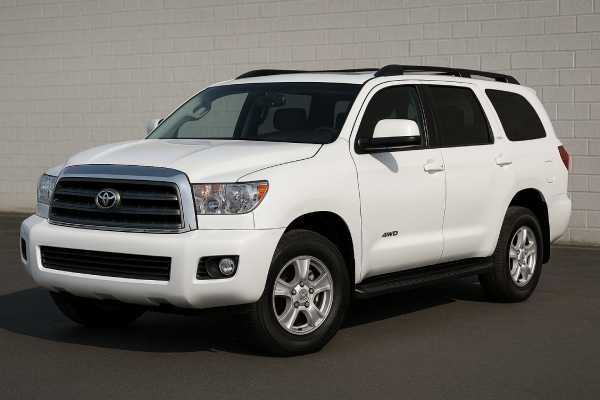
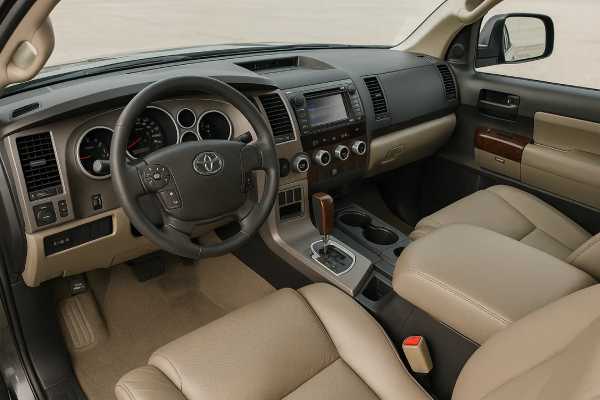
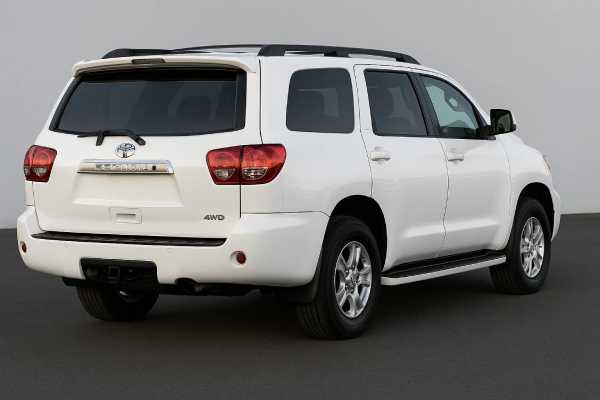
The 2010–2012 Toyota Sequoia 4WD, powered by the 1UR-FE 4.6-litre V8 engine, offers a reliable and powerful performance suited for families, adventurers, and towing enthusiasts alike. With a robust towing capacity, generous cargo space, and a refined drivetrain, this full-size SUV stands as a versatile choice for buyers looking for a combination of utility and comfort. It’s designed with a body-on-frame construction, allowing for exceptional durability, and it incorporates independent suspension to provide a smooth ride. Whether for off-roading or highway driving, the Sequoia impresses with its blend of power, efficiency, and functionality.
For buyers in the market for a large family SUV that offers impressive towing capacity, solid reliability, and off-road capability, the Sequoia 4WD offers a comprehensive solution with minimal compromise. This article provides an in-depth look at the 1UR-FE Sequoia, covering its key specs, performance, maintenance tips, and insights into its long-term durability.
Top Highlights
- Powerful 310 hp V8 engine: 1UR-FE 4.6-litre V8 engine provides an ideal balance of power for towing and daily driving.
- Towing capacity: Capable of towing up to 7,400 lbs (3,357 kg) when properly equipped, making it an excellent choice for trailers and heavy-duty loads.
- Spacious and versatile interior: Seats up to eight people with ample cargo space, offering excellent comfort and flexibility for long trips and family travel.
- Maintainability: Requires regular maintenance, especially around the timing chains and coolant system; ensure fluids are regularly replaced.
- Typical oil change interval: Use synthetic oil for intervals up to 10,000 miles / 12 months, but many owners prefer a more frequent 5,000-mile (8,000 km) schedule for peace of mind.
What’s inside
- Detailed Overview
- Specifications and Technical Data
- Trims, Options, and Safety
- Reliability, Common Issues, and Service Actions
- Maintenance and Buyer’s Guide
- Driving and Performance
- How the Sequoia Compares to Rivals
Detailed Overview
The Toyota Sequoia 4WD (UPK65) offers a refined and capable full-size SUV package, blending off-road capability with family-friendly features. Powered by the 1UR-FE 4.6-litre V8 engine, this vehicle strikes a solid balance between performance, efficiency, and durability. The 1UR-FE engine produces 310 horsepower and 327 lb-ft of torque, delivering ample power for various driving conditions, including towing, off-roading, and highway cruising.
The Sequoia uses a body-on-frame construction, a hallmark of its rugged design. With independent front and rear suspension systems, the vehicle provides a more comfortable and stable ride compared to older trucks with live axle suspensions. The standard 4WD layout ensures good traction on all surfaces, making it a versatile choice for drivers who need capability in diverse environments. However, the Sequoia’s large size and height make it less maneuverable in tight spaces, but this is typical for large SUVs.
Inside, the Sequoia can comfortably seat up to eight passengers, with spacious accommodations for all. The third row can be folded down to offer a substantial amount of cargo space, which expands further when the second row is also folded. Whether it’s transporting a large family or hauling gear for a camping trip, the Sequoia provides the necessary room and versatility.
Specifications and Technical Data
Engine & Performance
| Item | Specification |
|---|---|
| Engine Code | 1UR-FE i-Force V8 |
| Layout and Cylinders | 90° V8, DOHC, 4 valves per cylinder |
| Displacement | 4.6 l (4,608 cc) |
| Bore × Stroke | 94.0 mm × 83.0 mm (3.70 in × 3.27 in) |
| Induction | Naturally aspirated |
| Fuel System | Sequential multi-port fuel injection (SFI) |
| Compression Ratio | 10.2:1 |
| Max Power | 310 hp (231 kW) @ 5,400 rpm |
| Max Torque | 443 Nm (327 lb-ft) @ 3,400 rpm |
| Timing Drive | Dual timing chains with hydraulic tensioners |
| Emissions Standard | ULEV / Tier 2 Bin 5 (varies by market) |
In real-world use, the Sequoia 4WD’s fuel economy can range from 13–14 mpg (16–18 l/100 km) in city driving to 18–19 mpg (12–13 l/100 km) on the highway when driven conservatively. On long-distance highway trips, drivers can expect slightly better fuel efficiency, depending on load and driving conditions.
Transmission & Driveline
| Item | Specification |
|---|---|
| Transmission | 6-speed automatic, electronically controlled |
| Gear Ratios (1st–6th) | Approx. 3.33 / 1.96 / 1.35 / 1.00 / 0.73 / 0.59 |
| Final Drive Ratio | Around 3.91:1 |
| Drive Type | Four-wheel drive (4WD) |
| Differential | Open rear differential; optional locking on select trims |
| Onboard Charger (AC) | N/A |
The six-speed automatic transmission pairs smoothly with the 4.6-litre V8 engine, offering solid acceleration and efficient gear shifting, particularly in towing conditions.
Chassis & Dimensions
| Item | Specification |
|---|---|
| Suspension (Front) | Independent double wishbone with coil springs |
| Suspension (Rear) | Independent double wishbone with coil springs |
| Steering | Rack-and-pinion, power assisted |
| Brakes | 4-wheel ventilated disc brakes (13.9 in front, 13.6 in rear) |
| Wheelbase | 3,099 mm (122.0 in) |
| Ground Clearance | 251 mm (9.9 in) |
| Length | 5,210 mm (205.1 in) |
| Width | 2,030 mm (79.9 in) |
| Height | 1,890 mm (74.5 in) |
| Curb Weight (4WD) | 2,630–2,650 kg (5,800–5,850 lb) |
| Fuel Tank Capacity | 100 l (26.4 US gal) |
| Cargo Volume | 535 l (18.9 ft³) — seats up; 3,400 l (120 ft³) — seats down |
Performance & Capability
| Metric | Value |
|---|---|
| 0–100 km/h (0–62 mph) | Approximately 8.0–8.5 s (unladen) |
| Top Speed | Around 180 km/h (112 mph) |
| Braking (100–0 km/h) | In the 40 m range, depending on load and tyres |
| Towing Capacity | 3,400 kg (7,500 lb) — braked, 1,500 kg (3,300 lb) — unbraked |
| Roof Load | 100 kg (220 lb) |
Fluids & Service Capacities
| System | Specification / Capacity |
|---|---|
| Engine Oil | 0W-20 or 5W-30 synthetic, ~7.5 l (7.9 US qt) with filter |
| Coolant | Toyota Super Long Life, ~12–14 l (12.7–14.8 US qt) |
| Transmission Fluid | Toyota WS ATF, ~10–12 l (3–4 l for pan drain) |
| Rear Differential Fluid | 75W-90 gear oil, ~2–3 l |
| A/C Refrigerant | R-134a, charge as specified by the vehicle |
Trims, Options, and Safety
Trim Levels
The 4WD Sequoia from 2010–2012 is typically offered in the following trims:
- SR5: This is the base trim, equipped with essential features like 18-inch wheels, cloth upholstery, and a full suite of power features.
- Limited: Adds 20-inch wheels, leather upholstery, heated seats, and advanced technology like navigation and a rearview camera.
- Platinum: The top-of-the-line trim with premium features, including a premium audio system, rear-seat entertainment, and adaptive suspension.
Safety Features
The Sequoia comes with a robust suite of safety features:
- Standard airbags: Includes driver and front passenger knee airbags, side-curtain airbags for all rows, and front-seat side-impact airbags.
- Stability and traction control: Toyota’s Star Safety System includes these essential systems.
- Towing safety: Equipped with a transmission cooler and brake override system to ensure safe handling of heavy loads.
In crash tests, the Sequoia performs well, particularly in frontal impact tests, thanks to its large frame and well-engineered crumple zones.
Driver Assistance Features
While not as advanced as more modern vehicles, the Sequoia offers some driver assistance systems, including:
- Rearview camera: Available on higher trims or with the navigation package.
- Parking sonar: On higher trims, assists with parking in tight spaces.
The Sequoia lacks more advanced features like adaptive cruise control or lane departure warnings, which would only be introduced on newer models.
Reliability, Common Issues, and Service Actions
Known Issues
- Water pump failure: Some owners report water pump leaks, which can lead to overheating if not addressed.
- Timing chain noise: As the Sequoia accumulates miles, timing chain guides and tensioners can wear, leading to rattling noises during startup.
- Oil consumption: The Sequoia’s 1UR-FE engine may consume oil at a higher rate, especially after 100,000 miles.
Reliability Patterns
The Sequoia is known for its durability. When properly maintained, the 1UR-FE engine can last well beyond 200,000 miles. However, neglecting key services like fluid changes and the timing chain can shorten its lifespan.
Maintenance Tips:
- Regular oil changes every 5,000–7,500 miles (8,000–12,000 km).
- Inspect the water pump every 60,000 miles (96,000 km) to prevent failure.
- Monitor oil consumption regularly, especially after 100,000 miles.
Maintenance and Buyer’s Guide
Regular Maintenance
Key items for maintaining your Sequoia include:
- Engine oil: Use high-quality synthetic oil, and replace every 5,000 miles (8,000 km) for heavy usage or 10,000 miles (16,000 km) for light driving.
- Brakes: Inspect every 15,000 miles (24,000 km) and replace pads as necessary.
- Tires: Rotate every 5,000–7,500 miles (8,000–12,000 km).
Pre-Purchase Inspection
Before purchasing a used Sequoia 4WD, inspect:
- Timing chain: Listen for any unusual engine noises during cold starts.
- Water pump: Check for any visible coolant leaks or signs of overheating.
- Frame rust: Inspect the undercarriage, especially if the vehicle is from a snowy or coastal region.
Best Trims to Look for
The Limited trim offers the best balance of features, reliability, and resale value, making it the best choice for most buyers.
Driving and Performance
Ride and Handling
The Sequoia offers a composed ride for its size. On highways, it feels stable and secure, with little body roll even in sharp corners. The 4WD system provides traction on slippery roads and uneven surfaces, though it does not match the off-road prowess of some smaller, more rugged 4x4s.
Performance Impressions
The 1UR-FE engine offers strong acceleration and is responsive to throttle inputs. Whether merging onto highways or passing, the Sequoia’s 310 hp engine provides enough power for confident performance. However, the large size of the vehicle makes it less nimble than smaller SUVs, and its turning radius is also larger.
Towing Capacity
With its towing capacity of up to 7,400 lbs (3,357 kg), the Sequoia is ideal for those who need to haul large trailers, boats, or campers. The 4WD drivetrain ensures stability even when towing heavy loads, especially on steep inclines or rough terrain.
How the Sequoia Compares to Rivals
The Sequoia competes with full-size SUVs like the Chevrolet Tahoe, Ford Expedition, and Nissan Armada. It stands out due to its reputation for reliability, spacious interior, and strong towing capability. While it is larger and consumes more fuel than some of its rivals, its long-term durability and practical features make it a solid choice for families and those who need a reliable workhorse.
Pros
- Reliability: Toyota’s strong reputation for long-term durability is a key selling point.
- Towing: One of the highest towing capacities in its class.
- Interior Space: Ample room for up to 8 passengers and generous cargo capacity.
Cons
- Fuel Economy: Not the most efficient in its class, especially compared to crossovers.
- Maneuverability: Its large size can make parking and tight turns challenging.
References
- 2012 Toyota Sequoia Overview 2012 (Official Toyota Website)
- NHTSA Vehicle Safety Ratings for 2010 Toyota Sequoia 2010 (NHTSA)
- 2010 Toyota Sequoia Review 2010 (Edmunds)
- 2010 Toyota Sequoia Ratings 2010 (J.D. Power)
- 2010 Toyota Sequoia Complaints 2010 (CarComplaints.com)
Disclaimer
This article is for informational purposes only and is not a substitute for professional diagnosis or repair. Specifications, torque values, intervals, and procedures vary by VIN, market, and equipment. Always verify against your vehicle’s official service documentation.
If you found this article helpful, please share it on Facebook, Twitter, or your preferred social platform to support our work at xcar.