
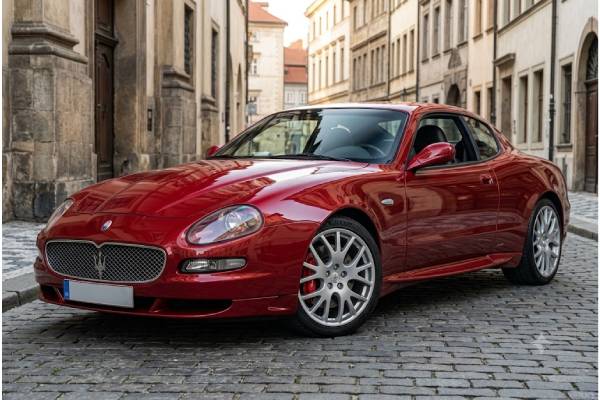
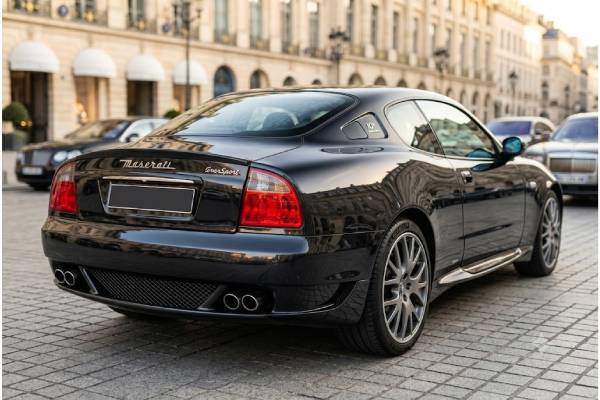
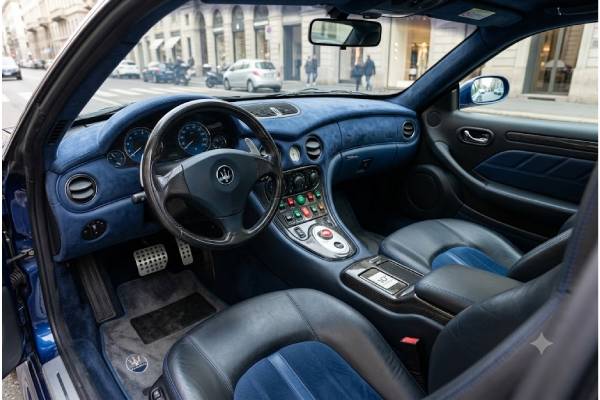
The Maserati GranSport 10th Anniversary is a Japanese-market special built to celebrate a decade of partnership between Maserati and importer Cornes. Commonly recorded as a 35-car run for 2007, it combines the standard GranSport’s 400 hp F136 RB V8 and faster Cambiocorsa transaxle with a tightly defined selection of colors, carbon-fiber trim, commemorative plaques, special sills, distinctive wheels, and Japanese-market equipment. Its rarity makes identification more difficult than with a normal GranSport because few cars are available for direct comparison and some have since been exported. Buyers must verify the VIN, Cornes or factory documentation, original color combination, anniversary details, and left-hand-drive Japanese delivery history before accepting a premium. Mechanically, the car remains an M138 GranSport, so clutch calibration, hydraulic pressure, Skyhook dampers, cooling airflow, 19-inch wheels, catalysts, and cabin electronics still determine ownership quality. A complete example is a fascinating regional collectible; an incomplete one can be expensive to return to its correct specification because its special trim is harder to source than ordinary service parts.
Table of Contents
- The Cornes Anniversary Special
- F136 RB and Chassis Specifications
- 35-Car Production and Authentication
- Japanese-Market Design Details
- GranSport Driving Experience
- Maintenance, Import, and Parts Risks
- Buying a 10th Anniversary
The Cornes Anniversary Special
The 10th Anniversary is a regional factory-supported GranSport created for Japan, not a worldwide Maserati anniversary model. Its purpose was to mark ten years of the marque’s relationship with Cornes, the prominent Japanese importer and retailer.
That context distinguishes it from Maserati’s 90th Anniversary cars and from the 180-unit MC Victory. The 10th Anniversary did not celebrate ten years of the GranSport itself, which had been introduced only in 2004. It commemorated a business partnership and was tailored to a small, sophisticated domestic market.
The base car was the final-year GranSport coupé. It already carried the developed M138 package: 400 hp naturally aspirated V8, rear Cambiocorsa transaxle, lowered Skyhook suspension, 19-inch wheels, sport seats, carbon trim, revised aerodynamic bodywork, and valve-controlled exhaust. The anniversary specification added exclusivity through color, materials, plaques, and equipment rather than more engine power.
The model is commonly described as limited to 35 left-hand-drive cars. Period and collector records generally divide production between Nero Carbonio and Bianco Eldorado, often quoted as 18 black and 17 white examples. Because the surviving documentary trail is not as widely available as the official MC Victory announcement, individual-car proof is more important than repeating those totals without qualification.
Japanese-market history adds another layer. Cars may have low mileage because of limited use, but they can also show long periods in indoor storage, humid-city exposure, or very short journeys. Exported examples require translated service records, customs and registration documents, and confirmation that odometer information remained consistent after conversion of displays or paperwork.
The car appeals to collectors who value regional editions, unusual factory color combinations, and the final development of the M138. It is less recognizable to casual buyers than an MC Victory, which can create both opportunity and risk. A genuine car may be overlooked, while an ordinary GranSport with anniversary-style parts may be described inaccurately.
Driving quality should still matter. The 10th Anniversary is not a static commemorative object; it shares the sound, steering, balance, and performance of a standard GranSport. A complete history and recent mechanical exercise are more valuable than an extremely low odometer reading unsupported by current condition.
F136 RB and Chassis Specifications
The 10th Anniversary retains the regular GranSport’s 400 hp F136 RB V8, six-speed Cambiocorsa transaxle, and lowered adaptive suspension. Its performance is therefore essentially the same as a comparable 2007 GranSport.
| Item | Specification |
|---|---|
| Model year | 2007 |
| Market | Japan, through Cornes |
| Reported production | 35 cars |
| Model code | M138 |
| Engine code | F136 RB |
| Engine | 4,244 cc naturally aspirated 90-degree V8 |
| Construction | Aluminum block and cylinder heads |
| Valve gear | DOHC, 32 valves, variable intake timing |
| Lubrication | Dry sump |
| Maximum power | 400 hp at 7,000 rpm |
| Maximum torque | Approximately 452 Nm at 4,500 rpm |
| Transmission | Six-speed Cambiocorsa electrohydraulic transaxle |
| Drivetrain | Rear-wheel drive with limited-slip differential |
| Structure | Steel monocoque with front and rear subframes |
| Suspension | Double wishbones with lowered Skyhook adaptive dampers |
| Steering | Hydraulic rack and pinion |
| Brakes | Ventilated steel discs with Brembo calipers |
| Wheels | 19-inch Trofeo-style anniversary-finish alloys |
| Tires | 235/35 ZR19 front; 265/30 ZR19 rear |
| Wheelbase | 2,660 mm |
| Length | Approximately 4,510–4,523 mm, depending on measurement convention |
| Width | Approximately 1,822–1,825 mm |
| Official GranSport weight | Approximately 1,680 kg |
| Top speed | Approximately 290 km/h |
| 0–100 km/h | Approximately 4.85 seconds |
The all-aluminum V8 is the defining mechanical component. Compared with the 390 hp F136 R in the regular Coupé, the RB specification uses breathing, calibration, and exhaust changes to deliver 400 hp. A cross-plane crankshaft gives the engine a deep note, while the power curve builds steadily to 7,000 rpm.
Dry-sump lubrication stores oil in a remote tank and scavenges it from the crankcase. The system supports reliable supply during cornering and permits low engine placement. It also creates extra hoses, connections, and a specific warm-engine level procedure that must be respected during service.
The gearbox and limited-slip differential sit at the rear. A torque tube joins the transaxle to the front engine, improving weight distribution and helping the steering feel lighter than the long bonnet suggests. Clutch and transaxle repairs require specialized labor because these components form an integrated driveline.
Cambiocorsa is an automated manual. Hydraulic pressure operates the single dry clutch and moves the gear-selection mechanism. GranSport software gives faster changes than earlier M138 cars, especially in Sport mode. It still pauses torque during each shift and slips the clutch during low-speed maneuvering.
Skyhook dampers vary their force electronically. The GranSport sits lower and uses a firmer calibration than the standard Coupé. Low-profile 19-inch tires sharpen response but make wheel damage and tire age easy to feel. A correct car should be firm, not brittle or unstable.
35-Car Production and Authentication
Authentication is the most important value question because the 10th Anniversary premium rests on a very small production run and market-specific details. The VIN, Japanese delivery records, Cornes documentation, and physical specification should all tell the same story.
The reported 35 cars were left-hand drive despite being sold in Japan. This was not unusual for prestige European cars in that market, where left-hand drive could carry status and preserve the original European configuration. A right-hand-drive car described as a factory 10th Anniversary therefore needs especially strong evidence.
The accepted color split is often listed as 18 Nero Carbonio cars and 17 Bianco Eldorado cars. Interiors are commonly described with tan, blue, black, leather, and Alcantara combinations tied to the exterior. Exact cabin configuration should be verified by build data rather than inferred from paint alone.
Expected special-edition evidence
A genuine car may include:
- A 10th Anniversary commemorative plaque on the center console.
- Anniversary-design carbon door sills.
- Blue-toned or mottled carbon-fiber trim on selected components.
- Light blue instrument faces.
- Italian tricolor badges on the front wings.
- Leather and Alcantara upholstery in edition-specific combinations.
- A leather-trimmed headlining.
- 19-inch Trofeo wheels with a bright or polished finish.
- Rear parking sensors, xenon lamps, and Japanese-market equipment.
- Cornes delivery, warranty, or service documentation.
Not every surviving description uses the same wording, and restoration can alter appearance. The task is to connect each detail to the individual VIN. A plaque can be reproduced, a wheel can be polished, and a dashboard can be retrimmed; documentation is harder to fabricate coherently across the car’s entire life.
Export records help build provenance. Japanese auction sheets, deregistration certificates, maintenance stickers, shaken inspection records, owner manuals, and service invoices can support mileage and identity. Have key documents professionally translated. Online seller summaries are not a substitute for original papers.
Check for replacement speedometer or navigation units. A conversion for another country may change radio frequencies, maps, language, or displayed units. These updates can improve usability, but the original components and recorded mileage path should be retained.
The car should also match the normal GranSport mechanically. Verify the F136 RB engine designation, Cambiocorsa equipment, lower suspension, 19-inch wheels, sport seats, carbon console, body kit, and exhaust. Anniversary trim on a standard 390 hp Coupé is not enough.
Japanese-Market Design Details
The special edition is distinguished by a coordinated color and material treatment rather than major body changes. Its most collectible parts are therefore the pieces that owners touch and see: carbon trim, sills, instruments, plaque, upholstery, wheels, and badges.
Nero Carbonio gives the body a formal, understated appearance, while Bianco Eldorado makes the GranSport’s deeper bumpers, side skirts, grille mesh, and rear lip more visible. Both colors suit the trident-spoke wheels and Italian flag accents. Inspect paint in daylight because black reveals swirl marks and white can hide mismatched repairs under artificial lighting.
The carbon treatment is often described as blue or mottled. Under strong light, the weave should show consistent color and depth. Cloudy clear coat, cracks, lifting edges, or mismatched weave can indicate age, heat exposure, or replacement parts. Decorative overlays do not equal original composite trim.
The 10th Anniversary sills and console plaque are central identifiers. Check font, spacing, attachment, surface aging, and whether surrounding trim shows signs of recent removal. Compare both sides of the car; one replacement sill may differ subtly in weave or finish.
Light blue gauges create an immediate cabin distinction. Verify even illumination, working warning lamps, correct odometer behavior, and consistent instrument history. A replaced cluster can complicate mileage verification, especially after export.
Leather and Alcantara require different care. Leather can shrink, dry, and crack, while Alcantara mats or becomes shiny where hands and clothing rub it. Edition-specific color panels, stitching, and piping should be preserved during retrimming. A beautifully retrimmed cabin in the wrong pattern may be less collectible than an honest original showing moderate wear.
The leather headlining adds luxury but is vulnerable to adhesive failure and heat. Check for sagging, bubbles, stains, and damage around roof-console fittings. Japanese indoor storage can preserve it well; humid or hot storage can accelerate separation.
Bright-finish 19-inch Trofeo wheels are visually important. Inspect the inner barrels for bends and cracks, the faces for over-polishing, and the finish for corrosion beneath lacquer. Incorrect refinishing can soften spoke edges or erase factory markings.
The underlying GranSport aerodynamics remain functional. Deeper front and rear bumpers, skirts, underbody panels, and a rear lip reduce lift and improve high-speed stability. Missing ducts or damaged undertrays can impair cooling even when the special trim looks perfect.
GranSport Driving Experience
The 10th Anniversary drives like a late GranSport: quick steering, strong high-rev performance, a firm adaptive ride, and a transmission that rewards deliberate paddle use. The special trim changes atmosphere more than acceleration.
From rest, avoid treating Cambiocorsa as a torque-converter automatic. Select first, use measured throttle, and allow the clutch to engage. Holding the car on a slope with the accelerator or creeping through long queues creates heat and shortens clutch life.
In relaxed driving, a slight throttle lift during an upshift smooths the transition. Sport mode accelerates the shift and makes the exhaust more vocal. Under hard acceleration, the interruption between gears is distinct but brief by the standards of its era.
The V8 is flexible below the torque peak and increasingly exciting above it. Immediate throttle response makes the car easy to balance through a bend. At high rpm, intake and exhaust sounds combine into the GranSport’s defining sensory feature.
Hydraulic steering communicates more detail than many later electric systems. The rear transaxle keeps the front end responsive, and the fixed roof gives the structure good torsional rigidity. A healthy car changes direction cleanly without wandering or excessive tramlining.
Low-profile tires exert a large influence. Old Japanese-market tires may show excellent tread but hardened compound. Replace them by date and condition, using a matched premium set. Incorrect tires can make the car noisy, harsh, and unpredictable.
Skyhook comfort mode suits broken pavement and long journeys. Sport reduces body movement on smooth roads. A bouncing or crashing ride suggests failed dampers, worn bushes, damaged wheels, or incorrect pressure rather than normal GranSport firmness.
The limited-slip differential provides traction when rear tires are warm and healthy. Stability control remains useful in rain, where the combination of immediate V8 torque and aged rubber can surprise an unfamiliar driver.
Steel brakes give progressive response. Check for steering shake, pedal pulsation, pulling, or fading. Cars that spent years on short urban drives may have corroded disc surfaces or sticking calipers despite low mileage.
The rear seats and boot preserve touring value. Imported navigation and radio functions may be less useful outside Japan, but climate control, seating, and luggage capacity make the car suitable for long trips once baseline maintenance is complete.
Maintenance, Import, and Parts Risks
The special edition’s mechanical needs are familiar GranSport concerns, while its import history and unique trim add documentation and parts risks. A buyer should separate ordinary service items from anniversary components that may be difficult or impossible to source.
Cambiocorsa clutch and hydraulics
A specialist diagnostic report should record clutch wear estimates, engagement and closed positions, hydraulic pressure, pump cycle behavior, actuator faults, and adaptation data. The wear percentage is calculated, not measured directly, so poor calibration can make the number misleading.
Frequent pump operation can indicate a weak accumulator or pressure leak. Slow gear selection, blinking displays, harsh first engagement, inconsistent reverse, or neutral appearing unexpectedly require diagnosis. Battery voltage must be stable because low voltage can disrupt hydraulic and control behavior.
Clutch replacement should include the release bearing, flywheel inspection, seals, mounts, and related wear items, followed by accurate electronic setup. Japanese city use can consume more clutch than the low odometer suggests because parking and congestion require repeated slip.
Engine, cooling, and emissions
Inspect cam covers, front covers, dry-sump hoses, oil reservoir connections, and undertrays for leaks. Verify the proper warm oil-level procedure. Regular time-based oil service matters even when annual mileage is minimal.
Radiators and condensers collect debris and corrosion. Test cooling fans, relays, thermostat, expansion tank, cap, and hoses while the car idles with air conditioning. Exported cars may move into hotter climates than their previous use, exposing marginal cooling capacity.
Ignition coils, plugs, oxygen sensors, air leaks, and catalysts can produce warning lamps. Confirm whether emissions hardware complies with the destination market. A recently cleared code may leave incomplete readiness monitors, which should be identified before registration testing.
Suspension, electronics, and unique trim
Inspect Skyhook dampers for leakage and faults. Check control-arm ball joints and bushes, tie rods, anti-roll-bar links, wheel bearings, brake hoses, and subframes. Japanese roads may preserve the chassis well, but age and storage still affect rubber and seals.
Verify wheel straightness and tire date codes. A polished anniversary wheel can hide previous repair. Replacement wheels should have correct dimensions and offset; generic alternatives change both appearance and steering behavior.
Cabin electronics may need language or frequency adaptation. Avoid cutting the factory harness for a new navigation unit. Retain the Japanese equipment, manuals, and removed components. Test windows, seat motors, climate control, alarm, parking sensors, lighting, and every warning lamp.
Special sills, gauges, blue carbon, plaque, upholstery, and headlining should be repaired conservatively. Before refinishing, document the original colors, weave, stitching, and markings. A skilled restoration that preserves evidence is preferable to generic replacement.
Time-based maintenance should include brake fluid, coolant, gearbox and differential oils, power-steering fluid, filters, belts, hoses, battery assessment, and tire replacement. A low-mileage import often needs a complete baseline service before regular driving.
Buying a 10th Anniversary
Buy the car only after proving both its anniversary identity and its normal GranSport health. The special edition premium should attach to documentation, correct components, and coherent condition—not to a seller’s label.
Request the VIN, Japanese registration or deregistration certificate, Cornes paperwork, service history, auction sheet, export documents, and photographs of all edition details. Translate key records and compare mileage entries across dates.
A comprehensive pre-purchase inspection should cover:
- Factory or historical confirmation of the VIN, paint, trim, and anniversary specification.
- Close comparison of plaque, sills, gauges, carbon, upholstery, wheels, and badges.
- Cold start, hot restart, engine scan, and dry-sump leak inspection.
- Cambiocorsa clutch, pump, pressure, actuator, and calibration analysis.
- Cooling performance in traffic and after sustained load.
- Lift inspection of Skyhook dampers, joints, brakes, wheels, tires, exhaust, and underside.
- Paint-depth readings and checks for repaired bumpers, skirts, rear lip, and structure.
- Complete operation of Japanese-market electronics, climate, seats, lights, alarm, and parking sensors.
Drive the car until all fluids are hot. Test slow take-up, reverse, normal and Sport shifts, full-throttle rolling acceleration, braking, rough surfaces, and motorway stability where legal. A brief drive around a storage facility is not enough.
Budget for two categories. Ordinary recommissioning may include fluids, battery, tires, alignment, dampers, clutch work, cooling components, catalysts, and sticky-control restoration. Special-edition restoration may involve custom carbon repair, wheel refinishing, upholstery matching, or sourcing missing plaques and sills.
Do not discard Japanese paperwork or original electronics after export. These items form part of provenance. Make usability changes reversible and photograph everything before alteration. Keep removed parts with the car.
The ideal 10th Anniversary is complete rather than perfect: factory identity, original special components, a traceable Japanese history, and recent mechanical care. Such a car offers the standard GranSport’s compact, high-revving character with a regional story that only 35 owners could originally share.
References
- GranSport, GranSport Spyder – Gran Turismo models | Maserati (Maserati Classic)
- 2007 MASERATI GRANSPORT 10TH ANNIVERSARY 2007
- Maserati GranSport 10th Anniversary • EFJ Co., LTD 2007
- Receive the Certification of Authenticity for your car | Maserati (Maserati Classiche)
Disclaimer
This article is for informational purposes and does not replace professional inspection, diagnosis, or repair. Specifications, torque values, service intervals, procedures, and equipment vary by VIN, production date, and market; verify all details against the official service documentation for the individual vehicle. Please share this article on Facebook, X/Twitter, or your preferred automotive community if it was useful.