
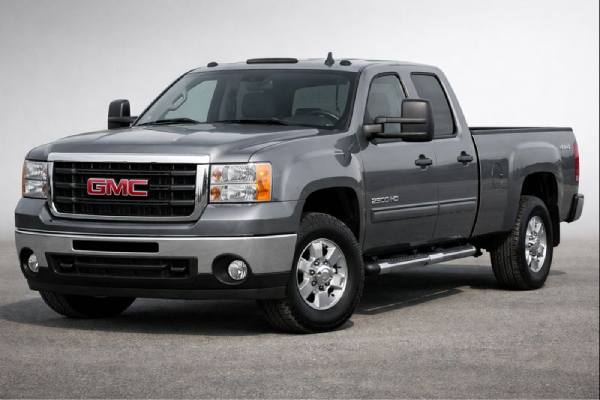
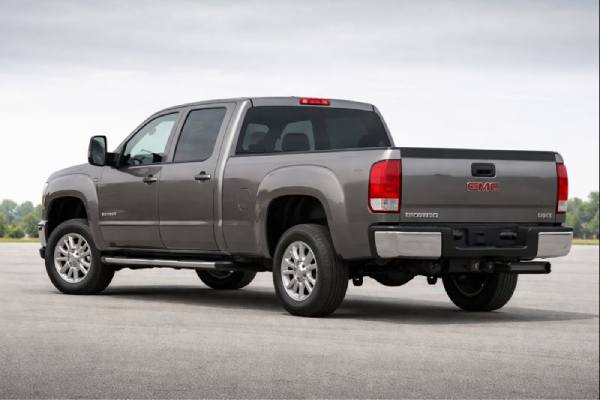
The GMT900-era GMC Sierra HD with the LY6 6.0L gasoline V8 is a very specific kind of heavy-duty truck: simple, torque-forward, and built around a stout ladder frame meant to live under payload and tow loads for years. In RWD form, it skips the extra complexity and rotating mass of a front driveline, which can help with steering feel, front-end wear, and service access—especially on work trucks that spend their lives on pavement. The 6.0L LY6’s strength is not peak power; it is consistent output, predictable cooling behavior when maintained, and parts availability across GM’s truck lineup.
Ownership is mostly about choosing the right configuration (cab, bed, axle ratio, and brakes) and then keeping fluids and front-end wear items ahead of the curve. Do that, and this Sierra HD tends to reward you with stable towing manners, straightforward repairs, and long-term usability.
Owner Snapshot
- Strong low-to-midrange pull for towing and hauling, with widely available parts and service know-how.
- RWD simplicity reduces drivetrain complexity and can lower front driveline maintenance versus 4WD.
- Best durability comes from staying on top of fluids and front suspension steering wear items.
- Watch for rust in salt climates and aging electrical components on higher-mile trucks.
- Change engine oil every 8,000–10,000 km (5,000–6,000 mi) or 12 months (sooner for frequent towing).
Jump to sections
- What this GMT900 HD is
- LY6 specs and capacity tables
- Configurations, options, and safety gear
- Common faults, recalls, and fixes
- Maintenance plan and buying checklist
- Driving feel and real-world economy
- How it stacks up against rivals
What this GMT900 HD is
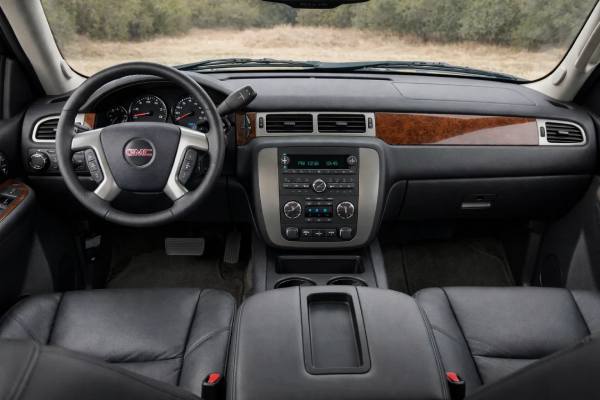
Think of the 2007–2010 Sierra HD RWD with the LY6 as “traditional heavy-duty done the modern GM way.” The GMT900 platform brought a stiffer-feeling body, improved cabin ergonomics, and a more refined on-road posture than the older GMT800, while keeping the core HD priorities intact: a heavy ladder frame, robust rear suspension, large brakes, and cooling capacity intended for sustained load.
In the HD lineup, the 6.0L gas V8 sits below the Duramax diesel in towing muscle, but it has two practical advantages: it warms up faster in cold weather and it tends to be more forgiving of short-trip duty cycles—provided you keep oil changes honest and address small leaks early. For fleets and private owners, that translates into fewer “diesel-specific” costs (injector system sensitivity, high-pressure fuel system wear, emissions hardware on later models) and simpler diagnostics with basic scan tools.
RWD also matters more than many buyers expect. Without a front differential, transfer case, front driveshaft, and CV joints, the truck has fewer rotating parts to service and fewer seals to leak. On pavement, especially unloaded, it can feel slightly more direct and consistent through the wheel. The trade-off is traction: on slick ramps, muddy worksites, snow, or steep gravel grades, a RWD HD relies heavily on tire choice and weight management. If your use is mostly road towing, construction deliveries, or municipal duty on maintained surfaces, RWD can be the “quietly smarter” choice.
Most long-term satisfaction comes down to configuration. Cab and bed length change wheelbase and stability; axle ratio changes how often the transmission downshifts; and payload ratings can vary dramatically between a regular cab long bed and a crew cab with more equipment. Treat the truck like a set of building blocks. Buy the axle ratio and brake package that match your trailer and terrain, then maintain it like the commercial tool it is.
LY6 specs and capacity tables
Below are the core specs you need for maintenance planning and comparing configurations. Values can vary by cab, bed, axle ratio, emissions family, and GVWR package—so use them as a decision guide and verify against your RPO codes and service information for your VIN.
Engine and performance
| Item | Specification (typical for LY6 HD applications) |
|---|---|
| Code | LY6 |
| Engine layout and cylinders | V8, OHV (pushrod), 2 valves/cyl |
| Displacement | 6.0 L (5,967 cc) |
| Bore × stroke | 101.6 × 92.0 mm (4.00 × 3.62 in) |
| Induction | Naturally aspirated |
| Fuel system | Port injection (PFI) |
| Compression ratio | ~9.6:1 (varies by calibration) |
| Max power | 353 hp (263 kW) @ ~5,400 rpm |
| Max torque | ~519 Nm (383 lb-ft) @ ~4,200 rpm |
| Timing drive | Chain |
| Emissions standard | EPA OBD-II era (calibration and certification vary) |
| Rated efficiency | Many HD models are not EPA window-sticker rated (GVWR-dependent); real-world use varies heavily with load |
Transmission and driveline
| Item | Specification (typical) |
|---|---|
| Transmission | 6-speed automatic (commonly 6L90 family in HD gas trucks) |
| Drive type | RWD |
| Common axle ratios | 3.73 or 4.10 (varies by tow package and GVWR) |
| Differential | Open or locking unit depending on option (often identified by RPO codes) |
Chassis, dimensions, and weights
Because the Sierra HD came in multiple wheelbases and bodies, the best way to present dimensions is as ranges.
| Item | Typical range (varies by cab and bed) |
|---|---|
| Suspension (front/rear) | Independent front; rear leaf springs |
| Brakes | 4-wheel disc (HD-spec calipers and rotors) |
| Wheelbase | ~3,600–4,200 mm (142–167 in) |
| Length | ~5,700–6,600 mm (224–260 in) |
| Width | ~2,030 mm (80 in) (excluding mirrors) |
| Curb weight | ~2,700–3,300 kg (5,950–7,275 lb) |
| GVWR | Commonly ~4,100–5,200 kg (9,000–11,500 lb) depending on 2500/3500 and equipment |
Performance and capability
| Metric | What to expect (typical, configuration-dependent) |
|---|---|
| 0–100 km/h (0–62 mph) | ~9–11 s unloaded (cab and axle ratio matter) |
| Towing capacity | Wide spread; often ~5,500–6,500 kg (12,000–14,300 lb) when properly equipped |
| Payload | Commonly ~1,200–2,000 kg (2,650–4,400 lb) depending on GVWR and body |
Fluids and service capacities
Use these as planning numbers; always confirm exact capacities for your VIN, oil pan, and cooler routing.
| System | Spec (typical) |
|---|---|
| Engine oil | GM-approved spec; common viscosities 5W-30 (temperature-dependent); ~5.7 L (6.0 qt) with filter |
| Coolant | Dex-Cool type coolant; 50/50 mix; ~15 L (16 qt) class capacity (varies) |
| Automatic transmission fluid | Dexron-family fluid; total and service fill vary by cooler and pan |
| Rear differential | Gear oil 75W-90 (or as specified); capacity varies by axle |
| A/C refrigerant | Typically R-134a era; charge varies by HVAC system |
Electrical and ignition
| Item | Typical |
|---|---|
| Alternator | Output varies by option package |
| 12V battery | Heavy-duty group size varies; higher CCA common on tow and cold-weather packages |
| Spark plugs | Long-life plugs; gap and part number depend on calibration and model year |
Safety and driver assistance
On these years, “safety tech” is mostly about strong fundamentals rather than modern ADAS.
| Category | Typical equipment |
|---|---|
| Braking and stability | ABS; stability and traction features depend on year and trim |
| Airbags | Front airbags standard; side and curtain coverage varies by cab and trim |
| ADAS | Generally no AEB or lane-keeping in this era; some trucks offer rear park assist and trailer brake integration |
Configurations, options, and safety gear
For shopping and ownership, the GMT900 Sierra HD is best understood as a menu: body style, axle ratio, tow hardware, and interior equipment are what change the experience—not small badge differences.
Trims and practical identifiers
Most Sierra HD trucks in this period cluster into three common trims:
- WT (Work Truck): Vinyl-friendly interiors, fewer power features, and often the simplest electrical layout. These can be excellent long-term keepers if rust is controlled and the truck was not overloaded daily.
- SLE: The “sweet spot” for many buyers—more comfort and convenience without every premium module.
- SLT: Leather and upgraded interior equipment are more common, plus more options like steering-wheel controls and upgraded audio.
A fast way to verify what you are actually looking at is the RPO code label (commonly in the glovebox). That label tells you the engine code, axle ratio family, locking differential presence, and trailering content far more reliably than seller descriptions.
Cab, bed, and towing equipment
- Regular cab, long bed configurations often deliver the highest payload and the most “work-truck stable” feel under load.
- Extended and crew cabs add daily comfort and passenger space but reduce payload once curb weight climbs.
- Tow packages can include integrated trailer brake control, higher-capacity cooling, wiring provisions, and different mirrors. The truck can look similar without them—so verify.
Axle ratio selection is a real-world difference-maker. With a heavier trailer, a 4.10-type ratio typically reduces hunting between gears and keeps transmission temperatures happier on grades. A 3.73-type ratio can be a better highway match when you tow moderately and drive unloaded often.
Safety ratings and what they mean here
Many heavy-duty pickups were not tested in every configuration by every rating body, and test protocols changed over time. That means you will often see “not rated” or incomplete results depending on cab and GVWR class. In practice, safety on these trucks is driven by:
- Tire condition and brake health (HD trucks punish neglected brakes).
- Stability under load (weight distribution and hitch setup).
- Seat belt and child-seat fit (crew cab generally offers the best LATCH usability).
Driver assistance reality check
If you are coming from a newer truck, set expectations correctly: you are buying strong mechanical fundamentals, not modern driver assistance. Optional rear parking sensors and mirrors help, but there is typically no automatic emergency braking or adaptive cruise in this generation.
Common faults, recalls, and fixes
A well-kept Sierra HD gas truck can be dependable, but age and duty cycle create predictable patterns. The most useful way to think about issues is by how often they occur and how expensive they are when they do.
Common and usually low-to-medium cost
- Front-end wear (common, medium):
Symptoms: steering play, wandering, clunks over bumps, uneven tire wear.
Likely causes: idler and pitman arm wear, tie-rod ends, ball joints, alignment drift from heavy loads.
Remedy: renew worn joints in sets, align after repairs, and use load-range-correct tires with proper inflation. - Exhaust manifold leaks (common, medium):
Symptoms: ticking on cold start, faint exhaust smell near wheel well.
Likely cause: manifold bolt fatigue or flange warping with heat cycles.
Remedy: repair hardware properly (not just “tighten”), check for broken fasteners, and inspect nearby wiring for heat damage. - EVAP and fuel vapor system faults (common, low):
Symptoms: check-engine light, fuel odor, difficult refueling.
Likely causes: purge or vent solenoid wear, cracked hoses, charcoal canister saturation.
Remedy: smoke test and replace the failed component rather than guessing.
Occasional but can become expensive
- Automatic transmission behavior (occasional, high if ignored):
Symptoms: flare on upshifts, harsh engagement, delayed downshifts under load, overheating when towing.
Likely causes: fluid breakdown, valve-body wear, cooler restriction, or torque converter issues.
Remedy: verify fluid condition and temperature management first; address cooling and service intervals early to avoid full rebuild costs. - Cooling system aging (occasional, medium):
Symptoms: slow coolant loss, higher temps on grades, heater performance changes.
Likely causes: radiator seam seepage, water pump seep, degraded hoses, old coolant losing corrosion protection.
Remedy: pressure-test, replace weak components proactively, and refresh coolant on time.
Rare but high consequence
- Rust-driven failures (rare-to-common by region, high):
In salt states and coastal climates, frame scaling, brake line corrosion, and body seam rust can become the deciding factor.
Remedy: inspect brake lines, crossmembers, cab mounts, and rocker seams carefully. Treat rust prevention as maintenance, not cosmetics.
Recalls and service actions: how to approach them
These trucks have seen multi-year recall campaigns that can apply long after initial sale (airbag inflators are a common example across many makes). The practical approach is:
- Run a VIN-based recall lookup and save the results.
- Confirm completed work with dealer records when possible.
- Treat “open recall” status as a negotiation point—then get it fixed immediately after purchase.
The key is not memorizing recall numbers; it is verifying your specific VIN’s status and acting on it.
Maintenance plan and buying checklist
A Sierra HD that tows or hauls regularly should be maintained more like light commercial equipment than a typical family vehicle. The goal is to keep fluids fresh, heat under control, and wear items replaced before they damage more expensive components.
Practical maintenance schedule
| Item | Normal use | Severe use (towing, heavy city, plow, extreme heat) |
|---|---|---|
| Engine oil and filter | 12 months or 10,000–12,000 km (6,000–7,500 mi) | 8,000–10,000 km (5,000–6,000 mi) |
| Engine air filter | Inspect every oil change; replace as needed | Replace more often in dust |
| Cabin air filter (if equipped) | 12–24 months | 12 months |
| Coolant | ~5 years (verify coolant type and interval) | Shorten if overheating history |
| Spark plugs | ~160,000 km (100,000 mi) typical long-life interval | Inspect earlier if misfire or heavy idle time |
| Automatic transmission fluid | Service by duty (verify spec) | Shorter intervals; prioritize temperature control |
| Rear differential fluid | ~80,000–160,000 km (50,000–100,000 mi) depending on duty | ~80,000 km (50,000 mi) |
| Brake fluid | Every 2 years | Every 2 years |
| Brake pads and rotors | Inspect every tire rotation | Inspect more often |
| Tires rotation and alignment | 10,000–12,000 km (6,000–7,500 mi) | Same, plus more frequent alignment checks |
| Serpentine belt and hoses | Inspect annually | Inspect at each oil change |
| 12V battery test | Annually after year 3 | Annually after year 3 |
Fluid specs and “decision-level” torque values
- Wheel lug nuts: commonly around 190 Nm (140 lb-ft) on HD trucks (verify your wheel and stud size).
- Oil choice: prioritize the correct spec and change interval over chasing a brand name; towing heat is the enemy.
- Transmission cooling: if you tow, make sure the cooler path is clean and intact; overheating shortens transmission life fast.
Buyer’s inspection checklist (high value items)
- Rust and structure: brake lines, frame rails, crossmembers, cab corners, rocker seams, bed supports.
- Cooling system: pressure test, radiator condition, fan operation, and evidence of past overheating.
- Transmission under load: smooth shifts when warm, no flare, no burnt smell, stable temps on a test drive.
- Front end: check for play in steering components; look at tire wear patterns and alignment history.
- Rear axle: listen for whine on steady throttle and decel; inspect for pinion and cover leaks.
- Electrical: windows, locks, cluster illumination, charging voltage under load, trailer plug function.
Which setups tend to age best
- Trucks with documented fluid services, especially transmission and differential work, tend to be far better long-term buys than “low miles, unknown history.”
- For frequent towing, prioritize the right axle ratio and cooling over luxury trim. The truck will feel calmer and live longer.
Driving feel and real-world economy
For a heavy-duty truck, the GMT900 Sierra HD can feel surprisingly composed—especially in RWD form where steering and driveline behavior stay consistent. Unloaded, expect a firm ride at low speeds because the suspension is designed around payload. Add weight in the bed or hook up a trailer and the chassis settles into its intended working posture, improving ride control and straight-line stability.
Powertrain character
The LY6 6.0L is happiest when you let it rev a bit under load. It makes useful torque off idle, but its real working strength comes from steady midrange pull and predictable throttle response. On grades, it will downshift and hold revs rather than lugging—normal behavior for a gas HD truck. When properly matched with the axle ratio, it feels decisive; mismatched, it can feel “busy,” hunting between gears when towing at highway speeds.
Steering, braking, and NVH
- Steering: typically light-to-moderate effort with good on-center stability when the front end is tight. Any wander is often wear, not “just how they are.”
- Brakes: strong when maintained, but heavy-duty trucks demand regular inspections because pad wear and rotor heat cycles add up quickly.
- Noise: wind and tire noise rise with aggressive load-range tires. Drivetrain noise is usually low unless u-joints or axle bearings are aging.
Real-world fuel use (what owners usually see)
Many HD configurations are not marketed with official window-sticker economy numbers, and your result depends heavily on gearing, tire choice, speed, and load. As realistic planning ranges:
- Mixed driving: ~17–20 L/100 km (12–14 mpg US)
- Highway, unloaded at moderate speeds: ~14–16 L/100 km (15–17 mpg US)
- Towing: often 30–60% higher fuel use than unloaded, depending on trailer weight, speed, wind, and terrain.
Cold weather and short trips hit gasoline HD trucks hard because warm-up losses and rolling resistance become a larger share of total energy use. If your duty cycle is mostly short trips with occasional towing, tighter oil intervals and clean air filtration do more for longevity than chasing small economy gains.
How it stacks up against rivals
In the 2007–2010 heavy-duty market, the Sierra HD gas V8 competes less on headline towing numbers and more on total ownership shape: purchase cost, service complexity, and how it behaves when used as a daily tool.
Versus Ford Super Duty gas (V10 and later gas V8 options)
Ford’s gas HD trucks of the era can deliver strong work capability, and the big-displacement V10 variants in particular are comfortable pulling at higher rpm. The Sierra’s advantage is often parts commonality across GM trucks and a broad service ecosystem. The Ford may feel equally capable; the GM often feels simpler to keep consistent if you already live in the GM truck world.
Versus Ram HD gas (Hemi era)
Ram’s gas HD offerings can feel lively unloaded and can be strong for moderate towing. The Sierra HD’s edge is typically in cooling capacity, steady towing posture, and configuration depth (cab, bed, axle, and GVWR permutations). If your use is frequent towing in hot weather or long grades, the “whole package” matters more than a peak number.
Versus the Duramax diesel option inside GM’s lineup
If you tow heavy, often, and in mountains, a diesel’s low-rpm torque and engine braking can be worth it. But the gas LY6 can be the better decision when:
- You do many short trips or long idle time.
- Your trailer is moderate most of the year, heavy only occasionally.
- You want lower system complexity and easier do-it-yourself service.
Bottom-line fit
Choose the LY6 Sierra HD RWD when you want a heavy-duty chassis with a straightforward gasoline powertrain, and your traction needs do not demand 4WD. Set it up correctly, keep fluids and front-end wear items under control, and it remains one of the more rational “work-first” HD ownership plays of its time.
References
- Vehicle Detail Search – 2009 GMC SIERRA 2500 | NHTSA 2009 (Recall Database)
- Vehicle Detail Search – 2010 GMC SIERRA 2500 | NHTSA 2010 (Recall Database)
- Manuals and Guides | Vehicle Support 2025 (Owner’s Manual Portal)
- GM Recall Information | GMC account 2025 (Recall Lookup)
- GM Owner Manuals 2008 (Owner’s Manual)
Disclaimer
This article is for informational purposes only and is not a substitute for professional inspection, diagnosis, or repair. Specifications, torque values, capacities, service intervals, and procedures vary by VIN, market, and equipment; always verify details using official documentation for your specific vehicle and follow manufacturer service instructions.
If you found this guide useful, consider sharing it on Facebook, X, or your favorite forum to help others maintain and buy these trucks more confidently.