
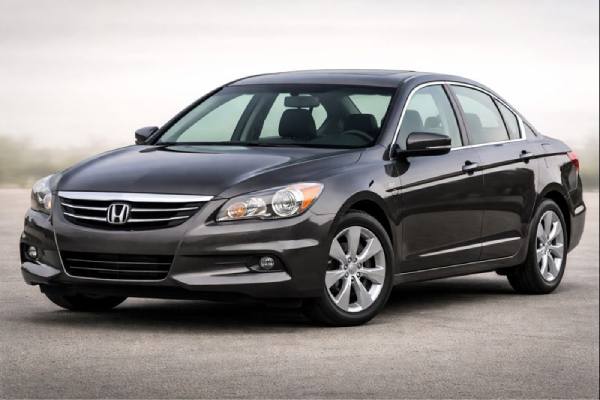
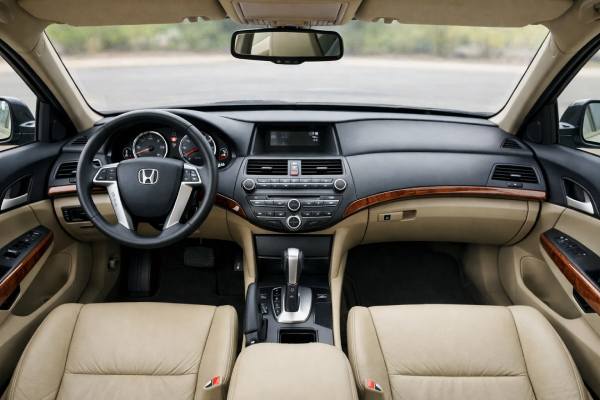
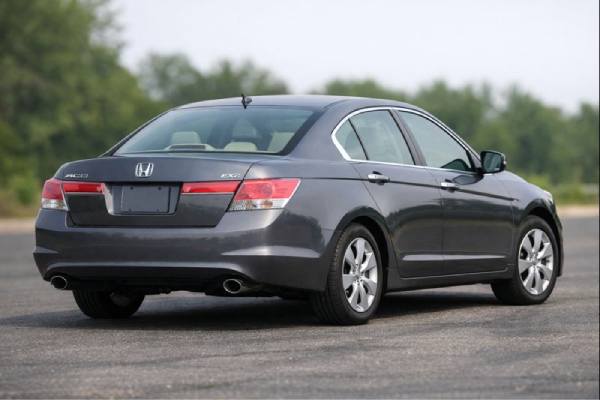
Honda’s Accord (CP2) with the K24Z2 2.4-liter i-VTEC is a “do-most-things-well” family car built around simple, durable engineering. The 177 hp output is not about fireworks; it’s about smooth, usable power, predictable throttle response, and long-term ownership with fewer surprises than many turbocharged rivals of the era. Underneath, you get a stable chassis with comfortable damping and confident highway manners, plus a drivetrain that rewards routine fluid service more than heroic repairs.
Where this Accord earns its reputation is balance: roomy seating, solid crash structure for its time, and a powertrain that typically ages gracefully if you stay on top of oil quality and cooling-system health. The main ownership story is not “what breaks,” but “what you prevent” with smart maintenance and a careful pre-purchase inspection.
Owner Snapshot
- Smooth, naturally aspirated power delivery that stays consistent in daily driving.
- Stable highway ride and predictable handling, even on imperfect roads.
- Good long-term value when service history is documented and fluids were not neglected.
- Watch for oil-consumption symptoms and cold-start timing noise on higher-mileage cars.
- Plan engine-oil service about every 8,000–10,000 km (5,000–6,000 mi) or 6–12 months, depending on use.
What’s inside
- CP2 Accord 2.4 ownership profile
- K24Z2 specs, dimensions, and capacities
- Trims, options, and safety equipment
- Reliability hotspots and recalls
- Maintenance plan and buying checklist
- Driving feel and real-world economy
- How it stacks up to rivals
CP2 Accord 2.4 ownership profile
Think of the 2007–2012 Accord CP2 2.4 as a “low-drama” midsize: it doesn’t chase peak torque numbers, but it rarely feels stressed. The K24Z2’s naturally aspirated character is the key trait—linear acceleration, no turbo lag, and consistent response in hot weather, altitude, or short trips. For owners who keep cars a long time, that predictability matters as much as horsepower.
In day-to-day use, the strengths show up in the boring places: easy cold starts, stable idle, and a drivetrain that tolerates normal commuting without constant babysitting. The chassis tuning leans toward composure rather than sharpness. Steering is typically light-to-moderate in effort, the car tracks straight at motorway speeds, and the suspension takes broken pavement without constant harsh impacts. It’s not a sports sedan, but it avoids the “floaty” feel of some comfort-focused rivals from the same era.
This Accord also tends to be an honest used-car purchase because its common issues usually give clues. A tired engine mount, a slightly noisy front suspension link, or a slow door lock actuator often shows itself during a test drive. That’s a practical advantage: you can diagnose a lot before you buy, and repairs are usually straightforward for an experienced shop.
What it’s best for:
- Family commuting and mixed driving where smoothness matters more than punch.
- Highway mileage thanks to stable tracking and relaxed engine behavior.
- Budget-conscious long-term ownership if you insist on fluids and inspections on schedule.
What it’s not:
- A “set-and-forget” car if the previous owner ignored oil changes or ran it low.
- A great pick if you expect modern driver-assistance features; most equipment is older-generation or absent depending on trim and market.
K24Z2 specs, dimensions, and capacities
Below are the core technical details owners actually use—what’s under the hood, what it weighs, and what you’ll service. Exact figures can vary by VIN, market, body style, wheel size, and transmission, so treat these as typical ranges for the K24Z2-equipped 2.4.
Engine and performance
| Item | Spec |
|---|---|
| Code | K24Z2 |
| Layout | Inline-4, DOHC, i-VTEC (variable valve timing and lift) |
| Displacement | 2.4 L (2,354 cc) |
| Induction | Naturally aspirated |
| Fuel system | PFI (port fuel injection) |
| Max power | 177 hp (132 kW) @ ~6,500 rpm (typical) |
| Max torque | ~220 Nm (162 lb-ft) @ ~4,300 rpm (typical) |
| Timing drive | Chain |
| Recommended fuel | Unleaded gasoline (octane requirement varies by market) |
Transmission and driveline
| Item | Spec |
|---|---|
| Drive type | FWD |
| Transmissions | 5-speed manual or 5-speed automatic (varies by market/trim) |
| Differential | Open (typical) |
Chassis and dimensions (typical midsize Accord footprint)
| Item | Spec |
|---|---|
| Front suspension | MacPherson strut (typical for this generation) |
| Rear suspension | Multi-link / control-link design (typical) |
| Brakes | 4-wheel discs (ABS standard on most trims) |
| Wheelbase | ~2,800 mm (110.2 in) (varies by body) |
| Length | ~4,850–4,950 mm (191–195 in) (varies by body) |
| Width | ~1,845–1,850 mm (72.6–72.8 in) |
| Height | ~1,430–1,475 mm (56–58 in) (varies by body) |
| Kerb weight | ~1,450–1,600 kg (3,200–3,530 lb), equipment dependent |
| Fuel tank | ~65–70 L (17–18.5 US gal), market dependent |
Performance and capability (what to expect)
| Metric | Typical result |
|---|---|
| 0–100 km/h (0–62 mph) | ~9.0–10.5 s (transmission and body dependent) |
| Top speed | ~200–210 km/h (124–130 mph), market dependent |
| Towing | Often limited or modest; verify by VIN/market rating |
Fluids and service capacities (common owner touchpoints)
| Fluid | Specification (typical) | Capacity (approx.) |
|---|---|---|
| Engine oil | 0W-20 or 5W-20 (market dependent) | ~4.0 L without filter / ~4.2 L with filter |
| Coolant | Honda-type long-life coolant (50/50 premix typical) | ~7–8 L (system), varies by configuration |
| Automatic transmission | Honda ATF (DW-1 on many models) | Service drain-and-fill is partial; full capacity varies |
| Manual transmission | Honda MTF (market dependent) | ~2 L class (varies) |
| Brake fluid | DOT 3 / DOT 4 (market dependent) | As needed for flush |
Electrical and ignition basics
| Item | Typical spec |
|---|---|
| 12V battery | Group/size varies; common replacement window 4–6 years |
| Spark plugs | Long-life plugs; replacement commonly around 160,000 km (100,000 mi) depending on schedule and conditions |
Safety and driver assistance (spec-level snapshot)
| Item | Notes |
|---|---|
| Airbags | Front, side, and side-curtain common; exact count varies by trim/market |
| Stability control | Common on many trims/markets, verify by year |
| ADAS | Generally limited compared with modern cars; trim- and market-dependent |
If you want the “most accurate” numbers for your exact car—fluids, tire pressures, and specific equipment—the owner’s manual and VIN-based databases are the final word.
Trims, options, and safety equipment
Because the Accord was sold across multiple markets in these years, “trim names” can be misleading. Two cars both labeled “2.4” can differ in wheels, brake sizing, airbags, lighting, and even transmission availability. When buying or servicing, it’s more useful to identify the car by body style, transmission, wheel size, and key comfort packages than by badge alone.
Trims and options that matter mechanically
Options that can change ownership cost or feel:
- Wheel and tire packages: Larger wheels improve steering response but can increase tire cost and road noise. They also make bent rims and suspension knocks more noticeable on rough roads.
- Automatic vs manual: The automatic is convenient, but its long-term health is strongly tied to fluid service. A manual typically has lower long-term risk if the clutch was not abused.
- Audio and infotainment tiers: Higher trims often add premium audio and navigation. Repairs can be costlier, and outdated navigation units may not be worth fixing unless you want originality.
- Climate and seating upgrades: Heated leather, power seats, and dual-zone climate add comfort but also add more motors, switches, and sensors that can age.
Quick identifiers during inspection:
- Look for VSA/ESC indicators on the dash at key-on (stability control presence).
- Confirm side-curtain airbags (labels near the A-pillar/roofline area often indicate curtain airbags).
- Check headlight type and lens condition; lighting performance and replacement costs differ.
Safety ratings in real terms
This generation of Accord performed strongly in major tests for its time, but you must match the exact body style and year to the rating:
- IIHS (U.S.) results commonly show strong performance in the original moderate-overlap and side tests for the sedan configuration, with roof strength and head restraints also rated.
- NHTSA (U.S.) star ratings typically show high scores in key categories for many model years.
Important nuance: ratings can differ between sedan and coupe, and they can also differ depending on whether stability control is standard or optional in your market.
Safety systems you’ll actually live with
Core systems (typical on many examples):
- ABS for controlled stopping on slippery roads.
- Electronic stability control to help prevent loss of control during abrupt maneuvers.
- Front, side, and curtain airbags to improve occupant protection in common crash types.
- ISOFIX/LATCH child-seat anchors (presence and layout depend on market; verify physically).
If you’re buying this Accord as a family car today, don’t just rely on ratings—test the seat belts, check child-seat anchor access, and confirm that the airbag and ABS lights behave correctly at start-up (bulb check, then off).
Reliability hotspots and recalls
The K24Z2 Accord’s reliability reputation is earned, but it’s not “invincible.” Most expensive outcomes happen when small problems are ignored—especially low oil level, overdue fluids, or overheating. A good way to think about issues is by prevalence (how often) and cost tier (how painful).
Common issues (plan for these)
Oil consumption or low-oil operation (Medium–High cost if ignored)
- Symptoms: Oil level dropping between services, blue smoke on start-up, rough running if very low.
- Likely causes: Wear over time, PCV system issues, extended oil-change intervals, or frequent short trips.
- Remedy: Track oil level every 1,000–1,500 km, fix leaks, replace PCV valve if needed, and shorten service intervals if consumption is present.
Cold-start timing noise / rattle (Medium cost)
- Symptoms: Brief rattle at cold start, especially after the car sits overnight.
- Likely causes: Timing/VTC actuator behavior, oil viscosity issues, or wear in related components.
- Remedy: Use the correct oil grade and quality, verify oil level, and investigate persistent or worsening noise early.
Automatic transmission shift quality changes (Medium cost)
- Symptoms: Harsh shifts, hesitation, or torque-converter shudder at steady speeds.
- Likely causes: Aged ATF, neglected drain-and-fill intervals, adaptation issues.
- Remedy: Correct Honda-spec ATF service (often multiple drain-and-fills spaced over time), plus diagnosis for any stored fault codes.
Front suspension wear (Low–Medium cost)
- Symptoms: Clunks over bumps, vague steering, uneven tire wear.
- Likely causes: Sway bar links, control arm bushings, ball joints, strut mounts.
- Remedy: Replace worn components in pairs where appropriate and do alignment after suspension work.
Occasional issues (inspect carefully)
- A/C performance loss: condenser leaks, compressor clutch issues, or aging seals.
- Door lock actuators and window regulators: slow operation, intermittent function.
- Engine mounts: vibration at idle or when shifting from Park to Drive.
Rare but high-impact risks
- Overheating events: one severe overheat can turn a great engine into a costly head-gasket or warpage problem. If the temperature gauge ever climbed, treat it as a major history item.
- Electrical “mystery” faults: usually traceable to weak battery, poor grounds, or water intrusion, but diagnosis time can add up.
Recalls, service bulletins, and how to verify
For this era of vehicles, recalls may include items like airbag inflators, brake or fuel system concerns, and other safety-related repairs depending on market and production date. The practical approach:
- Run the VIN in an official recall database.
- Confirm completion with dealer records (not just a verbal “it was done”).
- During inspection, check for warning lights and look for evidence of correct airbag and seat-belt function.
If you’re buying privately, a clean recall record and consistent service history are worth real money on this generation.
Maintenance plan and buying checklist
A K24Z2 Accord that lasts is almost always a car that got fluids on time and never ran hot. Use the schedule below as a practical baseline; adjust for severe use (short trips, heavy traffic, extreme heat/cold, dusty roads).
Practical maintenance schedule (distance/time)
| Item | Normal use | Severe use |
|---|---|---|
| Engine oil and filter | 10,000–12,000 km or 12 months | 8,000–10,000 km or 6 months |
| Engine air filter | 30,000 km | 20,000–25,000 km |
| Cabin air filter | 24,000–30,000 km | 20,000–25,000 km |
| Coolant | 5 years / ~160,000 km first, then every 3 years / ~80,000 km (typical long-life practice) | Shorten if harsh climate or prior mixing/contamination |
| Spark plugs | ~160,000 km (100,000 mi) | Inspect earlier if misfire symptoms |
| Brake fluid | Every 3 years | Every 2 years if humid, mountainous, or heavy braking |
| Brake pads/rotors inspection | Every service | Every service |
| ATF (automatic) | 50,000–80,000 km (depending on feel and use) | 40,000–50,000 km |
| MTF (manual) | 60,000–100,000 km | 60,000–80,000 km |
| Serpentine belt and hoses | Inspect every service; replace on cracks/noise | Same, but expect earlier replacement |
| Tire rotation and alignment check | Rotate 10,000–12,000 km; align if wear/handling issues | Rotate 8,000–10,000 km |
Fluids and parts guidance (owner-friendly)
- Oil: prioritize correct viscosity and a quality filter; check level regularly, especially on higher mileage.
- Coolant: keep the system sealed and properly filled—small leaks become big problems.
- Transmission fluid: use the correct Honda-spec fluid; “universal” fluids can create shift complaints.
Buyer’s inspection checklist (what to look for)
Before the test drive
- Cold start: listen for timing rattle, belt squeal, or rough idle.
- Check oil level and oil condition; a low dipstick is a red flag.
- Look for dried coolant residue around radiator seams, hoses, and water pump area.
- Verify all dash warning lights illuminate briefly at key-on, then turn off.
During the drive
- Automatic: feel for shudder at steady cruise and harsh 2–3 or 3–4 shifts.
- Suspension: listen for clunks over bumps and note steering pull.
- Braking: confirm straight stops with no steering shake.
- Climate: ensure A/C cools quickly and stays cold at idle.
After the drive
- Re-check for leaks underneath.
- Inspect tire wear patterns (inside-edge wear often signals alignment or bushing issues).
- Scan for trouble codes if possible; even “no check-engine light” cars can store pending faults.
Best long-term picks are usually the simplest: a well-maintained 2.4 with documented service, clean cooling system history, and routine transmission fluid changes.
Driving feel and real-world economy
The CP2 Accord 2.4 is a textbook example of a naturally aspirated daily driver done right: smooth, predictable, and easy to modulate. Throttle response is typically clean off-idle, and the engine builds power progressively rather than delivering a big midrange hit. Around town, it feels calm and cooperative; on the highway, it feels settled and confidence-inspiring.
Ride, handling, and NVH
- Ride quality: tuned for comfort with enough control to avoid wallow. Over broken pavement, the suspension usually absorbs impacts well, though larger wheels can add sharpness.
- Steering: generally light, accurate, and consistent. It’s not “talkative” like a sports sedan, but it places the car confidently in a lane.
- Brakes: predictable pedal with good stability under firm stops. If you feel vibration, suspect rotor wear, pad deposits, or suspension play rather than assuming “all Accords do that.”
- Noise: wind and road noise are reasonable for the era. Worn door seals or aggressive tires can make it louder than it should be.
Powertrain character (manual vs automatic)
- Manual: makes the 2.4 feel more responsive and helps you stay in the engine’s sweet spot. Clutch feel should be smooth and progressive; shudder can hint at wear or contamination.
- Automatic: prioritizes smoothness. The key to a good one is shift consistency—no flare, no delayed engagement, no rumble-strip shudder during light throttle cruise.
Real-world fuel use (what owners typically see)
Your results depend heavily on transmission, tires, speed, and temperature, but these are realistic expectations when the car is healthy:
- City-heavy driving: roughly 10–12 L/100 km (about 20–24 mpg US).
- Mixed use: roughly 8.5–10 L/100 km (about 24–28 mpg US).
- Highway at 120 km/h (75 mph): roughly 7.5–9.0 L/100 km (about 26–31 mpg US), with headwinds and winter fuel pushing to the higher end.
Cold weather matters: short trips and heater use can increase consumption noticeably, and thick old oil can make the engine feel less eager. Keeping tires properly inflated and alignment correct is one of the simplest “performance upgrades” you can do for both stability and economy.
How it stacks up to rivals
In the late-2000s/early-2010s midsize class, the Accord 2.4 competed on trust: easy drivability, strong safety performance for its era, and predictable running costs when maintained. Here’s how it generally compares today as a used buy.
Versus Toyota Camry (2.4 / 2.5)
- Accord advantage: more connected road feel and often a more “composed” chassis at highway speed. The K24Z2 also delivers a satisfying linear pull.
- Camry advantage: reputation for soft comfort and often slightly lower stress ownership if you just want an appliance.
- Decision tip: choose the best-maintained example; both are excellent if serviced, but transmission-fluid history matters a lot.
Versus Mazda6 (2.5)
- Accord advantage: typically quieter, more relaxed, and often roomier depending on body style.
- Mazda6 advantage: sharper steering and a sportier feel.
- Decision tip: if you value driving engagement, Mazda is tempting; if you value calm long trips and a smoother powertrain feel, Accord wins.
Versus VW Passat (2.0T / 2.5)
- Accord advantage: lower complexity than many turbocharged European options of the era, and often lower long-term risk in cooling and intake systems.
- Passat advantage: strong low-end torque (especially 2.0T) and an upscale cabin feel in some trims.
- Decision tip: if you can’t verify a strong maintenance record, the Accord is usually the safer used bet.
Versus Honda Civic/Corolla (smaller cars)
- Accord advantage: more stable highway platform, more space, and a less “busy” ride on longer trips.
- Smaller-car advantage: lower fuel use and potentially cheaper tires/brakes.
- Decision tip: if you do frequent highway or family duty, the Accord’s size is a real comfort and safety benefit.
Overall, the CP2 Accord 2.4 is often the best choice for buyers who want a naturally aspirated engine, a mature chassis, and a car that gives early warning signs before problems become disasters—provided you confirm recalls, check oil habits, and insist on fluid service history.
References
- 2008 Accord Sedan 2008 (Owner’s Manual)
- Vehicle Detail Search – 2012 HONDA ACCORD 2025 (Recall Database and Safety Ratings)
- 2008 Honda Accord 4-door sedan 2025 (Safety Rating)
- 2008 Honda Accord 2025 (Fuel Economy Database)
- Honda Accord Achieves Highest Overall Rating in EuroNCAP Crash Tests for Large Family Cars 2008 (Safety Rating)
Disclaimer
This article is for informational purposes only and is not a substitute for professional inspection, diagnosis, or repair. Specifications, torque values, service intervals, and procedures can vary by VIN, market, model year, and installed equipment—always verify details using your official owner’s manual and service documentation for your exact vehicle.
If this guide helped, please consider sharing it on Facebook, X (Twitter), or your favorite forum to support our work.