
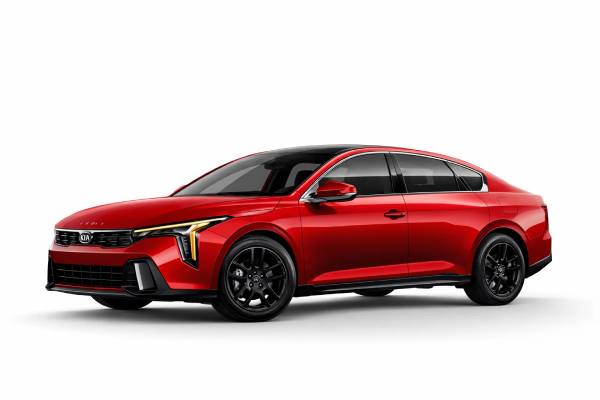
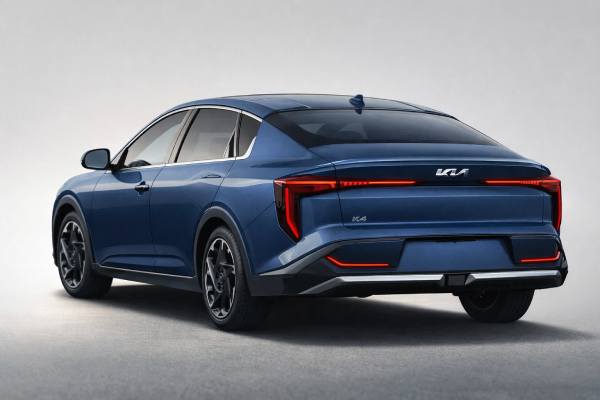
The Kia K4 (CL4) with the 1.6 T-GDi tune around 148 hp is the “sweet spot” powertrain for drivers who want more mid-range pull than the base engines without paying the fuel and tire penalties of the highest-output versions. In most European-market setups, you get a turbocharged 1.6-liter direct-injection four-cylinder paired to a dual-clutch automatic, so the car feels quick in real traffic—especially in the 50–110 km/h passing band—while still behaving like a practical compact on commutes.
From an ownership angle, this trim rewards routine, on-time servicing. Turbo GDI engines are efficient, but they’re also less forgiving of skipped oil changes, wrong oil specs, and long periods of short-trip driving. If you keep the fluids correct, let the engine warm up gently, and stay current on software updates, this K4 variant can be both enjoyable and low-drama.
Top Highlights
- Strong mid-range torque makes highway merging and overtakes easier than base engines.
- Dual-clutch gearbox keeps the engine in its boost band without needing high rpm.
- Efficient for its output when driven smoothly, especially on steady-speed routes.
- Caveat: turbo GDI durability depends heavily on correct oil spec and change intervals.
- Typical interval: change engine oil and filter every 10,000–15,000 km or 12 months (use the schedule that matches your market and driving conditions).
What’s inside
- Kia K4 CL4 1.6T at a glance
- Kia K4 CL4 1.6T specs and measurements
- Kia K4 CL4 1.6T trims and safety tech
- Reliability patterns and known trouble spots
- Maintenance plan and smart buying tips
- Driving feel and real-world economy
- How the K4 1.6T stacks up against competitors
Kia K4 CL4 1.6T at a glance
Think of this version of the K4 as the “grown-up” powertrain: it’s not trying to be a hot hatch, but it gives you the confidence of torque on demand. The 1.6 T-GDi is a turbocharged gasoline engine with direct injection (fuel sprayed directly into the cylinder). That design improves efficiency and power density, but it also raises the stakes on oil quality and warm-up habits because the turbocharger and high-pressure fuel system operate under higher heat and load than a basic port-injected engine.
In many European configurations, Kia pairs the 1.6 T-GDi (around 148 hp / 110 kW, often marketed as 150 PS) with a 7-speed dual-clutch transmission (DCT). A DCT shifts quickly and efficiently because it uses two clutches—one for odd gears and one for even gears. In daily driving, the best ones feel crisp and predictable. The trade-off is that slow crawling traffic and repeated hill-hold launches can build clutch heat, so driving style matters more than with a traditional torque-converter automatic.
Chassis tuning usually lands on the comfortable side of “European compact”: stable at speed, light to moderate steering effort, and a suspension that prioritizes body control without punishing broken pavement. Wheel and tire packages vary widely by trim; the 1.6T often comes with wider tires, which helps traction and braking but can raise running costs.
Who is this version for?
- Highway commuters who want easy merging and passing without constant downshifts.
- Mixed-use drivers who value a modern cabin and driver assists but still want a simple ICE powertrain.
- Owners who service on schedule and prefer predictable maintenance over “set and forget” habits.
If you’re mostly in dense city traffic with lots of stop-and-go, the 1.6T DCT setup can still work well—but it rewards a smoother, more deliberate driving style than an old-school automatic.
Kia K4 CL4 1.6T specs and measurements
K4 specifications can vary by market (body style, emissions calibration, gearing, and even published power ratings). The tables below reflect the common European-market 1.6 T-GDi ~148 hp configuration and the service-capacity data published in Kia documentation. Treat performance and some dimension figures as trim-dependent ranges unless your local brochure lists exact numbers for your VIN.
Powertrain and efficiency
| Item | Kia K4 (CL4) 1.6 T-GDi ~148 hp (EU typical) |
|---|---|
| Code | Smartstream 1.6 T-GDi (market-dependent designation) |
| Engine layout and cylinders | Inline-4; DOHC; 4 valves/cyl (typical for this family) |
| Displacement | 1.6 L (≈1598 cc) |
| Induction | Turbocharged |
| Fuel system | Direct injection (GDI) |
| Compression ratio | Market dependent (varies with emissions tune) |
| Max power | ~148 hp (≈110 kW) (often marketed as 150 PS) |
| Max torque | ~250 Nm (common EU figure) |
| Timing drive | Typically chain on modern Kia turbo fours (verify per engine family) |
| Rated efficiency | Varies by mass/wheels; check WLTP for your exact trim |
| Real-world highway @ 120 km/h | Commonly in the mid-6 to mid-7 L/100 km range depending on wheels and wind |
Transmission and driveline
| Item | Typical configuration |
|---|---|
| Transmission | 7-speed dual-clutch automatic (DCT) (common EU pairing) |
| Drive type | FWD |
| Differential | Open (traction managed by brake-based systems on most trims) |
Chassis and dimensions (typical compact K4 figures)
| Item | Typical range / note |
|---|---|
| Suspension (front/rear) | Front strut; rear layout varies by trim/market (multi-link on sportier setups in some markets) |
| Steering | Electric power steering |
| Brakes | 4-wheel discs on many higher trims; sizes vary by wheel package |
| Wheels/tyres (popular) | Often 17–18 in wheels on 1.6T trims (exact size varies) |
| Ground clearance | Market dependent (rarely published consistently) |
| Length / width / height | Depends on sedan vs hatch vs wagon; check local spec sheet |
| Wheelbase | Typically around 2,720 mm for the CL4 platform family |
| Kerb weight | Trim dependent; higher with larger wheels and added equipment |
| Fuel tank | Usually 50–54 L depending on market/document set |
Performance and capability (trim dependent)
| Metric | What to expect |
|---|---|
| 0–100 km/h (0–62 mph) | Often around ~9 seconds in typical EU 150 PS DCT configurations (varies by body, tires, and test method) |
| Top speed | Generally in the 200 km/h class for this output level (trim dependent) |
| Braking distance | Mainly tire-dependent; wider performance tires usually shorten stops |
| Towing capacity | Market dependent; often modest for compact FWD turbos (verify locally) |
| Payload | Depends on body style and trim equipment |
Fluids and service capacities (from published Kia capacity tables)
| Item | Specification and capacity (typical published values) |
|---|---|
| Engine oil | SAE 5W-30 (Europe), ACEA C2/C5; 4.0 L drain and refill (typical table value) |
| Coolant | Phosphate-based ethylene glycol coolant mix; capacity varies by engine/trans |
| DCT fluid | Typically ~1.9–2.0 L (table value) with the specified DCT fluid |
| Brake fluid | DOT-3 or DOT-4 equivalent standard (check cap and manual for exact) |
| A/C refrigerant | Varies by system; verify under-hood label for charge amount |
| Key torque specs | Always confirm by VIN/service manual; wheel lug torque is trim/wheel dependent |
Safety and driver assistance (ratings vary by region)
| Item | Notes |
|---|---|
| Euro NCAP | Rating may be pending or not published for certain K4 body styles/years |
| IIHS (US-market sedan) | Strong results for the K4 sedan in IIHS testing; applicability to EU hatch/wagon should be viewed as indirect |
| ADAS suite | AEB, ACC, lane support, blind-spot monitoring, and rear cross-traffic alert commonly available; exact standard/optional mix varies by trim |
If you want the “most correct” spec sheet for your exact car, the fastest path is: local brochure for your market + your VIN’s service documentation. The 1.6T hardware is broadly consistent, but published output and equipment lists can shift by country.
Kia K4 CL4 1.6T trims and safety tech
Because the K4 is sold across multiple regions, “trim names” can be misleading: a badge like GT-Line in one market may not match the exact content of a similarly named trim elsewhere. For the 1.6 T-GDi ~148 hp variant, the equipment story usually follows a predictable pattern: the turbo engine is positioned above base powertrains, so it tends to bundle more comfort tech and a more complete driver-assistance package.
Common trim and option patterns you’ll see
- Wheel and tire upgrades: The 1.6T frequently ships with larger wheels (often 17–18 in). This improves grip and steering response, but raises tire replacement cost and can make pothole impacts harsher.
- Brake and suspension differences: Some markets pair the higher trims with upgraded rear suspension layouts or sport-tuned dampers. If your brochure mentions a multi-link rear, that’s usually the more “planted” setup at speed and over mid-corner bumps.
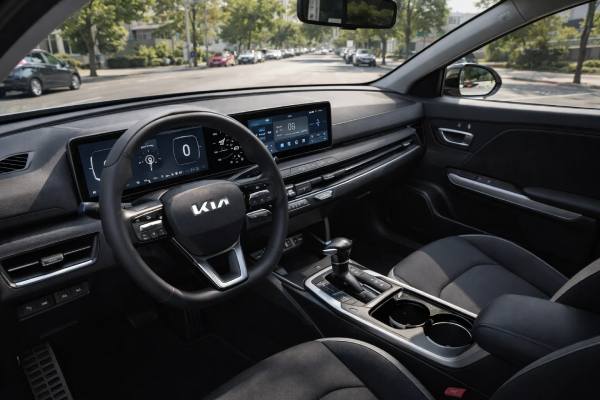
- Cabin tech tiers: Expect a larger infotainment display, more advanced phone integration, and optional premium audio on upper trims. If you see a bigger digital cluster or wide “panel” layout, it often correlates with the richer ADAS suite too.
Quick identifiers when shopping used
- Transmission clue: If the listing says 7-DCT or “DCT7,” it often aligns with the 1.6T in Europe.
- Exterior tells: Larger wheels, sportier bumpers, and more aggressive lighting signatures tend to come with the turbo trim line.
- Interior tells: A larger digital instrument cluster, upgraded seat materials, and additional steering-wheel buttons often indicate higher ADAS content.
Safety ratings and what they really mean
Safety results can be confusing because test protocols differ by organization and region. In the U.S., the K4 sedan has strong results in Insurance Institute for Highway Safety testing (a separate organization from government crash ratings). In Europe, Euro NCAP tests may not match the U.S. body style or year of changes.
Practical takeaway: use ratings as a baseline, then confirm your specific car has the safety equipment you care about (some systems are optional depending on trim and build date).
ADAS coverage: what to confirm before you buy
Even when a model “offers” advanced driver assists, the real question is standard vs optional on your exact car. On a 1.6T K4, confirm:
- AEB coverage type: vehicle + pedestrian + cyclist detection (not all AEB is equal).
- ACC behavior: some systems handle stop-and-go smoothly; others disengage at low speed.
- Lane support level: lane keeping assist (nudges you back) vs lane centering (actively holds lane).
- Blind-spot features: warning only vs active intervention, plus rear cross-traffic alert.
- Sensor calibration needs: windshield replacement, bumper repairs, wheel alignment changes, and some suspension work can require ADAS recalibration.
If you’re planning ownership beyond the warranty period, it’s worth choosing a trim where the “must-have” safety features are standard, not tied to an expensive package you may struggle to replace or repair later.
Reliability patterns and known trouble spots
The K4 CL4 is still early in its lifecycle, so reliability data is more “pattern-based” than statistically settled. The good news is that modern Kia turbo engines and gearboxes are built from mature components. The risk is that newer models often receive small hardware and software updates in the first years as real-world edge cases surface.
Below is a practical map of what tends to matter most on a 1.6 T-GDi + DCT compact, organized by prevalence and cost tier.
Common (watch closely)
- Oil quality sensitivity (medium cost if ignored): Turbo GDI engines run hot and depend on stable oil film strength. Symptoms of neglect include noisy timing components on cold start, turbo bearing wear, and increased oil consumption. Remedy: use the correct oil spec for your market and keep intervals conservative if you do short trips.
- Carbon buildup in intake (medium cost, mileage-dependent): Direct injection can allow deposits to form on intake valves over time. Symptoms: rough idle, misfires under load, reduced efficiency. Remedy: periodic intake cleaning if symptoms appear; reduce short-trip use, and avoid low-quality fuel where possible.
- DCT low-speed behavior (low to medium cost): Some dual-clutch gearboxes feel hesitant in parking lots or stop-and-go traffic. Excessive creep, repeated hill starts, and towing can raise clutch temperatures and accelerate wear. Remedy: drive smoothly, avoid “creeping” on throttle, use brake-hold properly, and keep the correct DCT fluid.
Occasional (depends on climate and use)
- Turbo control and boost leaks (medium cost): Loose charge pipes, tired clamps, or a sticky wastegate actuator can trigger underboost codes and sluggish response. Remedy: pressure-test intake tract; repair leak source; update software if applicable.
- Cooling system details (medium cost): Modern engines use plastic housings and complex routing. Small leaks can be hard to spot. Symptoms: coolant smell, low reservoir level, intermittent overheating. Remedy: inspect hoses, thermostat housing, and radiator end tanks early.
Rare but higher impact
- High-pressure fuel system faults (high cost): Direct-injection pumps and injectors can fail, though it’s not the norm. Symptoms: hard start, stumbling, fuel pressure codes. Remedy: correct diagnosis is critical—avoid parts swapping.
- Electronics and module updates (low to medium cost): Early production vehicles sometimes need updates for infotainment, convenience features, or driver-assistance logic. Remedy: check dealer history for completed software campaigns and ensure the car is on the latest calibrations.
Service actions, recalls, and how to verify
For any new platform, the most valuable habit is simple: run the VIN through the official recall database for your region and ask the seller for proof of completed campaigns. Even if a fix is free, an incomplete service action can become your inconvenience later.
Pre-purchase checks worth requesting:
- Full service history with oil spec listed (not just “oil changed”).
- Proof of software updates, especially if the car has extensive ADAS.
- Evidence of proper tire wear (uneven wear can hint at alignment or suspension issues).
- A scan for stored fault codes (even if the dash is clear), especially for turbo boost and transmission.
A new model can be very dependable, but early ownership is where disciplined maintenance and prompt updates pay the biggest dividends.
Maintenance plan and smart buying tips
A 1.6 T-GDi turbo with a dual-clutch transmission stays happy when you treat maintenance as prevention, not repair. The exact schedule varies by market, but the structure below matches what works best for turbo GDI durability and DCT smoothness.
Practical maintenance schedule (distance/time)
Every 10,000–15,000 km or 12 months (whichever comes first)
- Engine oil and filter (use the correct European oil spec where required).
- General inspection: coolant level, turbo plumbing, leaks, and undertray condition.
- Brake and tire inspection; check tire pressures and tread wear patterns.
Every 20,000–30,000 km
- Engine air filter (more often in dusty areas).
- Cabin air filter (often yearly is sensible).
- Rotate tires (or at least cross-check wear; many wider tires are rotation-sensitive).
Every 40,000–60,000 km
- Brake fluid (time-based is common: every 2 years is a safe rule).
- Wheel alignment check (especially if you hit potholes or run larger wheels).
- Inspect coolant hoses and plastic fittings closely for seepage.
Every 60,000–90,000 km (or per market guidance)
- Spark plugs (turbo engines are harder on plugs; don’t stretch this).
- Consider DCT service if your market schedule calls for it or if you drive heavy city traffic.
As needed
- Intake valve cleaning if carbon-related symptoms show up.
- 12 V battery testing: modern cars are electronics-heavy; proactive replacement is often cheaper than a no-start surprise.
Fluids, specs, and capacities (decision-useful highlights)
- Engine oil (EU table example): SAE 5W-30 meeting ACEA C2/C5 is commonly specified for Europe; drain-and-refill capacity is often around 4.0 L on published tables.
- DCT fluid: published tables commonly list around 1.9–2.0 L (correct fluid matters).
- Brake fluid: use DOT-3/DOT-4 equivalent as specified; avoid mixing unknown fluids.
Buyer’s guide: what to seek, what to avoid
Prefer
- A car with documented oil spec and consistent intervals.
- A trim with the ADAS features you want as standard (less package complexity).
- Clean, even tire wear and smooth DCT behavior at low speed.
Be cautious with
- Repeated short-trip history with long oil intervals (classic turbo/GDI stress pattern).
- Any listing that mentions “hesitation,” “judder,” or “shudder” in low-speed driving—test drive thoroughly.
- Heavy wheel upgrades without alignment proof (bent wheels and tired bushings show up early).
Long-term durability outlook
If you keep oil changes timely, use the correct oil and DCT fluids, and address small leaks early, this powertrain layout can age well. The “big ticket” risks usually come from neglect—wrong oil spec, stretched intervals, overheated DCT clutches from constant creeping, or ignoring early warning signs.
Driving feel and real-world economy
The 1.6 T-GDi’s personality is defined by torque and gearing. You don’t have to rev it hard to make progress; the turbo does the heavy lifting in the middle of the tachometer, which is exactly where real driving happens. With a DCT, that torque arrives with a clean, quick shift strategy when you’re accelerating decisively. In gentler driving, the gearbox tends to favor efficiency—sometimes to the point of feeling a little “eager” to upshift.
Ride, handling, and NVH
- Ride quality: On the common larger wheel packages, the car typically feels composed on smooth roads and more “busy” over sharp urban edges. If you prioritize comfort, smaller wheels with taller sidewalls usually improve daily livability more than any single option.
- Handling balance: Expect safe, neutral tuning with strong stability in fast sweepers. Front-wheel drive means it will push wide if you carry too much speed into a corner, but good tires keep it predictable.
- Steering: Most owners will find the weighting light-to-moderate and easy to place. Feedback tends to be filtered (normal for modern electric steering), but accuracy is usually good.
- Cabin noise: Turbo compacts often cruise quietly at steady speed; tire noise becomes the main factor, especially on wider tires.
Powertrain character and DCT behavior
- Throttle response: In normal mode, response is usually smooth rather than sharp. Sport modes typically hold gears longer and keep the turbo ready.
- Turbo lag: Minimal once rolling; from a standstill you may feel a brief softness before boost builds.
- DCT in traffic: The key is smooth inputs. Feathering the throttle to creep can make a DCT feel less refined; a firmer “on/off” approach—brake to stop, then accelerate cleanly—often feels better and reduces clutch heat.
Real-world fuel use (what owners commonly see)
Actual consumption depends heavily on wheel size, speed, and temperature. As a practical guide:
- City driving: higher consumption than you expect from the rating if you do short trips and cold starts.
- Highway at 100–120 km/h: often the best-case scenario, especially in mild weather.
- Mixed use: usually lands between those two, with driving style making a larger difference than many people expect.
Cold weather matters because the engine runs richer during warm-up and because cabin heat is “free” only after the engine is hot. If your use is mostly short trips, consider treating the oil interval as “severe service,” even if your manual allows longer.
How the K4 1.6T stacks up against competitors
In the compact class, rivals often split into two camps: efficiency-first models with modest power, and “sport-leaning” trims with stronger engines and firmer chassis tuning. The K4 1.6T (around 148 hp) aims to sit in the middle—enough power to feel confident, but not so much that it forces expensive running costs.
Where the K4 1.6T tends to win
- Usable torque, everyday pace: This output level is ideal for real roads. You get strong passing performance without needing an aggressive tire and brake package.
- Tech-per-euro value (trim dependent): Many K4 trims bundle driver assists and infotainment features that can cost extra on some competitors.
- Refined highway behavior: The combination of turbo torque and quick shifting can make long drives feel effortless.
Where some competitors may be better
- Traditional automatic smoothness: If a rival uses a torque-converter automatic, it may feel more seamless at parking-lot speeds than a DCT.
- Long-term simplicity: Some competitors with naturally aspirated engines and simpler transmissions can be less sensitive to oil spec and short-trip use.
- Enthusiast handling (top trims): Dedicated sporty variants in the segment can offer sharper steering and more sustained track-style braking, though often with stiffer ride and higher tire costs.
The practical verdict
Choose this K4 if you want a compact that feels “strong” without being demanding: easy overtakes, confident merging, and modern safety tech—provided you’re willing to maintain it properly. If your driving is almost entirely stop-and-go and you prize ultra-smooth creeping, consider whether a non-DCT competitor (or a lower-output K4 variant with a different transmission) fits your routine better. For most mixed-use drivers, the 1.6T strikes a well-judged balance of performance and efficiency.
References
- Kia K4 разчупва граници между пазарни сегменти и впечатлява със съчетание от самоуверен дизайн и интелигентни иновации 2025 (Manufacturer News)
- Recommended lubricants and capacities 2025 (Owner’s Manual)
- 2025 Kia K4 2025 (Safety Rating)
- Vehicle Detail Search – 2025 Kia K4 | NHTSA 2025 (Recall Database)
- All-New 2025 Kia K4 Earns 2024 IIHS Top Safety Pick Award 2024 (Manufacturer Press Release)
Disclaimer
This article is for informational purposes only and is not a substitute for professional diagnosis, inspection, or repair. Specifications, torque values, fluid capacities, service intervals, and procedures can vary by VIN, market, model year, and installed equipment; always verify details using your vehicle’s official service documentation and labeling before servicing or purchasing.
If this guide helped you, please consider sharing it on Facebook or X to support our work.