
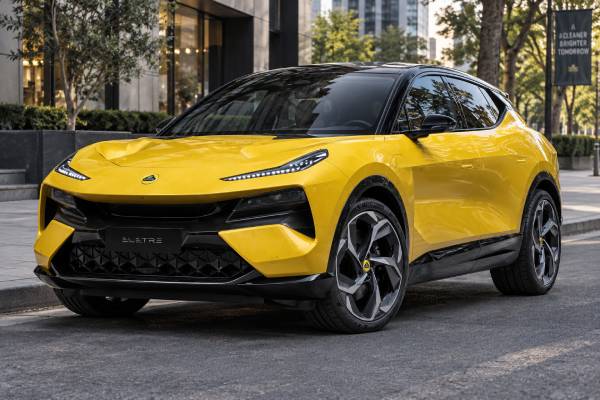
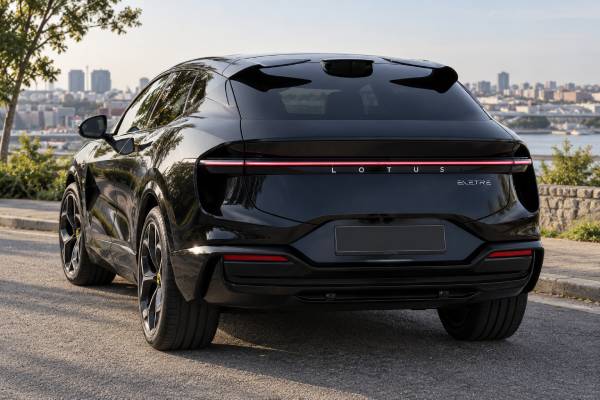
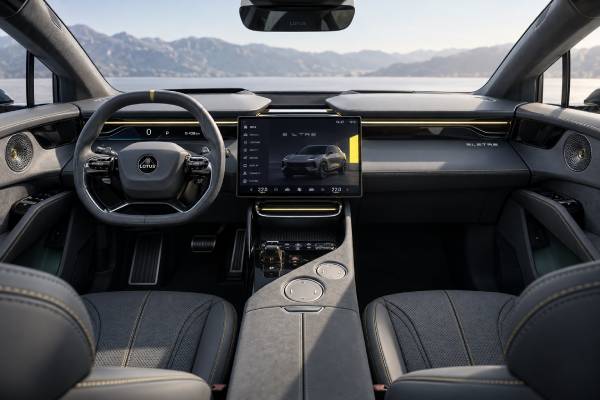
The 600 GT SE sits where performance has already become abundant and the next spending decision is mostly about comfort, convenience, cabin ambience and specification depth. It uses the 450 kW dual-motor all-wheel-drive branch of the Type 132 platform, with 710 Nm of combined torque and an 800 V electrical architecture built for very rapid DC charging. This guide concentrates on the higher-luxury GT SE package and how comfort equipment changes the ownership proposition. It also separates verified family-wide engineering facts from equipment that can vary by country, wheel package and production date. That distinction matters with the Eletre because Lotus has revised naming and specifications across markets, and even horsepower figures can differ depending on whether a source uses metric horsepower or brake horsepower. The safest approach is to identify the exact car by VIN and factory build data, then judge its battery, charging, software, suspension, tires and options as a complete ownership package rather than relying on the badge alone.
Table of Contents
- What GT SE adds to the 600 formula
- Key specifications and charging hardware
- Luxury equipment versus mechanical upgrades
- Ride quality, rear-seat use and cabin technology
- Range and charging for frequent travel
- Maintenance costs to plan for
- How to choose a 600 GT SE
What GT SE adds to the 600 formula
GT SE is best viewed as a specification decision, not an acceleration decision. The powertrain remains in the 450 kW class, so the extra appeal comes from features such as higher-grade cabin equipment, convenience functions and market-dependent options rather than a fundamental change in motor output.
That distinction helps avoid a common buying mistake: assuming a more expensive badge always means a faster car. With the Eletre, some trim steps are primarily about what the occupants touch and use every day. A careful buyer should compare the actual build sheet and option content of two cars instead of relying on the suffix alone.
The strongest reason to choose GT SE is repeat-use comfort. Features that seem minor in a showroom—hands-free tailgate operation, upgraded glass, audio or rear-seat conveniences—can matter every day, while the acceleration remains essentially a known quantity.
Key specifications and charging hardware
The 600 GT SE keeps the 450 kW propulsion hardware and layers equipment on top. That means the most important technical checks are still battery, charging, tires, suspension and software rather than a trim-specific engine difference.
| Specification | Value |
|---|---|
| Powertrain type | Battery-electric vehicle (BEV) |
| Motor layout | One electric drive unit at each axle |
| Electrical architecture | 800 V class high-voltage system |
| Battery | 112 kWh class traction battery (Lotus market literature; verify gross/usable labeling for the exact car) |
| Drivetrain | All-wheel drive |
| Specification | Value |
|---|---|
| Maximum power | 450 kW (603 hp as specified for this assignment) |
| Maximum torque | 710 Nm (524 lb-ft) |
| Drive | Dual-motor all-wheel drive |
| Reduction gearing | Single-speed front and rear |
| 0–100 km/h | about 4.15 s, market specification dependent |
| Top speed | about 250 km/h, market specification dependent |
| Specification | Value |
|---|---|
| DC charging | Up to 350 kW CCS on compatible infrastructure |
| AC onboard charging | Up to 22 kW in markets/configurations that support it |
| DC rapid-charge claim | Lotus has advertised roughly 400 km / 250 miles of added range in about 20 minutes under favorable conditions |
| Regeneration | Adjustable regenerative braking |
| Charge planning | Navigation and app functions can support charging-route planning and battery monitoring |
| Specification | Value |
|---|---|
| Length | 5,103 mm (200.9 in) |
| Wheelbase | 3,019 mm (118.9 in) |
| Height | about 1,630 mm (64.2 in) |
| Width | 2,135 mm with camera mirror system in early published target specification |
| Body | Five-door luxury performance SUV |
| Seating | Four- or five-seat layouts have been offered, depending on market and configuration |
| Specification | Value |
|---|---|
| Front suspension | Multi-link |
| Rear suspension | Five-link / multi-link |
| Springing | Air suspension |
| Damping | Continuous Damping Control adaptive dampers |
| Steering | Electric power steering |
| Torque management | Brake-based torque vectoring; additional active chassis systems depend on trim/options |
| Specification | Value |
|---|---|
| High-voltage battery | Check state-of-health diagnostics, charging history and warning logs |
| Tires | Inspect inner and outer shoulders; large staggered performance tires are costly |
| Brakes | Check disc condition, corrosion and friction-brake operation despite strong regeneration |
| Software | Confirm current vehicle software and completion of applicable campaigns |
| 12 V system | Verify auxiliary-battery health because low-voltage faults can disable high-voltage vehicle functions |
Luxury equipment versus mechanical upgrades
The GT SE does not need additional motor output to feel premium. Its 450 kW system can already produce performance that would have been supercar territory not long ago. The more important test is whether the chassis remains composed with the selected wheel size and whether the extra equipment improves the journeys the owner actually makes.
On a GT SE, hard-use checks are less revealing than verifying that expensive comfort hardware still works consistently.
Drive modes change response, steering weight and chassis behavior, but they cannot compensate for poor tires. Correct load and speed ratings, matching axle pairs and appropriate pressure are basic safety requirements on a vehicle with this much torque.
Friction brakes should be clean and smooth, particularly on softly driven luxury examples that spend much of their time regenerating.
Ride quality, rear-seat use and cabin technology
Operate every powered seat, glass, audio and convenience feature repeatedly; intermittent luxury-electronics faults can be expensive.
Air suspension should deliver both comfort and level stance; faults undermine the very reason to choose this trim.
Four-seat luxury and five-seat flexibility appeal to different GT SE buyers, so seating choice can strongly affect desirability.
Inspect active body hardware and specialty exterior finishes because repair quality matters on a high-specification car.
For this upper grand-touring 600-series trim, the practical point is the higher-luxury GT SE package and how comfort equipment changes the ownership proposition. That should guide which options are worth paying for and which are only attractive on a showroom specification sheet.
Range and charging for frequent travel
GT SE comfort equipment can increase electrical consumption at the margins, but speed and temperature remain much larger range variables. Preconditioning the cabin while plugged in is one of the easiest ways to protect winter range without sacrificing comfort after departure.
Charging should be tested independently of the option list. A lavish cabin does not compensate for unstable DC charging.
Home charging supports the GT SE’s comfort mission by letting climate preconditioning happen before departure.
Cold-weather planning should include battery and cabin preconditioning where available. In hot climates, parking and charging conditions also matter because the thermal-management system may need to devote energy to keeping the pack within its preferred temperature range.
Maintenance costs to plan for
GT SE buyers should budget for the equipment level they choose. Powered convenience items, intelligent glass or elaborate interior features can be expensive to repair outside warranty, so function-test every option before purchase.
Care should include convenience electronics as well as tires, suspension and software.
VIN-specific service information is essential when optional wheels, glass and chassis equipment complicate the build.
Battery-health documentation adds confidence, but a buyer should also budget for aging luxury hardware outside warranty.
How to choose a 600 GT SE
GT SE shopping rewards patience. Two cars with the same badge can differ significantly in color, wheels, glass, audio and convenience equipment. Compare actual factory specifications line by line and pay only for options you value.
- Confirm the VIN, original market and advertised 600 GT SE specification before discussing price.
- Review campaign and software history with special attention to equipment condition.
- Inspect wheels and tires for damage or wear that could affect powered comfort equipment and option complexity.
- Cycle the air suspension and test the car on both smooth and broken pavement.
- Verify normal AC charging and complete a DC rapid-charge test when practical.
- Operate every fitted camera, assistance function, seat, climate and infotainment feature.
- Review battery diagnostics, warranty position and repair history before final payment.
A GT SE earns its price through functioning equipment. Low mileage does not offset dead convenience features, damaged specialty trim or old tires; a slightly busier car with every system working may be the better luxury purchase.
GT SE is an equipment-led upgrade
Once the 450 kW powertrain is fixed, the GT SE buying decision becomes unusually simple: do the added comfort and convenience features improve the way you will use the car? Features such as upgraded glass, tailgate convenience, ambient lighting, premium trim or audio can be enjoyable every day. None should be valued merely because they raise the original list price.
This is why two used GT SE cars can deserve very different prices. One may have the wheel size, seating arrangement and cabin options a buyer wants, while another may be loaded with expensive features that add weight and repair risk without adding personal value. The original invoice is useful evidence, but the current condition of every option is more important.
Test luxury hardware like mechanical hardware
Powered equipment should be exercised repeatedly. Open and close the tailgate several times, operate every seat adjustment, test heating and ventilation, change glass settings where intelligent glass is fitted, and verify all audio channels. Intermittent electronic faults are easiest to overlook during a short showroom visit because the car may be demonstrated only once.
Also check for software dependencies. Some connected functions require an active account, data service or region-specific support. Confirm what transfers to the new owner, what requires a subscription and whether the vehicle is properly released from the seller’s digital account. A premium cabin feels less premium when basic remote functions cannot be activated after purchase.
Ride comfort depends on specification
Air suspension gives the GT SE a broad comfort envelope, but tire sidewall still matters. A car on the largest wheel package can feel busier on sharp urban impacts than one on a smaller factory setup. Test on broken pavement as well as smooth roads, and listen for trim rattles that may appear only when the body is being excited by short, sharp bumps.
If rear-seat comfort is important, ride in the back while someone else drives. The experience can differ from the front because passengers sit farther from the vehicle’s center of rotation and may notice vertical or pitch movement more clearly.
Buying for the next five years, not the first week
Luxury options can age differently from the core electric drivetrain. Before paying a premium, think about warranty coverage, local Lotus service access and the cost of replacing specialty glass, trim or electronic modules. A slightly lower-spec GT with simpler equipment may be the smarter long-term car for an owner far from a service center, while a fully loaded GT SE makes more sense for someone who values every feature and has strong dealer support nearby.
Deciding whether GT SE equipment earns its cost
Create a list of features you use every week and compare it with the GT SE’s actual build sheet. Heated or ventilated seats, upgraded audio, special glass and convenience functions may justify a premium for one owner and be nearly irrelevant to another. The right price depends on utility, not the original option cost.
Then test every item under realistic conditions. Audio should be checked at both low and moderate volume, climate control should reach temperature quickly, seats should move through their full range without noise, and powered glass or tailgate systems should be cycled more than once. Intermittent faults are expensive precisely because they can hide during a short demonstration.
Consider ownership location as well. A complex high-spec car is easier to own near strong dealer support. If the nearest Lotus service center is far away, simplicity can have real value because even a minor electronic issue may require a long trip for diagnosis.
Finally, compare the GT SE with a cleaner GT. A lower trim in excellent condition can be a better five-year purchase than a heavily optioned car with worn tires, damaged wheels or unresolved software issues. Specification should enhance condition, not substitute for it.
Warranty timing can affect GT SE value
Because the GT SE contains many high-value convenience and electronic systems, remaining factory or approved warranty coverage can be especially useful. Confirm the in-service date, coverage terms and any market-specific exclusions rather than assuming warranty follows the registration year. If an extended plan is offered, compare what it actually covers with the expensive systems fitted to the car. A warranty that excludes glass, trim or certain electronics may be less valuable to a highly optioned GT SE than its price suggests. Conversely, strong coverage can justify paying more for a car with complex equipment. Keep all repair authorizations and invoices, because a documented history of successful warranty work is better than unexplained replacement parts or recurring faults.
Additional ownership perspective
One useful way to judge GT SE value is to calculate how often each premium feature will be used over a year. A costly option used twice is mostly decoration; a seat, glass or convenience feature used every day can justify its price surprisingly quickly. This approach also helps with used-car negotiations because it separates objective condition from subjective desirability. Pay strongly for a healthy car and for options you genuinely want, but do not let a long equipment list distract from tires, charging behavior, suspension condition or warranty history.
One more ownership consideration
For high-spec GT SE cars, interior noises deserve a deliberate test on rough surfaces. Premium cabins contain more powered mechanisms and trim interfaces, which can create rattles that are invisible in photographs. A twenty-minute drive over mixed pavement is often more revealing than an hour spent inspecting leather under showroom lighting.
The hidden cost of luxury complexity
The GT SE is the kind of car where small convenience faults can be expensive because many features depend on dedicated motors, sensors, controllers or specialty trim. A powered tailgate that hesitates, a seat mechanism that clicks or intelligent glass that behaves inconsistently may appear minor at purchase time, but diagnosis and parts can become frustrating outside warranty. Exercise every feature enough to distinguish a one-off glitch from a repeatable problem.
Interior condition also deserves close inspection under natural light. Premium surfaces can hide dye transfer, scratches or poorly matched repairs that are less obvious in a dim showroom. If a car has been re-trimmed, ask what materials and methods were used. Good restoration is not a problem; undocumented cosmetic work is simply harder to value.
This makes warranty status particularly useful on a high-spec GT SE. Confirm start date, mileage limits and transfer conditions directly rather than relying on a seller summary. If coverage is nearly finished, price the car as though some luxury systems may eventually require owner-funded repair. The right GT SE is one whose extra equipment still adds pleasure instead of becoming a list of future liabilities.
Final practical note
A useful negotiation strategy on a GT SE is to price non-working luxury equipment individually instead of treating it as a vague defect. If a seat function, premium glass element, powered tailgate or audio component is faulty, obtain a realistic repair estimate before making an offer. The rest of the car may still be excellent, but the asking price should reflect the cost and inconvenience of restoring the specification that justified the SE premium originally. This approach is fairer than either rejecting every imperfect car or accepting a discount that sounds large but is small relative to actual parts and labor.
References
- Lotus Eletre – The Electric Hyper SUV | Lotus Cars 2026
- Lotus Eletre – Explore Models | Lotus Cars 2026
- Lotus Eletre | How it Drives | Lotus Cars 2026
- Lotus Eletre – Specs, Features and More | Lotus Cars Netherlands 2026
- Lotus Eletre Handbook for Drivers | Lotus Cars 2026
- Lotus Charging | Lotus Cars 2026
Disclaimer
This article is for informational purposes only and is not a substitute for professional diagnosis, repair, or vehicle-specific service information. Specifications, torque values, maintenance intervals, charging behavior, software functions, and procedures can vary by VIN, market, production date, wheel package, and equipment. Verify all service work and technical values against official Lotus documentation for the exact vehicle.
If this guide was useful, please share it on Facebook, X/Twitter, or your preferred automotive community to support our work.