
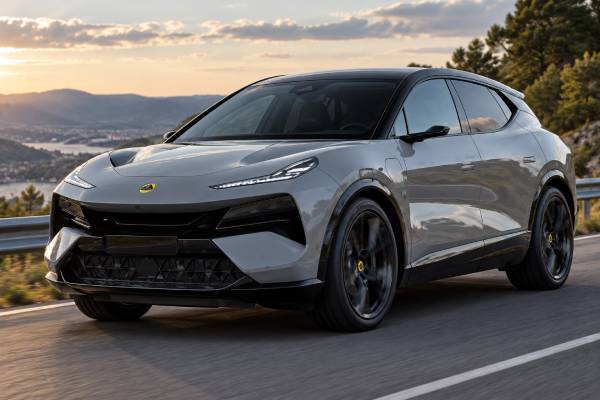
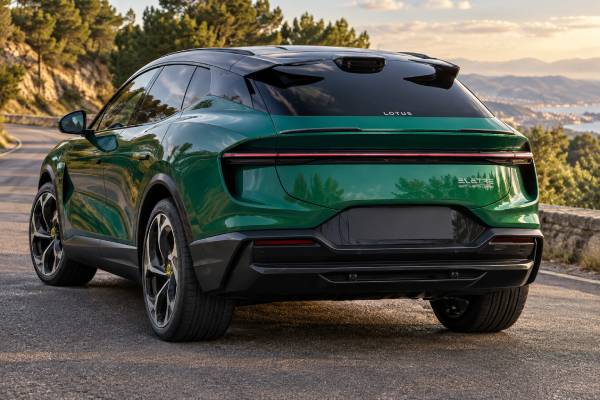
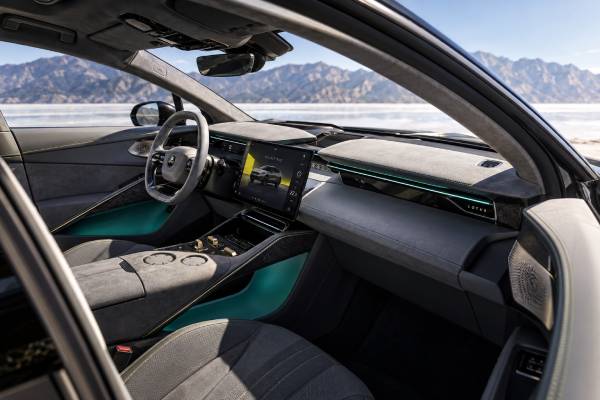
The First Limited Edition matters because it captures the Eletre at a specific moment: the point when Lotus was introducing an electric SUV to customers who still associated the badge mainly with lightweight sports cars. It uses the 450 kW dual-motor all-wheel-drive branch of the Type 132 platform, with 710 Nm of combined torque and an 800 V electrical architecture built for very rapid DC charging. This guide concentrates on launch-edition collectability, equipment and the difference between special-edition value and mechanical uniqueness. It also separates verified family-wide engineering facts from equipment that can vary by country, wheel package and production date. That distinction matters with the Eletre because Lotus has revised naming and specifications across markets, and even horsepower figures can differ depending on whether a source uses metric horsepower or brake horsepower. The safest approach is to identify the exact car by VIN and factory build data, then judge its battery, charging, software, suspension, tires and options as a complete ownership package rather than relying on the badge alone.
Table of Contents
- Why the First Limited Edition is different
- Core technical data for the limited edition
- Performance without the 900-series hardware
- Cabin, technology and launch-edition equipment
- Charging and long-distance ownership
- Maintenance and software care
- Buying a limited-production Eletre intelligently
Why the First Limited Edition is different
A launch or limited edition is valuable only when its provenance is clear. Color, trim, wheel design and option content can make a First Limited Edition desirable, but none of those should be allowed to blur the mechanical facts. The 450 kW dual-motor car belongs to the lower-output branch of the Eletre family, with 710 Nm and single-speed reduction gearing rather than the later 900-series rear two-speed arrangement.
That makes condition and originality especially important. Limited-edition ownership is often harmed more by missing documentation, replaced wheels, poorly repaired cosmetic damage or an unclear software/service history than by the absence of a few tenths in acceleration. The smart inspection approach therefore starts with identity and equipment, then moves to battery, charging and chassis health.
Limited-edition cars should be evaluated with a preservation mindset. A perfectly functional car can still lose part of its appeal if its factory wheels, trim pieces, unique upholstery or original documentation have disappeared. Photographing and verifying those items before purchase is worthwhile.
Core technical data for the limited edition
Underneath the limited-edition trim is the 450 kW branch of the Type 132 platform: dual motors, AWD, an 800 V electrical system and high-rate charging. The special-edition identity is mainly an equipment and provenance question, not a separate propulsion architecture.
| Specification | Value |
|---|---|
| Powertrain type | Battery-electric vehicle (BEV) |
| Motor layout | One electric drive unit at each axle |
| Electrical architecture | 800 V class high-voltage system |
| Battery | 112 kWh class traction battery (Lotus market literature; verify gross/usable labeling for the exact car) |
| Drivetrain | All-wheel drive |
| Specification | Value |
|---|---|
| Maximum power | 450 kW (612 hp as specified for this assignment) |
| Maximum torque | 710 Nm (524 lb-ft) |
| Drive | Dual-motor all-wheel drive |
| Reduction gearing | Single-speed front and rear |
| 0–100 km/h | about 4.5 s, market specification dependent |
| Top speed | about 258 km/h, market specification dependent |
| Specification | Value |
|---|---|
| DC charging | Up to 350 kW CCS on compatible infrastructure |
| AC onboard charging | Up to 22 kW in markets/configurations that support it |
| DC rapid-charge claim | Lotus has advertised roughly 400 km / 250 miles of added range in about 20 minutes under favorable conditions |
| Regeneration | Adjustable regenerative braking |
| Charge planning | Navigation and app functions can support charging-route planning and battery monitoring |
| Specification | Value |
|---|---|
| Length | 5,103 mm (200.9 in) |
| Wheelbase | 3,019 mm (118.9 in) |
| Height | about 1,630 mm (64.2 in) |
| Width | 2,135 mm with camera mirror system in early published target specification |
| Body | Five-door luxury performance SUV |
| Seating | Four- or five-seat layouts have been offered, depending on market and configuration |
| Specification | Value |
|---|---|
| Front suspension | Multi-link |
| Rear suspension | Five-link / multi-link |
| Springing | Air suspension |
| Damping | Continuous Damping Control adaptive dampers |
| Steering | Electric power steering |
| Torque management | Brake-based torque vectoring; additional active chassis systems depend on trim/options |
| Specification | Value |
|---|---|
| High-voltage battery | Check state-of-health diagnostics, charging history and warning logs |
| Tires | Inspect inner and outer shoulders; large staggered performance tires are costly |
| Brakes | Check disc condition, corrosion and friction-brake operation despite strong regeneration |
| Software | Confirm current vehicle software and completion of applicable campaigns |
| 12 V system | Verify auxiliary-battery health because low-voltage faults can disable high-voltage vehicle functions |
Performance without the 900-series hardware
A 450 kW Eletre is already faster than many conventional performance SUVs. The single-speed layout makes the response simple: accelerator input is translated into torque without a conventional shift sequence, and the 710 Nm output is shared through AWD. For normal road driving, the difference between this and the 900-series car is less about whether it feels fast and more about how violently it continues accelerating at higher speeds.
On a limited edition, hard-use evidence should be read alongside originality; abused tires or brakes can undermine collector appeal quickly.
Drive modes change response, steering weight and chassis behavior, but they cannot compensate for poor tires. Correct load and speed ratings, matching axle pairs and appropriate pressure are basic safety requirements on a vehicle with this much torque.
Brake-disc condition matters even on a carefully stored car, because long idle periods can leave corrosion that a detail cannot hide.
Cabin, technology and launch-edition equipment
Test every launch-edition convenience and infotainment feature; missing or dead equipment weakens the reason to pay an edition premium.
Air suspension should operate quietly and evenly; storage-related leaks or a weak 12 V system can reveal themselves during height changes.
The special-edition cabin should match the original specification, so seating layout is part of provenance as well as practicality.
Inspect spoilers, grille shutters and exterior trim for correct finish because cosmetic replacement parts can affect limited-edition integrity.
For this limited-edition 600-series specification, the practical point is launch-edition collectability, equipment and the difference between special-edition value and mechanical uniqueness. That should guide which options are worth paying for and which are only attractive on a showroom specification sheet.
Charging and long-distance ownership
A limited edition still uses the same charging physics as other 450 kW Eletres. The fastest stops occur when the battery is warm, the starting state of charge is low enough to accept high power and the charger can genuinely deliver it. A 350 kW label on the cabinet is a ceiling, not a promise.
A stable rapid-charge session confirms the underlying 450 kW Eletre system is healthy; the badge itself does not alter charging physics.
Owners who store the car often should maintain a sensible charging routine rather than leaving it full or nearly empty for long periods.
Cold-weather planning should include battery and cabin preconditioning where available. In hot climates, parking and charging conditions also matter because the thermal-management system may need to devote energy to keeping the pack within its preferred temperature range.
Maintenance and software care
For a collectible limited edition, maintenance records should be paired with cosmetic preservation. Small trim pieces, special wheels and unique interior finishes can be difficult or expensive to replace, so preventive care has financial as well as aesthetic value.
Preservation should include software, battery and tires, not just paint and upholstery.
Factory documentation matters especially here because edition-specific parts and equipment can differ by original market.
Battery diagnostics are more persuasive than low mileage when a limited-edition car has spent significant time parked.
Buying a limited-production Eletre intelligently
For the First Limited Edition, verify provenance before negotiating price. Original invoice, build sheet, special-edition trim details and factory wheels matter. After identity is secure, test charging, software, suspension, driver assistance and every convenience feature.
- Confirm the VIN, original market and advertised First Limited Edition specification before discussing price.
- Review campaign and software history with special attention to edition authenticity.
- Inspect wheels and tires for damage or wear that could affect original trim and launch-edition details.
- Cycle the air suspension and test the car on both smooth and broken pavement.
- Verify normal AC charging and complete a DC rapid-charge test when practical.
- Operate every fitted camera, assistance function, seat, climate and infotainment feature.
- Review battery diagnostics, warranty position and repair history before final payment.
For a First Limited Edition, provenance outranks odometer theater. A carefully used car with complete edition paperwork can be more desirable than a lower-mileage example missing original pieces or showing neglect from storage.
Limited-edition value starts with evidence
Special editions become confusing when sellers use the name loosely. The First Limited Edition should be supported by original sales paperwork, build information and the equipment that made the edition distinct in its market. A buyer should photograph wheel design, interior trim, badges, paint and option codes, then compare them with period Lotus material. Replacing one missing cosmetic item can be far more difficult than correcting ordinary wear, so originality has practical value rather than being only a collector concern.
That does not mean originality should override condition. A completely original wheel with a crack is still a safety problem, and a pristine interior does not compensate for unstable charging or unresolved warning messages. The edition should first be proven genuine, then judged by the same mechanical and electrical standards as any expensive Eletre.
Why the 450 kW powertrain suits a launch edition
The lower-output Eletre drivetrain is already exceptionally quick, which lets the First Limited Edition focus on presentation and specification rather than chasing the 900-series performance ceiling. Its single-speed drive arrangement is mechanically simpler than the later two-speed rear setup used in the highest-output models. For many owners that is a sensible match: strong acceleration, AWD traction and very fast charging without paying for performance that may rarely be used.
In day-to-day driving, throttle calibration and drive mode matter more than the headline peak output. A smooth accelerator map makes city progress easy, while the instant torque reserve means motorway overtakes require very little planning. The practical limit is usually traffic, tire grip or speed regulation, not a shortage of motor power.
Preserving the cabin and technology package
A launch-focused Eletre often carries desirable interior materials, audio and visual details that help distinguish it from a more ordinary used example. Test every powered seat function, screen, camera, audio channel, tailgate function and climate zone. Connected features should be checked with the current owner’s account removed or prepared for transfer, because a technically healthy car can still create frustration if digital ownership is not handed over cleanly.
Cosmetic care also deserves a different standard on a limited edition. Avoid harsh cleaners on specialty trim, document any professional leather or textile repair, and keep removed original parts if tasteful reversible modifications are made. Future buyers usually value a clear paper trail more than a seller’s claim that a change was “an upgrade.”
Who should pay a premium
A premium makes sense for a buyer who specifically values the edition, can verify its originality and plans to preserve it. It makes less sense for someone who simply wants the best Eletre to drive every day. In that case, a later 600-series car with newer software, a preferred wheel size or a more useful seating layout may be the stronger purchase. Limited production is a reason to investigate carefully, not a reason to ignore alternatives.
Living with a First Limited Edition
Daily use should not be avoided simply because the car is a limited edition, but preservation habits help. Use protective mats where appropriate, clean specialty materials with products approved for the surface, and repair stone chips before corrosion or moisture can spread under damaged coatings. Keep photographs of original condition and retain any removed factory components.
On road trips, the edition behaves like the 450 kW Eletre beneath it. Plan around charger reliability and battery temperature rather than assuming a special badge changes charging behavior. If the car is stored for long periods, avoid leaving it indefinitely at an extreme state of charge and keep the 12 V system healthy according to official guidance.
When modifying the car, reversibility is valuable. Window tint, wheel changes or protective film may suit an owner, but cutting wiring, drilling trim or discarding original parts can reduce future appeal. A modification that improves personal use should still be documented so the next buyer can understand exactly what changed.
If two limited-edition cars are available, choose the one with stronger evidence rather than the lower odometer reading. A car that has been driven regularly, serviced correctly and updated can be healthier than one that has spent years sitting with an aging 12 V battery, flat-spotted tires and outdated software.
A final limited-edition check
Before committing, ask the seller to explain what specifically makes the car a First Limited Edition and support each point with evidence. A confident, documented answer is more valuable than a long list of assumed features. Photograph the VIN plate, option details and distinctive trim, then keep those records with the purchase file. If the edition premium is substantial, an independent inspection from a Lotus specialist is proportionate. It can verify that cosmetic originality is matched by healthy charging, suspension, braking and electronics. That combination—proven identity plus strong condition—is what gives a limited-edition Eletre durable appeal rather than temporary showroom novelty.
One more ownership consideration
Edition-specific insurance agreed value may also be worth discussing where available. A normal market valuation can overlook rare trim or factory equipment after a total loss. Keep the original purchase invoice, option sheet and photographs in a separate digital archive. Those records can support both insurance discussions and eventual resale, and they are much harder to recreate years after the car changes hands.
Balancing collectability with actual use
A First Limited Edition should not become unusable simply because the owner wants to preserve it. Regular, thoughtful use can be healthier than long periods of inactivity, especially for tires, friction brakes, the 12 V system and cabin mechanisms. The better strategy is to use the car while documenting condition. Photograph special trim periodically, keep receipts for approved tires and service work, and store removed original pieces if reversible personalization is added.
When comparing values, separate scarcity from desirability. A limited production run can make a car uncommon, but buyers pay premiums for examples that are easy to verify and difficult to fault. Original paint and trim may matter, yet a documented professional repair is preferable to concealed damage. Likewise, factory equipment that no longer works does not become acceptable just because it is rare.
Storage planning also matters more for a collectible EV. Follow Lotus guidance for traction-battery state of charge and 12 V maintenance, avoid leaving tires soft for months, and keep the vehicle dry. If the car is stored remotely, arrange periodic checks rather than assuming the connected app can replace physical inspection. Limited-edition value is protected by evidence of careful stewardship, not by mileage alone.
Final practical note
A limited-edition buyer should also verify replacement-part availability before paying a large rarity premium. Mechanical service parts may be shared with other 450 kW Eletres, while unique trim, wheels or decorative pieces can be much harder to source. Ask a Lotus center which edition-specific items remain orderable and which are no longer supplied in the same finish. This does not make the car a bad purchase, but it changes how carefully those components should be preserved. A rare part that is impossible to replace can matter more to future value than an ordinary mechanical component with broad availability.
References
- Lotus Eletre – The Electric Hyper SUV | Lotus Cars 2026
- Lotus Eletre – Explore Models | Lotus Cars 2026
- Lotus Eletre | How it Drives | Lotus Cars 2026
- Lotus Eletre – Specs, Features and More | Lotus Cars Netherlands 2026
- Lotus Eletre Handbook for Drivers | Lotus Cars 2026
- Lotus Charging | Lotus Cars 2026
Disclaimer
This article is for informational purposes only and is not a substitute for professional diagnosis, repair, or vehicle-specific service information. Specifications, torque values, maintenance intervals, charging behavior, software functions, and procedures can vary by VIN, market, production date, wheel package, and equipment. Verify all service work and technical values against official Lotus documentation for the exact vehicle.
If this guide was useful, please share it on Facebook, X/Twitter, or your preferred automotive community to support our work.