

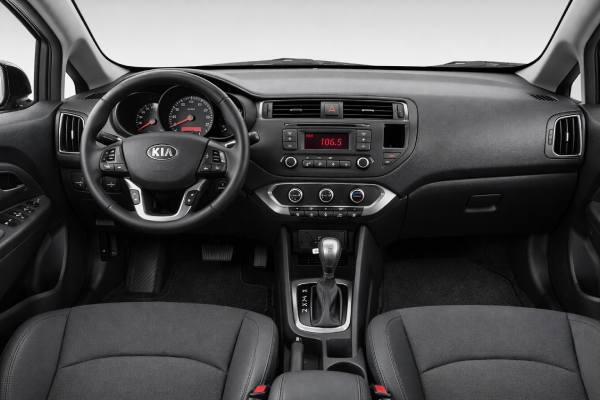
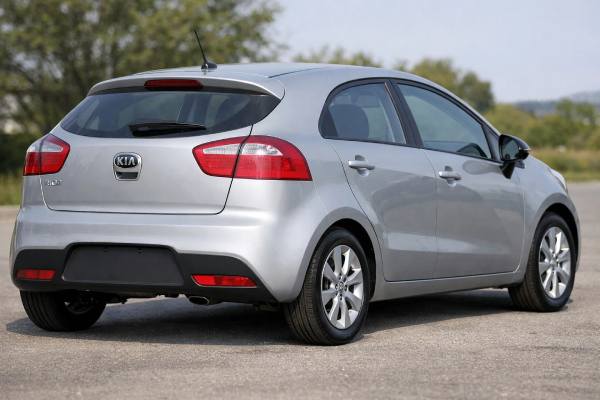
The 2011–2014 Kia Rio (UB) with the 1.1 CRDi diesel is the “small car, big mileage” version of the lineup. It pairs a light body and a modest-output turbo-diesel with simple front-wheel-drive hardware, aiming for low running costs more than outright speed. In day-to-day use, the appeal is steady torque at low rpm, long cruising range, and a chassis that feels grown-up for a supermini—especially on European roads.
Ownership is usually straightforward when maintenance is kept consistent. The most important long-term factor is not horsepower, but how the car was used: lots of short trips and stop-start commuting can load up the EGR (exhaust gas recirculation) system and, where fitted, the diesel particulate filter (DPF). If you buy wisely and service it on time, this Rio can be a durable, economical daily driver.
What to Know
- Strong fuel economy potential on mixed driving, with relaxed low-rpm torque for city traffic.
- Simple, light platform keeps tyre and brake wear reasonable compared with heavier diesels.
- Cabin packaging is efficient for the class, with usable rear space for a small family.
- Avoid neglected examples: repeated short trips can accelerate EGR/DPF-related issues.
- Plan engine oil and filter service every 12 months (or sooner under severe use).
Navigate this guide
- Kia Rio UB 1.1 CRDi profile
- Kia Rio UB diesel specs
- Kia Rio UB trims and safety
- Weak points and recalls
- Maintenance plan and buying
- Driving feel and economy
- Rivals and best alternatives
Kia Rio UB 1.1 CRDi profile
Think of the 1.1 CRDi Rio as the efficiency-led choice in the UB range. Instead of chasing quick 0–100 km/h times, it focuses on torque where you actually drive—pulling away cleanly in city traffic and settling into a calm cruise once you’re up to speed. With only 75 hp, it will not feel fast, but it can feel willing as long as you keep it in the diesel’s useful midrange and accept that steep hills and high-speed overtakes need planning.
The UB generation also moved the Rio upmarket compared with earlier versions. You typically get a more solid-feeling cabin, better sound insulation than older budget superminis, and more stable highway manners. Steering is generally light and easy in town, and the suspension tuning balances comfort with predictable cornering. In practical terms, that means the Rio is often less tiring than some rivals on longer commutes, even if it isn’t the most “fun” option in the class.
Where this model shines is cost control:
- Fuel use can be very low when the engine is warmed up and driven steadily.
- Consumables (tyres, brakes) are usually modestly priced and don’t wear as quickly as on heavier cars.
- Parts availability is generally good in Europe, because the platform and many components are shared across high-volume Kia/Hyundai small cars.
But the diesel also brings specific responsibilities. If the car spends its life on short cold runs, soot-related systems work harder. EGR deposits, intake contamination, and (on some specifications) DPF loading become more likely. The best-used examples for long-term ownership are those that see regular 15–30 minute drives and occasional longer motorway runs, not constant 3 km errands.
If you’re shopping for one, your goal is not “the lowest mileage.” Your goal is “the clearest maintenance story,” plus evidence that the car has been driven in a way that suits a small turbo-diesel.
Kia Rio UB diesel specs
The tables below describe typical specifications for the Kia Rio (UB) 1.1 CRDi (75 hp) sold in Europe in the 2011–2014 period. Exact figures can vary by market, body style (3/5-door hatch vs sedan in some regions), wheel size, and emissions equipment.
Powertrain and efficiency
| Item | Specification |
|---|---|
| Code | U2 family 1.1 CRDi (market-dependent engine code) |
| Engine layout and cylinders | Inline-3, turbo-diesel; DOHC; 4 valves/cyl |
| Displacement | 1.1 L (≈1,120 cc) |
| Induction | Turbocharged (with intercooler) |
| Fuel system | Common-rail direct injection |
| Compression ratio | Typically ~16–17:1 (market-dependent) |
| Max power | 75 hp (≈55 kW) @ ~4,000 rpm |
| Max torque | Typically ~170 Nm (≈125 lb-ft) @ ~1,750–2,500 rpm |
| Timing drive | Typically chain-driven (verify by VIN/engine family) |
| Rated efficiency | Commonly ~3.6–4.5 L/100 km (≈65–52 mpg US / 78–63 mpg UK), depending on test cycle |
| Real-world highway @ 120 km/h | Often ~4.7–5.5 L/100 km (≈50–43 mpg US / 60–51 mpg UK) in mild weather |
Transmission and driveline
| Item | Specification |
|---|---|
| Transmission | Usually 6-speed manual (some markets may differ) |
| Drive type | FWD |
| Differential | Open |
Chassis and dimensions
| Item | Specification |
|---|---|
| Suspension (front/rear) | MacPherson strut / torsion beam |
| Steering | Electric power steering (EPS); ratio varies by model year/market |
| Brakes | Front discs; rear drums or discs depending on trim/market |
| Most popular tyre size | Commonly 185/65 R15 or 195/55 R16 (market/trim dependent) |
| Ground clearance | Typically ~140–160 mm (≈5.5–6.3 in), varies by market |
| Length / width / height | About 4,045 / 1,720 / 1,455 mm (≈159.3 / 67.7 / 57.3 in), body-style dependent |
| Wheelbase | About 2,570 mm (≈101.2 in) |
| Turning circle (kerb-to-kerb) | Commonly ~10.2–10.6 m (≈33.5–34.8 ft) |
| Kerb weight | Typically ~1,100–1,200 kg (≈2,425–2,646 lb), depending on equipment |
| Fuel tank | Commonly ~43 L (≈11.4 US gal / 9.5 UK gal) |
| Cargo volume | Class-typical: roughly 288 L seats up (VDA-style figure is common), varies by body and spare wheel |
Performance and capability
| Item | Typical value |
|---|---|
| 0–100 km/h (0–62 mph) | ~13.5–15.5 s (trim/tyres/conditions) |
| Top speed | ~160–170 km/h (≈99–106 mph) |
| Braking distance | Highly tyre-dependent; expect “average for class” on quality tyres |
| Towing capacity | Often limited for small diesels; verify by VIN and local homologation |
| Payload | Typically ~400–500 kg, depending on trim and GVWR |
Fluids and service capacities (common guidance)
These values vary by engine spec and oil cooler setup, so treat them as decision-making ranges and confirm by VIN.
| Item | Typical specification |
|---|---|
| Engine oil | ACEA C3 (low-SAPS) is commonly specified; viscosity often 5W-30 |
| Engine oil capacity | Around 4.8 L (≈5.1 US qt) for the 1.1 diesel in many references |
| Coolant | Ethylene glycol-based long-life coolant; usually 50/50 mix |
| Manual gearbox oil | MTF per Kia spec; capacity varies (confirm by gearbox code) |
| A/C refrigerant | R134a on many cars of this era; charge varies by body/market |
Safety and driver assistance (era-typical)
| Item | Notes |
|---|---|
| Crash ratings | Euro NCAP rating exists for the model generation (test year matters) |
| ADAS | Typically limited: ABS, stability control (ESC) on many trims/markets; advanced AEB/ACC usually not present on early UB cars |
Kia Rio UB trims and safety
Trims for the UB Rio vary widely by country, but most markets follow a familiar pattern: a value-focused base grade, a mid-range comfort trim, and a higher grade with upgraded wheels, infotainment, and convenience features. For the 1.1 CRDi specifically, you’ll often see it positioned as an economy option in mid trims rather than in the most basic versions, because diesel pricing and emissions equipment tended to push it slightly up the ladder.
Trims and options that change ownership
Look for these differences because they affect running costs and livability more than badges do:
- Wheel and tyre size: 15-inch wheels ride more comfortably and usually cost less to replace; 16-inch packages can sharpen steering response but increase tyre cost and pothole vulnerability.
- Rear brakes: some trims get rear discs, others rear drums. Drums can last a long time and resist winter corrosion well, but servicing can be more fiddly; discs are easier to inspect and can feel a bit more consistent under repeated heavy braking.
- Infotainment and Bluetooth: early systems are basic; confirm hands-free calling, USB audio, and steering-wheel controls work without glitches.
- Air conditioning vs climate control: simple A/C is common. Automatic climate control, where fitted, is nice but adds blend-door motors and sensors that can fail with age.
- Convenience features: heated seats, folding mirrors, and parking sensors can be valuable in daily use, but each adds failure points. Test everything.
Quick identifiers during a viewing:
- Check the tyre placard and wheel stampings for the true wheel size.
- Look at the instrument cluster: trip computer sophistication often tracks trim level.
- Use the VIN build plate (and dealer decode) to confirm engine variant and emissions equipment.
Safety ratings and what they mean
For many European buyers, the key reference is the Euro NCAP result for the model generation and test year. The UB Rio was tested under the rules of its time, which is important: a five-star score from an earlier protocol is not identical to a five-star score today. Still, it indicates strong occupant protection for its era when maintained correctly and not repaired poorly after accidents.
Safety systems you should confirm
Regardless of trim name, verify these items directly:
- Airbag coverage: driver and passenger front airbags are typical; side and curtain airbags may be trim- or market-dependent. Confirm the airbag warning light illuminates at key-on and then goes out.
- ESC and traction control: stability control can be standard in many markets, but not all early cars had it. If ESC is important to you, confirm by the presence of the ESC button/indicator and a VIN decode.
- ISOFIX/LATCH: most European-market Rios offer ISOFIX points. Check the lower anchors and top-tether provisions (if used in your region).
- Brake system health: ABS should self-test without fault lights. A weak battery can trigger false warnings, so evaluate electrical health before concluding a module is bad.
In short: choose a trim that matches how you’ll use the car, but prioritize verified safety equipment and overall condition over cosmetic upgrades.
Weak points and recalls
A well-maintained 1.1 CRDi Rio can be dependable, but the reliability story changes quickly when maintenance is skipped or when the car is used in ways that don’t suit a diesel. Below is a practical map of common concerns, grouped by how often they appear and how expensive they can become.
Common, usually low-to-medium cost
- EGR valve and intake soot buildup (common on short-trip cars)
- Symptoms: hesitant acceleration, flat spots, smoky exhaust, occasional limp mode, poor fuel economy.
- Likely cause: soot and oil vapour deposits restricting airflow or sticking the EGR mechanism.
- Remedy: cleaning (where appropriate), EGR service or replacement; improve driving pattern with periodic longer runs.
- Glow plug and glow control issues (common with age)
- Symptoms: hard cold starts, rough idle on cold mornings, glow warning light.
- Cause: failed plugs, relay/module faults, or wiring corrosion.
- Remedy: replace plugs as a set when mileage is high; test the control circuit to avoid repeat failures.
- Battery and charging-related warnings
- Symptoms: random dashboard warnings, intermittent start issues, unstable idle during electrical loads.
- Cause: weak battery or aging alternator/voltage regulation.
- Remedy: battery test under load; inspect grounds; confirm alternator output.
Occasional, medium cost
- Injector sealing and fuel system sensitivity
- Symptoms: diesel smell, sooty residue near injectors, rough idle, ticking noises.
- Cause: injector seal leakage or contamination from poor fuel/old filters.
- Remedy: reseal promptly, keep fuel filter changes up to date, and address leaks early to avoid injector seat damage.
- Turbo control and boost leaks
- Symptoms: weak power, whooshing noises, overboost/underboost faults.
- Cause: split boost hoses, vacuum line leaks, sticky actuator, or sensor issues.
- Remedy: smoke test intake plumbing, inspect vacuum system, repair leaks before condemning the turbo.
Rare, but higher cost if ignored
- DPF-related problems (where fitted)
- Symptoms: frequent regeneration attempts, rising oil level (fuel dilution), limp mode, warning lights.
- Cause: repeated interrupted regens from short trips, sensor faults, or clogged filter.
- Remedy: proper diagnostic scan, verify differential pressure sensors, address root cause, and avoid “delete” shortcuts that create legal and inspection issues.
- Clutch and flywheel wear (driving-style dependent)
- Symptoms: vibration on takeoff, rattles at idle, slipping under load.
- Cause: high-torque low-rpm lugging, stop-start city use, or worn dual-mass flywheel (if equipped).
- Remedy: replace clutch kit and flywheel together if needed; change driving habits.
Recalls, TSBs, and how to verify
Recalls and service bulletins depend heavily on market and VIN. The best practice is:
- Ask for documented dealer history (not just verbal claims).
- Run an official VIN check through your local Kia network.
- Confirm any recall work with invoices or dealer printouts.
If you approach the car as “a diesel that must be driven and serviced like a diesel,” most expensive surprises become much less likely.
Maintenance plan and buying
A maintenance plan for the 1.1 CRDi Rio should be built around three priorities: oil quality, soot management, and preventing small leaks from turning into expensive failures.
Practical maintenance schedule (distance/time)
Use the more conservative interval when the car does lots of short trips, idles frequently, or sees harsh winters.
- Engine oil and filter: every 10,000–15,000 km or 12 months (whichever comes first). For long-distance motorway use, some markets allow longer intervals—still, yearly oil changes are cheap insurance on small turbo-diesels.
- Air filter: inspect every service; replace about every 30,000 km (sooner in dusty areas).
- Cabin filter: every 15,000–30,000 km or annually if you want strong HVAC performance.
- Fuel filter: typically every 30,000–60,000 km (important for injector life).
- Brake fluid: every 2 years.
- Coolant: commonly 5 years then every 2–3 years, depending on coolant type used.
- Manual gearbox oil: not always listed as routine, but a proactive change around 100,000–150,000 km can improve shift quality and longevity.
- Accessory belt and pulleys: inspect at each service; replace if cracking/noise appears.
- Timing components: if chain-driven, routine replacement is not typical—monitor for rattle on cold start, correlation faults, or abnormal noise.
Fluids and specs that matter
For many 1.1 CRDi applications, low-ash oil specifications (often ACEA C3) and a common viscosity like 5W-30 are used. Oil choice matters because it affects turbo longevity and, where fitted, emissions system durability. Use the exact spec required for your VIN and emissions equipment.
Also watch for diesel fuel dilution signs:
- rising oil level on the dipstick,
- oil smelling strongly of diesel,
- more frequent regeneration behaviour (where applicable).
If you see these, reduce short-trip use and diagnose the regeneration system early.
Buyer’s guide: what to check before purchase
Bring a systematic checklist:
- Cold start: should fire cleanly without extended cranking. Excess smoke and roughness suggest glow, compression, or fuel issues.
- Dashboard lights: confirm all warning lights behave normally at key-on and go out after start.
- Test drive under load: in a higher gear at low rpm, accelerate gently—hesitation and surging can point to EGR/boost/fuel delivery problems.
- Turbo hoses and intercooler plumbing: look for oil misting at joints (some is normal), but heavy wetness can indicate leaks.
- Cooling system: check for stable temperature, no sweet coolant smell, and no crusted residue around hoses or radiator.
- Clutch feel: takeoff should be smooth; listen for rattles at idle that disappear with the clutch pressed.
- Service history quality: look for regular oil changes and proof of fuel filter changes.
Best ownership outlook
A clean-history Rio that has seen regular long drives and timely servicing is typically the one that stays cheap to own. A bargain example with unknown oil history and heavy urban use can quickly erase the purchase-price advantage. Buy the car that was maintained like someone planned to keep it.
Driving feel and economy
On the road, the 1.1 CRDi Rio feels like a sensible commuter car with a diesel personality: it likes short-shifting, it rewards smooth throttle use, and it prefers planning over spontaneity. Around town, the engine’s low-end torque helps it step away from lights without needing high rpm. That said, with only 75 hp, you will feel the limits when merging uphill, carrying a full load, or attempting quick overtakes on fast roads.
Ride, handling, and NVH
- Ride: generally composed at typical city speeds, especially on 15-inch wheels with taller tyre sidewalls. Larger wheels can make sharp edges more noticeable.
- Handling: stable and predictable rather than playful. The torsion-beam rear keeps costs down and works well when bushings are healthy.
- Steering: light and easy for parking; feedback is adequate but not “sporty.”
- Cabin noise: diesel clatter is more noticeable at idle and low rpm, but wind and road noise are usually the bigger factor at motorway speeds.
A simple way to judge chassis health is to drive over broken pavement at low speed with the windows down. Listen for front-end knocks (drop links, top mounts) and rear creaks (torsion beam bushings). These are common wear items and not usually catastrophic, but they do affect the “tightness” of the car.
Powertrain character
The engine works best in the midrange. If you lug it too hard below its comfort zone, you can get vibration and sluggish response; if you rev it too high, it doesn’t reward you with much extra acceleration. The sweet spot is typically a gear higher than you’d use in a petrol Rio, using torque rather than rpm.
Gearbox behaviour is usually straightforward:
- If shifts feel notchy or reluctant when cold, consider gearbox oil age and linkage condition.
- If the clutch bites high or slips under load, budget accordingly—diesel torque is hard on weak clutches.
Real-world efficiency expectations
Real-world numbers depend on driving style and route, but typical patterns look like this:
- City (warm engine, gentle driving): roughly 4.5–6.0 L/100 km (52–39 mpg US / 63–47 mpg UK).
- Highway 100–120 km/h: often 4.7–5.5 L/100 km (50–43 mpg US / 60–51 mpg UK).
- Mixed driving: commonly 4.2–5.5 L/100 km (56–43 mpg US / 67–51 mpg UK).
Cold weather changes the picture. Expect higher consumption and more soot loading in winter, especially if the car does many short trips with the heater on full. If your commute is very short, a petrol variant may actually be the simpler long-term choice despite the diesel’s headline economy.
Rivals and best alternatives
The 1.1 CRDi Rio competes in a crowded supermini class where each rival has a different “best reason to buy.” Here’s how to compare it in a way that matches real ownership priorities.
Key rivals to cross-shop
- Ford Fiesta diesel (era-appropriate TDCi): often the driver’s choice for steering feel and chassis balance. Ownership can be great, but some versions can be more sensitive to maintenance and can feel less relaxed on long motorway runs than the Rio.
- Volkswagen Polo 1.2 TDI: typically feels solid and refined for the class, but parts and labour can be pricier in some markets. Very short-trip use can still cause diesel emissions-system headaches.
- Renault Clio 1.5 dCi: strong economy and torque, widely available. Condition matters greatly; buy the best-maintained one and budget for wear items.
- Peugeot 207/208 diesel (HDi): efficient and often comfortable; again, emissions and short-trip use can be the deciding factor rather than brand name.
- Toyota Yaris D-4D (where available): a common “reliability-first” alternative, though availability and pricing vary by country, and equipment levels can be modest.
Where the Rio often wins
- Value for money: you can often get a newer car or higher trim for the same budget.
- Simple, sensible layout: easy to service, and many parts are widely available.
- Balanced daily driving: not the sharpest, but rarely annoying.
Where the Rio can lose
- Overtaking and high-speed urgency: 75 hp is enough, but not generous. If you frequently drive fully loaded or on fast motorways, consider a stronger diesel or a small turbo-petrol.
- Diesel suitability: if your driving is mainly short trips, rivals with small petrol engines (or mild hybrids in later years) can be less risky long term.
Choosing the right alternative
Pick the Rio 1.1 CRDi if your priority is low fuel use, steady commuting, and you can give it occasional longer drives. Choose a petrol rival (or a petrol Rio) if your weekly pattern is mostly cold starts and short city runs. And if you want the same Rio practicality but less effort in overtakes, stepping up in power is often a better “quality of life” upgrade than stepping up in trim.
References
- euroncap_kia_rio_2011_5stars.pdf 2011 (Safety Rating)
- kia-oil types-201609-6.pdf 2016 (Service Specifications)
- warranty-dashboard-warning-lights.pdf 2023 (Owner Information)
Disclaimer
This article is for informational purposes only and is not a substitute for professional inspection, diagnosis, or repair. Specifications, torque values, service intervals, and procedures can vary by VIN, market, emissions equipment, and trim level. Always verify details using official Kia service documentation for your exact vehicle and consult a qualified technician when needed.
If you found this guide useful, please consider sharing it on Facebook or X (Twitter) to help others and support our work.