

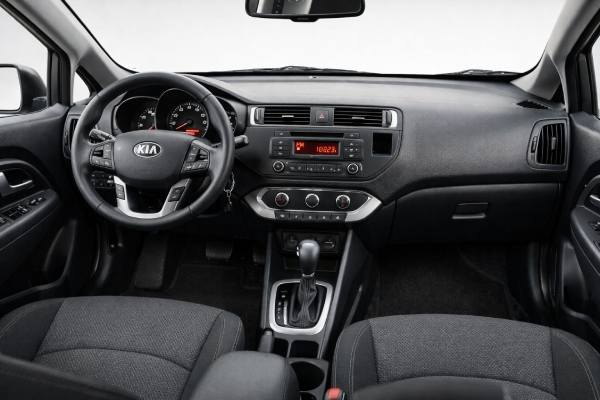
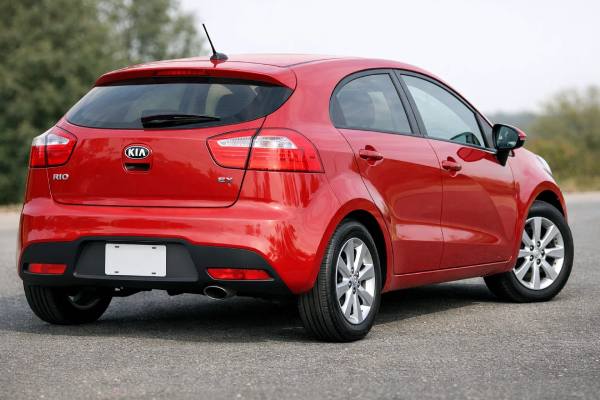
The 2012–2014 Kia Rio (UB) with the 1.6 GDI (138 hp) is one of the more interesting “simple” small cars of its era. On paper, it’s a straightforward front-wheel-drive hatch or sedan with a naturally aspirated four-cylinder. In practice, it blends modern-ish efficiency tech (gasoline direct injection) with relatively low running costs and a chassis that feels more grown-up than many budget subcompacts. The big ownership story is balance: the Rio is usually easy to live with, yet the GDI hardware rewards correct oil, good fuel, and a driving pattern that occasionally gets the engine fully warm.
If you’re shopping used, this guide focuses on what changes your outcome: correct specs for the 138 hp GDI variant, the trim and safety differences that matter, and the maintenance habits that keep the car quiet, smooth, and economical well past 150,000 km.
Owner Snapshot
- Strong value if you want a simple, non-turbo petrol car with a modern 6-speed gearbox option.
- Better highway stability than many “city-first” subcompacts, especially on the more common 16-inch setups.
- GDI low-end torque is useful in traffic, but it’s happiest on clean intake valves and fresh plugs.
- Watch for neglected oil service or short-trip use; both can accelerate deposits and idle issues.
- Plan engine oil and filter every 10,000–12,000 km (6,000–7,500 mi) or 12 months (shorten for severe use).
Contents and shortcuts
- Kia Rio UB 1.6 GDI model brief
- Kia Rio UB 1.6 GDI full specifications
- Kia Rio UB equipment grades and safety tech
- Common problems, recalls, and fixes
- Maintenance schedule and buyer tips
- How it drives and fuel use
- Competitors and best alternatives
Kia Rio UB 1.6 GDI model brief
The Kia Rio (UB) sits in the “B-segment” sweet spot: compact outside, usable inside, and engineered to survive daily life without demanding specialty parts or complex drivetrains. The 1.6 GDI variant (138 hp) is the key difference versus the smaller engines offered in many markets. It uses gasoline direct injection (GDI), which injects fuel directly into the combustion chamber. The upside is crisp response and good economy for the power. The trade-off is that, like most early GDI engines, it can be more sensitive to short-trip use, oil quality, and intake-valve deposits over time.
Most buyers will encounter either a 6-speed manual or a 6-speed automatic. The manual is typically lighter and a bit more efficient in mixed driving, while the automatic is the “easy win” for commuting because it keeps the engine in its torque band with fewer rev spikes. Driveline layout is simple: front-wheel drive with an open differential, and no AWD option on this generation.
Chassis design is conventional and cost-effective—MacPherson struts up front and a torsion-beam rear axle. That sounds basic, but it’s also why these cars can age well: fewer joints, fewer expensive arms, and generally straightforward alignment work. The Rio’s curb weight stays modest, which helps brakes, tires, and fuel consumption.
What matters most when you own one is consistency. This engine likes regular oil service, correct spark plugs, and a cooling system that isn’t neglected. Do those basics, and the Rio is often a dependable “transport appliance” that still feels pleasant at highway speed. Skip them, and you’re more likely to chase rough idle, misfires under load, or a persistent check-engine light tied to airflow and fueling corrections.
Kia Rio UB 1.6 GDI full specifications
Specs can vary slightly by market, body style (sedan vs hatch), wheel size, and emissions calibration. The tables below reflect the typical 1.6 GDI (138 hp) setup used across many regions in 2012–2014. Treat them as a strong baseline and verify with your VIN-specific documentation.
Powertrain and efficiency (1.6 GDI, 138 hp)
| Item | Typical value |
|---|---|
| Engine code | Gamma 1.6 GDI (varies by market) |
| Layout | Inline-4, aluminum head, DOHC |
| Valvetrain | 4 valves/cyl (16-valve) |
| Displacement | 1.6 L (≈1,591 cc) |
| Induction | Naturally aspirated |
| Fuel system | GDI (direct injection) |
| Compression ratio | ~11.0:1 |
| Max power | 138 hp (103 kW) @ ~6,300 rpm |
| Max torque | 167 Nm (123 lb-ft) @ ~4,850 rpm |
| Timing drive | Chain (typical for this engine family) |
| Rated efficiency | Commonly ~6.5–7.5 L/100 km combined (≈31–36 mpg US) |
| Real-world highway @ 120 km/h (75 mph) | Often ~6.8–7.8 L/100 km (≈30–35 mpg US), wheel/tyre dependent |
Transmission and driveline
| Item | Typical value |
|---|---|
| Transmission | 6-speed manual or 6-speed automatic (market-dependent) |
| Drive type | FWD |
| Differential | Open |
Chassis and dimensions (common range)
| Item | Typical value |
|---|---|
| Suspension (front/rear) | MacPherson strut / torsion beam |
| Steering | Electric power steering (EPS), rack-and-pinion |
| Brakes (front/rear) | Ventilated discs / rear discs or drums (trim/market dependent) |
| Wheels/tyres (popular) | 185/65 R15 or 205/45 R17 (sport trims) |
| Ground clearance | ~140–155 mm (5.5–6.1 in) |
| Length | ~4,045–4,120 mm (159–162 in) |
| Width | ~1,720 mm (67.7 in) |
| Height | ~1,455 mm (57.3 in) |
| Wheelbase | ~2,570 mm (101.2 in) |
| Turning circle | ~10.2 m (33.5 ft) kerb-to-kerb |
| Kerb weight | ~1,060–1,180 kg (2,340–2,600 lb) |
Performance (typical)
| Metric | Typical value |
|---|---|
| 0–100 km/h (0–62 mph) | ~9.5–10.5 s (transmission dependent) |
| Top speed | ~190–200 km/h (118–124 mph) |
| Braking 100–0 km/h | Commonly ~38–41 m (driver/tyre dependent) |
| Payload | Usually ~380–480 kg (840–1,060 lb), varies by GVWR |
Fluids and service capacities (decision-grade)
| Fluid | Typical specification | Typical capacity |
|---|---|---|
| Engine oil | Quality 5W-20 or 5W-30 meeting modern API/ILSAC equivalents (market dependent) | ~3.5–4.0 L (3.7–4.2 US qt) |
| Coolant | Long-life ethylene glycol coolant, correct mix ratio per climate | ~5–6 L (5.3–6.3 US qt) |
| Automatic transmission fluid | Manufacturer-specified ATF only | Verify by transmission code |
| Manual gearbox oil | Manufacturer-specified gear oil | Verify by gearbox code |
| A/C refrigerant | R-134a (typical for era/market) | Label under hood |
Key torque specs (critical fasteners only; verify per manual)
| Fastener | Typical range |
|---|---|
| Wheel nuts | ~88–108 Nm (65–80 lb-ft) |
| Spark plugs | ~18–25 Nm (13–18 lb-ft) |
| Engine oil drain plug | Commonly ~30–40 Nm (22–30 lb-ft) |
Kia Rio UB equipment grades and safety tech
Trim structure depends heavily on region, but the pattern is consistent: a base trim focused on price, a mid-trim adding comfort features, and a higher trim adding wheels, infotainment, and appearance upgrades. In many markets you’ll see naming like LX/EX/SX, “1/2/3,” or similar. For the 1.6 GDI specifically, the engine often appears in upper trims or as an option on mid-trims, which matters because higher trims sometimes bring different brakes, tyres, and stability-control programming.
Trims and options that change ownership
- Wheels and tyres: 15-inch tyres are usually cheaper, quieter, and more forgiving on rough roads. 17-inch sport packages sharpen steering response but can increase road noise and make pothole damage more likely.
- Rear brakes: Some variants use rear drums; others use rear discs. Discs are easier to inspect and can feel more consistent under repeated braking, but drum systems can last a long time in light-duty use.
- Infotainment and cameras: Upgraded head units and backup cameras are helpful, but aftermarket replacements can introduce battery drain if installed poorly. When shopping used, check for clean wiring and normal sleep current.
- Climate control: Manual HVAC is simpler and tends to age well. Automatic climate is convenient but adds more sensors and actuators that can fail later (usually low cost, but annoying).
- Cruise control: A “must-have” for frequent highway driving because it stabilizes consumption and reduces fatigue.
Quick identifiers when shopping
- Badges are not enough. Many cars were de-badged or re-badged. Confirm engine by VIN decoding, emissions label under the hood, and the intake manifold/fuel rail layout typical of a GDI engine (high-pressure fuel pump present).
- Interior tells: Higher trims often have steering-wheel audio controls, a better instrument cluster, and upgraded seat fabric. Use these to cross-check the seller’s claim.
Safety ratings and what they mean here
Safety ratings can vary by body style, airbags, and test year. For many Rio (UB) configurations, Euro NCAP results show strong occupant protection for the class, but “safety assist” scoring may be low on standard-equipment cars because advanced driver-assistance systems were limited or optional. In some regions, the car also has ratings from other bodies that emphasize different tests and real-world crash modes.
Safety systems and ADAS in 2012–2014
Expect the fundamentals on most trims:
- Multiple airbags (front, side, and curtain availability varies by trim/market)
- ABS and electronic stability control (ESC) widely available and often standard in Europe
- ISOFIX/LATCH child-seat anchors (confirm rear-seat configuration)
ADAS features like autonomous emergency braking (AEB), lane assist, or adaptive cruise control were typically not standard for this generation and may not be available at all, depending on market. If you’re buying a car with optional safety tech, budget for calibration after windshield replacement, front-end repairs, or alignment work. Even basic camera-based systems can misbehave if the mounting angle changes.
Common problems, recalls, and fixes
The Rio (UB) with the 1.6 GDI is usually durable, but it has a few repeat patterns that show up with age, mileage, and usage style. The most useful way to think about problems is by prevalence and cost tier.
Common (low to medium cost)
- Rough idle or cold-start stumble (often 80,000–160,000 km):
Symptoms: shaky idle, occasional misfire codes, hesitation after startup.
Likely cause: intake-valve deposits (a common GDI trait), dirty throttle body, or tired spark plugs.
Remedy: correct spark plugs first, inspect PCV system, clean throttle body, and consider intake-valve cleaning if symptoms persist. - Ignition coil wear (age and heat related):
Symptoms: misfire under load, flashing check-engine light, fuel smell.
Likely cause: coil breakdown or plug gap growth.
Remedy: replace the failing coil(s), install correct plugs, and confirm no oil in plug wells. - EVAP small leaks (often older cars):
Symptoms: intermittent check-engine light, fuel odor near filler area.
Likely cause: loose/damaged gas cap, cracked purge lines, or charcoal canister vent issues.
Remedy: smoke test is the fastest route; avoid random parts swapping.
Occasional (medium cost)
- High-pressure fuel system sensitivity:
Symptoms: long crank, reduced power, lean codes, or inconsistent throttle response.
Likely cause: fuel quality issues, injector deposits, or high-pressure pump wear.
Remedy: use correct fuel grade for your market, keep the low-pressure fuel filter service up to date (if serviceable), and address codes with fuel-pressure data rather than guesswork. - Cooling system aging (8–12 years):
Symptoms: slow coolant loss, heater performance changes, overheating in traffic.
Likely cause: radiator end-tank seepage, thermostat wear, or aging hoses/clamps.
Remedy: pressure test, replace suspect hoses, and refill with the correct long-life coolant mix.
Rare but higher cost
- Timing chain noise or correlation faults:
Symptoms: rattling on cold start, cam/crank correlation codes.
Likely cause: chain stretch or tensioner wear (often tied to extended oil intervals).
Remedy: verify with diagnostic data; if confirmed, replace chain/tensioner/guides as a set.
Software, calibrations, and service actions
Even without complex ADAS, these cars can benefit from ECU or transmission software updates that address drivability, idle stability, or shift logic. If a seller mentions a persistent drivability complaint “that the dealer fixed with an update,” ask for the invoice. It’s valuable proof that the issue was handled in the intended way.
Recalls and how to verify
Recall coverage depends on market, and campaigns can be VIN-specific. The safest process:
- Run an official VIN recall lookup for your region.
- Ask the seller for dealer repair orders showing completion.
- Confirm warning lights are off and no recall-related symptoms remain.
If you’re buying remotely, request a photo of the VIN plate and a screenshot of the official recall lookup result taken the same day.
Maintenance schedule and buyer tips
A Rio (UB) 1.6 GDI can be inexpensive to own, but only if you treat maintenance as a routine, not a rescue. Below is a practical schedule you can apply in most markets; shorten intervals for severe use (short trips, dusty roads, extreme heat/cold, heavy city traffic).
Practical maintenance schedule
- Engine oil and filter: every 10,000–12,000 km (6,000–7,500 mi) or 12 months.
Severe use: 7,500 km (5,000 mi) is a sensible target for long-term cleanliness in a GDI engine. - Engine air filter: inspect every oil service; replace every 20,000–30,000 km (12,000–18,000 mi) or sooner in dust.
- Cabin air filter: every 15,000–20,000 km (9,000–12,000 mi) or annually.
- Spark plugs: typically 60,000–100,000 km (40,000–60,000 mi) depending on plug type and market. Use the exact heat range and design specified for the GDI engine.
- Coolant: commonly 5 years / 100,000 km then every 2–3 years after (verify your coolant type and official schedule).
- Brake fluid: every 2 years, regardless of mileage.
- Automatic transmission fluid (if automatic): a conservative interval is 60,000–100,000 km (40,000–60,000 mi), especially if driven in heat or heavy traffic. Use only the specified ATF.
- Manual gearbox oil (if manual): inspect for leaks; consider change around 100,000–150,000 km if shifting quality degrades.
- Serpentine/aux belt and hoses: inspect annually after year 6; replace if cracked, glazed, or noisy.
- 12 V battery: test annually after year 4; typical replacement window 4–6 years.
Fluids, specs, and “don’t guess” rules
- Match oil viscosity to climate and the official spec for your market. If the engine is noisy on cold starts, don’t jump to thicker oil until you’ve confirmed the correct grade and filter quality.
- Use correct coolant and proper mixing. Mixing incompatible coolants can reduce corrosion protection.
Buyer’s guide: what to inspect before purchase
- Cold start behavior: listen for timing chain rattle, observe idle stability, and watch for misfire vibrations.
- Service history quality: look for consistent oil intervals, not just “it was serviced.” A stamped book with missing dates is less valuable than itemized invoices.
- Check-engine and readiness: ensure no pending codes. If the seller recently cleared codes, be cautious—some issues return after a few drive cycles.
- Oil level and smell: low oil or fuel-diluted oil suggests neglect or fueling issues.
- Cooling system: inspect for crusty residue at hose joints and radiator seams.
- Suspension and tires: uneven wear can signal alignment problems or bent components from potholes.
Long-term durability outlook
With steady oil service and correct ignition maintenance, the 1.6 GDI Rio often ages into a predictable, low-drama commuter. Most expensive surprises come from neglect (extended oil intervals, ignored misfires) rather than inherent design flaws.
How it drives and fuel use
The Rio (UB) is at its best when you treat it like a “small car that wants to be grown-up.” The chassis is simple, but the tuning tends to feel stable and confidence-inspiring compared with softer, floatier rivals from the same period.
Ride, handling, and NVH
- Ride quality: On 15-inch wheels, the car is generally compliant over broken pavement and speed bumps. On 17-inch sport setups, impacts are sharper and road noise rises—still acceptable, but you’ll notice it on coarse asphalt.
- Straight-line stability: The wheelbase and steering calibration usually deliver calm highway tracking for a subcompact. Crosswinds will still move it around more than a larger car, but it rarely feels nervous.
- Steering feel: EPS steering is light at parking speeds and firms up slightly as speed increases. Feedback is “informational enough,” not sporty, but predictable.
- Braking feel: With good pads and fresh fluid, pedal response is consistent. If you feel a long pedal, suspect old fluid or rear-brake adjustment issues (especially on drum variants).
Powertrain character
The 1.6 GDI’s defining trait is how willingly it pulls from mid-range rpm without needing a turbo. It won’t feel fast in a modern performance sense, but it’s responsive enough to merge confidently. The engine is smooth when maintained, and it tends to sound more “mechanical” than port-injected engines at certain loads—normal for this design.
- Manual: direct, light shifts; easy to drive in traffic, though the clutch feel varies with wear.
- Automatic: generally smooth and well-matched to the engine. If you notice hunting between gears on gentle hills, it can sometimes be improved with a fluid refresh (correct spec) and ensuring the engine is running cleanly (no misfires, no vacuum leaks).
Real-world efficiency
Real-world results depend on tyres, traffic, and climate, but typical patterns look like this:
- City: ~7.5–9.0 L/100 km (26–31 mpg US; 31–38 mpg UK)
- Highway (100–120 km/h): ~6.3–7.8 L/100 km (30–37 mpg US; 36–45 mpg UK)
- Mixed: ~6.8–8.0 L/100 km (29–35 mpg US; 35–41 mpg UK)
Cold weather can add noticeable consumption due to longer warm-up time and winter fuel blends. Short trips are the biggest efficiency killer and also the biggest “deposit accelerator” on GDI engines—another reason this car benefits from occasional longer drives.
Competitors and best alternatives
The Rio (UB) 1.6 GDI sits in a crowded field, and the “best rival” depends on what you value: steering feel, cabin space, long-term simplicity, or safety scores.
Hyundai Accent (RB)
Often the closest mechanical cousin, the Accent can feel slightly different in ride tuning and interior design, but ownership logic is similar. If you find a cleaner Accent with better history at the same price, it’s a valid swap. Choose based on condition and service records, not badge.
Ford Fiesta (non-turbo variants)
The Fiesta is frequently the driver’s choice for steering and chassis feel. The trade-off is that some Fiesta powertrains and electronics can be more sensitive as they age, and parts pricing can vary by region. If you prioritize handling and don’t mind slightly higher “ownership attention,” it’s a good alternative.
Toyota Yaris
The Yaris often wins on simplicity and long-run predictability, especially with conservative engine tech. It may feel less eager than the 1.6 GDI Rio in mid-range pull, but it can be a top pick for minimal fuss. If your priority is “buy it and forget it,” a well-kept Yaris is hard to argue with.
Volkswagen Polo (and similar European rivals)
European competitors can feel more solid in cabin materials and high-speed composure, but repair costs can be higher depending on engine and region. If you’re shopping a Polo-class alternative, focus on service history, timing components (belt vs chain), and DSG/automatic maintenance (where applicable).
How to choose the right one
- Pick the Rio 1.6 GDI if you want a straightforward petrol drivetrain with good response, easy parts availability in many markets, and solid highway manners for the class.
- Pick a Yaris if you value long-term simplicity over power feel.
- Pick a Fiesta if you want the sharpest handling experience and accept a bit more maintenance variability.
- Pick the cleanest car with the best history when prices are close—condition beats spec sheets in this segment.
References
- 2012 Kia Rio Documents 2012 (Manufacturer Documents) ([Kia Media][1])
- KIA MOTORS’ NEW 1.6-LITER GASOLINE DIRECT INJECTION ENGINE NAMED TO WARD’S “2012 10 BEST ENGINES” LIST 2011 (Manufacturer Press Release) ([Kia Media][2])
- Official Kia Rio safety rating 2017 (Safety Rating) ([Euro NCAP][3])
- 2012 Kia Rio 2012 (Safety Rating) ([IIHS-HLDI][4])
- Check for Recalls: Vehicle, Car Seat, Tire, Equipment | NHTSA 2025 (Recall Database) ([NHTSA][5])
Disclaimer
This article is for informational purposes only and is not a substitute for professional diagnosis, repair, or region-specific service guidance. Specifications, torque values, maintenance intervals, and procedures can vary by VIN, market, emissions calibration, and installed equipment. Always verify details using official owner and service documentation for your specific vehicle.
If this guide helped you, consider sharing it on Facebook, X (Twitter), or your favorite forum to support our work.