

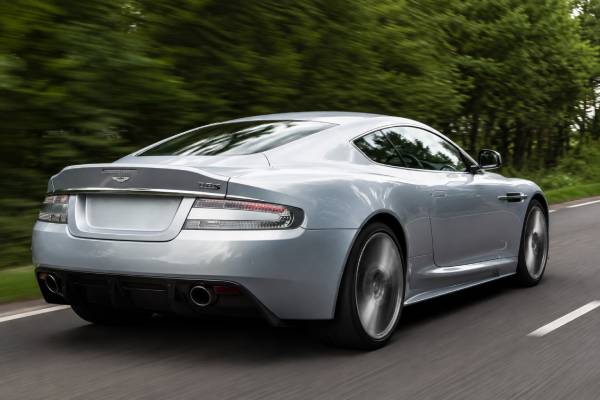
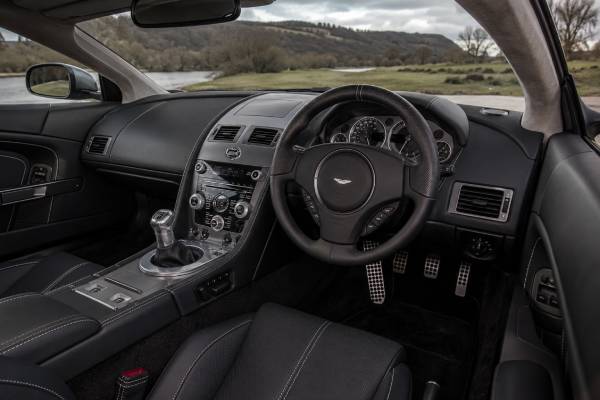
The 2007–2012 Aston Martin DBS is the most focused road car built from the company’s VH-era grand-touring platform. It combines a naturally aspirated 5.9-litre V12, rear-mounted transaxle, carbon-ceramic brakes, adaptive dampers, and extensive carbon-fibre bodywork in a shape closely associated with the Daniel Craig James Bond films. The result is not a stripped track car. It is a fast, dramatic 2+2 grand tourer with unusually direct steering, strong high-speed stability, and enough comfort for long journeys.
Today, condition matters far more than mileage alone. A properly maintained DBS can feel tight, special, and mechanically robust, while a neglected example can generate large bills through brakes, dampers, clutch components, cooling-system work, cosmetic carbon damage, or low-voltage electrical faults. This guide explains the exact specification, engineering, model-year considerations, maintenance priorities, and pre-purchase checks that matter most.
Table of Contents
- DBS character and position
- Technical specifications
- V12 and transaxle engineering
- Chassis, brakes, and aerodynamics
- Model years, transmissions, and options
- Maintenance and problem areas
- Buying and owning a DBS
DBS character and position
The DBS is best understood as a sharper, lighter, more powerful flagship derived from the DB9 rather than as a conventional supercar. It retains a front-engine 2+2 layout and long-distance refinement, but adds a higher-output V12, carbon body panels, carbon-ceramic brakes, firmer adaptive suspension, and a more aggressive aerodynamic package.
Aston Martin revealed the production DBS at Pebble Beach in 2007. The car followed the DBS seen in Casino Royale and later appeared in Quantum of Solace, but its significance extends beyond the film connection. It replaced the first-generation Vanquish S as the company’s highest-performance series model and introduced several technologies to the regular Aston Martin road-car range.
The bonded aluminium VH structure provides the central architecture. “VH” refers to Aston Martin’s Vertical/Horizontal platform strategy, which used aluminium extrusions, castings, and bonded panels to create a rigid structure adaptable to different wheelbases and models. The DBS then added carbon-fibre panels, including the bonnet, front wings, door surrounds, boot-lid area, and other exterior pieces depending on specification. These panels reduced mass high in the body and gave the car its distinctive vents and sculpted surfaces.
The driving personality is defined by three qualities:
- Immediate engine response: The naturally aspirated V12 builds power progressively and responds without turbo lag.
- Balanced weight distribution: The rear transaxle and carbon-fibre propeller shaft move drivetrain mass rearward.
- High mechanical feedback: Hydraulic steering, a firm brake pedal, and relatively little isolation make the car feel more analogue than later Aston Martins.
It is still a large GT. The DBS is wide, has limited rear-seat space, and asks for care on rough roads, ramps, and narrow parking entrances. Its value comes from combining theatre and usability, not from delivering the lightest or fastest numbers in its class.
Technical specifications
The DBS is a petrol-only, naturally aspirated internal-combustion car. Its 5,935 cc V12 drives the rear wheels through either a six-speed manual transaxle or the optional six-speed Touchtronic 2 automatic introduced during production. Specifications can differ slightly by market, model year, transmission, wheel choice, and measurement standard, so VIN-specific documentation remains the final authority.
| Specification | Value |
|---|---|
| Engine | All-alloy 5,935 cc, 60-degree V12 |
| Valvetrain | Quad overhead camshafts, 48 valves |
| Induction | Naturally aspirated |
| Maximum power | 510 bhp (517 PS; 380 kW) at 6,500 rpm |
| Maximum torque | 570 Nm (420 lb-ft) at 5,750 rpm |
| Fuel | Premium unleaded petrol; use the octane grade specified for the market |
| Engine position | Front mid-mounted |
| Specification | Value |
|---|---|
| Standard early transmission | Rear mid-mounted six-speed manual transaxle |
| Optional transmission | Six-speed Touchtronic 2 automatic transaxle |
| Drive | Rear-wheel drive |
| Propeller shaft | Carbon-fibre shaft inside an alloy torque tube |
| Rear differential | Limited-slip differential |
| Specification | Manufacturer figure |
|---|---|
| 0–100 km/h (0–62 mph) | 4.3 seconds |
| Maximum speed | Approximately 306 km/h (190 mph) |
| Seating | 2+2 |
| Fuel tank | Approximately 78 litres (20.6 US gal) |
| Specification | Value |
|---|---|
| Body structure | Bonded aluminium VH architecture with composite and carbon-fibre panels |
| Front suspension | Independent double wishbones, coil springs, anti-roll bar, adaptive dampers |
| Rear suspension | Independent double wishbones, coil springs, anti-roll bar, adaptive dampers |
| Front brakes | 398 mm ventilated carbon-ceramic discs, six-piston monobloc calipers |
| Rear brakes | 360 mm ventilated carbon-ceramic discs, four-piston monobloc calipers |
| Factory wheel diameter | 20 inches |
| Typical front tyre | 245/35 ZR20 |
| Typical rear tyre | 295/30 ZR20 |
| Specification | Value |
|---|---|
| Length | 4,720 mm (185.8 in) |
| Width | 1,905 mm (75.0 in), excluding mirrors |
| Height | 1,280 mm (50.4 in) |
| Wheelbase | 2,740 mm (107.9 in) |
| Kerb weight | Approximately 1,695 kg (3,737 lb), depending on definition and equipment |
| Weight distribution | Approximately 51% front / 49% rear |
Official fuel-consumption figures depend heavily on market test procedures and transmission. In ordinary use, the important ownership point is that a 5.9-litre V12 in a heavy GT consumes fuel rapidly in town and improves noticeably on steady motorway runs. Buyers should budget for fuel as a normal running cost rather than treating the official combined number as a likely everyday result.
V12 and transaxle engineering
The DBS powertrain is valuable because it delivers its performance through displacement, revs, and throttle response rather than forced induction. The engine’s 510 bhp output is modest beside newer turbocharged flagships, but the way it reaches that output gives the car much of its appeal.
The V12 uses four camshafts and four valves per cylinder. Airflow revisions, a higher compression ratio than lesser contemporary applications, freer breathing, and engine-management calibration help produce the DBS output. Peak torque arrives high by modern turbo standards, so the engine rewards deliberate gear selection. Below the upper rev range it is smooth and flexible; above roughly 4,000 rpm it becomes harder-edged and much more urgent.
The rear transaxle is central to the car’s balance. Instead of bolting the gearbox directly behind the engine, Aston Martin places the gearbox and differential assembly at the rear. A torque tube links the engine to the transaxle, with a lightweight carbon-fibre propeller shaft running inside it. This arrangement helps keep the major masses between the axles and prevents the nose-heavy feel that can affect large front-engine cars.
Manual transmission
The six-speed manual offers the strongest mechanical connection and is particularly desirable to collectors. Its clutch can feel weighty, and the shift may be reluctant when cold, but a healthy car should engage gears cleanly once warmed. A high bite point, slipping under full load, judder when moving away, or noise from the clutch and flywheel area requires investigation. Replacement work is labour-intensive because the driveline layout is more complex than a conventional front-mounted gearbox.
The manual is not automatically the best choice for every owner. It suits drivers who enjoy planning shifts and using the V12’s rev range, but it can be tiring in heavy traffic. A poor-quality clutch replacement or incorrect setup can also spoil the experience, so invoices from a recognised Aston Martin specialist add real value.
Touchtronic 2 automatic
The six-speed Touchtronic 2 automatic broadens the DBS’s GT role. It can shift automatically or respond to steering-column paddles. It is slower and less sophisticated than the eight-speed units in later Aston Martins, yet it works well when fluid condition, software, mounts, and driveline components are healthy.
During a test drive, check for delayed engagement when selecting Drive or Reverse, harsh low-speed changes, flaring between ratios, and thumps when coming on or off the throttle. One abrupt shift does not prove internal failure; low battery voltage, adaptation values, mounts, or software can affect behaviour. Diagnosis should come before parts replacement.
Chassis, brakes, and aerodynamics
The DBS chassis is designed to make a large GT feel alert without removing its ability to cover distance. The combination of double-wishbone suspension, adaptive dampers, carbon-ceramic brakes, wide tyres, and hydraulic steering is more important to its character than the headline power figure.
Adaptive damping allows the car to change between a more compliant road setting and a firmer performance setting. Even in its softer mode, the DBS is controlled and relatively taut. It should not bounce repeatedly after a crest, crash over small road inputs, or feel loose at the rear. Leaking dampers, worn bushes, damaged springs, incorrect alignment, or old tyres can all make the car feel nervous.
The steering is hydraulic and communicates front-tyre load clearly. Heavy steering at parking speed is normal compared with modern electric systems. Pulling to one side, a steering wheel that sits off-centre, or uneven tyre wear is not. Because the tyres are wide and low-profile, wheel alignment must be carried out by a workshop familiar with the platform and the correct ride-height conditions.
Carbon-ceramic brakes were a major technical feature. Their large discs reduce unsprung mass and resist fade at high temperatures, but they are expensive to replace. A pre-purchase inspection should assess disc condition rather than simply measuring pad thickness. Look for edge damage, impact chips, abnormal surface deterioration, deep scoring, and evidence that unsuitable wheel-cleaning chemicals have been used. Carbon-ceramic discs can last a long time in normal road use, yet one damaged disc can change the economics of an otherwise attractive car.
The exterior aerodynamics are functional as well as visual. The deep front splitter, vented bonnet, side strakes, sculpted sills, and rear diffuser manage cooling and high-speed stability. Inspect the underside of the splitter and diffuser closely. A car can look perfect at eye level while hiding costly damage from ramps or road debris. Carbon repairs should be documented, correctly finished, and checked for alignment.
Model years, transmissions, and options
There was no single dramatic mechanical redesign during 2007–2012, but specification evolved and individual cars vary greatly. Buyers should identify the exact build date, market, transmission, seating configuration, wheel design, audio system, trim, and special-edition status rather than relying only on the registration year.
Early cars are most closely associated with the original launch specification and six-speed manual. Touchtronic 2 broadened availability and became common because it suited the DBS’s grand-touring use. Neither transmission makes the car inherently better; rarity, condition, and buyer preference matter more.
Aston Martin offered extensive personalisation. Exterior colours range from restrained metallic shades to vivid special-order finishes. Interiors may combine leather, Alcantara, carbon-fibre trim, contrast stitching, and different seat treatments. Some cars have two rear seats, while others use lightweight rear shelving or different regional arrangements. Factory provenance is important because later cosmetic conversions can imitate rare specifications.
Several limited or commemorative derivatives appeared near the end of production. These can carry a premium, but the premium should follow documentation, originality, and condition. Badges, wheel finishes, paint colour, and upholstery alone are not sufficient proof. A build-sheet check through Aston Martin or a marque specialist is appropriate before paying collector money.
Useful equipment to test includes:
- seat adjustment, heating, and memory;
- navigation screen lift and display quality;
- audio, Bluetooth, and telephone functions;
- parking sensors;
- tyre-pressure monitoring;
- air conditioning in all temperature settings;
- door glass drop and rise when opening and closing;
- remote locking, alarm, and both keys;
- adaptive-damper mode indication.
The infotainment is dated by current standards. That is a usability limitation, not necessarily a fault. Discreet reversible upgrades may improve phone integration, but permanent dashboard alterations can reduce originality and resale appeal.
Maintenance and problem areas
A DBS should be serviced on time even when it covers very little mileage. Fluids age, tyres harden, batteries discharge, seals dry, and brakes can corrode or bind while a car sits. Annual specialist attention is usually more valuable than a low odometer reading supported by long service gaps.
Engine and cooling system
The V12 should start promptly from cold, settle to an even idle, and pull cleanly without warning lights. A brief rise in mechanical noise immediately after start can occur, but sustained ticking, knocking, smoke, or unstable idle needs diagnosis. Inspect for oil seepage around cam covers, timing-cover areas, oil-cooler connections, and the lower engine. Small leaks can spread across undertrays and appear less localised than they are.
Cooling-system condition is critical on any high-output aluminium engine. Check the expansion tank level only when cold, inspect hose junctions and radiators for staining, and confirm the electric fans operate correctly. Temperature should remain stable in traffic. A history of overheating deserves caution even if the car currently drives normally.
Ignition coils, spark plugs, oxygen sensors, and intake leaks can cause misfires or warning lights. A diagnostic scan should include stored and pending codes, not only active dashboard warnings. Clearing codes immediately before sale can hide intermittent faults, so readiness status and fault history are useful.
Driveline, suspension, and brakes
Manual cars need a careful clutch assessment; automatic cars need smooth engagement and consistent shifts. On both, listen for clonks from the torque tube, differential, driveshafts, or mounts when alternating between acceleration and overrun. Some driveline feel is normal in a tightly connected transaxle car, but sharp knocks are not.
Adaptive dampers are expensive and should be dry. Worn suspension bushes can create vague steering, braking instability, and uneven tyre wear. Check the inside shoulders of all four tyres, because the outer tread can look healthy while inner edges are worn. Confirm tyre date codes: age matters even when tread depth is high.
Brake inspection should include the parking brake, caliper condition, hose condition, and fluid age. Carbon-ceramic systems require correct pads and careful wheel removal. A workshop unfamiliar with them can damage discs by striking them with a wheel.
Body, cabin, and electrical system
The bonded aluminium structure resists traditional steel rust, but corrosion can still appear at fasteners, panel interfaces, or areas of poor repair. Look for paint bubbling around trim, door handles, mirrors, wheel arches, and panel edges. Check panel gaps and paint depth because replacement carbon panels are costly.
Low battery voltage can produce misleading electrical warnings. A healthy, correctly specified battery and compatible conditioner are important for cars used infrequently. Confirm that the battery is secured, charging voltage is correct, and no aftermarket wiring has been added carelessly.
Water ingress should be taken seriously. Inspect carpets, the boot, rear trim, and electronic-module areas for dampness or staining. Blocked drains, failed seals, or previous glass work can allow moisture into areas that are expensive to access.
Buying and owning a DBS
The best DBS is the car with the strongest evidence of correct care, not automatically the newest or lowest-mileage example. A full history, cold-start inspection, diagnostic scan, lift inspection, paint assessment, and carbon-ceramic brake report are reasonable requirements before purchase.
Use this sequence:
- Verify identity. Match the VIN, registration documents, build specification, engine designation, transmission, and special-edition claims.
- Review maintenance chronologically. Look for regular annual servicing, brake-fluid changes, spark-plug work, coolant attention, transmission or clutch invoices, and tyre replacement dates.
- Inspect cold. Ask the seller not to pre-warm the car. Check starting, exhaust smoke, warning lights, idle quality, fluid leaks, and battery behaviour.
- Drive through several conditions. Include low-speed manoeuvres, rough surfaces, steady cruising, strong acceleration after warm-up, and repeated braking.
- Inspect on a lift. Examine the splitter, diffuser, undertrays, leaks, suspension, brake discs, tyres, and evidence of impact.
- Price deferred work before agreeing a figure. A cheap car needing tyres, dampers, brake components, paint correction, and clutch work can exceed the cost of a better example.
A sensible ownership fund should cover routine annual service plus an allowance for age-related repairs. Costs are highly regional, but DBS parts and labour reflect its flagship status. Carbon body pieces, ceramic brakes, dampers, transaxle work, and bespoke interior trim can each be substantial. An independent specialist familiar with VH-platform Aston Martins can often provide continuity and deeper model knowledge, while an authorised dealer remains useful for factory campaigns, software, keys, and provenance checks.
The manual car has stronger collector appeal because modern front-engine V12 GTs with a clutch pedal are rare. The Touchtronic 2 car can be easier to use regularly and may offer better value. Purchase according to intended use rather than speculation. A manual kept only for rarity may disappoint in urban traffic; an automatic bought by a driver seeking maximum interaction may feel less special.
The DBS suits an owner who values naturally aspirated response, design, rarity, and occasion. It is less suitable for someone expecting modern infotainment, low running costs, easy city visibility, or ordinary-car repair pricing. Used as intended and maintained before problems compound, it remains one of the most distinctive Aston Martins of its period.
References
- DBS & DBS Volante | Casino Royale Car | Aston Martin (UK) 2026 (Historic Model Page)
- DBS – 2026 (Manufacturer Media Archive)
- Introducing the new DBS Superleggera: two illustrious names; one magnificent Super GT | Aston Martin USA 2018 (Model History and Technical Context)
- Vehicle Detail Search – 2009 ASTON MARTIN DBS | NHTSA 2026 (Recall Database)
- October 1, 2010 2010 (Safety Recall Acknowledgement)
- Aston Martin Luxury Car Servicing | Aston Martin 2026 (Manufacturer Service Information)
Disclaimer
This article is for informational purposes and is not a substitute for professional diagnosis, inspection, or repair. Specifications, torque values, service intervals, procedures, and recall applicability can vary by VIN, market, build date, transmission, and equipment. Verify every critical detail against the car’s official owner and workshop documentation and obtain specialist advice before purchase or repair.
Please share this guide on Facebook, X/Twitter, or another community you use if it helped you; doing so supports the creation of more detailed owner resources.