
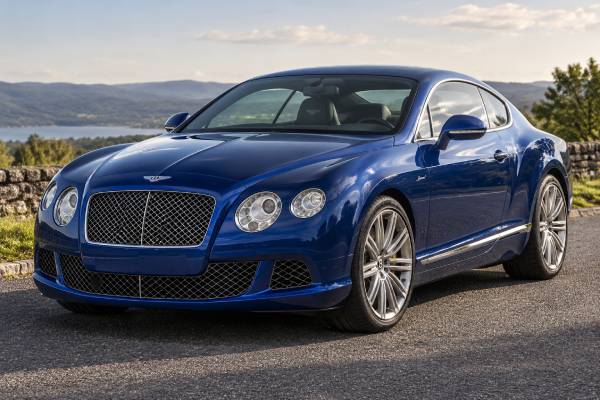
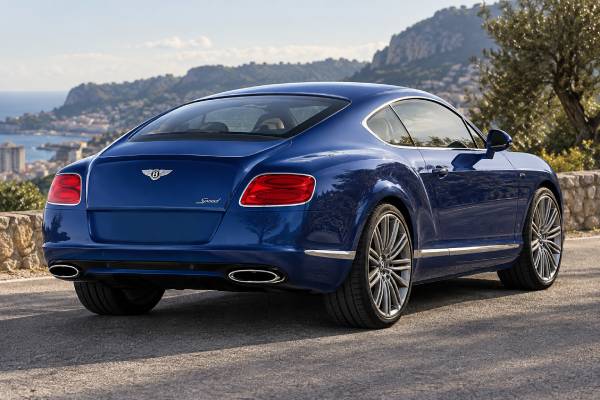
The 2012–2014 Continental GT Speed marked a decisive change in Bentley’s fast-coupe formula. It kept the familiar 6.0-liter twin-turbo W12, but paired 616 bhp and 800 Nm (590 lb-ft) with an eight-speed ZF automatic, rear-biased all-wheel drive, a lower chassis, and 21-inch wheels. Bentley quoted 330 km/h (205 mph), making this the company’s fastest production road car when introduced.
Its significance is not limited to top speed. The second-generation 393 body is stiffer, more finely finished, and more modern inside than the first-generation car, while the eight-speed transmission gives the W12 closer ratios and a calmer cruise. As a used purchase, however, the GT Speed remains a complex, heavy performance machine. Air suspension, carbon-ceramic brakes where fitted, cooling, tires, electronics, and the tightly packaged W12 all demand evidence-based inspection. Buyers also need to separate the original 616 bhp model covered here from the 626 bhp update that arrived for later model years. A correct build record and VIN-specific service history are therefore essential.
Table of Contents
- The Second-Generation Speed Formula
- 616 hp GT Speed Technical Data
- Eight Speeds and 205 mph Engineering
- What the Car Should Feel Like
- High-Value Maintenance Decisions
- Pre-Purchase Evidence to Demand
- Who Should Buy This Version
The Second-Generation Speed Formula
The 616 bhp GT Speed is best understood as the first full-performance derivative of the second-generation Continental GT. It combines greater power with transmission, suspension, aerodynamic, wheel, tire, and trim changes rather than relying on an engine calibration alone.
The W12 produces 49 bhp more than the contemporary 567 bhp Continental GT and adds 100 Nm of torque. Bentley achieved the output through revised turbocharger and engine-management settings while retaining the 5,998 cc architecture. Peak torque arrives from 1,700 rpm, so the car responds with immediate, sustained thrust rather than waiting for high engine speed.
The new eight-speed ZF automatic is one of the most important differences from the earlier 600 bhp Speed. Its lower first gear assists launch, the closely spaced middle ratios keep the engine in its broad torque band, and the two upper ratios reduce engine speed during touring. Steering-column paddles allow manual requests, but the transmission’s strength is how naturally it chooses ratios on its own.
Permanent all-wheel drive normally distributes torque 40:60 front to rear. This rear bias helps reduce the nose-led feel associated with earlier Continental calibrations while preserving security in rain or cold weather. The system is still traction-dependent: four correct, closely matched tires are a mechanical requirement, not a cosmetic preference.
Bentley lowered the ride height by 10 mm compared with the standard second-generation GT and retuned the air suspension, dampers, steering, and electronic stability control. The 21-inch wheels, 275/35 front and 275/35 rear tire fitment on many market specifications, dark matrix grilles, black-background winged badges, elliptical rifled exhausts, and Speed treadplates identify the model. Factory equipment can vary, so advertisements should not be treated as build records.
The years in this assignment require care. The model was announced in 2012 and generally sold as a 2013 model in several markets. Registrations, production dates, and model-year conventions overlap. The 616 bhp/625 PS specification is the defining scope. A later 626 bhp/635 PS GT Speed is a separate assignment even if exterior differences are subtle.
A potential buyer should therefore begin with identity: VIN, build date, factory specification, engine output designation, original market, and option list. Only after that should condition and price be compared. A well-kept standard GT with Speed badges is not a GT Speed, and a later 626 bhp car should not be described using the earlier specifications.
616 hp GT Speed Technical Data
At its core, the coupe combines Bentley’s longitudinal twin-turbo W12 with a torque-converter eight-speed and a permanently engaged four-wheel driveline. Its engineering priorities are sustained high-speed stability, broad torque, refined long-distance use, and predictable control of a 2.3-tonne body.
| Item | Specification |
|---|---|
| Engine | 5,998 cc twin-turbocharged W12 gasoline engine |
| Installation | Front, longitudinal |
| Construction | Aluminum-alloy block and cylinder heads |
| Valve gear | 48 valves, four overhead camshafts, variable cam timing |
| Maximum power | 616 bhp / 625 PS / 460 kW at 6,000 rpm |
| Maximum torque | 800 Nm (590 lb-ft) from about 1,700 rpm |
| Fuel requirement | Premium gasoline; follow the market handbook for approved octane and ethanol content |
| System | Factory layout |
|---|---|
| Transmission | ZF eight-speed automatic with column-mounted paddles |
| Drive system | Permanent all-wheel drive |
| Nominal torque split | 40 percent front / 60 percent rear |
| Front suspension | Four-link double wishbones, self-leveling air springs, anti-roll bar |
| Rear suspension | Trapezoidal multi-link, self-leveling air springs, anti-roll bar |
| Damping | Continuous electronic damping control |
| Ride height | 10 mm lower than the standard Continental GT |
| Steering | Speed-sensitive power-assisted rack and pinion |
| Item | Typical specification |
|---|---|
| Standard brakes | Large ventilated iron discs with electronic brake-force control |
| Optional brakes | Carbon-ceramic system; verify factory fitment and disc condition |
| Wheels | 21-inch Speed-design alloy wheels |
| Tires | Performance tires in Bentley-approved size, load, and speed rating |
| Driver aids | ABS, ESP, traction control, tire-pressure monitoring |
| Measure | Metric | Imperial |
|---|---|---|
| Wheelbase | 2,746 mm | 108.1 in |
| Overall length | 4,806 mm | 189.2 in |
| Body width | 1,943 mm | 76.5 in |
| Width including mirrors | 2,227 mm | 87.7 in |
| Overall height | 1,394 mm | 54.9 in |
| EU curb weight | 2,320 kg | 5,115 lb |
| Fuel tank | 90 L | about 23.8 US gal |
| Trunk volume | 358 L | 12.6 cu ft |
| Measure | Figure |
|---|---|
| 0–100 km/h | 4.2 seconds |
| 0–60 mph | 4.0 seconds |
| 0–160 km/h / 0–100 mph | about 9.0 seconds |
| Maximum speed | 330 km/h (205 mph) |
| European combined cycle | 14.5 L/100 km (about 19.5 mpg imperial) |
| Published U.S. cycle | 13 mpg city / 20 highway / 15 combined |
Figures differ with market rules, testing method, options, and later certification updates. Confirm tire pressures, fluids, capacities, torque values, and procedures in the correct official literature for the VIN.
Eight Speeds and 205 mph Engineering
The car’s 205 mph claim depends on more than horsepower. Gear ratios, cooling, underbody airflow, ride-height control, tire capability, aerodynamic lift, and electronic calibration all work together to keep the coupe stable and mechanically protected.
At normal road speed, the eight-speed transmission is the most noticeable improvement. First gear is short enough to move the heavy car decisively, while eighth allows relaxed cruising. A healthy unit should engage promptly, change smoothly under light load, and become firmer—but not violent—under full demand. Repeated flare, clunks, delayed selection, shudder, or a warning message require scan data and mechanical diagnosis.
The W12’s two turbochargers supply a broad pressure rise rather than a sudden hit. Because maximum torque begins near 1,700 rpm, the gearbox seldom needs to chase high revs. In a sound car, acceleration is uninterrupted and the engine note remains smooth. Hesitation, uneven boost, misfire under load, smoke, or strong fuel odor are faults, even if the vehicle still feels fast.
Cooling is critical. The engine, transmission, charge-air coolers, air conditioning, and brakes all reject heat through a crowded front end. Inspect radiator faces for debris and impact, fans for correct operation, coolant for contamination, and hoses and junctions for dried residue. Temperature should remain stable after a long idle, moderate acceleration, and a heat-soaked restart.
Aerodynamic control includes the smooth underbody and automatically deploying rear spoiler. The spoiler should move through its commanded cycle without a warning. Missing undertrays, damaged front ducting, or a poorly repaired rear mechanism can affect cooling and balance. No buyer needs to test maximum speed; normal operation, scan results, and physical inspection provide the evidence safely.
Air suspension changes both comfort and body position. At speed, the car can lower itself to reduce lift and improve stability. It should sit level after an overnight rest, rise without excessive compressor operation, and respond to driver-selected damping modes. A leaning corner, frequent compressor cycling, harsh ride, or implausible level readings points to leaks, sensors, dampers, wiring, or compressor wear.
The 40:60 driveline contributes to confident corner exit, but the coupe’s mass remains obvious. The best technique is smooth: brake before the bend, settle the chassis, then use the torque progressively. Abrupt steering and late braking ask the tires to manage too much energy at once. The GT Speed is extraordinarily capable, not physically light.
What the Car Should Feel Like
A good 616 bhp GT Speed should feel dense, precise, and calm rather than nervous or dramatic. Its speed is delivered with little strain, so vibration, wandering, inconsistent damping, or rough power delivery should stand out.
Begin the evaluation from cold. The starter should turn the engine confidently, idle should settle quickly, and warning lamps should complete their checks. A brief rise in mechanical noise may differ with temperature, but persistent rattle, ticking that follows load, or an unstable idle needs investigation. Check both exhaust outlets for abnormal smoke and compare temperatures where practical.
At parking speed, steering assistance should be light and consistent. Listen on full lock for tire scrub beyond what the wide tires naturally produce, knocking joints, or driveline binding. The brake pedal should be firm. Parking sensors, camera, power trunk, mirrors, seat movements, and keyless functions should all work; minor convenience failures can indicate low voltage or network issues that deserve a full scan.
On a smooth road, the car should track without steering correction. A pull may come from crown or pressure, but persistent drift points toward alignment, tires, brake drag, or impact damage. On coarse pavement, listen for wheel-bearing rumble, cupped tires, and interior buzz. The body structure itself should not creak sharply over diagonal inputs.
Cycle all damping settings. The change is subtle but real: softer modes allow more secondary movement, while firmer settings tighten body control. If every mode feels identical, scan the suspension system. If the car crashes over small ridges, inspect tires and wheel damage before assuming the dampers are solely responsible.
Acceleration should be assessed only with warm fluids and known-good tires. Use moderate load to check boost and shift quality. The transmission should choose a lower gear without a prolonged gap. Under steady throttle, the engine should not surge. Lift off and listen for driveline clonk, exhaust contact, or mount movement.
Brake from several lawful speeds. Iron discs may show a lip or surface marks, but there should be no steering shake, grinding, or pedal pulsation. Carbon-ceramic cars can produce different low-speed sounds, yet they still need proper assessment. A specialist should inspect chips, surface condition, approved wear criteria, pads, and history.
Finally, repeat idle and restart after the road test. Heat can expose weak batteries, starter problems, coolant seepage, fan faults, and intermittent sensors. A ten-minute showroom loop is inadequate for this car.
High-Value Maintenance Decisions
The most valuable maintenance choices are early diagnosis, correct parts, and regular use. Delaying a small air leak, misfire, coolant seep, or weak battery can damage adjacent systems and multiply the eventual bill.
Use the VIN-specific service schedule, but do not confuse minimum intervals with a complete ownership plan. Low-mileage cars still age. Brake fluid absorbs moisture, coolant loses protection, tires harden, batteries weaken, seals dry, drains block, and oil collects condensation. Annual inspections with written findings are useful even when the mileage trigger has not been reached.
Prioritize the following:
- Engine lubrication: use the approved oil specification and filter, inspect for leaks, and record quantity and mileage.
- Ignition and fueling: correct misfires promptly; coils, plugs, injectors, sensors, vacuum leaks, and fuel pressure need data-led diagnosis.
- Cooling and airflow: keep radiator packs clean, verify fan operation, pressure-test when residue is present, and replace damaged underbody ducting.
- Transmission and AWD: follow approved fluid procedures, investigate shift irregularity, and keep all four tire circumferences compatible.
- Air suspension: repair leaks before compressor duty becomes excessive; calibrate level sensors after relevant work.
- Brakes: measure iron components and assess ceramic discs by the specified method; use correct pads and fasteners.
- Electrical supply: test battery capacity and charging output, use a suitable maintainer during storage, and do not diagnose modules on unstable voltage.
- Tires and alignment: fit an approved performance set with correct load and speed rating, then align only after worn joints are repaired.
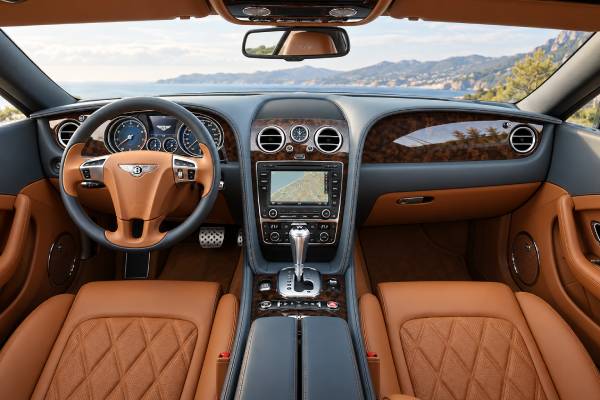
Infotainment age is a separate ownership issue. The 8-inch system, hard-drive navigation, Bluetooth functions, and audio options were advanced when new but can feel dated. A retrofit should be reversible and should not disrupt amplifiers, vehicle settings, cameras, or network communication. Original modules and trim should be retained.
Modifications should be treated as evidence that requires explanation. ECU tunes increase heat and driveline load; lowered suspension coding changes geometry; spacers affect bearing and fastener loads; and very large wheels can reduce ride and clearance. A respected installer and complete records reduce uncertainty but do not erase it.
Budget beyond routine servicing. A mature GT Speed can need a tire set, wheel refurbishment, battery, suspension component, cooling repair, brake work, or electronic module in the same year. The owner who reserves funds can authorize proper work before a fault causes secondary damage.
Pre-Purchase Evidence to Demand
A convincing purchase file contains identity proof, continuous service evidence, a Bentley-capable scan, and a physical inspection on a lift. Mileage and cosmetic shine are supporting details, not substitutes.
First, compare VINs on the body, windshield, documents, diagnostic report, and factory build record. Confirm that the car is the 616 bhp GT Speed and not a standard W12, V8, later 626 bhp version, or repaired vehicle carrying substituted trim. Check original market because lighting, instruments, emissions hardware, and options can differ.
Second, arrange an inspection with the engine completely cold. Ask the seller not to clear faults or charge the battery immediately beforehand unless disclosed. The technician should record battery voltage, readiness information, all-module fault history, misfire counters, fuel trims, suspension data, spoiler operation, and temperature behavior.
Third, inspect the underside after the road test. Look for fluid residue above the undertrays, cooling damage, cracked bushings, leaking dampers, air-spring condition, torn boots, exhaust contact, uneven tire wear, repaired wheels, and careless lifting. Fresh cleaning can remove evidence, so compare protected crevices and invoice history.
Fourth, price wear correctly. A full set of correct 21-inch tires, bent wheel, brake renewal, or air-suspension work is not a minor negotiating detail. Carbon-ceramic replacement can be especially consequential. Obtain part and labor estimates from the shop likely to perform the work.
Use this decision hierarchy:
- Confirm model and legal identity.
- Reject structural or water-damage uncertainty that cannot be resolved.
- Resolve engine, cooling, brake, tire, and suspension safety concerns.
- Evaluate transmission and electronic faults with scan data.
- Add overdue maintenance.
- Consider cosmetics and options last.
A car may pass inspection with several manageable defects. The goal is not perfection; it is clarity. An honest defect list with realistic prices is safer than a “no issues” description unsupported by evidence.
Who Should Buy This Version
The 616 bhp GT Speed suits a buyer who wants the original second-generation high-speed coupe and values the eight-speed transmission more than the small output increase of the later 626 bhp car. Its performance remains extraordinary, and its less aggressive presentation makes it usable as a discreet grand tourer.
It is not the ideal choice for someone seeking low operating costs, lightweight feedback, or simple home maintenance. The packaging is dense, specialist diagnostic access matters, and many parts are priced for a flagship. A V8 Continental may offer lighter steering feel and lower fuel use; a standard W12 may deliver nearly the same touring character with a softer setup; a later Speed may appeal to buyers focused on the final facelift details.
Specification should follow use. Iron brakes can be easier to budget for road touring, while sound carbon ceramics have technical and collector appeal. Mulliner trim, premium audio, adaptive cruise, and unusual paint can add enjoyment, but every option should function. Rare equipment that is broken is a liability until priced and repaired.
After purchase, establish a baseline, then drive the car regularly. Bring fluids to temperature gently, monitor pressures, keep the battery supported during longer storage, clean cooling openings, and document every service. Avoid repeated short starts without a proper journey. Seasonal checks should include drain paths, air-conditioning output, spare-key operation, wheel-bolt condition, and the date codes on every tire. Small findings are easier to manage when recorded before they become warning messages or roadside failures.
Preserve the factory wheels, trim, manuals, keys, and removed original parts. Keep scan reports and alignment sheets with invoices. The market for complex performance cars increasingly rewards transparent history because it lets the next owner distinguish careful use from cosmetic preparation.
The 2012–2014 GT Speed’s greatest strength is its breadth. It can idle quietly through traffic, carry luggage in a useful trunk, cross a continent in comfort, and deliver acceleration that still commands respect. When the W12, eight-speed automatic, air chassis, tires, and brakes are all operating as designed, the car feels less like an aging exotic and more like a highly developed express coupe. That experience is worth seeking—but only in an example whose condition supports it.
References
- THE NEW CONTINENTAL GT SPEED 2012 (Manufacturer Brochure)
- 2013 Bentley Continental GT Speed First Test – Motor Trend 2013 (Instrumented Test)
- First Drive: 2013 Bentley Continental GT Speed 2012 (Road Test)
- 2013 Bentley Continental GT Speed Review & Ratings | Edmunds 2013 (Vehicle Review)
- Vehicle Detail Search – 2013 BENTLEY CONTINENTAL GT | NHTSA 2013 (Recall Database)
Disclaimer
This article is informational and does not replace professional diagnosis, repair, or a vehicle-specific inspection. Specifications, torque values, intervals, and procedures can vary by VIN, market, production date, and equipment; verify them in official Bentley service documentation. Please share this guide on Facebook, X/Twitter, or another platform if it supports responsible buying and maintenance.