

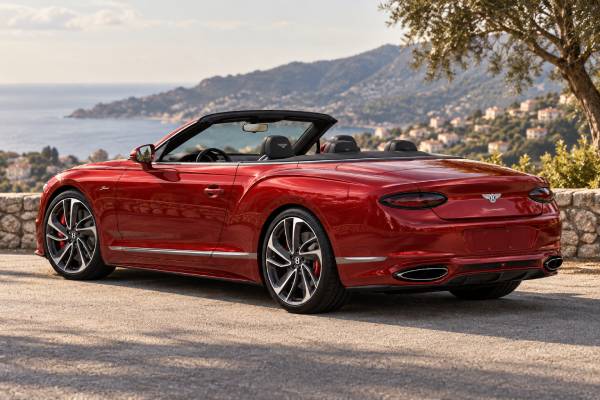
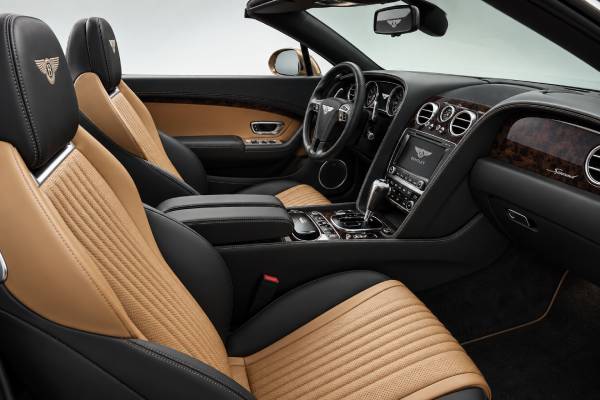
A 203 mph four-seat convertible sounds improbable, yet the 2016–2018 Bentley Continental GTC Speed was engineered to deliver exactly that combination. The 633 hp W12 and 840 Nm match the contemporary coupé, while the powered fabric roof, added reinforcement and 2.5-tonne mass create a distinct driving and maintenance profile. It is less rigid and marginally slower than the GT Speed, but far more dramatic with the roof down. The purchase decision should not be based on acceleration alone. Roof symmetry, drain performance, rear-glass bonding, window indexing, underbody bracing and matched 21-inch tires are as important as boost pressure or service stamps. A healthy GTC Speed feels stable rather than nervous, even over broken surfaces, and its cabin remains impressively quiet with the hood raised. Buy it only when open-air use is central to the plan; otherwise the coupé provides the cleaner technical proposition.
Table of Contents
- The unusual appeal of a 203 mph convertible
- GTC Speed specifications, dimensions and hardware
- Roof-down performance without losing grand-touring manners
- Structural stiffness, suspension and braking behavior
- Caring for the roof and the W12 as one system
- A buyer’s inspection from fabric top to driveline
- The strongest reasons to choose—or avoid—the GTC Speed
The unusual appeal of a 203 mph convertible
The GTC Speed’s appeal comes from combining two ideas that normally conflict: open-air relaxation and sustained very-high-speed stability. Bentley did not simply install the 633 hp engine in a standard convertible. The Speed specification brings a firmer chassis tune, 21-inch wheels, stronger visual detailing and a powertrain calibrated for 840 Nm. The result retains the weight and ceremony of a Continental while giving the driver much more immediate access to its performance.
Its relationship to the coupé should shape expectations. The GTC carries additional reinforcement and the roof mechanism, so it is heavier and can communicate more body movement over diagonal bumps. It reaches 203 mph rather than 206 and takes a fraction longer to reach 60 mph. In return, lowering the roof exposes the W12’s sound and turns an otherwise insulated experience into something more physical. That exchange is the reason to choose it.
The late 2016–2018 scope is important. These are the most powerful regular-production second-generation GTC Speed cars, positioned below the limited Supersports Convertible. Exterior parts and badges are often imitated, so identification should come from the VIN and factory record. Verify the original wheel design, brake system, interior specification and market equipment before assigning a Speed premium.
A convertible of this age reveals its history through the cabin. Look at seal contact marks, headliner alignment, rear-window edges and the condition of the trim around roof stowage. Repeated water entry may leave little visible staining after detailing but can affect connectors and modules later. A dry smell, clean drains and consistent glass movement are more meaningful than freshly treated fabric.
The GTC Speed also asks its owner to use it intelligently. Roof operation, air suspension, brakes and batteries benefit from regular exercise, while the W12 benefits from journeys long enough to reach stable temperature. A car reserved for ten-minute display runs may have fewer miles but a less convincing mechanical baseline. The best examples are not merely preserved; they have been operated, serviced and dried properly.
GTC Speed specifications, dimensions and hardware
The GTC Speed data set combines the 642 PS W12 calibration with the heavier open body and its 203 mph maximum. Coupé acceleration, luggage and mass numbers should not migrate into this section simply because the engines share an output rating. Roof equipment also changes the ownership picture in ways a powertrain-only comparison misses. Confirm market-specific brakes, wheels and emissions from the VIN documentation after using these values to verify the advertised model.
| Item | Specification |
|---|---|
| Powertrain class | Gasoline internal-combustion engine (ICE) |
| Engine | 6.0L twin-turbo W12 |
| Maximum output | 633 hp (642 PS; 472 kW) |
| Maximum torque | 840 Nm (620 lb-ft) |
| Transmission | 8-speed torque-converter automatic |
| Driven wheels | rear-biased permanent all-wheel drive |
| Fuel tank | 90 L (23.8 US gal) |
| Measure | Value | Context |
|---|---|---|
| 0–60 mph | 4.0 seconds | Manufacturer claim |
| 0–100 km/h | 4.2 seconds | Manufacturer claim |
| Maximum speed | 203 mph (327 km/h) | Factory limit or announced target |
| Combined fuel consumption | about 14.9 L/100 km combined on the period European cycle | Period European or WLTP figure |
| CO₂ emissions | about 347 g/km on the period European cycle | Market and equipment can change result |
| Dimension or capacity | Value |
|---|---|
| Body style | two-door, four-seat fabric-roof convertible |
| Length | 4,806 mm (189.2 in) |
| Width | 1,944 mm (76.5 in), excluding mirrors |
| Height | 1,403 mm (55.2 in) |
| Wheelbase | 2,746 mm (108.1 in) |
| Kerb weight | about 2,495 kg (5,501 lb) kerb |
| Luggage capacity | 260 L (9.2 cu ft) |
| Component | Factory specification |
|---|---|
| Suspension and active systems | Speed-calibrated air suspension and adaptive dampers |
| Brake system | large ventilated steel brakes; optional carbon-silicon-carbide front discs |
| Factory wheel context | 21-inch Speed wheels with 275/35 ZR21 tires |
| Steering/stability distinction | it combined the 642 PS late-model Speed engine with a roof that could turn a transcontinental express into an open-air car |
| Area | Detail |
|---|---|
| Roof/body structure | insulated power fabric roof with hydraulic/electric actuation and a heated rear glass window |
| Fuel capacity | 90 L (23.8 US gal) |
| Seating | Four seats |
| Primary buyer verification | Match wheel, brake, chassis and market equipment to the VIN build record |
The 203 mph GTC Speed sacrifices little headline pace for open-air character, yet its added reinforcement and roof equipment change nearly every practical comparison with the coupé. Give extra weight to roof condition, tire uniformity and brake identification when reading the figures. Factory data for the VIN should resolve market variations before maintenance decisions are made.
Roof-down performance without losing grand-touring manners
With the roof lowered, the GTC Speed becomes more vivid without turning into a sports car. The W12’s 840 Nm arrives as a broad push, and the eight-speed automatic keeps the engine in its useful range with little effort. A sound car should accelerate in one uninterrupted flow. Surging, a pause before boost, harsh kickdown or a misfire warning under load indicates a problem that a stationary demonstration cannot expose.
Wind management is central to the experience. The side windows, rear glass geometry and wind deflector should create a usable pocket of air at normal touring speeds. Excessive buffeting may come from missing accessories, window calibration or an incorrectly seated roof seal. Test the deflector and storage arrangement before assuming every GTC behaves the same way.
The car remains a grand tourer because its air suspension preserves wheel movement. In the softer setting, it should absorb broken tarmac without allowing the body to oscillate. In the firmer setting, roll and pitch should tighten while impact harshness remains controlled. A system that feels identical in every mode or sits unevenly after parking needs electronic and pneumatic diagnosis.
All-wheel drive makes full-throttle acceleration secure, but it does not cancel the laws governing a heavy convertible. Tire temperature, wet grip and brake condition matter enormously. The driver should build speed progressively and leave more room than the acceleration figure suggests. Old tires can make the car feel unpredictable even when the engine and suspension are perfect.
Roof-down sound can reveal useful clues. Listen for a clean exhaust note, not a fluttering boost leak or metallic rattle that disappears only when the top is raised. A noise influenced by engine load differs from one caused by body movement or roof trim. Repeating the same road section with the hood up and down helps isolate the source.
On a long journey, the Speed should settle at a quiet cruise with stable steering and modest transmission activity. Seats, climate control and audio matter because fatigue can arrive before fuel range does. Confirm every seat adjustment and heating function. A car capable of 203 mph earns its grand-touring label only when it remains comfortable and predictable at ordinary motorway speed.
Structural stiffness, suspension and braking behavior
The open body inevitably flexes more than the coupé, but a healthy GTC Speed should not feel loose. Bentley uses substantial reinforcement through the sills and underfloor, and the suspension is calibrated around that structure. Over a one-wheel bump, expect a small amount of movement but not a steering-column shake, repeated dashboard creak or a knock isolated to one side.
Inspect the reinforcement from below. Incorrect lifting can crush jacking areas, distort panels or leave missing undertray fasteners. Damage near structural braces matters more than superficial scraping. A geometry printout is valuable when tire wear, steering pull or body repair suggests the car no longer sits squarely.
The adaptive dampers and air springs carry a difficult workload. They must support roughly 2.5 tonnes while preserving both ride and high-speed control. Check ride height after the car has stood overnight, then observe compressor duration at start-up. A slowly leaking spring may not trigger a warning but can overwork the compressor and alter alignment as the car settles.
The standard large ventilated brakes are powerful, and some cars use the optional carbon-silicon-carbide front discs. Identify the fitted system visually and through the build data. Iron discs need measurement for wear, lip and runout; ceramic components need correct surface and weight-based assessment where applicable. A seller’s claim that ceramics “last forever” should be treated as a reason for closer inspection.
Brake testing should be progressive. First establish a straight, stable pedal at low pressure, then increase load after the system is warm. Steering vibration, a change in pedal travel or a smell from one corner can reveal deposits, fluid age or a dragging caliper. The parking brake should also release cleanly after the car has stood.
The 275/35 ZR21 tire format leaves little sidewall to protect the wheel. Examine the inside barrel, not just the polished face, and note repaired cracks or heavy balancing weight. Four tires should share construction and similar tread depth. A mismatched set can disturb ride, steering and all-wheel-drive behavior simultaneously, creating symptoms that are often blamed on the suspension.
Caring for the roof and the W12 as one system
Roof care and engine care are linked by the way the car is stored and used. A GTC kept damp, started briefly and moved only around a garage exposes its electrical network, exhaust and fabric top to conditions that a proper drive would correct. Plan periodic journeys that warm the W12, dry the brakes, recharge the battery and allow the roof to be exercised in suitable weather.
Operate the top only when the fabric is clean, unfrozen and free of objects in the stowage area. Watch both frame sides throughout the cycle. The windows should lower, the latches should release and the cover should settle without hesitation. A pump that changes pitch or runs longer than usual deserves attention before the mechanism stops completely.
Keep drain paths open and inspect seal surfaces for contamination or distortion. Water often travels away from its entry point, so a damp trunk does not prove the leak began at the rear. Check rear footwells, side cavities and module locations. After cleaning, use a controlled flow of water and then inspect beneath carpet padding rather than relying on the visible surface.
The W12 needs approved oil, a stable cooling system and a meaningful service record. Inspect expansion tanks, unions and hose areas for residue. Track oil use over distance and investigate persistent smoke or odor. Dense packaging allows small leaks to spread across undertrays, which can obscure the original source.
Battery support is especially important because roof control, window indexing and numerous comfort modules depend on voltage stability. Test actual capacity and charging output; do not assume that a successful engine start proves the battery is healthy. During storage, use the correct maintainer and avoid disconnecting power without understanding the required relearning procedures.
Time-based items should not be postponed because the odometer is low. Brake fluid absorbs moisture, tires harden, seals age and air-conditioning systems lose performance. A car that has spent years in a collection may need a comprehensive recommissioning before a roof-down holiday.
A practical annual rhythm includes a roof and drain inspection before the wet season, cooling and battery checks before summer touring, and a chassis/brake measurement at the main service. Recording each result creates trends. Those trends help an owner distinguish normal aging from a developing fault long before a warning message makes the decision urgent.
A buyer’s inspection from fabric top to driveline
Inspect the GTC Speed in a fixed order so cosmetic presentation does not distract from expensive systems. Begin while the car is cold and dry, document the roof and cabin, then move through engine, diagnostics, road behavior and the underside. Finish by repeating the roof operation after heat has built in the engine bay and hydraulic system.
At the body, compare panel gaps around the long doors, windscreen frame, rear deck and roof cover. Paint-depth readings are useful, but so are glass dates, disturbed bolts and seal alignment. Additional convertible reinforcement means accident or lifting damage can affect roof fit even when the exterior repair looks excellent.
During the first roof cycle, stand outside and observe timing from both sides. Check every glass panel and listen for latch confirmation. Inspect the fabric when it is partly folded, because wear hidden in the fully closed position becomes visible. After the top is stowed, examine the compartment for debris, rubbing and previous water marks.
The engine must start cleanly without persistent smoke or uneven idle. Allow it to warm under light load before requesting strong acceleration. Note whether the transmission engages promptly, whether boost arrives smoothly and whether any warning appears only during kickdown. After the drive, perform a hot restart and look for fresh fluid evidence.
Use a route that includes diagonal bumps, a constant-speed section, tight steering lock and several braking levels. Record where noises occur. Body creak on a twist differs from suspension impact noise; a wheel vibration tied to road speed differs from a driveline shudder tied to load.
The written inspection should include:
- Roof fabric, bows, hydraulics, latches and rear-glass bond
- Drain flow, cabin dryness and condition of hidden carpet
- Window indexing and rear-quarter glass operation
- W12 cooling pressure, oil leakage and boost behavior
- Air-suspension heights, compressor activity and damper response
- Wheel-barrel damage, tire dates and circumference match
- Iron or ceramic brake measurement and fluid age
- Transmission, differentials and mounts under load reversal
- Complete scans before and after the road test
Require costs for the exact parts on the exact car. A roof hydraulic repair, ceramic-disc replacement and four correct tires can transform an attractive asking price. The goal is not a fault-free report; it is a report detailed enough to decide which faults are acceptable.
The strongest reasons to choose—or avoid—the GTC Speed
Choose the GTC Speed when the roof-down experience is essential and the late second-generation W12 character is part of the attraction. It offers more power and a firmer response than the ordinary GTC, but remains more usable and less collector-sensitive than the Supersports Convertible. For a driver who takes long trips in varied weather, that middle ground can be ideal.
Avoid it when the roof will stay closed. The GT Speed coupé is lighter, stiffer, slightly faster and easier to package for luggage. It also removes hydraulics, drains and window-sealing concerns from the ownership equation. Paying the convertible premium only to use it as a coupé creates cost without gaining the model’s defining benefit.
A realistic budget must include premium tires, large brakes, air suspension, W12 cooling and roof systems. Insurance, secure storage and specialist labor may exceed expectations formed by the depreciated purchase price. The car is affordable only when its future maintenance is affordable, not merely when the initial check clears.
Assess specification after mechanical quality. A desirable color, carbon trim or upgraded audio can make a strong example more appealing. None should persuade a buyer to accept dampness, mismatched tires, incomplete servicing or a roof that needs assistance. Rare appearance does not reduce repair cost.
Mileage should be read alongside use. Frequent touring with proper annual care can be healthier than years of display storage. Confirm that seat and steering wear, wheel condition and brake history fit the odometer. Ask why mileage changed sharply and whether periods of storage included battery support and fluid service.
Keep money aside for the first year. Even after a good inspection, a new owner may choose to renew tires, align the car, establish fresh fluids, replace an aging battery or correct a minor seal issue. That reserve allows preventive work to happen before it becomes emergency work.
The correct example feels like one car, not a fast engine inside an aging convertible. Roof, windows, chassis, brakes and driveline should respond with the same calm precision. When they do, the GTC Speed delivers a combination that remains almost unique: four-seat luxury, genuine weather protection and open-air performance beyond 200 mph.
References
- Bentley Continental | History and Heritage | Bentley Motors 2026 (Official Model/Technical Source)
- Bentley News 2017 : NEW BENTLEY CONTINENTAL SUPERSPORTS : THE WORLD’S FASTEST FOUR-SEAT CAR 2017 (Official Model/Technical Source)
- Bentley News 2024 : End of an era as final Bentley W12 engine hand-built in Crewe 2024 (Official Model/Technical Source)
- Technical Service Bulletin 2076639/2 2025 (Recall/Service Source)
- Check for Recalls: Vehicle, Car Seat, Tire, Equipment | NHTSA 2026 (Recall/Service Source)
Disclaimer
This guide provides general information and cannot replace diagnosis or repair by a qualified professional. Specifications, torque settings, maintenance intervals and procedures vary with VIN, market and equipment; confirm them through official Bentley service information for the specific vehicle.
Please share the article on Facebook, X/Twitter or with another enthusiast if it was helpful and you would like to support our work.