

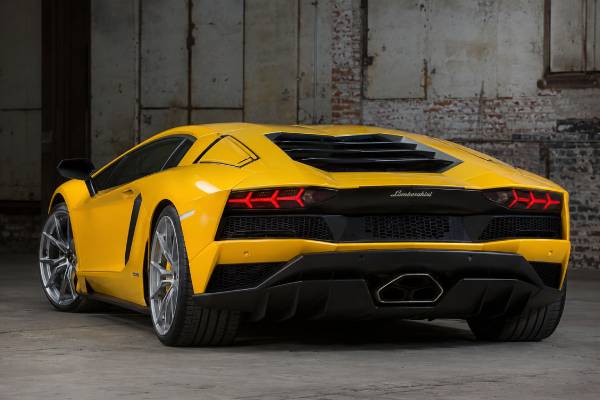

The Lamborghini Aventador Miura Homage is a 50-unit special edition of the Aventador LP 700-4 Coupé, created in 2016 to celebrate the 50th anniversary of the Lamborghini Miura. Mechanically, it keeps the early Aventador’s naturally aspirated L539 6.5-liter V12, seven-speed ISR automated manual gearbox, all-wheel drive, carbon-fiber monocoque, and 700 hp output. Its value comes from the link between two eras: the Miura, which helped define the mid-engine supercar, and the Aventador, Lamborghini’s last long-running non-hybrid V12 flagship before the Revuelto era. For buyers and collectors, this is not the lightest or most powerful Aventador, but it is one of the most historically themed factory editions. Condition, correct Ad Personam specification, limited-edition identity, service history, and recall completion matter more than ordinary used-supercar mileage alone.
Table of Contents
- Why This Aventador Miura Homage Matters
- L539 V12 Specs and Chassis Data
- Production, Options, and Authenticity Checks
- Miura-Inspired Design and Aventador Engineering
- How the LP 700-4 Drives
- Maintenance, Reliability, and Ownership Risk
- Market Value and Buyer Inspection Guide
Why This Aventador Miura Homage Matters
The Aventador Miura Homage matters because it is a factory-built bridge between Lamborghini’s original supercar icon and the brand’s modern carbon-chassis V12 era. It is not a separate performance variant like the SuperVeloce or SVJ; it is a historically themed limited edition based on the Aventador LP 700-4 Coupé.
Lamborghini introduced the Aventador in 2011 as the replacement for the Murciélago. Internally known as LB834, the Aventador brought a new carbon-fiber “single shell” monocoque, a new naturally aspirated V12, pushrod suspension, all-wheel drive, and the single-clutch ISR gearbox. It was a clean-sheet flagship, not a heavy revision of the previous V12 car.
The Miura Homage arrived in 2016, the Miura’s 50th anniversary year. That timing matters. The Miura, launched in the 1960s, helped make the rear-mid-engine layout central to the idea of the exotic supercar. The Aventador was the modern expression of that same formula: a dramatic two-seat Lamborghini with a large naturally aspirated V12 behind the cabin.
Unlike later Aventador derivatives, the Miura Homage was not about more power, extra aero, or reduced lap times. It used the standard LP 700-4 mechanical package, which means 700 hp, all-wheel drive, and a 2.9-second 0–100 km/h claim. Its purpose was visual, historical, and collectible.
That makes the car attractive to a different buyer than an SVJ buyer. The SVJ appeals to drivers who want the sharpest track-focused Aventador. The Miura Homage appeals to collectors who want a rare factory edition with a clear story, period-correct Lamborghini color references, and a production number low enough to keep supply tight.
The car’s reputation today rests on four points:
- Rarity: only 50 examples were made.
- Factory legitimacy: it was created through Lamborghini’s Ad Personam studio, not by an aftermarket shop.
- Historical theme: the two-tone color treatment links directly to the Miura.
- Last-generation appeal: it belongs to the final pure naturally aspirated Lamborghini V12 lineage before hybridization.
For an owner, it is still an Aventador LP 700-4 underneath. That means it has the sound, drama, and operating costs of an early Aventador, not the more refined chassis systems of the Aventador S or the active-aero edge of the SVJ. For a collector, that is part of the point. The Miura Homage captures a specific moment before Lamborghini updated the Aventador into the S generation.
L539 V12 Specs and Chassis Data
The Aventador Miura Homage uses the same core specification as the Aventador LP 700-4 Coupé: a 6,498 cc naturally aspirated V12, seven-speed ISR transmission, all-wheel drive, and carbon-fiber monocoque construction. The key numbers make it clear why the car still feels extreme even though later Aventadors became more powerful.
| Category | Specification |
|---|---|
| Base model | Aventador LP 700-4 Coupé |
| Internal code | LB834 |
| Engine code | L539 |
| Engine type | 60-degree naturally aspirated V12, MPI |
| Displacement | 6,498 cc |
| Bore x stroke | 95.0 mm x 76.4 mm |
| Compression ratio | 11.8:1 |
| Maximum power | 700 hp at 8,250 rpm |
| Maximum torque | 690 Nm at 5,500 rpm |
| Lubrication | Dry sump |
| Transmission | 7-speed ISR automated manual |
| Clutch | Dry double-plate clutch |
| Drivetrain | Haldex generation IV all-wheel drive |
| Chassis | Carbon-fiber monocoque with aluminum front and rear frames |
| Suspension | Aluminum double wishbones with pushrod spring and damper layout |
| Brakes | Carbon-ceramic discs, 400 mm front and 380 mm rear |
| Standard tire sizes | 255/35 ZR19 front, 335/30 ZR20 rear |
| Miura Homage wheel package | 20/21-inch Dione wheels in matte silver or gold |
| 0–100 km/h | 2.9 seconds |
| Top speed | 350 km/h / 217 mph |
| Dry weight | 1,575 kg |
| Wheelbase | 2,700 mm |
| Length | 4,780 mm |
| Width | 2,030 mm excluding mirrors |
| Height | 1,136 mm |
| Weight distribution | 43 percent front, 57 percent rear |
| Fuel tank | 90 liters |
The engine is the star of the car. The L539 was a major step for Lamborghini because it was not merely a reworked version of the old Bizzarrini-derived V12 family. It was shorter-stroke, high-revving, dry-sumped, and designed for the new Aventador architecture. The dry-sump system helps oil control under high lateral load and allows the engine to sit lower in the car.
The ISR gearbox is central to the Aventador’s character. ISR stands for Independent Shifting Rods. It is a single-clutch automated manual, not a dual-clutch transmission. That makes the shifts more physical and dramatic, especially in Sport and Corsa, but less smooth in town than a modern dual-clutch unit.
The all-wheel-drive system gives the Aventador enormous traction from a standing start. It also makes the car more secure than a rear-drive V12 Lamborghini would be on cold roads or imperfect surfaces. Still, tire condition and tire temperature remain critical. A 700 hp mid-engine supercar on old or cold tires can still feel nervous.
The chassis is advanced but not delicate in concept. The carbon-fiber monocoque carries the cabin, floor, and roof structure, while aluminum subframes support the drivetrain and suspension. For buyers, that means accident history matters greatly. Cosmetic damage can be repaired like any other exotic car, but carbon tub damage changes the ownership risk completely.
Production, Options, and Authenticity Checks
The Miura Homage was limited to 50 cars, and the most important buying question is whether the example is a true factory Miura Homage with correct documentation. A regular Aventador painted in a similar two-tone theme should never be valued like one of the 50.
Lamborghini created the edition through Ad Personam, its factory personalization program. The exterior followed the Miura theme by using a single-color upper body with a contrasting lower section and sill in gold or matte silver. Lamborghini described the upper-body choices as linked to original Miura colors, with well-known shades such as Rosso Arancio Miura, Verde Scandal, and Blu Tahiti commonly associated with the edition.
Factory identifiers include:
- Miura-style two-tone paint layout
- Gold or matte-silver lower body treatment
- 20/21-inch Dione wheels finished to match the lower accent
- Metallic Miura badge on the side
- Black Lamborghini rear logo
- Limited-edition interior plate
- Miura 50th anniversary embroidery on the upper seatbacks
- Nero Ade or Terra Emilia leather interior themes
- Carbon-fiber interior package as part of the special-edition presentation
Production-year wording can cause confusion. The special edition was presented in 2016, but some individual cars may be titled or described as 2017 depending on market registration, delivery date, or auction catalog practice. That does not change the model’s 2016 launch context. Buyers should judge the car by VIN, factory build data, and Lamborghini documentation rather than listing-title wording.
Documentation that matters
A serious example should have more than a clean-looking body and low mileage. The file should prove what the car is.
Ask for:
- Original sales invoice or dealer delivery record
- Lamborghini build specification or Ad Personam confirmation
- Limited-edition plate details
- Original books, manuals, keys, and accessories
- Service invoices from authorized Lamborghini dealers or respected marque specialists
- Recall and campaign completion records
- Paint-protection-film installation records, if fitted
- Clear ownership history
- Import, registration, and tax documentation for cross-border cars
Matching-numbers language is less central on a modern Aventador than on a 1960s Miura, but originality still matters. An engine replacement, gearbox replacement, color change, retrim, or major carbon repair should be fully documented and reflected in price. On a 50-unit modern collectible, “tasteful upgrades” can easily become value penalties.
Options and specification value
The Miura Homage specification already carries the main special features, so desirability depends on the exact color combination, mileage, condition, and originality. Brighter Miura-linked colors usually attract more attention than subdued colors, but condition still comes first. A vivid, historically correct color on a poorly documented car is not better than a complete, carefully preserved car in a quieter shade.
Paint protection is a positive if it was installed well and did not trap dirt at edges or damage original paint during removal. Aftermarket exhausts are more complicated. They may improve volume, but they can affect emissions compliance, warranty history, recall relevance, and collector value. For a Miura Homage, the original exhaust should come with the car if an aftermarket system has ever been fitted.
Miura-Inspired Design and Aventador Engineering
The Miura Homage is distinctive because the design theme is simple, legible, and factory-correct. It does not try to reshape the Aventador into a retro car; it uses color blocking, trim, badging, and interior details to remind people of the Miura while keeping the Aventador’s sharp carbon-era design.
The standard Aventador is angular, low, wide, and visually aggressive. Its scissor doors, wedge stance, deep side intakes, and rear cooling surfaces all come from Lamborghini’s modern design language. The Miura Homage adds a softer historical reference by splitting the body visually. The upper color carries the main identity, while the lower gold or silver treatment recalls the contrasting lower sections seen on period Miuras.
This works because the Aventador’s shape already has the right proportions: low nose, tight cabin, engine behind the seats, and strong rear haunches. It is much larger and more technical-looking than a Miura, but the shared mid-engine V12 layout gives the homage a real foundation rather than making it a surface-level graphics package.
The cockpit follows the Aventador formula. The seating position is low, the center console is wide, and the start button sits under a red flip-up cover. The digital display, angular switchgear, and carbon trim feel more fighter-jet than vintage sports car. Miura 50th embroidery and special leather combinations bring the tribute theme inside without changing the driving controls.
Engineering highlights include:
- Carbon-fiber monocoque: central to stiffness, crash structure, and weight control.
- Pushrod suspension: places the spring and damper units inboard for a motorsport-inspired layout.
- Moveable rear spoiler: adjusts through defined positions depending on speed and drive mode.
- Large side intakes: feed cooling air to the V12 and rear-mounted heat exchangers.
- Dry-sump V12 packaging: helps lower engine placement and supports high-load use.
- Carbon-ceramic brakes: standard equipment, powerful, expensive, and important to inspect carefully.
The sound is one of the car’s main emotional features. The L539 V12 has a hard-edged, mechanical quality that builds with revs. It does not rely on turbocharger boost or hybrid torque-fill. It feels increasingly alive as engine speed rises, which is why many collectors still prefer these early naturally aspirated Aventadors despite the newer cars being faster or more refined.
Compared with the Aventador S, the Miura Homage lacks rear-wheel steering, updated active systems, and the later 740 hp output. Compared with the SVJ, it lacks ALA active aerodynamics and the sharper track chassis. But the Miura Homage has a cleaner early-Aventador identity and a much stronger heritage story than a standard LP 700-4.
How the LP 700-4 Drives
The Aventador Miura Homage drives like an early LP 700-4: explosive, dramatic, wide, noisy, and more mechanical than later supercars with dual-clutch gearboxes and smoother calibration. It is brutally fast in a straight line, but its personality is defined just as much by the V12 and ISR gearbox as by the acceleration numbers.
At low speed, the Aventador feels large. Rear visibility is limited, the nose is low, and the car is wide enough that city driving requires attention. The front lift system, where fitted or active depending on the car, is important for ramps, driveways, and broken pavement. Parking damage to splitters and underbody panels is common enough that a buyer should inspect these areas closely.
The V12 is tractable for such an extreme engine, but it prefers open road. Below the dramatic upper rev range, it has enough torque to move cleanly, yet the car never feels relaxed in the way a grand tourer does. Heat, noise, clutch behavior, and width remind the driver that this is a flagship Lamborghini, not a daily sports coupe.
The ISR gearbox is the most debated part of the driving experience. In Strada mode, it can feel clunky during gentle low-speed driving. In harder use, especially when the driver lifts slightly during upshifts or commits fully in Corsa, the gearbox delivers the sharp, physical shift shock many Aventador owners enjoy. Anyone expecting modern dual-clutch smoothness may be disappointed. Anyone wanting drama will understand why Lamborghini used it.
Steering effort is substantial enough to feel serious but not old-fashioned. The early Aventador does not have the agility of the later S with rear-wheel steering, so it rewards deliberate inputs. On tight roads, it can feel big and resistant if the driver overdrives the front tires. On fast sweepers, the carbon chassis, all-wheel drive, and wide rear tires give it impressive stability.
Braking performance is strong, but carbon-ceramic brakes need correct expectations. They are expensive and powerful, but pedal feel can vary with temperature and use. On the road, they may not feel as progressive as iron brakes in an ordinary performance car. On track, they need inspection before and after use because heat cycles, pad condition, and disc wear become expensive quickly.
The best environment for the Miura Homage is a smooth, open road where the V12 can rev and the gearbox can be used with intent. It can do track work, but it is not the Aventador variant most track-focused buyers seek. The car is rarer and more collectable than a normal LP 700-4, so repeated hard track use may reduce its appeal unless the history is exceptionally well documented.
Maintenance, Reliability, and Ownership Risk
A good Aventador Miura Homage can be dependable for an exotic V12 car, but ownership risk is high because parts, diagnostics, labor, and accident repair are expensive. The biggest mistake is treating it like a low-mileage collectible that only needs storage; it still needs time-based servicing, fluid changes, battery care, software updates, and regular specialist inspection.
The L539 engine is generally robust when maintained correctly, warmed properly, and kept close to factory specification. Problems become more likely when cars sit unused, run weak batteries, use non-approved exhaust systems, miss service campaigns, or receive cosmetic-only preparation before sale.
Important ownership areas include:
- Annual servicing: even low-mileage cars need regular fluid, filter, inspection, and diagnostic work.
- Clutch wear: the ISR clutch can last well in careful use, but repeated launches, creeping in traffic, and poor calibration shorten life.
- Gearbox behavior: harsh engagement, warning lights, refusal to select gears, or inconsistent shift quality need specialist diagnosis.
- Cooling system: check radiators, fans, hoses, expansion tank condition, and signs of heat stress.
- Carbon-ceramic brakes: inspect disc thickness, surface condition, chips, cracks, pad life, and replacement history.
- Suspension and lift system: look for hydraulic leaks, tired dampers, warning messages, and nose-lift operation issues.
- Tires: old tires are a major safety and handling concern even when tread depth looks acceptable.
- Battery and electronics: weak batteries can trigger warning lights, control-module errors, and starting issues.
- Paint and carbon trim: inspect front splitters, side skirts, undertrays, diffuser edges, and carbon panels for impact damage.
- Interior wear: seat bolsters, switchgear, leather shrinkage, sticky surfaces, and trim damage affect value.
Two recall areas deserve special attention on U.S.-market or U.S.-registered cars. The 2017 NHTSA recall report for certain 2012–2017 Aventador-derived vehicles included Miura Homage examples in the affected VIN range and addressed EVAP-system concerns linked to heavy tank overfilling and potential fuel-vapor issues. A later engine-software recall covered certain 2012–2018 Aventador models for possible stalling during low-rpm downshifts. A buyer should not assume either has been completed. The correct answer is always a VIN-specific check through Lamborghini records and the relevant national recall database.
Storage and low-mileage problems
Very low mileage is attractive, but it is not automatically safer. Cars that sit can develop flat-spotted tires, weak batteries, dry seals, stale fuel, stuck mechanisms, and brake corrosion on hardware surrounding the carbon-ceramic system. A car with moderate mileage, regular dealer service, and careful use may be a better ownership prospect than a nearly unused example with long service gaps.
A proper pre-purchase inspection should include a diagnostic scan, cold start, hot restart, lift inspection, road test, paint-depth readings, underbody inspection, brake measurements, tire date-code check, and confirmation that all factory campaigns are complete. For this model, the inspection should also verify that the Miura Homage-specific trim and interior details are original and undamaged.
Restoration is not the right word for most examples yet; preservation is. Repainting the lower gold or silver areas, retrimming the seats, replacing special badges, or repairing carbon damage can be done, but it may reduce collector confidence if the work is not documented. On a 50-unit car, originality is part of the value.
Market Value and Buyer Inspection Guide
The Aventador Miura Homage sits above ordinary early LP 700-4 Coupés in collector interest, but below the strongest lightweight or track-focused Aventador variants when buyers are chasing maximum performance. Its market strength depends on rarity, heritage appeal, color, mileage, condition, and documentation rather than mechanical differences.
Because only 50 were built, public sales are infrequent. Auction results and dealer asking prices can vary widely by market, taxes, mileage, color, and whether the car is left-hand drive or right-hand drive. Some examples have traded closer to ordinary Aventador money, while exceptional low-mileage, strongly colored, fully documented cars can command a meaningful premium. Asking prices are not the same as sale prices, so buyers should compare actual completed transactions whenever possible.
The strongest value factors are:
- True factory Miura Homage identity
- Complete Lamborghini documentation
- Desirable Miura-linked color combination
- Original paint or fully documented paintwork
- Low but usable mileage
- Clean accident history
- Complete recall and campaign records
- Original exhaust and unmodified emissions equipment
- Correct Dione wheels and special-edition trim
- Full book pack, keys, tools, charger, and accessories
- Recent major service by a Lamborghini dealer or recognized specialist
The weakest examples are cars with unclear provenance, missing special-edition parts, accident history, deferred maintenance, aftermarket visual changes, incomplete import paperwork, or service gaps hidden behind low mileage.
| Inspection area | What to confirm | Why it matters |
|---|---|---|
| Factory identity | Build record, limited-edition plate, Ad Personam specification | Separates a real Miura Homage from a tribute repaint |
| Paint and body | Paint-depth readings, PPF condition, lower accent finish, carbon tub condition | Body and carbon repairs can heavily affect value |
| Powertrain | Cold start, hot restart, leaks, fault codes, service records | V12 repairs are specialist and costly |
| Transmission | Clutch wear data, shift quality, calibration, warning lights | ISR issues can be expensive and affect drivability |
| Brakes and tires | Carbon-ceramic disc condition, pad life, tire age and matching spec | Replacement costs are high and safety depends on condition |
| Recalls | VIN-specific campaign completion | Open recalls can affect safety, registration, and resale |
| Interior | Miura 50 embroidery, leather condition, carbon trim, switchgear | Special-edition trim is harder to replace than normal wear items |
For an owner who wants to drive the car, the best purchase is a well-serviced example with enough mileage to prove regular use but not so much wear that the special-edition interior and paint have suffered. For a collector, the best purchase is a complete, original, low-mileage car in a high-impact Miura color with factory paperwork and no modifications.
Avoid buying on rarity alone. A limited car with overdue service, old tires, open recalls, clutch wear, or accident ambiguity can quickly become more expensive than a better car at a higher asking price. The safest approach is to pay for the right inspection before negotiation, not after.
Long term, the Miura Homage has a clear collectability case. It has a naturally aspirated V12, a factory anniversary story, a production run of 50, and a direct link to Lamborghini’s most important historic model. Its value will likely remain tied to how collectors view the early Aventador era as the market moves further into hybrid and electrified supercars. The car’s best future belongs to examples kept original, serviced properly, and documented carefully.
References
- Aventador Miura Homage 2016 (Manufacturer Model Page)
- Lamborghini Aventador Miura Homage Special Edition A Tribute to the Iconic Miura’s 50th Anniversary 2016 (Manufacturer Press Release)
- Aventador No. 10,000: a new production record 2020 (Manufacturer News)
- Part 573 Safety Recall Report 17V-073 2017 (Recall Database)
- Lamborghini Service Information: Standard Navigation 2026 (Service Information)
Disclaimer
This article is for informational purposes only and is not a substitute for professional diagnosis, inspection, repair, valuation, or legal advice. Specifications, torque values, service intervals, recall applicability, and repair procedures can vary by VIN, market, equipment, software version, and service history. Always verify details against official Lamborghini service documentation and use a qualified Lamborghini dealer or specialist before buying, servicing, or repairing the vehicle.
If this guide helped you, please share it on Facebook, X/Twitter, or your preferred enthusiast community to support our work.