
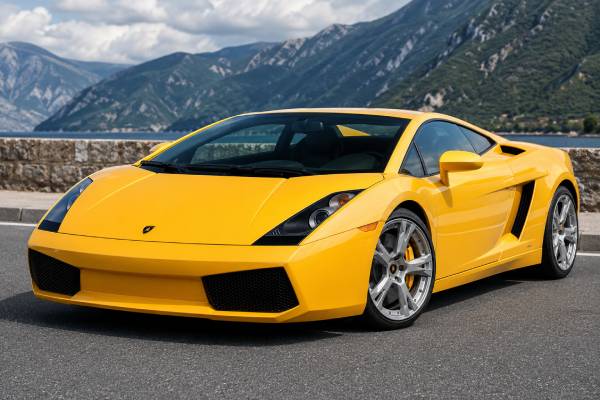
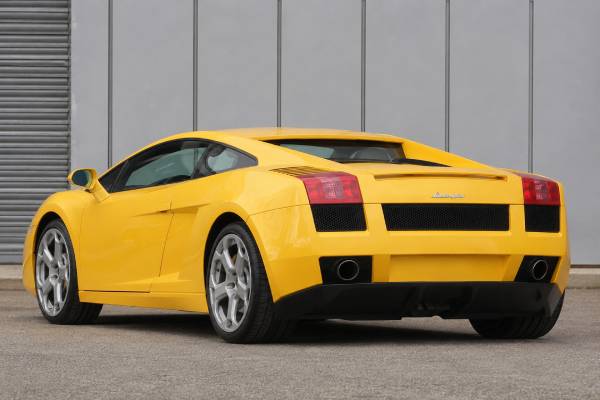
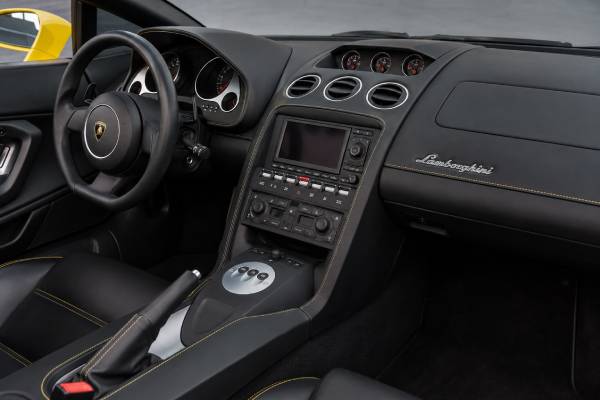
The 2006–2008 Lamborghini Gallardo Coupé is the updated first-generation L140 coupe with the 5.0-liter 07L1 V10, permanent all-wheel drive, and a factory output commonly quoted as 520 PS, or about 512 hp SAE. It sits between the original 500 PS Gallardo of 2003–2005 and the later LP 560-4, making it an important middle step in Lamborghini’s modern V10 line. The 2006 update brought more power, lower gearing, revised steering, sharper suspension tuning, and a more expressive exhaust, which made the car feel more complete than the earliest cars. Today, it matters because it combines analog supercar proportions with enough Audi-era engineering to be usable. Buyers watch mileage, clutch condition, accident history, service records, recall completion, and original specification, while enthusiasts value the gated manual cars, compact size, naturally aspirated sound, and clean pre-facelift design.
Table of Contents
- Why the 520 HP Gallardo Matters
- Engine, Chassis, and Key Specs
- Variants, Options, and Identification
- Design, Engineering, and V10 Character
- Road Feel, Performance, and Usability
- Maintenance, Reliability, and Common Risks
- Market Values and Buying Advice
Why the 520 HP Gallardo Matters
The 2006–2008 Gallardo Coupé is the version that corrected many early criticisms of Lamborghini’s first modern V10 car. It kept the original compact L140 shape but added sharper responses, more power, shorter gearing, and a stronger sense of occasion.
The Gallardo itself was a turning point for Lamborghini. Before it, the company was known mostly for V12 flagships such as the Countach, Diablo, and Murciélago. Those cars built the legend, but they were expensive to build, demanding to own, and produced in relatively small numbers. The Gallardo gave Lamborghini a second model line: smaller, less intimidating, more repeatable in production, and easier to use without losing the brand’s drama.
The idea behind a smaller Lamborghini went back decades, but the project that became the Gallardo took shape as the L140. After Audi took control of Lamborghini in 1998, the program gained the engineering depth needed to turn the concept into a production car. The result was not a soft entry-level model. It was a mid-engined, all-wheel-drive, naturally aspirated V10 supercar with an aluminum structure and a cabin that could survive regular use better than earlier Lamborghinis.
The 2003–2005 Gallardo introduced the formula with a 5.0-liter V10 rated at 500 PS. It was fast, stable, and far easier to live with than older Lamborghinis, but some drivers wanted more edge. The 2006 model-year update answered that. Lamborghini raised output to 520 PS, shortened the lower gear ratios, revised the steering, retuned the suspension, and gave the exhaust a more purposeful character. These changes made the car more urgent without turning it into a track special.
This 520 PS coupe is also collectible because it represents the last main phase of the original 5.0-liter Gallardo before the 2008 LP 560-4 arrived with a larger 5.2-liter direct-injection V10, new styling, and a more advanced drivetrain. For many buyers, the 2006–2008 car is the sweet spot: newer and sharper than the earliest Gallardos, but still visually clean, naturally aspirated, compact, and available with a proper six-speed gated manual.
The Gallardo’s importance is also tied to numbers. Lamborghini built far more Gallardos than any previous model, and that success changed the company. It proved that a smaller Lamborghini could sell globally without weakening the brand. The Huracán later refined the same role, but the Gallardo created the modern V10 template.
For today’s buyer, the 520 PS Gallardo is not rare in the way a limited-run homologation car is rare, yet the right example can still be special. Manual coupes, low-mileage original cars, unusual factory colors, complete service history, and unmodified specifications stand apart. E-gear cars are more common and usually less expensive, but the best ones still offer strong value when they have documented clutch life, clean diagnostics, and careful maintenance.
Engine, Chassis, and Key Specs
The core appeal is simple: a 5.0-liter naturally aspirated V10 sits behind the cabin, sends power to all four wheels, and delivers supercar performance without turbochargers or hybrid assistance. The 2006–2008 update made that package quicker and more responsive than the first Gallardo.
| Category | Specification |
|---|---|
| Model | Lamborghini Gallardo Coupé, L140 |
| Model years covered | 2006–2008 pre-LP coupe |
| Engine code reference | 07L1 5.0-liter V10 |
| Engine layout | Mid-mounted 90-degree V10 |
| Displacement | 4,961 cc |
| Bore x stroke | 82.5 mm x 92.8 mm |
| Valvetrain | DOHC, 4 valves per cylinder, variable valve timing |
| Induction | Naturally aspirated, variable intake geometry |
| Output | 520 PS at 8,000 rpm, about 512 hp SAE |
| Torque | 510 Nm / 376 lb-ft at about 4,250 rpm |
| Transmission | 6-speed manual or 6-speed E-gear automated manual |
| Drivetrain | Permanent all-wheel drive with viscous coupling |
| Structure | Aluminum spaceframe with aluminum body panels |
| Suspension | Double wishbones front and rear |
| Steering | Hydraulic power steering |
| Brakes | Ventilated and cross-drilled discs; carbon-ceramic brakes on some cars depending on market and options |
| Wheels and tires | 19-inch wheels, typically 235/35 front and 295/30 rear tires |
| 0–100 km/h | About 4.0 seconds |
| Top speed | About 315 km/h / 196 mph |
The V10 is the defining part of the car. It is naturally aspirated, rev-happy, and mechanical in a way later turbocharged performance cars cannot copy. The displacement is just under five liters, but the engine feels larger than the number suggests because it has a broad torque curve and a hard top-end rush. The 520 PS rating is a metric horsepower figure; in U.S. terms, many data sources list the car around 512 hp.
The transmission choice matters as much as color or mileage. The six-speed manual is the collector favorite because it gives the car a traditional gated shift, a physical clutch pedal, and a more involved driving style. The E-gear transmission is not a torque-converter automatic or dual-clutch gearbox. It is an electrohydraulically shifted single-clutch manual gearbox. It can be exciting when driven hard, but it needs correct clutch setup, careful calibration, and an owner who understands how to use it.
The all-wheel-drive system gives the Gallardo a different feel from a Ferrari F430. Instead of relying only on rear-drive balance, the Lamborghini puts its power down with strong traction and high-speed confidence. In poor weather or on rougher roads, that helps. On tight roads, the extra front driveline weight and traction bias make the car feel planted rather than delicate.
The chassis is an aluminum spaceframe, one of the main Audi-era improvements. It gives the Gallardo a stronger structural base than older hand-built Lamborghinis and helps keep the car compact and rigid. The double-wishbone suspension is conventional in concept but serious in execution. The 2006 update’s revised suspension and steering make the coupe feel more direct than the earliest examples.
| Item | Approximate Figure |
|---|---|
| Length | 4,300 mm / 169.3 in |
| Width | 1,900 mm / 74.8 in |
| Height | 1,165 mm / 45.9 in |
| Wheelbase | 2,560 mm / 100.8 in |
| Curb weight | About 1,430 kg / 3,153 lb |
| Fuel capacity | About 90 liters / 23.8 U.S. gallons |
| EPA fuel economy | About 10 mpg city, 16 mpg highway, 12 mpg combined |
These figures show why the Gallardo still feels manageable today. It is low and wide, but not huge. It is much smaller than many modern supercars, and the compact footprint makes it easier to place on a road. The price for that is limited luggage room, a low nose, and a cabin built around two people and little else.
Variants, Options, and Identification
The 2006–2008 520 PS coupe belongs to the first-generation 5.0-liter Gallardo family, not the later LP 560-4 line. Correct identification matters because values, parts, driving feel, and collector interest differ sharply between early 500 PS cars, updated 520 PS cars, Superleggeras, and later 5.2-liter LP models.
The easiest way to place the car is by year, body, engine, and styling. The updated 520 PS coupe keeps the original pre-LP exterior design: slim nose, early headlamp shape, compact tail, and the original 5.0-liter V10. The later LP 560-4 has a sharper facelifted front bumper, revised lighting, different rear styling, and the 5.2-liter direct-injection engine. The Superleggera, introduced for 2007, is a lighter, more focused derivative with 530 PS and extensive carbon-fiber trim.
Important related variants include:
- 2003–2005 Gallardo Coupé: original 500 PS version, visually similar but with earlier gearing and tuning.
- 2006–2008 Gallardo Coupé: updated 520 PS version covered here, with improved engine output, gearing, steering, suspension, and exhaust character.
- Gallardo Spyder: open-top version with its own structure and roof packaging, more complex to inspect because of roof operation and chassis differences.
- Gallardo SE: limited special edition associated with the early update period, known for two-tone treatment and desirable equipment.
- Gallardo Nera: limited black-themed special edition with distinctive exterior and interior trim.
- Gallardo Superleggera: lightweight 2007–2008 model with more power, less weight, carbon parts, and stronger collector demand.
- LP 560-4: facelifted 5.2-liter successor launched in 2008, faster and more modern but a different car in character and specification.
For buyers, the most important factory choice is transmission. Manual coupes are much rarer in today’s market and bring a meaningful premium. They are also easier to understand mechanically, although clutch replacement is still expensive and poor driving can shorten clutch life. E-gear cars are more available and usually cheaper, but condition varies widely. A good E-gear car should shift cleanly, show healthy clutch remaining on diagnostic readout, and have records for clutch setup or relearn procedures when work has been done.
Factory and dealer options also influence desirability. The most watched items include:
- six-speed manual gearbox;
- E-gear transmission on cars bought for usability rather than maximum collectability;
- front-axle lift system;
- Callisto wheels or other factory wheel designs;
- transparent engine cover;
- rear-view camera;
- navigation and upgraded audio;
- colored brake calipers;
- contrast stitching, piping, Alcantara, or special leather choices;
- carbon-fiber interior trim;
- carbon-ceramic brakes where fitted and properly documented.
Do not assume every attractive feature is factory original. Many Gallardos have aftermarket wheels, exhausts, stereos, backup cameras, carbon trim, lowered suspension, or wrap-related color changes. Some upgrades are harmless and reversible. Others reduce value or hide harder use. A clean build sheet, window sticker, service book, and dealer records are worth more than a seller’s memory.
Color also matters. Traditional Lamborghini colors such as Giallo Midas, Arancio Borealis, Verde Ithaca, and Rosso shades tend to attract enthusiasts. Black, silver, gray, and white can look elegant and may appeal to understated buyers, but they do not always create the same auction excitement unless the car has exceptional mileage, manual transmission, or rare interior trim.
Authentication should focus on the VIN, engine and transmission records, factory paint code, options, service history, and title history. Matching-numbers language is not used in the same way as with 1960s classics, but originality still matters. A heavily modified E-gear coupe with paintwork, patchy records, and unknown clutch wear is a different asset from a low-mileage manual coupe in a desirable factory color with every service invoice.
Design, Engineering, and V10 Character
The Gallardo’s design works because it looks unmistakably like a Lamborghini without copying the V12 cars too closely. It is wedge-shaped, low, wide, and aggressive, but it is more compact and disciplined than a Murciélago.
Luc Donckerwolke’s design gave the Gallardo a clean geometric shape built from sharp planes, short overhangs, and strong side intakes. The car has no scissor doors; that detail was reserved for Lamborghini’s V12 flagships. Instead, the Gallardo uses conventional doors, which makes daily use easier and reinforces its position as the smaller, more practical model line.
The exterior is not just styling. The side intakes feed the mid-mounted V10 and help manage heat. The rear deck and engine bay are tightly packaged, especially on cars with the optional transparent engine cover. The low nose and flat stance support high-speed stability, but they also make front-end clearance a real concern. A front lift system is valuable for steep driveways, ramps, and city use.
The engineering character is a blend of Italian drama and Audi-era discipline. Older Lamborghinis can feel hand-built in the charming and difficult senses of the term. The Gallardo feels more systematic. Switches, climate controls, diagnostics, electrical architecture, and assembly quality are more consistent than on earlier cars. That does not make it cheap to maintain, but it does make it more usable.
The V10 defines the sensory experience. It has a dry, metallic sound at low rpm, builds into a hard-edged howl, and feels happiest when revved. The 2006 exhaust update gave the car a more emotional voice, especially when the valves open. Many cars now have aftermarket exhaust systems, so the sound can vary from factory-civilized to extremely loud. For value, a car with its original exhaust parts included is usually safer than one with missing emissions hardware or unknown modifications.
The cockpit is simple by modern standards. The driver sits low, the windshield is raked, and the center console rises high. The main instruments are clear, with a large tachometer reminding the driver that the car is built around engine speed. Visibility is better than in many older exotic cars, but rear three-quarter visibility is still limited. The cabin is snug rather than cramped for average-size drivers, though taller drivers should test seat position before buying.
One important difference from newer supercars is the lack of heavy software filtering. The Gallardo has stability control, all-wheel drive, power steering, ABS, and electronic throttle control, but it does not feel like a modern mode-driven car with endless calibration layers. There are fewer screens, fewer menus, and less separation between driver and machine. That simplicity is part of the reason pre-LP Gallardos have aged well.
Road Feel, Performance, and Usability
The 520 PS Gallardo is still genuinely fast, but its real appeal is the way it delivers speed. It feels mechanical, loud, compact, and highly connected compared with many modern supercars.
Acceleration is strong from low and middle rpm, then sharper near the top of the rev range. The shorter gearing used on the updated cars helps the engine stay in its best range and makes the car feel more responsive in real driving. The 0–100 km/h time of about 4.0 seconds is no longer shocking by modern electric-car standards, but the experience is far more dramatic than the number suggests.
A manual Gallardo rewards deliberate inputs. The gated shift is not something to rush when cold, and the clutch has real weight. Once warm, the gearbox gives the car a classic supercar rhythm: brake, clutch, slot the lever through the gate, match revs, and let the V10 pull. This is the version many collectors want because it turns every drive into an event.
The E-gear car has a different personality. At low speed it can feel jerky if driven like a conventional automatic. It prefers clear throttle inputs and decisive driving. In traffic, creeping and reversing wear the clutch, so a careful owner avoids using the throttle to inch the car forward repeatedly. On an open road, the shifts feel much more natural, especially when the driver lifts slightly or uses the paddles with intent. It is not as smooth as a dual-clutch gearbox, but it suits the period.
Steering is one of the update’s strengths. The revised rack gives better response than the earliest Gallardos, and the hydraulic assistance gives more natural feedback than many newer electric systems. The front end feels secure rather than nervous. The all-wheel-drive system helps the car launch and exit corners with confidence, but it also means the Gallardo is not as playful as a rear-drive Ferrari F430. It is more about grip, stability, and traction.
Ride quality depends heavily on tires, wheel condition, alignment, and suspension health. A fresh, correctly aligned Gallardo can be firm but usable. A tired one can tramline, crash over sharp bumps, or feel vague at speed. Old tires are a common problem because many exotic cars cover few miles. A tire with plenty of tread but an old date code can ruin ride, grip, braking, and steering feel.
Braking performance is strong when the system is healthy. Steel brakes are expensive but more straightforward to inspect and replace than carbon-ceramics. Carbon-ceramic brakes, where fitted, can be desirable, but disc condition must be checked carefully because replacement costs are high. Pedal feel should be firm and consistent, without vibration, pulling, warning lights, or long travel.
The Gallardo is usable by supercar standards. It starts reliably when maintained, has real air conditioning, has better cabin ergonomics than older Lamborghinis, and can handle highway trips. The limits are obvious: low ground clearance, limited luggage space, wide body, expensive consumables, high cabin noise, and poor fuel economy. It is more usable than a Diablo, but it is not a normal sports car.
Maintenance, Reliability, and Common Risks
A good Gallardo is a robust exotic, not a low-cost used car. The main risks are clutch wear, neglected fluids, aging rubber parts, accident repairs, E-gear faults, recall history, and owners who bought the car cheaply but maintained it casually.
The 5.0-liter V10 has a strong reputation when serviced properly. It does not have timing belts like many older Italian exotics, and it can handle mileage better than buyers often expect. Problems usually come from age, heat, deferred maintenance, poor modifications, or low-use storage rather than an inherently fragile engine.
Key inspection areas include:
- Clutch condition: E-gear cars need a diagnostic clutch-wear reading, but the number must be interpreted by a specialist. Engagement quality, setup, and driving history matter too.
- E-gear hydraulics: pump operation, accumulator health, actuator leakage, shift calibration, and warning lights should all be checked.
- Manual gearbox feel: weak synchros, clutch slip, hydraulic issues, or poor cold shifting can lead to major bills.
- Cooling system: inspect radiators, hoses, expansion tank, fans, and evidence of coolant leaks.
- Oil leaks: check the dry-sump system, cam covers, oil lines, and underside for seepage.
- Ignition and sensors: coils, oxygen sensors, thermocouples, and catalyst-related faults are common age-related concerns.
- Exhaust and catalysts: aftermarket exhausts can create warning lights, heat issues, or emissions problems if poorly installed.
- Suspension: wishbones, bushings, ball joints, dampers, lift-system components, and alignment should be inspected on a lift.
- Brakes: measure disc wear, inspect calipers, check brake lines, and confirm carbon-ceramic condition where fitted.
- Electrical systems: check windows, locks, instrument cluster, HVAC, warning lights, battery condition, and charging behavior.
Recall and campaign history is especially important. Some 2006 Gallardo Coupés were subject to a double-wishbone suspension recall, and 2004–2006 Gallardo Coupé and Spyder models were also affected by a later power-steering-related recall campaign involving possible high-pressure pipe leakage and fire risk. A buyer should verify campaign completion by VIN through Lamborghini or an official recall database, not by seller assurance alone.
Accident damage is another major value issue. The Gallardo’s aluminum structure requires specialist repair. Poor crash repair, hidden frame damage, mismatched paint, non-factory panel gaps, or incorrect underbody fasteners can turn a tempting car into a long-term problem. A pre-purchase inspection should include paint-meter readings, undertray removal where possible, suspension pickup-point inspection, and a review of alignment data.
Service records should show regular annual or mileage-based maintenance, brake-fluid changes, engine oil service, gearbox and differential fluids where appropriate, coolant condition, spark plugs as scheduled, and attention to age-related rubber parts. A car that has covered only a few hundred miles in several years is not automatically better than one driven regularly. Long storage can create battery, tire, seal, clutch, fuel, and hydraulic problems.
Parts availability is generally better than for older Lamborghinis, but prices remain exotic. Shared Audi-era engineering helps in some areas, yet many Gallardo-specific parts are expensive. Body panels, lights, interior trim, E-gear components, lift-system parts, carbon-ceramic brake components, and original wheels can be costly.
The best ownership strategy is preventive. Keep the battery healthy, warm the car before hard use, avoid repeated low-speed clutch slipping, replace old tires regardless of tread depth, fix warning lights quickly, and use a shop that knows the platform. General performance-car experience is not enough. A Gallardo specialist can save money by diagnosing correctly the first time.
Market Values and Buying Advice
The 2006–2008 Gallardo Coupé sits in a useful market position: it is old enough to be collectible, modern enough to use, and still less expensive than the most desirable limited Gallardo variants. The best manual coupes are already separated from average E-gear cars in price and buyer demand.
As of the current market, driver-quality E-gear coupes often trade in the high-five-figure to low-six-figure range in the U.S., while cleaner, lower-mileage, better-colored, well-documented examples can push higher. Manual cars usually command a major premium, and special editions or very low-mileage examples can move well beyond ordinary pricing. Public auction results show that modified or higher-mileage E-gear coupes can sell around the lower end of the range, while exceptional specification, low mileage, and manual transmission can change the price quickly.
The biggest value drivers are:
- manual transmission;
- low but credible mileage;
- complete Lamborghini or specialist service history;
- clean title and no structural accident history;
- desirable factory color and interior combination;
- original paint or properly documented paintwork;
- unmodified or reversible specification;
- healthy clutch reading and smooth gearbox operation;
- completed recalls and service campaigns;
- factory books, tools, keys, window sticker, and invoices.
A cheaper Gallardo is rarely cheaper after inspection. The cars that look like bargains often need clutch work, tires, brakes, suspension refresh, sticky interior repairs, diagnostic work, paint correction, or deferred annual service. On an exotic car, catching up on neglected maintenance can erase the purchase discount quickly.
Use this buying checklist before committing:
| Area | What to Confirm |
|---|---|
| Identity | VIN, model year, market, factory options, and correct 5.0-liter pre-LP specification |
| Transmission | Manual operation or E-gear clutch wear, calibration, pump behavior, and shift quality |
| Engine | Cold start, idle quality, fault codes, oil leaks, coolant leaks, exhaust condition, and service records |
| Structure | Paint readings, panel gaps, underbody, aluminum repair evidence, suspension mounting points |
| Suspension and steering | Wishbone recall status, bushing wear, ball joints, lift function, alignment, power-steering leaks |
| Brakes and tires | Disc wear, pad life, brake fluid, tire brand, tire size, and date codes |
| Electronics | Warning lights, battery health, HVAC, windows, locks, infotainment, sensors, and diagnostic scan |
| Documents | Books, keys, invoices, recall proof, ownership trail, original parts, and modification receipts |
The safest examples are not always the lowest-mileage cars. A 20,000-mile coupe with annual service, fresh tires, completed campaigns, and a clean inspection can be a better buy than a 5,000-mile car that sat for years and needs recommissioning. For collectors, mileage still matters, but only after condition and documentation are verified.
Avoid cars with unclear accident history, missing records, persistent warning lights, rough E-gear engagement, heavy aftermarket wiring, removed catalysts, poor paintwork, mismatched tires, or sellers who resist specialist inspection. Also be cautious with cars that have been repeatedly listed across auctions without selling; the reason may be price, but it may also be condition.
Long-term collectability looks strongest for manual coupes, rare colors, low-mileage original cars, SE and Nera special editions, and Superleggera models. E-gear coupes remain appealing as usable entry points into Lamborghini V10 ownership, but they need to be bought on condition. The 520 PS Gallardo Coupé is not just a cheaper Huracán alternative. It is the first truly modern small Lamborghini in its improved pre-LP form, and the best examples are now old enough to be judged as collector cars rather than simply used exotics.
References
- Celebrating The Lamborghini Gallardo 2023
- 2006 Lamborghini Gallardo Specs & Feature Comparisons | Kelley Blue Book 2026
- Vehicle Detail Search – 2006 LAMBORGHINI GALLARDO | NHTSA 2026 (Recall Database)
- 12V-430 4 Pages 2012 (Recall Database)
- 2006 Lamborghini Gallardo LP520-4 | Hagerty Valuation Tools 2026
Disclaimer
This article is for informational purposes only and is not a substitute for professional diagnosis, inspection, repair, or valuation. Specifications, torque values, service intervals, fluids, procedures, recalls, and equipment can vary by VIN, market, production date, and factory option package. Always verify details against official Lamborghini service documentation, a Lamborghini dealer, or a qualified Gallardo specialist before buying, servicing, or repairing the car.
If you found this guide useful, please consider sharing it on Facebook, X/Twitter, or your preferred automotive community to support our work.