
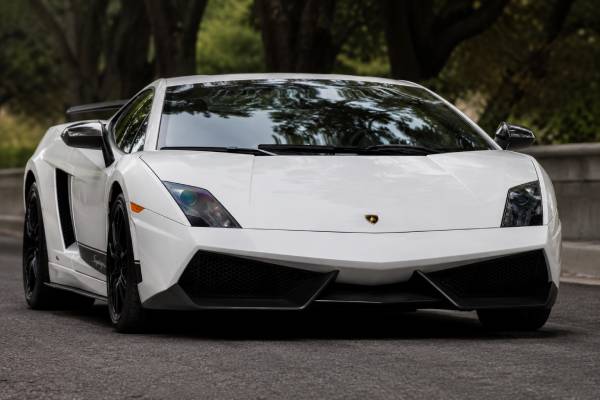
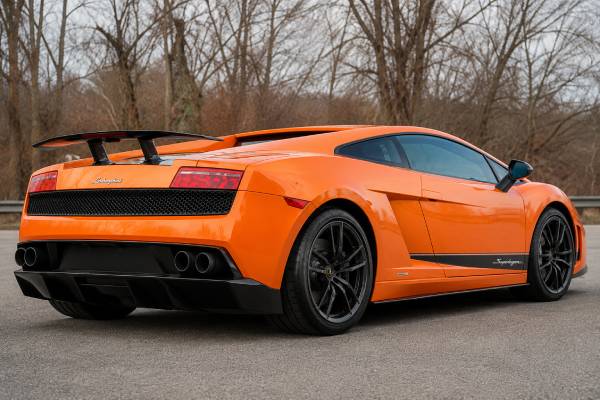
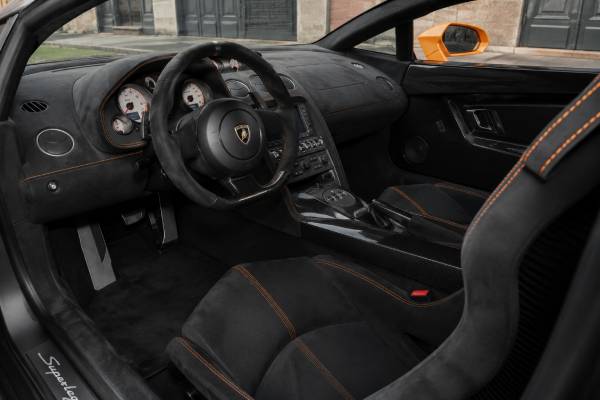
The Lamborghini Gallardo LP 570-4 Superleggera is the sharper, lighter, more focused version of the late Gallardo coupe. It keeps the naturally aspirated 5.2-liter V10, permanent all-wheel drive, compact L140 body, and everyday usability that made the Gallardo successful, then trims weight and adds a more aggressive chassis and aero package. For buyers, it sits in a sweet spot: newer and more powerful than the 2007 Superleggera, more raw than many later dual-clutch supercars, and still usable enough for real road miles. For enthusiasts, it matters because it captures one of Lamborghini’s best modern formulas before turbocharging, hybrid systems, and heavy software layers became common. The LP 570-4 Superleggera is not the rarest Gallardo, but the right car, with the right records and original lightweight parts, is now firmly in collector territory.
Table of Contents
- Gallardo Superleggera History and Collector Appeal
- LP 570-4 V10, Chassis, and Performance Specs
- Production Versions, Options, and Authenticity
- Carbon-Fiber Design, Aero, and Superleggera Details
- How the LP 570-4 Superleggera Drives
- Maintenance Risks and Specialist Service
- Market Values, Inspection, and Buying Advice
Gallardo Superleggera History and Collector Appeal
The LP 570-4 Superleggera is the most focused regular-production Gallardo coupe. It was built for buyers who wanted a lighter, louder, more track-ready Lamborghini without giving up the traction and road usability of the all-wheel-drive Gallardo platform.
The Gallardo arrived for 2004 as Lamborghini’s smaller V10 model beneath the Murciélago. It changed the company’s scale. Earlier Lamborghinis were dramatic, scarce, and often difficult to live with; the Gallardo was still exotic, but it brought Audi-era build discipline, a more compact body, and far stronger dealer support. By the time the LP 570-4 Superleggera appeared in 2010, the Gallardo had already become Lamborghini’s modern volume success.
The LP 570-4 Superleggera followed the idea of the 2007 Gallardo Superleggera but used the updated second-generation Gallardo foundation. That meant the later 5.2-liter direct-injection V10 instead of the earlier 5.0-liter unit, revised styling, improved electronics, stronger brakes, and more mature chassis tuning. The name tells much of the story: “LP” means the engine is mounted longitudinally behind the cabin, “570” refers to metric horsepower, “4” means all-wheel drive, and “Superleggera” means super light.
Its place in the model line is important. It was not a wild homologation special, but it was the driver’s Gallardo coupe. Compared with the LP 560-4, it added power, removed weight, used more carbon fiber, and gave the car a sharper visual and dynamic identity. The result was still a road car with air conditioning and power windows, not a stripped race shell. That balance is why the car still works as both a weekend collector piece and a usable exotic.
The LP 570-4 Superleggera also sits at the end of a naturally aspirated era. The later Huracán brought a dual-clutch gearbox, more electronics, and a newer chassis. It is faster and easier, but it does not feel the same. The Superleggera gives you a screaming V10, a compact body, hydraulic steering, an automated single-clutch gearbox in most cars, and a level of mechanical drama that newer cars smooth away.
Collectors care about it for five main reasons:
- it is one of the lightest and most focused road-going Gallardo variants
- it uses the 570 PS version of the 5.2-liter V10
- it has model-specific carbon-fiber body and interior parts
- clean, unmodified examples are becoming harder to find
- it bridges usable modern supercar ownership with older-school Lamborghini feel
The car’s significance is not only speed. Many modern supercars can beat its numbers, but fewer offer the same combination of size, sound, steering feel, all-weather traction, and analog character.
LP 570-4 V10, Chassis, and Performance Specs
The LP 570-4 Superleggera’s key numbers are simple: 5.2-liter naturally aspirated V10, 570 PS, all-wheel drive, about 1,340 kg dry weight, 0–100 km/h in about 3.4 seconds, and a top speed around 325 km/h. The numbers still look serious because the car is light, compact, and geared for hard acceleration.
| Category | Specification |
|---|---|
| Model code | Gallardo L140 |
| Engine | 5.2-liter naturally aspirated V10 |
| Displacement | 5,204 cc |
| Engine ID reference | CEH appears in period Gallardo service material; verify by VIN and market |
| Induction and fuel system | Naturally aspirated, direct fuel injection |
| Output | 570 PS / 419 kW / about 562 hp at 8,000 rpm |
| Torque | 540 Nm / 398 lb-ft at 6,500 rpm |
| Transmission | 6-speed E-gear automated manual; 6-speed manual on rare cars in some markets |
| Drivetrain | Permanent all-wheel drive |
| Construction | Aluminum spaceframe with lightweight exterior and interior components |
| Dry weight | About 1,340 kg / 2,954 lb |
| Fuel tank | About 90 liters / 23.8 US gallons |
The engine is the heart of the car. Lamborghini’s 5.2-liter V10 is an all-aluminum, four-cam, 40-valve unit with direct injection and a high-revving character. It is related to the Audi R8 V10 engine family, but Lamborghini calibration, intake tuning, exhaust tuning, gearing, and packaging give the Gallardo its own personality. It does not make power with boost; it makes power with revs, throttle area, compression, airflow, and noise.
The E-gear transmission is often misunderstood. It is not a torque-converter automatic and not a modern dual-clutch gearbox. It is a single-clutch automated manual. Hydraulic actuators operate the clutch and shift mechanism while the driver uses paddles or automated mode. When driven well, it feels raw and theatrical. When driven like a modern automatic in traffic, it can feel jerky and can wear the clutch quickly.
| Item | Figure or equipment |
|---|---|
| 0–100 km/h | About 3.4 seconds |
| 0–200 km/h | About 10.2 seconds |
| Top speed | About 325 km/h / 202 mph |
| Suspension | Independent double wishbones with anti-roll bars |
| Steering | Hydraulic power steering |
| Brakes | Large ventilated discs; carbon-ceramic brakes fitted or optional depending year and specification |
| Wheels | Lightweight 19-inch wheels |
| Typical tire sizes | 235/35 ZR19 front and 295/30 ZR19 rear |
| Wheelbase | About 2,560 mm |
| Width | About 1,900 mm |
The dry weight figure matters because it explains the car’s character. A standard LP 560-4 is already quick, but the Superleggera feels more eager because weight reduction affects more than straight-line speed. Less mass improves braking, tire response, turn-in, and how quickly the car changes direction. The lighter wheels also help because rotating and unsprung mass are especially noticeable in steering and suspension response.
The all-wheel-drive system gives the Superleggera huge traction out of corners. It also makes the car easier to deploy in poor weather than a rear-drive supercar of similar output. The tradeoff is that it is not as loose or adjustable on throttle as the LP 550-2 Balboni or later rear-drive Gallardos. The LP 570-4 is about confidence, stability, and speed, not big oversteer angles.
Production Versions, Options, and Authenticity
The LP 570-4 Superleggera was a low-volume special model rather than a strictly numbered limited edition. That makes authentication more about specification, original parts, factory records, and service history than a numbered plaque.
The core coupe ran from 2010 through the end of Gallardo production. It was joined by related LP 570-4 variants, but those cars should not be treated as identical. A buyer should know which version they are inspecting before comparing prices.
Main LP 570-4 family members
The LP 570-4 Superleggera coupe is the lightweight fixed-roof road car. It has the most direct connection to the Superleggera name and is the main subject here.
The LP 570-4 Spyder Performante is the open-top equivalent. It uses the same basic engine output and lightweight philosophy, but the roof mechanism and structural needs make it heavier and slightly less sharp.
The LP 570-4 Super Trofeo Stradale is a more extreme road-going tribute to the Super Trofeo race series. It has stronger visual motorsport links and tends to attract collectors who want rarity and drama over subtlety.
The LP 570-4 Squadra Corse, introduced near the end of Gallardo production, is another race-inspired variant. It is rarer and usually sits in a different market bracket.
The Edizione Tecnica package appeared late in the LP 570-4 life. It added a clearer visual identity, including contrast-color exterior treatments, and bundled desirable performance equipment such as carbon-ceramic brakes and the fixed rear wing. For many buyers, an original Edizione Tecnica specification is especially appealing because it gives the late Superleggera a stronger factory identity.
Options that affect desirability
Options matter because two LP 570-4 Superleggeras can feel and sell very differently. Look for original factory documentation showing how the car was ordered.
Important equipment and specification points include:
- E-gear or manual transmission, with manual cars being far rarer where available
- carbon-ceramic brakes
- fixed high rear wing
- front-axle lift system
- lightweight bucket seats
- Alcantara interior trim
- carbon-fiber interior package
- exterior carbon-fiber engine cover and aero pieces
- factory navigation, camera, and audio options
- paint-to-sample or Ad Personam personalization
- original wheel design and finish
- market-specific lighting and emissions equipment
Color also matters. Bright Lamborghini colors such as Verde Ithaca, Arancio Borealis, Giallo Midas, and Bianco Monocerus often attract more attention than black or gray, but the best color is the one backed by original paint, clean history, and matching factory records. A rare color cannot compensate for poor repairs or missing carbon parts.
Authenticity checks
The Superleggera uses model-specific lightweight parts that are expensive to replace. That creates two common problems: accident-damaged cars repaired with non-original parts, and standard Gallardos modified to resemble Superleggeras. A correct car should have its VIN, build specification, trim, body panels, carbon pieces, wheels, brakes, and interior equipment checked against factory or dealer records.
Ask for:
- original sales invoice or build sheet where available
- Lamborghini dealer service history
- warranty booklet with campaign entries
- VIN-specific recall status
- paint-meter readings
- pre-purchase inspection from a Lamborghini specialist
- clutch wear readout for E-gear cars
- evidence of tire, brake, and fluid age
- photos before any paintwork, wrap, or body repair
A clean Superleggera should feel coherent. The interior, exterior carbon, wheel style, brake package, and trim should all make sense together. When the story sounds complicated, slow down and verify it.
Carbon-Fiber Design, Aero, and Superleggera Details
The Superleggera looks more serious because its design changes serve weight, cooling, aero, and identity. The best details are not decoration; they help explain why the car feels different from a standard Gallardo.
The late Gallardo already had a wedge-shaped body, short overhangs, sharp nose, and broad rear stance. The LP 570-4 Superleggera exaggerates that shape with a deeper front section, larger intakes, side detailing, a pronounced rear diffuser, and visible carbon-fiber pieces. The result is still recognizably Gallardo, but leaner and harder-edged.
Carbon fiber appears in the exterior and cabin. Depending on specification, the car can have carbon-fiber mirror housings, side sill elements, rear diffuser, engine cover details, rear wing, door panels, center tunnel trim, seat shells, and interior inserts. Polycarbonate side and rear glazing is also associated with the lightweight package in many descriptions of the car’s weight-saving work.
The interior is one of the biggest differences from a normal LP 560-4. Alcantara replaces heavier and glossier trim in key areas, while lightweight seats lower mass and give the cabin a more motorsport feel. The dashboard shape is still Gallardo, and the ergonomics still show the model’s early-2000s roots, but the material choices make the Superleggera feel more purposeful.
The aero package changes the way the car looks and behaves. The front end feeds air to the radiators and helps manage lift. The rear diffuser frames the exhaust outlets and smooths airflow under the tail. The fixed rear wing, when fitted, adds stability at speed and gives the car its most recognizable profile. Buyers should inspect these pieces closely because carbon damage can be hidden under clearcoat, film, or cosmetic repair.
The exhaust layout is central to the car’s appeal. Four outlets sit high and close together, giving the rear a clean, mechanical look. The sound is a major part of ownership: crisp at idle, metallic through the midrange, and urgent near the top of the tachometer. Aftermarket exhausts are common, but originality matters. A car with its factory exhaust included is usually safer from a collector standpoint than one with irreversible changes or unknown tuning.
The Superleggera’s design also shows the difference between late analog supercar engineering and later software-heavy performance cars. There is no hybrid torque fill, no active aero ballet, and no dual-clutch smoothness. Instead, the car uses less weight, more revs, more tire, more brake, and sharper calibration. That simplicity is part of its appeal.
How the LP 570-4 Superleggera Drives
The LP 570-4 Superleggera feels fast, compact, loud, and alert. Its defining traits are immediate throttle response, huge traction, hydraulic steering feel, and the dramatic rhythm of the single-clutch gearbox.
At low speed, it feels like an exotic from an earlier moment. Visibility is better than the shape suggests, but the nose is low, the rear quarters are wide, and the turning circle is not city-car friendly. The clutch behavior in E-gear cars needs respect. Smooth progress in traffic requires light throttle, patience, and mechanical sympathy. Creeping uphill or inching through traffic is exactly what wears clutches.
Once moving, the car comes alive quickly. The V10 does not need boost to wake up, and the throttle response is a reminder of why naturally aspirated engines remain special. It pulls cleanly from lower rpm, then becomes sharper and more vocal as it climbs. The last third of the rev range is the point of the car. That is where the Superleggera feels less like a fast luxury object and more like a compact race-bred machine.
The E-gear transmission rewards the right technique. In normal driving, it can feel abrupt compared with a modern dual-clutch gearbox. In hard driving, with lift timing or committed throttle, the shifts become part of the experience. Corsa-style use gives the car a physical snap between gears. Some drivers love that; others prefer the smoother speed of later transmissions. A test drive should include both gentle and spirited use so a buyer knows whether the gearbox suits them.
The steering is one of the Superleggera’s strongest qualities. Hydraulic assistance gives useful weight and feedback, and the shorter, lighter car responds quickly to small inputs. The front axle feels more trustworthy than early Gallardos, but tire age and alignment make a large difference. Old tires can make the car tramline, understeer, or feel nervous over bumps.
Cornering balance is secure rather than playful. The all-wheel-drive system helps the car fire out of bends, and the wide rear tires give strong traction. Push hard and the car prefers tidy inputs. It is not a drift-focused rear-drive special. The best way to drive it is to brake firmly, turn in cleanly, let the front settle, and use the V10 and all-wheel drive to pull the car out with speed.
Ride quality is firm but not unbearable. The Superleggera is more focused than a normal Gallardo, especially on aggressive tires, but it remains a road car. The front lift system, if fitted and working, makes steep driveways and speed ramps less stressful. On poor roads, the car can feel busy, and the low front section demands attention.
On track, it has real stamina if properly prepared. Brake condition, tire age, fluid freshness, and alignment are critical. Carbon-ceramic brakes can tolerate heat well, but they are not immune to wear, chips, cracks, or abuse. The Superleggera is fast enough that worn tires, old brake fluid, or neglected suspension bushings quickly become expensive safety issues.
Maintenance Risks and Specialist Service
A good LP 570-4 Superleggera can be dependable for an exotic, but cheap ownership is not realistic. The car rewards preventative maintenance, specialist inspection, and careful use; it punishes deferred service, poor clutch habits, accident damage, and neglected carbon-ceramic brakes.
The engine itself is strong when serviced correctly. The 5.2-liter V10 is not fragile in normal use, but it is sensitive to oil quality, cooling health, sensor condition, and correct diagnostics. Cars that sit for long periods need as much attention as cars that are driven hard. Rubber parts age, batteries weaken, fuel degrades, and electronics dislike low voltage.
The E-gear system is the biggest inspection item on most cars. A specialist should read clutch wear, check engagement behavior, inspect hydraulic operation, and look for stored gearbox faults. A car that shifts cleanly when cold and hot, engages reverse without drama, and has documented clutch service is much more attractive than one that only “feels fine” on a short dealer test drive.
Common ownership areas to inspect include:
- E-gear clutch wear, actuator behavior, pump operation, and calibration
- engine oil leaks and evidence of skipped annual service
- coolant hoses, radiators, and heat-related aging
- front lift system leaks or slow operation
- carbon-ceramic rotor condition, thickness, edge damage, and heat marks
- brake caliper finish and brake-fluid age
- suspension bushings, ball joints, dampers, and alignment
- tire age, correct size, and matching high-performance tire model
- wheel cracks, bends, or poor refinishing
- oxygen sensors, coil packs, and emissions readiness
- battery health and low-voltage fault history
- sticky interior switches and worn soft-touch trim
- Alcantara wear on seats, steering wheel, and high-contact areas
- cracked carbon clearcoat or repaired carbon parts
| Area | Why it matters | What to verify |
|---|---|---|
| E-gear clutch | Replacement is expensive, and poor use can shorten life | Clutch wear readout, engagement quality, service records |
| Carbon-ceramic brakes | Rotors and pads are costly | Rotor condition, thickness data, chips, cracks, heat damage |
| Carbon body parts | Original Superleggera parts support value | Correct parts, clean clearcoat, no hidden repair |
| Recall status | Some 2011–2014 Gallardos were covered by ECU software recall work | VIN lookup, campaign entries, dealer invoice |
| Paint and structure | Accident repair can erase collector value | Paint meter, underbody inspection, panel fit, repair history |
| Fluids and tires | Age matters even at low mileage | Annual service, brake fluid, coolant, tire date codes |
Service intervals vary by market and use, but annual servicing is the safe baseline. Many Gallardos follow mileage-and-time schedules that include regular oil service and periodic replacement of brake fluid, filters, spark plugs, coolant, and drive belts. Track use should shorten intervals. A garage queen with 500 miles in five years still needs fluid, tire, battery, and seal attention.
Parts availability is generally better than for older Lamborghinis, but model-specific Superleggera trim is expensive. Mechanical components shared with the wider Gallardo and some Audi-family systems can be more manageable, but body carbon, interior carbon, wheels, trim, and ceramic brake parts can change the economics quickly.
Modification needs caution. Exhausts, ECU tunes, suspension changes, and aftermarket wheels can make a car more exciting, but they can also hurt value. For a collector-grade Superleggera, reversible upgrades with original parts retained are far safer than irreversible changes. A modified car is not automatically bad, but it should be priced as a modified car unless the upgrades are documented, high quality, and easily reversible.
Market Values, Inspection, and Buying Advice
The LP 570-4 Superleggera is no longer just a used exotic; it is a collectible modern Lamborghini. The best cars are original, low-to-moderate mileage, fully documented, cleanly optioned, and inspected by a specialist before money changes hands.
Market values vary widely by country, mileage, color, options, transmission, service history, and whether the car is a standard Superleggera, Edizione Tecnica, or another LP 570-4 special. In the current market, ordinary high-mileage or imperfect cars can sit far below exceptional examples. Strong cars in desirable colors with original carbon, clean history, recent major service, and low mileage often trade in a much higher range than generic Gallardos.
For broad planning, many buyers should expect clean LP 570-4 Superleggera coupes to sit around the mid-six-figure US-dollar range, with exceptional cars, rare specifications, late Edizione Tecnica examples, or very low mileage commanding more. UK and European asking prices often cluster differently because taxes, import history, right-hand drive demand, and mileage expectations vary. Treat online averages as a starting point, not a valuation.
Value drivers include:
- original paint and accident-free history
- low mileage with consistent use rather than long neglect
- complete Lamborghini dealer or respected specialist records
- factory carbon-ceramic brakes in good condition
- desirable color and original interior specification
- Edizione Tecnica equipment and documented factory identity
- rare manual transmission, where genuine and properly documented
- correct lightweight wheels, carbon parts, and seats
- clean recall and campaign history
- original exhaust and retained factory parts if modified
- no warning lights, no emissions readiness issues, and no unexplained ECU history
Avoid cars with missing records, vague import history, cheap cosmetic carbon, poor panel fit, mismatched tires, old fluids, weak batteries, or sellers who resist a specialist inspection. A Superleggera is too expensive to buy on appearance alone.
A sensible buying process is:
- Confirm the exact variant and VIN-specific factory specification.
- Review service records, warranty booklet, campaign entries, and ownership history.
- Check paint, carbon parts, wheels, glass, underbody, and suspension for accident evidence.
- Have a Lamborghini specialist perform diagnostic scans, clutch readings, lift-system checks, and brake measurements.
- Price the car against real comparable sales, not asking prices alone.
- Budget immediately for tires, fluids, battery, alignment, and any overdue service.
The best examples to seek are original cars with enough mileage to show regular exercise but not enough to create heavy wear. Very low-mileage cars can be wonderful, but only if storage was excellent and recommissioning has been done correctly. A neglected 2,000-mile car can need more work than a cherished 18,000-mile car.
Long-term collectability looks strong. The LP 570-4 Superleggera has the right ingredients: naturally aspirated V10, lightweight body philosophy, limited availability, dramatic sound, usable size, and a direct connection to one of Lamborghini’s most important model lines. It may not become the most valuable Gallardo variant, but it is likely to remain one of the most desirable driver-focused versions.
For buyers, the rule is simple: buy the best documented car you can afford, not the cheapest car with the right badge. The purchase price is only one part of ownership. Originality, condition, and maintenance history are what protect both the driving experience and the car’s future value.
References
- Lamborghini Gallardo LP 570-4 SuperLeggera – Technical Specifications 2026 (Manufacturer Specifications)
- Recall Campaign | Lamborghini.com 2026 (Recall Lookup)
- Part 573 Safety Recall Report 18V-833 2018 (Recall Database)
- Lamborghini Gallardo LP570-4 Superleggera Market 2026 (Market Data)
Disclaimer
This article is for informational purposes only and is not a substitute for professional diagnosis, repair, valuation, or inspection. Specifications, torque values, service intervals, campaign applicability, and repair procedures can vary by VIN, market, model year, equipment, and prior updates. Always verify details against official Lamborghini service documentation and have any purchase or repair decision checked by a qualified Lamborghini specialist.
If this guide helped you, please consider sharing it on Facebook, X/Twitter, or your preferred car community to support our work.