
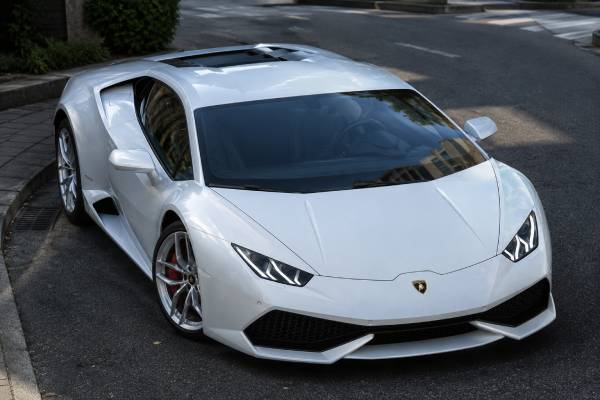
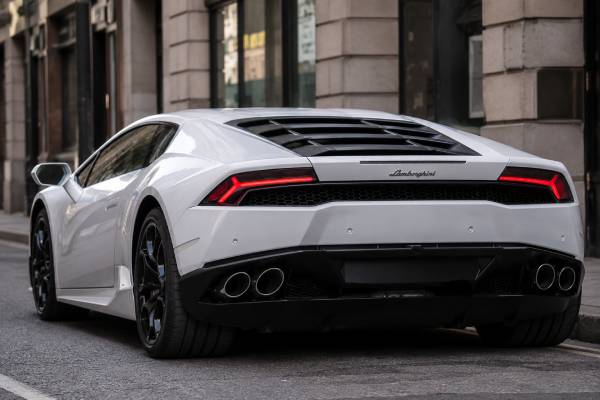
The Lamborghini Huracán LP 610-4 Coupé is the car that moved Lamborghini’s V10 line from old-school drama into the modern supercar era. Built as the Gallardo’s successor, it kept the naturally aspirated 5.2-liter V10 but added a far quicker dual-clutch gearbox, a stiffer aluminum-and-carbon structure, full LED lighting, standard carbon-ceramic brakes, and a digital cockpit. The result was a car that felt more precise, more usable, and more technically polished without losing the sharp noise and visual aggression people expect from Sant’Agata. For buyers today, the LP 610-4 sits in an important place: it is modern enough to use often, old enough to feel analog beside hybrid-era supercars, and still powered by one of Lamborghini’s defining engines. The best examples are not simply the lowest-mileage cars, but the cars with clean history, original specification, careful servicing, and no hidden accident or cosmetic repair story.
Table of Contents
- Why the LP 610-4 Still Matters
- V10 Drivetrain, Chassis, and Core Specs
- Coupé Variants, Options, and Identification
- Design, Engineering, and Signature Details
- How the Huracán Drives
- Ownership, Maintenance, and Known Issues
- Market Values and Buyer Checks
Why the LP 610-4 Still Matters
The Huracán LP 610-4 matters because it was the first Lamborghini V10 model that combined exotic character with genuinely modern usability. It replaced the Gallardo, Lamborghini’s volume-changing success story, and gave the brand a more refined, faster, and more technically mature entry supercar.
The LP 610-4 Coupé made its public debut at the 2014 Geneva Motor Show, with customer deliveries beginning in 2014. It sat below the Aventador in Lamborghini’s range, but it was not a junior car in feel or specification. It carried the brand’s mid-engine layout, a high-revving V10, all-wheel drive, dramatic proportions, and enough everyday civility to make it usable beyond special events.
The “LP 610-4” name tells the story clearly. “LP” refers to the longitudinal rear-mounted engine layout, “610” refers to its 610 metric horsepower output, and “4” identifies four-wheel drive. The car’s internal platform code is commonly known as LB724, and it shares broad Volkswagen Group architecture and development logic with the second-generation Audi R8, though the Lamborghini has its own design, calibration, body, sound character, and brand-specific feel.
Its importance is partly mechanical. The Huracán kept natural aspiration at a time when many performance cars were moving toward turbocharging. It also replaced the Gallardo’s older single-clutch automated manual with Lamborghini Doppia Frizione, a 7-speed dual-clutch transmission. That one change transformed the driving experience. Shifts became faster, smoother, and more dependable in daily use, while hard acceleration felt cleaner and more repeatable.
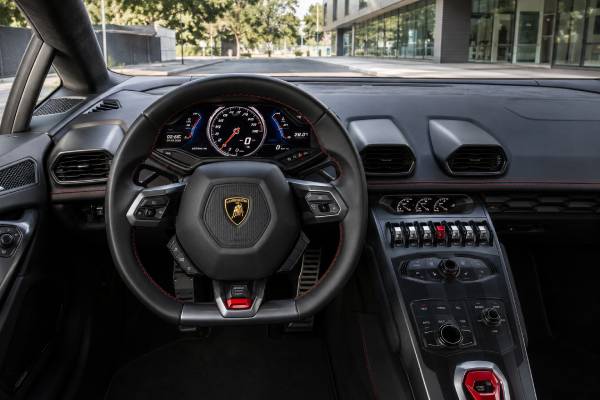
The LP 610-4 also marked a major step in Lamborghini’s cockpit and quality standards. The digital instrument cluster, cleaner interior architecture, better fit and finish, and improved drivability made it easier to live with than the Gallardo. The car still felt theatrical, but it no longer asked the driver to tolerate as many rough edges.
Collectors and owners now care about the LP 610-4 for several reasons:
- It is the original Huracán version and the cleanest expression of the first design.
- It has the naturally aspirated 610 hp V10 before the later EVO and Performante changes.
- It combines all-wheel-drive security with the sharper response of an early Huracán body.
- It remains more usable than many older Lamborghinis.
- It belongs to the final era before Lamborghini’s V10 line moved toward hybrid replacement.
The LP 610-4 is not rare in the way a limited-production homologation special is rare. Its collectability comes from condition, color, factory options, history, and the broader significance of the naturally aspirated Lamborghini V10. A high-mileage or modified car may be a thrilling driver, but the strongest long-term examples are usually highly original, well-documented cars in desirable colors with careful specialist maintenance.
V10 Drivetrain, Chassis, and Core Specs
The LP 610-4’s headline specification is simple: a naturally aspirated 5.2-liter V10, 610 hp, all-wheel drive, and a 7-speed dual-clutch gearbox. The deeper appeal comes from how Lamborghini combined that engine with a stiff hybrid aluminum-and-carbon structure and standard carbon-ceramic braking.
| Category | Specification |
|---|---|
| Model | Lamborghini Huracán LP 610-4 Coupé |
| Platform code | LB724 |
| Production period | 2014–2019 |
| Engine | 5.2-liter naturally aspirated V10 |
| Displacement | 5,204 cc |
| Maximum power | 610 hp at 8,250 rpm |
| Maximum torque | 560 Nm at 6,500 rpm |
| Injection | Combined direct and indirect gasoline injection |
| Transmission | 7-speed Lamborghini Doppia Frizione dual-clutch |
| Drivetrain | Electronically controlled all-wheel drive |
| Chassis | Hybrid aluminum and carbon-fiber structure |
| Dry weight | 1,422 kg |
| Power-to-weight ratio | 2.33 kg per hp |
The V10 is the center of the car’s identity. It uses a dry-sump lubrication system, which stores oil in a separate tank instead of a deep conventional oil pan. That helps the engine sit lower and keeps oil supply more stable during high cornering loads. The dual-injection system combines direct injection and port injection, helping power, response, emissions, and drivability.
The transmission is the LDF dual-clutch unit. It uses two clutches to preselect the next gear, so shifts happen quickly and with less interruption than the old Gallardo single-clutch gearbox. In normal driving it removes much of the low-speed lurching that made earlier automated Lamborghinis tiring in traffic.
| Item | Factory figure |
|---|---|
| 0–100 km/h | 3.2 seconds |
| 0–200 km/h | 9.9 seconds |
| Top speed | Over 325 km/h |
| Wheelbase | 2,620 mm |
| Length | 4,459 mm |
| Width | 1,924 mm, or 2,236 mm including mirrors |
| Height | 1,165 mm |
| Front track | 1,668 mm |
| Rear track | 1,620 mm |
| Weight distribution | 42 percent front, 58 percent rear |
| Fuel capacity | 80 liters |
| Combined fuel consumption | 12.5 l/100 km under ECE cycle |
| CO2 emissions | 290 g/km under ECE cycle |
The suspension uses double wishbones, a layout that gives precise control of wheel movement under braking and cornering. The car could be ordered with MagneRide, Lamborghini’s magnetorheological adaptive damping system. This uses fluid whose behavior changes when exposed to an electromagnetic field, allowing the dampers to adjust quickly to the road and driving mode.
Carbon-ceramic brakes were standard. These discs resist fade well and suit track use, but they are expensive to replace. A buyer should never treat them like normal used-car brake parts. Disc thickness, surface condition, heat damage, pad condition, and service records all matter.
The standard wheels were 20 inches, with tire choice playing a large role in ride, grip, steering feel, and noise. Old tires on a low-mileage Huracán are a common hidden problem. The tread may look deep, but the compound ages, hardens, and loses wet grip.
Coupé Variants, Options, and Identification
The LP 610-4 Coupé is the original all-wheel-drive Huracán, but buyers must separate it from later rear-drive, Spyder, Performante, and EVO versions. The basic identification points are the 610 hp V10, all-wheel drive, coupé body, early front and rear styling, and LP 610-4 badging or build documentation.
The first Huracán family grew quickly. The LP 610-4 Coupé came first, followed by the LP 610-4 Spyder, the rear-wheel-drive LP 580-2, and the more focused Performante. In 2019, the EVO replaced the original LP 610-4 with revised styling, more power, updated electronics, rear-wheel steering on AWD EVO models, and a different dynamic character.
For collectors, the distinction matters. The early LP 610-4 Coupé is not the most powerful Huracán, but it is the first and cleanest form of the model. It also has a slightly simpler feel than later EVO cars, which added more control systems and a stronger influence from the Performante.
Factory options have a major effect on desirability. A plain car can still be excellent, but the right specification makes a real difference when two similar-mileage cars are compared.
Common high-value or high-interest options include:
- Front axle lift for steep driveways, ramps, and urban use.
- MagneRide adaptive suspension.
- Lamborghini Dynamic Steering.
- Transparent engine bonnet or engine-bay visual upgrades.
- Forged wheels or optional wheel designs.
- Exterior carbon-fiber details.
- Interior carbon packages.
- Alcantara or extended leather interiors.
- Contrast stitching, colored seat belts, and special trim combinations.
- Upgraded audio and navigation equipment.
- Reversing camera and parking sensors.
- Branding package and visible Lamborghini shields.
- Ad Personam special-order colors and interior combinations.
Front lift is one of the most practical options. Without it, the low nose can be stressful on ramps and city streets. MagneRide is also desirable because it broadens the car’s character, especially if the owner wants both road comfort and sharper response.
Lamborghini’s Ad Personam personalization program allowed buyers to order unusual colors, trims, stitching, and details. These can increase appeal when tasteful and well documented. A rare factory color is valuable; a later wrap or respray needs much closer inspection. Paint-meter readings, panel alignment, and factory option records help separate a special original car from a repaired or altered one.
The Huracán Avio, introduced as a special edition, is based on the LP 610-4 and used aviation-inspired colors and graphics. It is a more collectible side branch of the early Huracán story, but a standard LP 610-4 Coupé in a strong color can still be more desirable to many buyers than a special edition in a less appealing specification.
For authentication, buyers should ask for:
- Original window sticker or factory build sheet.
- Lamborghini service history and dealer invoices.
- VIN-specific option record.
- Warranty and recall completion records.
- Clear title and accident-history report.
- Paint-protection-film documentation if fitted.
- Evidence that any aftermarket exhaust, tune, wheels, or carbon parts can be reversed.
Modifications are common. Exhaust systems, lowering springs, wheel changes, ECU tunes, wraps, and carbon accessories can make a car more exciting, but they often reduce the pool of future buyers. Original parts included with the sale are a strong plus.
Design, Engineering, and Signature Details
The Huracán LP 610-4 looks sharp because Lamborghini designed it around one clean wedge-like gesture, hexagonal details, and tight surfacing rather than decoration. It is less raw than a Gallardo, but it is also more resolved, more aerodynamic, and more technically integrated.
The exterior design uses the classic Lamborghini mid-engine silhouette: low nose, forward cabin, wide rear haunches, and a short tail wrapped around the engine. The side glass forms a hexagonal shape, a theme repeated across the lighting, vents, dashboard details, and interior controls. The goal was not softness or elegance in the traditional grand-touring sense. It was a clean, technical shape that still looked unmistakably aggressive.
Full LED lighting was a major part of the car’s modern identity. The headlamps and lighting signatures gave the Huracán a more precise look than the Gallardo and helped the car feel like a new generation rather than a heavy facelift of the old model.
The hybrid chassis is central to how the car feels. Lamborghini combined carbon-fiber and aluminum elements to reduce weight and increase stiffness. A stiff structure lets the suspension do its work more accurately, improves steering response, and helps the cabin feel solid over poor roads.
Cooling and packaging are also important. The V10 sits behind the cabin, with side intakes feeding the engine bay and rear cooling systems. The engine’s position gives the car a rear-biased weight distribution, while all-wheel drive helps deploy power under hard acceleration and out of corners.
Inside, the cockpit is more aircraft-like than the Gallardo’s. The red flip-up starter cover, steering-wheel drive-mode selector, large paddle shifters, and configurable digital display all add ceremony. The 12.3-inch TFT instrument panel was especially important because it moved core driving data, navigation, and infotainment displays directly into the driver’s view.
The ANIMA selector controls the car’s main personalities:
- Strada is the road mode, with smoother shifting, calmer throttle response, and more security from the stability systems.
- Sport sharpens response, increases drama, and allows more expressive torque behavior.
- Corsa is the most focused mode, designed for track driving and quick, direct control.
The sound is one of the car’s defining features. The V10 does not deliver its best character at idle or low speed; it builds as revs rise. The higher the tachometer climbs, the more metallic and urgent the engine becomes. That sound is why many buyers prefer the LP 610-4 to faster turbocharged alternatives. The numbers are impressive, but the noise is the lasting memory.
A useful way to understand the LP 610-4 is to compare it with the cars around it. The Gallardo feels more mechanical and older. The Huracán Performante feels sharper, louder, and more track-biased. The Huracán EVO feels more digitally managed and dynamically complex. The original LP 610-4 sits between them: modern enough to be easy, but still clear and direct enough to feel like the start of the Huracán line.
How the Huracán Drives
The LP 610-4 drives like a fast, secure, high-revving supercar with a strong bias toward precision and traction. It is dramatic, but it is also far less intimidating in normal driving than older Lamborghinis.
The first impression is the seating position. The driver sits low, with a wide view forward over a short nose. Rear visibility is limited, especially when reversing or checking blind spots, so parking sensors and a reversing camera are worth having. The car is wide, and that width is felt most in city lanes, parking garages, and narrow roads.
At low speed, the dual-clutch gearbox is the major difference from older V10 Lamborghinis. It still feels like a performance transmission, but it is smooth enough for traffic and careful maneuvering. There is no traditional manual gearbox, but the large paddles make manual control satisfying when the road opens up.
The engine rewards revs. Below the midrange it is responsive and clean, but the full character appears as it moves toward the upper part of the tachometer. Peak power arrives at 8,250 rpm, and the engine feels built to live near the top. It is not a lazy torque engine; it encourages commitment.
All-wheel drive gives the car huge traction. On dry roads, it launches hard and exits corners with confidence. That makes it easier to drive quickly than a rear-drive exotic of similar power. The tradeoff is that the LP 610-4 can feel less playful than a rear-wheel-drive Huracán when driven below the limit. It prefers clean, fast lines over loose oversteer.
Steering feel depends partly on whether the car has Lamborghini Dynamic Steering. The system varies steering ratio and response. Some drivers like its quickness in tight roads and parking situations; others prefer a more linear conventional feel. During a test drive, pay attention to whether the steering builds naturally through corners or feels nervous around center.
Ride quality is firm but usable. Cars with MagneRide have a wider comfort range, especially in Strada mode. Cars on old, aggressive, or incorrect tires can feel harsher than they should. Wheel alignment also matters. A Huracán that wanders, tramlines badly, or feels unsettled may need tires, alignment, or suspension inspection rather than “just being a Lamborghini.”
Braking is powerful and consistent when the carbon-ceramic system is healthy. Pedal feel can be slightly different from conventional steel brakes, especially when cold, but the system should not judder, grind, pull, or feel inconsistent. Track use, poor washing habits, and neglected pad replacement can all shorten carbon-ceramic brake life.
On a mountain road, the LP 610-4 is fast, stable, and confidence-inspiring. On track, it is capable and durable when serviced properly, but it is not a cheap track toy. Tires, pads, fluids, and carbon-ceramic wear can turn a casual track habit into a major ownership cost. For buyers who want regular circuit use, a documented maintenance plan is more important than a glossy sales description.
In daily use, the car is more practical than its looks suggest, but it remains a low supercar. Ground clearance, door length, tire cost, cabin noise, limited luggage space, and heat from the rear powertrain are part of the ownership experience. The right buyer enjoys those compromises; the wrong buyer grows tired of them quickly.
Ownership, Maintenance, and Known Issues
The Huracán LP 610-4 is generally robust for a modern exotic, but ownership costs are high because parts, diagnostics, tires, brakes, and specialist labor are expensive. The best cars are the ones maintained by Lamborghini dealers or recognized independent specialists, not merely the ones with low mileage.
Annual servicing is important even when the car is barely driven. Low use can create its own problems: aged tires, weak batteries, sticky mechanisms, stale fluids, flat-spotted tires, and software or module issues. A five-year-old service stamp is not acceptable just because the car has covered few miles.
The main inspection areas are specific and costly:
- Engine oil leaks, coolant leaks, and signs of overheated use.
- Rough idle, misfires, warning lights, or poor cold-start behavior.
- LDF transmission shift quality, clutch behavior, and service records.
- Front lift operation, hydraulic leaks, and uneven lifting.
- MagneRide damper condition and fault codes.
- Carbon-ceramic disc condition, pad life, and heat damage.
- Tire age, matching tire specification, and uneven wear.
- Wheel damage from potholes or curb strikes.
- Underbody scraping, splitter damage, and rear diffuser damage.
- Battery condition and evidence of proper battery tender use.
- Infotainment, digital cluster, camera, parking sensors, and switchgear function.
- Air-conditioning performance and cabin electronics.
- Paintwork, panel gaps, overspray, and signs of accident repair.
The LDF gearbox is far easier to live with than the Gallardo’s old E-gear, but it still needs proper diagnosis if anything feels wrong. Delayed engagement, harsh low-speed behavior, gearbox warnings, or inconsistent paddle response should not be dismissed. A pre-purchase scan by a specialist can reveal stored faults that a short test drive may not show.
Carbon-ceramic brakes deserve special care. Replacement costs can be severe, so a proper inspection should include measured wear, surface condition, and pad status. Some cars show low mileage but have heavy track use. Heat marks, crumbling edges, vibration, or mismatched replacement parts should slow the purchase process.
The front axle lift is valuable, but it adds parts and complexity. It should raise and lower evenly, without noises, warning messages, or visible leaks. A failed lift system can be expensive, and a car used without lift on steep ramps may have repeated underside damage.
The Huracán was also affected by official recall and service actions in certain markets. U.S. recall records include headlight-aiming related campaigns affecting some Huracán model years, including early cars. Buyers should verify recall completion by VIN through Lamborghini or the relevant market authority. Do not rely only on a seller saying “all recalls are done.”
Age-related deterioration is now becoming more important. Early LP 610-4 cars are no longer new exotics; they are aging high-performance machines. Rubber seals, dampers, batteries, sensors, tires, protective films, leather trim, and sticky or worn switchgear all need attention. Cars stored in hot climates can show interior shrinkage, leather wear, and film or paint-protection issues sooner.
A good maintenance file should show:
- Regular annual service, not just mileage-based visits.
- Brake fluid and coolant service where applicable.
- Tire replacement by age and condition.
- Recall and campaign completion records.
- Battery replacement or tender use.
- Invoices with part numbers and labor descriptions.
- Specialist notes from inspections or repairs.
- Documentation for any aftermarket parts and original parts retained.
The safest approach is to budget beyond the purchase price. Even a good car may need tires, fluids, alignment, battery, paint correction, film replacement, or minor suspension work soon after purchase. A cheap Huracán often becomes expensive after the first proper inspection.
Market Values and Buyer Checks
The LP 610-4 sits in the used-supercar market as a desirable first-generation Huracán rather than a rare limited collectible. Values depend heavily on mileage, condition, color, factory options, service history, accident record, and originality.
In the current market, normal U.S. asking prices often sit roughly in the high-$100,000s to mid-$200,000s for clean LP 610-4 Coupés, with exceptional low-mileage, high-spec, or unusually colored cars priced higher. Auction results can be lower than retail asking prices, especially for higher-mileage, modified, damaged-history, or poorly specified cars. Regional markets vary, and European or UK pricing can follow different tax, registration, and demand patterns.
The strongest cars usually have:
- Low to moderate mileage with consistent use.
- Original paint or well-documented minor cosmetic work.
- Complete Lamborghini or specialist service history.
- Desirable factory color and interior combination.
- Front lift, MagneRide, camera, and strong interior options.
- No structural accident history.
- No questionable ECU tune or irreversible modification.
- Clean brake, tire, and underbody condition.
- Full books, keys, window sticker, and invoices.
The weakest cars are often the ones presented as bargains. High mileage alone is not fatal if the car has been maintained well, but missing records, multiple owners in a short period, accident history, cheap aftermarket parts, warning lights, weak batteries, old tires, and unclear service gaps can make the car difficult to resell.
A proper buyer inspection should be specialist-led, not a generic used-car check. The inspector should know Lamborghini diagnostic systems, carbon-ceramic brakes, lift systems, Huracán underbody damage points, and signs of repaint or panel repair.
| Area | What to check | Why it matters |
|---|---|---|
| Documentation | Service invoices, build record, recalls, ownership history | Provenance drives value and reduces risk |
| Paint and body | Paint readings, panel gaps, overspray, carbon and aluminum repairs | Accident repair can sharply reduce value |
| Brakes | Disc wear, pad life, heat damage, vibration | Carbon-ceramic replacement is costly |
| Tires and wheels | Tire age, matching set, wheel cracks, curb damage | Old or damaged tires change safety and feel |
| Drivetrain | Cold start, fault scan, shift quality, leaks | V10 and LDF repairs require specialist labor |
| Lift and suspension | Front lift function, damper faults, alignment, noises | Failures are expensive and affect usability |
| Interior electronics | Cluster, infotainment, camera, sensors, switches | Small faults can require costly modules |
| Modifications | Exhaust, tune, suspension, wheels, wraps | Originality affects warranty history and resale |
For a collector-minded buyer, originality is usually worth paying for. A rare factory paint color, tasteful interior, and complete file can be more valuable than aftermarket carbon or a loud exhaust. For a driver-minded buyer, a slightly higher-mileage car with excellent maintenance may be the smarter purchase than a garage queen with old tires and deferred service.
The long-term collectability picture is positive but selective. The LP 610-4 is unlikely to become rare across the board, but the best examples may benefit from the end of the naturally aspirated V10 era and the shift toward hybrid powertrains. Cars with clean histories, strong colors, desirable options, and preserved factory specification should remain the safest holds.
The practical buying rule is simple: buy the best-documented car, not the cheapest car. A Huracán that has been inspected, serviced, and kept original will usually cost more upfront, but it can save far more in ownership stress, surprise repairs, and resale difficulty.
References
- Huracán (R)evolution: a story of technology and innovation 2024
- Recall Campaign | Lamborghini.com 2026 (Recall Database)
- Vehicle Detail Search – 2018 LAMBORGHINI HURACAN | NHTSA 2026 (Recall Database)
- Part 573 Safety Recall Report 22V-081 2022 (Recall Report)
- Part 573 Safety Recall Report 23V-826 2023 (Recall Report)
Disclaimer
This article is for informational purposes only and is not a substitute for professional diagnosis, repair, inspection, or valuation. Specifications, torque values, service intervals, repair procedures, recall applicability, and equipment can vary by VIN, market, model year, and factory option package. Always verify technical work against official Lamborghini service documentation and have any purchase inspected by a qualified Lamborghini specialist.
If this guide helped you, please share it on Facebook, X/Twitter, or your favorite car community to support our work.