
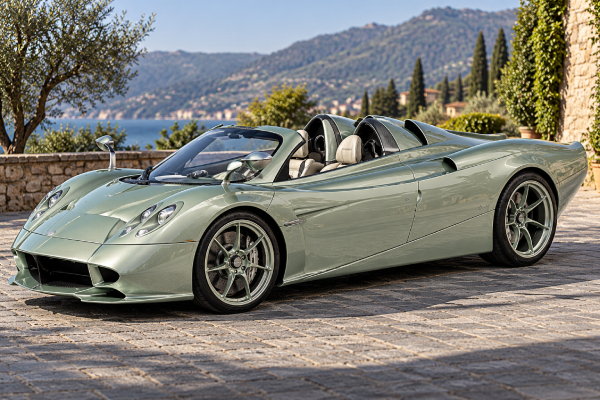
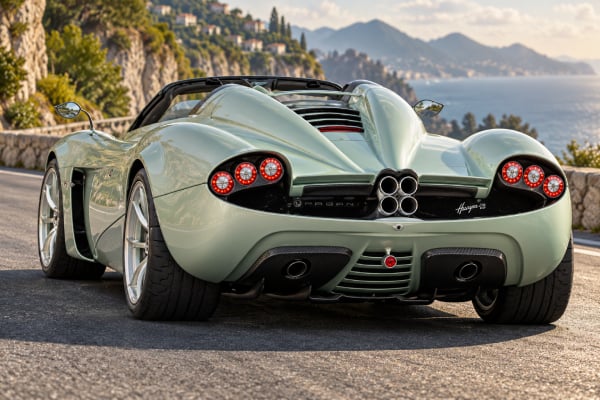
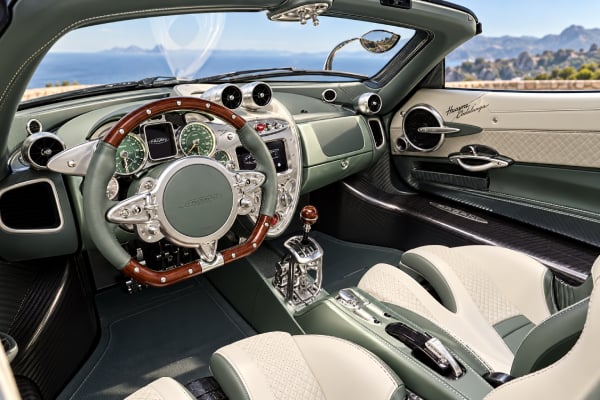
The Pagani Huayra Codalunga Speedster is a ten-car open-top interpretation of the long-tail idea, but it is not simply a Codalunga with its roof removed. Pagani created a new monocoque, lowered and softened the glasshouse, engineered a dedicated removable panoramic hard top, changed the airflow paths, and gave customers a rare choice between a seven-speed automated manual and a true seven-speed manual. The 5,980 cc twin-turbo V12 produces 864 hp and 1,100 Nm, while factory dry weight is 1,270 kg and top speed is electronically limited to 350 km/h. Deliveries were scheduled to begin in 2026, so the ownership story is still being written: there is not yet a credible long-term list of common faults. What matters now is correct commissioning, exact build documentation, careful roof and body handling, tire and brake condition, software history, and preservation of each client’s bespoke specification. This guide focuses on those first-generation ownership questions without pretending that rarity eliminates normal mechanical diligence.
Table of Contents
- What the Speedster Changes from the Codalunga
- Codalunga Speedster Factory Data
- Roof, Structure, and Airflow Without Visual Clutter
- Manual Versus AMT: Two Very Different Control Systems
- Materials, Cabin Craft, and the Driver Interface
- Commissioning, Maintenance, and Storage for a New Few-Off
- Buying and Provenance Checks for One of Ten Cars
What the Speedster Changes from the Codalunga
The Codalunga Speedster keeps the long-tail philosophy but changes the car at structural, aerodynamic, ergonomic, and mechanical-interface levels. Pagani describes an entirely new monocoque, a lower windscreen and side-glass profile, a purpose-designed roof, revised hidden airflow management, and the option of a genuine manual gearbox.
That distinction matters because the closed Huayra Codalunga was itself a special five-car project rather than a regular production trim. It began after two collectors asked Pagani for a cleaner, elongated Huayra inspired by 1960s long-tail competition cars and Italian coachbuilding. The Speedster expands the theme to ten cars, but it does not belong to the original five-car run and should not be represented as a factory conversion of a closed Codalunga.
Pagani revealed the open car in July 2025 and said deliveries would begin in 2026. The factory also stated that all ten examples would be homologated for road use worldwide. In July 2026, Pagani included the Codalunga Speedster in its dynamic program at the Goodwood Festival of Speed, giving the model a public running appearance rather than leaving it only as a static launch object.
The most obvious visual change is the upper body. The windscreen is lower and more gently curved, the side windows follow a reduced profile, and the removable roof was designed as part of the silhouette rather than as a simple panel placed over the cabin. With the roof installed, Pagani wanted the line to continue cleanly from the nose through the tail; with it removed, the same body has to control cockpit airflow without relying on a tall conventional screen.
The exterior also hides more of the functional hardware than many modern hypercars. Pagani removed prominent side air intakes and avoided large add-on aerodynamic forms where possible. NACA ducts are worked into the flat underbody, and the rear treatment combines a diffuser with two fins. The result is a useful reminder that a quiet-looking surface is not necessarily aerodynamically simple. Cooling, pressure relief, stability, and road homologation still have to be solved somewhere.
The Speedster’s six-outlet exhaust is another model-specific element. Lower pipes are titanium, while the upper outlets use a ceramic coating. This arrangement gives the rear a different identity from the central four-pipe motif associated with many Paganis while also making the exhaust part of the visual composition.
For owners, the model’s newness changes how maintenance information should be interpreted. There is no evidence base yet for declaring a recurring clutch problem, roof leak, damper failure, or electronic weakness. A responsible owner should instead establish a clean baseline: document the car at delivery, record software versions and campaign work, note how the roof fits, photograph exposed composite surfaces, retain tire date information, and keep every factory invoice and configuration record. Patterns can be assessed later; they should not be invented now.
Codalunga Speedster Factory Data
The Codalunga Speedster is an ICE hypercar powered only by a twin-turbocharged gasoline V12. Its rear-wheel-drive layout pairs the 5,980 cc engine with a transverse seven-speed Pagani by Xtrac gearbox, offered either as an automated manual transmission (AMT) or as a pure manual.
| Specification | Factory data |
|---|---|
| Engine | 60-degree Pagani V12, twin-turbo, developed with Mercedes-AMG |
| Displacement | 5,980 cc |
| Maximum power | 864 hp (635 kW) at 6,000 rpm |
| Maximum torque | 1,100 Nm (811 lb-ft) from 2,800 rpm |
| Drive | Rear-wheel drive |
| Top speed | 350 km/h (217 mph), electronically limited |
| Specification | Factory data |
|---|---|
| Gearbox | 7-speed transverse Pagani by Xtrac |
| AMT configuration | Automated manual transmission |
| Manual configuration | Pure manual transmission |
| Number of forward gears | 7 |
| Specification | Factory data |
|---|---|
| Length | 4,912 mm (193.3 in) |
| Width | 2,050 mm (80.7 in) |
| Height | 1,174 mm (46.2 in) |
| Wheelbase | 2,795 mm (110.0 in) |
| Dry weight | 1,270 kg (2,800 lb) |
| Production | 10 examples |
| Component | Factory specification |
|---|---|
| Monocoque | Carbo-Titanium HP62-G2 and Carbo-Triax HP62 |
| Front suspension | Independent double wishbone, forged aluminum alloy |
| Rear suspension | Independent double wishbone, forged aluminum alloy |
| Spring and damper system | Variable-rate springs with coaxial active shock absorbers |
| Component | Front | Rear |
|---|---|---|
| Brake discs | 410 × 38 mm carbon-ceramic | 390 × 34 mm carbon-ceramic |
| Calipers | 6-piston monolithic | 4-piston |
| Wheels | 20-inch monolithic Avional | 21-inch monolithic Avional |
| Tires | Pirelli Trofeo R, 265/30 R20 | Pirelli Trofeo R, 355/25 R21 |
The factory figures are the correct baseline for the model, not a substitute for the specification of an individual chassis. Each Codalunga Speedster is commissioned through Pagani’s Grandi Complicazioni division, so colors, materials, trim, market equipment, and the selected gearbox can differ. For service or purchase decisions, the build record and VIN-specific factory documentation should take priority over a generic specification sheet.
One number that should not be added is an unofficial acceleration time. Pagani’s launch material publishes output, torque, mass, and limited top speed but does not provide a factory 0–100 km/h figure. Estimating one from another Huayra would create false precision because tire condition, gearing, surface, launch technique, temperature, and software all affect the result.
Roof, Structure, and Airflow Without Visual Clutter
The Speedster’s roof system and open structure are core engineering features, not accessories. Pagani designed a new monocoque and a new panoramic hard top so the car could remain structurally serious while preserving the long, uninterrupted profile that defines the Codalunga theme.
The composite tub uses Carbo-Titanium HP62-G2 and Carbo-Triax HP62. Pagani does not publish a torsional-stiffness value for this model, so there is no reason to invent a percentage gain or compare it numerically with another Huayra. The meaningful confirmed point is that the open car received its own monocoque rather than relying on the closed Codalunga structure with the roof section merely removed.
The panoramic hard top has a transparent polycarbonate section. That material choice reduces the visual weight of the roof and lets the cabin retain an open character when the panel is installed. It also changes care requirements: polycarbonate should be cleaned with products and methods approved for the surface, because aggressive solvents, abrasive towels, or unsuitable compounds can haze or scratch it more easily than glass.
Aerodynamic work is deliberately discreet. Pagani says computational fluid dynamics was used to refine the surfaces, and the design employs hidden NACA ducts in the flat underbody rather than prominent side scoops. At the rear, the diffuser and two fins help organize the flow while allowing the tail to remain visually clean. The factory does not publish a drag coefficient or downforce figure in the launch specifications, so any numerical claim in those areas should be treated skeptically unless Pagani later releases it for this exact model.
The rollover structure is also integrated into the shape between the roof area and tail. Owners should not treat that zone as a convenient mounting point for cameras, antennas, luggage straps, or event hardware. An accessory that looks light can damage a finish, interfere with a sealing surface, obstruct airflow, or load a component never designed as a tie-down.
Roof handling deserves a written routine from the first day. Before installation, inspect the panel edges, latch areas, transparent insert, mating surfaces, and seals for dirt or damage. Fit and remove it only according to the factory procedure, with adequate space and the correct number of people or supports. Store the roof in its intended carrier or protective system rather than leaning it against a wall, where an apparently minor slide could mark an irreplaceable finish.
After rain, washing, or a humid open-air event, inspect the cabin and roof interfaces before putting the car away. That does not mean assuming the car leaks; it means avoiding trapped moisture around bespoke leather, embroidery, electronics, and removable-roof contact areas. Early documentation is especially useful on a new limited-production design because a change in seal compression, latch feel, or wind noise can then be compared with the car’s original condition.
Manual Versus AMT: Two Very Different Control Systems
The gearbox choice is the largest functional difference two Codalunga Speedsters can have while sharing the same engine output. Both use a seven-speed transverse Pagani by Xtrac transmission concept, but the manual gives clutch and shift timing to the driver, while the AMT automates clutch operation and gear engagement through its control system.
The manual option is significant because 1,100 Nm is available from 2,800 rpm. Smooth driving does not require slipping the clutch excessively or chasing engine speed at every start. The driver should learn the car’s bite point, throttle response, hill-start behavior, and low-speed driveline manners under factory or dealer guidance before attempting crowded ramps, steep hotel entrances, or stop-and-go traffic.
A manual also adds a driver-created failure mode that an automated clutch strategy can better police: a poorly timed downshift. The correct approach is not to rely on the engine’s strength or electronics to rescue an aggressive selection. Use deliberate gear choices, avoid forcing the lever, and treat any unusual resistance, noise, or clutch smell as a reason to stop and have the car checked rather than repeating the maneuver.
The AMT remains a single-clutch automated manual rather than a dual-clutch gearbox. Its shift character therefore includes a noticeable transfer of load as torque is reduced, the gear changes, and drive is reapplied. Drivers coming from modern dual-clutch cars may initially interpret that pause as a defect. Learning when to maintain throttle and when a small lift produces a smoother road shift makes the system easier to understand.
Low-speed operation matters for both versions. Crawling for long periods on steep inclines can generate clutch heat because neither system turns the transmission into a conventional torque-converter automatic. When maneuvering into a trailer or tight garage, plan the path first, minimize unnecessary reversals, and avoid holding the car on throttle against the clutch. Use the braking system to control stationary position rather than balancing the driveline on an incline.
For maintenance, the transmission label alone is not enough. Keep records of clutch inspections, hydraulic or actuator work where applicable, software updates, calibration procedures, and any gearbox removal. On a manual car, note changes in pedal feel or engagement point. On an AMT car, note changes in take-up quality, shift consistency, or warning messages. A specialist can then compare symptoms with diagnostic data rather than replacing parts by guesswork.
Materials, Cabin Craft, and the Driver Interface
The Codalunga Speedster’s cabin is engineered as much through materials and touch points as through software. Pagani combines hammered and hand-stitched leather, solid-milled metal, carbon fiber, mahogany, and a special embroidered fabric so the driver’s controls remain visually and physically distinct.
The special fabric is one of the model’s most unusual details. Pagani says the motif was inspired by its four-exhaust signature and developed from an embroidery concept associated with haute couture. The factory describes each embroidered element as containing more than 450,000 individual stitches. That is not just trivia for a concours placard: it explains why careless cleaning or repair by a general upholstery shop would be inappropriate.
Steering-wheel and gear-control details mix carbon, mahogany, and hammered aluminum rivets. On a car like this, patina and damage are not the same thing. Light evidence of careful use can be consistent with an original interior, while a gouged metal edge, lifted veneer, stretched leather, or contaminated fabric may require highly specialized restoration. Photographing the cabin in high resolution at delivery gives the owner a reference point for future decisions.
Open-top use exposes the interior to conditions a closed collector car may rarely see. Sunscreen, skin oils, dust, light rain, pollen, and ultraviolet exposure can all affect pale leather, polished metal, fabric, and transparent surfaces. Use the factory’s approved care products and test any unfamiliar cleaning process in consultation with Pagani or an authorized specialist. A generic automotive interior chemical can leave gloss, discoloration, or residue that is especially obvious on a bespoke finish.
Originality extends beyond color. A complete commission can include unique stitching, embroidery, hardware finishes, exposed-carbon patterns, wheel treatment, luggage, roof accessories, and other client-selected details. If anything is changed later through Pagani’s own programs, preserve the earlier documentation alongside the update. Pagani’s Unico program exists specifically to update and personalize existing cars, so a factory-authorized later configuration can be legitimate, but it should still be traceable.
That distinction is important for future judging and resale. “Original,” “factory modified,” and “aftermarket modified” describe different histories. The most useful record is not a claim that nothing ever changed; it is a complete sequence showing what was delivered, what Pagani later approved or altered, and what remains with the car.
Commissioning, Maintenance, and Storage for a New Few-Off
A 2026 Codalunga Speedster should be managed first as a newly delivered machine, not as an older supercar with an assumed list of age-related weaknesses. The best early maintenance strategy is to create a documented baseline, follow the VIN-specific factory schedule, and investigate changes in behavior before they become expensive mysteries.
At handover, record the tire make, exact size, manufacturing date codes, pressures specified for the delivered configuration, fluid levels where the owner is expected to inspect them, roof components, keys, tools, chargers, manuals, luggage, and all commission-specific accessories. Photograph the wheels, brake discs, exposed carbon, underside protection, front splitter area, glass, roof surfaces, and interior. This evidence is useful after transport, servicing, or an event because it separates new damage from pre-existing marks.
Tires deserve special attention because the factory fitment is Pirelli Trofeo R in 265/30 R20 front and 355/25 R21 rear sizes. This is a performance-oriented tire, so temperature, age, storage, and surface condition matter even if tread depth remains generous. Follow Pagani and Pirelli guidance for cold-weather use, pressure, replacement, and any limits on repair. Do not substitute another tire simply because the nominal dimensions match; construction and calibration matter on a car with active dampers and extreme output.
Carbon-ceramic brakes also need condition-based inspection rather than casual visual judgment. Surface appearance can vary with use, and remaining life is not reliably determined by looking at disc thickness alone. Use the factory inspection method, approved pads, and correct service equipment. After hard use, allow the car to cool appropriately before washing; immediately soaking very hot components is poor practice on any high-performance braking system.
The active shock absorbers and suspension electronics should remain free of unapproved modifications. A ride-height change, nonstandard wheel, different tire construction, or alignment outside the factory setup can affect more than appearance. It can alter clearance, steering response, damper behavior, tire contact, and the way the body moves at speed. If the owner wants a change, the appropriate path is consultation with Pagani rather than independent experimentation.
Storage should protect both mechanical and cosmetic systems. Keep the car clean and dry, stabilize temperature and humidity where practical, avoid prolonged tire loading outside Pagani’s recommendations, and keep the roof panel in its dedicated protection. If the vehicle will remain unused for an extended period, obtain a storage procedure from the servicing dealer rather than starting the engine briefly in place as a ritual. Short idling sessions may add moisture and heat cycles without bringing the full drivetrain to useful operating conditions.
When the car returns to use, perform a proper pre-drive inspection. Look for fluid traces, tire pressure changes, pest or debris intrusion, warning messages, roof or seal movement, and anything left near the car during storage. Warm the powertrain progressively and verify brake feel at low speed before demanding performance. The first kilometers after a long rest are for confirmation, not for testing the 350 km/h limiter.
Buying and Provenance Checks for One of Ten Cars
A Codalunga Speedster purchase should be authenticated chassis first, story second. With only ten examples, a buyer needs Pagani-confirmed identity, the original commission specification, the installed transmission, complete service history, and a physical inspection that treats bespoke materials and mechanical systems with equal seriousness.
Start with the factory record. Confirm the VIN, delivery market, original client specification where transferable, exterior and interior materials, gearbox choice, wheel finish, roof specification, and all accessories supplied with the car. Then match those records to the physical vehicle. A striking color or rare manual gearbox should never be accepted on reputation alone when Pagani can confirm what the chassis was built to be.
Next, establish chronology. The Speedster was announced in 2025 with deliveries scheduled from 2026, so “model year,” build completion, first registration, and first road use may not be the same date. Record each separately. A car can also appear at a factory, concours, dealer, or media event before normal client use; that history is not automatically negative, but it should be documented rather than guessed.
A pre-purchase inspection should include the composite structure and body surfaces, roof panel and interfaces, glass, wheels, tires, brakes, suspension, underbody, cooling openings, exhaust area, cabin trim, electrical systems, and both cold and warm operating behavior. On a manual, evaluate clutch engagement and shift quality without abusive testing. On an AMT, confirm smooth engagement, commanded shifts, relevant calibrations, and diagnostic history.
Transport history matters on a car with a long nose, extended tail, very low body, and expensive underbody surfaces. Look for lift-point damage, scraped lower edges, crushed or marked aero panels, wheel-rim contact, and evidence of incorrect tie-down. Ask how the car was moved between factory, dealer, events, storage, and owner locations. An enclosed transporter does not guarantee correct loading technique.
Paint and exposed carbon require specialist inspection because small repairs can be hard to identify in photographs. Compare weave alignment, clear finish, edge quality, fasteners, panel gaps, and the appearance of adjacent surfaces. A repair is not automatically unacceptable if Pagani performed or approved it; the concern is undocumented work, especially where a cosmetic correction may hide structural impact.
The bespoke interior should be checked against high-resolution delivery images and the commission book. Examine embroidery, seat surfaces, steering-wheel materials, switches, machined metal, mahogany elements, and trim around the roof openings. A replacement part can be correct, but it should have an invoice and explanation. On such a limited car, a bag of removed original pieces is less useful than a factory record showing why the work was done.
Software and campaign status belong in the inspection even though they are less visible than carbon fiber. Ask the servicing network to confirm current calibrations, outstanding factory actions, warning history, and whether the car has any unresolved diagnostic entries. Avoid clearing faults immediately before purchase; stored information can help explain intermittent behavior.
Finally, verify everything supplied with the chassis. Depending on the individual commission, that may include the removable roof and its storage equipment, battery maintainer, keys, manuals, tools, fitted luggage, covers, presentation materials, certificates, and spare trim or accessories. Do not assume every Speedster has the same ancillary set; compare the actual car with its delivery inventory.
References
- Huayra Codalunga Speedster | Pagani 2025
- Pagani Huayra Codalunga Speedster. Elegance, Uncovered. | Pagani 2025
- Huayra Codalunga | Pagani 2022
- Pagani Automobili at the Goodwood Festival of Speed: World Premiere of the Pagani Huayra 70 Derecho | Pagani 2026
- Pagani Unico | Pagani 2022
- Pagani Rinascimento | Pagani 2017
Disclaimer
This article is for informational purposes only and is not a substitute for professional diagnosis, maintenance, or repair. Specifications, torque values, service intervals, software, and procedures can vary by VIN, market, equipment, and final commission; verify all work against the official Pagani service documentation for the exact Codalunga Speedster.
If this guide was useful, please share it on Facebook, X/Twitter, or with another Pagani owner or enthusiast to support our work.