

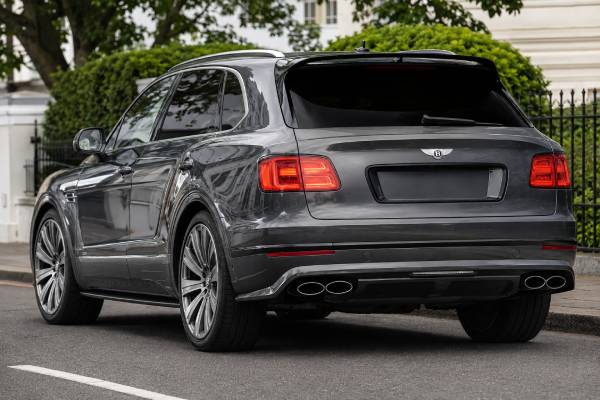
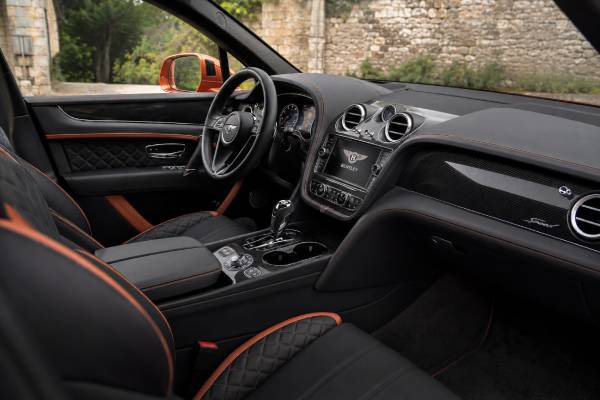
The original Bentley Bentayga Speed turned an already extraordinary luxury SUV into a 306 km/h flagship. Its revised 6.0-litre twin-turbo W12 produces 626 bhp and 900 Nm, giving the 2019–2020 model a factory 0–100 km/h time of 3.9 seconds and, at launch, the title of the world’s fastest production SUV. The Speed was more than an engine calibration. Bentley sharpened Sport mode, fitted distinctive 22-inch wheels and exterior details, and introduced Alcantara to the Bentayga cabin for the first time. That combination makes genuine cars desirable, but it also raises the stakes of a used purchase. High-speed tires, powerful brakes, active suspension, cooling systems and a tightly packaged twelve-cylinder engine must all be correct. Cosmetic conversions can imitate badges and black trim without reproducing the factory specification. This guide focuses on authenticity, the engineering behind the extra performance, the maintenance consequences of heat and mass, and a road-test method suited to a vehicle whose abilities far exceed what can safely be explored on a public road.
Table of Contents
- The Speed’s Place at the Top of the 4V1 Range
- Factory Specifications and Identifying Equipment
- What Bentley Changed in the W12 and Sport Mode
- Managing Two-and-a-Half Tonnes at High Speed
- Cabin Details, Options, and Authenticity Checks
- Service Demands of the Performance Flagship
- Inspection Sequence and Buying Verdict
The Speed’s Place at the Top of the 4V1 Range
Bentley introduced the Bentayga Speed in February 2019 as a performance-focused evolution of the original W12 model. The standard W12 already combined 600 bhp with remarkable refinement. The Speed raised output to 626 bhp, increased top speed from 301 to 306 km/h and shortened the 0–100 km/h time by two tenths to 3.9 seconds.
Those differences appear modest on paper, but the Speed’s purpose was symbolic as well as numerical. It applied a long-standing Bentley name to the company’s SUV and established a distinct flagship above the ordinary W12. The model was developed for owners who wanted the most forceful road character without moving away from the Bentayga’s handcrafted cabin and everyday usability.
The car remained a large luxury SUV rather than a stripped track special. Air suspension, permanent all-wheel drive, an eight-speed automatic and extensive comfort equipment remained central to the design. The Speed calibration changed the way those systems interacted in Sport mode, while buyers could still choose four-, five- or seven-seat arrangements depending on market and specification.
Production timing matters. This guide covers the pre-facelift 2019–2020 Speed with the original body and dashboard. Bentley later offered a redesigned Bentayga Speed with revised exterior styling and new infotainment. A registration document dated 2020 or 2021 does not by itself establish which version is present. Compare the front and rear design, dashboard screen and build record.
Rarity should not be assumed from online listings. Bentley did not present the Speed as a numbered global run in the way it did some special editions. Value depends more on condition, color, equipment, provenance and market demand than on an unsupported claim that only a handful were built.
Factory Specifications and Identifying Equipment
The Speed uses the same basic W12 architecture as the launch Bentayga but with a higher factory output and a 306 km/h maximum speed. The correct figures help identify inaccurate advertisements that mix standard W12, Speed and later-model data.
| Specification | Official figure |
|---|---|
| Engine | 5,950 cc twin-turbocharged W12 petrol |
| Maximum power | 635 PS / 626 bhp / 467 kW at 5,000–5,750 rpm |
| Maximum torque | 900 Nm (664 lb-ft) at 1,500–5,000 rpm |
| Transmission | Eight-speed automatic |
| Drive | Permanent all-wheel drive |
| Fuel system | Combined direct and port fuel injection |
| Measure | Figure |
|---|---|
| 0–60 mph | 3.8 seconds |
| 0–100 km/h | 3.9 seconds |
| Top speed | 306 km/h (190 mph) |
| Maximum torque range | 1,500–5,000 rpm |
| Fuel tank | 85 litres (22.5 US gal) |
| Feature | Factory treatment |
|---|---|
| Headlamps and grille | Dark-tint headlamps and dark-tint matrix grille |
| Lower bumper grilles | Dark-tint finish |
| Bodywork | Body-colored side skirts and Speed badging |
| Rear | Unique spoiler and dark-tint lamps |
| Wheels | Unique 22-inch Speed design in multiple finishes |
| Black Specification | Available with further dark exterior detailing and carbon components |
| Area | Speed detail |
|---|---|
| Seat and door surfaces | Alcantara introduced to the Bentayga range |
| Color treatment | Color-split design with contrast accents |
| Seat embroidery | Speed emblem |
| Sill treadplates | Illuminated Speed branding |
| Driver display | Speed-specific graphics |
| Veneer | Multiple choices, including Speed-oriented dark finishes |
| System | Application |
|---|---|
| Suspension | Adaptive air suspension with self-levelling |
| Active roll control | Bentley Dynamic Ride available |
| Sport mode | Recalibrated for firmer suspension response and more direct behavior |
| Standard brakes | Large iron discs |
| Optional brakes | Carbon-ceramic system with 440 mm front and 370 mm rear discs |
| Stability control | Dynamic Mode calibration permits greater driver involvement |
Market test cycles and equipment create variation in mass, consumption and emissions data. Verify those items from the certificate and technical sheet supplied with the individual car rather than applying one country’s published number universally.
What Bentley Changed in the W12 and Sport Mode
The additional 26 bhp did not transform the basic personality of the W12. Its defining feature remains a broad torque plateau and a smooth, uninterrupted surge. The engine reaches 900 Nm from 1,500 rpm, so the transmission can deliver extreme pace without repeated high-rpm shifts.
Bentley’s compact W arrangement fits twelve cylinders into less length than a conventional V12. Two turbochargers provide boost, while direct and port injection allow the control system to choose the most suitable strategy for load and speed. Cylinder deactivation can reduce pumping losses under light conditions. All of this is packaged tightly beneath the Bentayga’s front bodywork, making access, heat shielding and correct reassembly important during service.
The Speed’s engine calibration supports the higher output and maximum speed, but the chassis software is equally significant. In Sport mode, Bentley specified firmer suspension behavior, sharper response and a more assertive exhaust character. Dynamic Ride can apply counter-torque through the anti-roll system, keeping the body flatter while preserving a more compliant response in less aggressive settings.
A healthy Speed should feel seamless rather than theatrical at low load. Cold idle may sound busier than a warm engine, but misfires, hunting, metallic rattles and visible smoke are not defining characteristics. The engine should build power cleanly from low rpm and the gearbox should select ratios without flare or a heavy impact.
The top-speed figure should never be treated as a road-test target. Its practical value is that Bentley engineered the cooling, aerodynamics, tires and stability systems for sustained high performance under controlled conditions. A used-buyer test instead looks for consistency: stable temperature, repeatable moderate acceleration, straight braking and no warnings after the vehicle is fully warm.
Software modifications are a major concern. An aftermarket tune can raise boost and torque beyond the calibration used to validate the transmission, cooling and emissions systems. It may also be hidden before sale. Compare software identifiers where possible, inspect for non-factory hardware and ask for a written declaration. A standard car with complete records is generally easier to value and insure.
Managing Two-and-a-Half Tonnes at High Speed
The Speed’s performance depends on tires before any other chassis component. They carry very high load, must meet the specified speed rating and operate within narrow pressure requirements. A prestigious brand name is not enough. All four tires should have the correct size, load index, speed symbol and Bentley approval where specified, with closely matched tread depth and age.
Inspect the inner shoulders because aggressive alignment, worn components or repeated high-speed use can produce wear that is invisible from outside. Date codes matter even when tread appears deep. Old rubber can harden, crack and lose wet grip. Replacing a complete set is a sensible baseline when age or history is uncertain.
The unique 22-inch wheels are part of the Speed identity. Check the factory design and finish against the build sheet. Refurbishment is common, but poor machining, excessive powder coating around mounting surfaces or a color that conceals cracks can create problems. Inspect the inner barrels for bends and welds, and confirm that wheel bolts and locking keys are present.
Iron brakes suit most road use. They should stop the car without steering shake, pedal pulsation or a change in direction. Because the SUV is heavy, a lightly used car can still need discs if corrosion has developed on hidden surfaces. Measure rather than judge through the wheel spokes.
Carbon-ceramic brakes reduce unsprung weight and resist repeated high-temperature use, but they transfer risk to the buyer. Specialized inspection should assess disc mass or wear indicators, edge damage, surface condition and pad compatibility. A chipped disc from careless wheel removal can be financially significant. Obtain replacement prices before purchase so the option is valued realistically.
Air suspension should move through its height settings without delay or warning. Listen for compressor operation and leave the car parked long enough to check whether a corner drops. At speed, a weak damper can produce float, while a leaking air spring may reveal itself first as repeated leveling after stopping.
Dynamic Ride uses a 48-volt system separate from the ordinary 12-volt network. Its warning light should not be accepted as a harmless consequence of storage. Scan both voltage systems, test the 48-volt battery and inspect the active anti-roll components. The system’s ability to disguise body movement makes comparison with a known-good car useful.
Alignment must be performed by a workshop that understands ride-height calibration and the model’s wheel sizes. A steering wheel that sits slightly off-center may indicate rushed alignment after tire or suspension work. Review invoices for the reason alignment was required; repeated adjustments can point to wheel damage or an unresolved component fault.
Cabin Details, Options, and Authenticity Checks
The Speed brought Alcantara into the Bentayga interior, using it alongside leather in a model-specific color split. That material gives the cabin a less formal appearance than a traditional all-hide W12. It also wears differently. Look for flattened fibers, discoloration from hands and clothing, poorly matched repair panels and aggressive cleaning that has left the surface stiff.
Speed embroidery, treadplates, badging and graphics support identification, but all can potentially be changed. The factory build record is the authoritative source. It should identify the model designation and option codes, not merely list dealer-fitted accessories. Match exterior paint, interior colors, veneer, wheels and brake equipment to that record.
Black Specification cars can look especially dramatic, with dark exterior elements and available carbon-fibre components. Carbon pieces should have consistent weave and clear coat. Clouding, cracks near mounting points or a mismatch between panels can indicate damage or replacement. Check the lower edges where curbs and road debris strike first.
Bentley offered broad personalization, so an unusual color combination is not automatically incorrect. Conversely, a common-looking black car can still have a rare interior. Value should reflect desirability in the intended market, but authenticity comes from documentation.
Test all luxury functions systematically. The central infotainment screen, navigation, phone connection, audio, digital driver display, head-up display where fitted, climate zones, seat heating, ventilation and massage should operate. Rear-seat controls can be overlooked during a brief inspection. Verify both keys and any remote-control devices supplied with rear entertainment.
The panoramic roof must open, close and seal without clicking or binding. Inspect the headlining, pillars, luggage area and underfloor compartments for moisture. Water intrusion can affect electronic modules long before a visible stain appears. A musty smell or repeatedly misted windows deserves investigation.
Soft-close doors and the powered tailgate should complete their movement without repeated attempts. Check every exterior lamp for condensation and correct operation. Dark-tinted Speed lamps are expensive, so a non-matching replacement is both a cost issue and an authenticity clue.
Mileage should be consistent across documents, diagnostic modules and wear. Polished steering-wheel surfaces, a collapsed seat bolster or heavily marked switchgear on a claimed ultra-low-mileage car may have an innocent explanation, but the seller should be able to support the history.
Service Demands of the Performance Flagship
The Speed rewards preventive care. Its power output, mass and tightly packed engine bay leave less tolerance for neglected fluids or marginal cooling than an ordinary SUV. Annual engine-oil service with the correct approved product is a sensible foundation even when mileage is low.
Ask for records of spark-plug replacement and ignition diagnosis. Twelve cylinders mean more plugs and coils, and intermittent misfires may appear only under load. A full scan should include stored and pending faults plus misfire data. Clearing a warning light before sale does not correct the cause.
Cooling-system inspection should cover reservoir level, concentration, pressure integrity, pumps, hoses, radiators and charge-air heat exchangers. Look through the front openings for debris without damaging the fins. A history of coolant additions without a documented repair is a warning sign. The W12 should maintain stable temperature during an extended test in traffic and at road speed.
Oil seepage deserves classification rather than panic. A light film and an active leak are different, but the location and access cost matter. Remove undertrays where permitted during a specialist inspection. Freshly cleaned surfaces can hide evidence, so look for residue at fasteners and farther back along the underbody.
The automatic transmission should be evaluated cold and hot. Check initial engagement, low-speed creep, kickdown and steady cruising. A jolt can arise from software, mounts, driveline lash or internal wear; only proper diagnosis separates them. Fluid-service decisions should follow Bentley information and condition, not a universal internet rule.
Differential and transfer-case seals should be dry. Tire circumference must be closely matched to protect the permanent all-wheel-drive system. A low-speed shudder on full steering lock needs investigation before it is dismissed as “normal because it is AWD.”
Brake fluid, coolant and other time-sensitive fluids need dated evidence. Carbon-ceramic cars still use conventional hydraulic fluid and calipers that require care. Iron-brake cars stored for long periods should be checked for corrosion on both faces of every disc.
The 12-volt battery is a common source of cascading warnings on complex vehicles. Test capacity and charging performance, note its age and use a compatible maintainer during storage. Do not let a weak battery become the standard explanation for every fault; after voltage is corrected, rescan and confirm which codes return.
Body and interior care influence value. Alcantara requires suitable products, carbon fibre needs careful inspection, and matte or special-order paints may be difficult to match. Paint-depth readings help reveal repairs, but aluminum body panels require interpretation by someone familiar with factory finishes and panel construction.
A complete service file should show who performed work and why. Specialist knowledge is more important than a logo alone. Look for precise invoices, correct part numbers and evidence that faults were followed through rather than repeatedly reset.
Inspection Sequence and Buying Verdict
Start by confirming that the car is a factory Bentayga Speed. Decode the VIN, obtain the build sheet and compare its model designation, wheels, badges, trim, brake system and colors with the physical vehicle. A standard W12 wearing Speed-style parts does not have the same provenance or value.
Arrange to see the vehicle cold. Record oil and coolant levels before startup, watch the warning-light check and listen through the first minute. The idle should settle smoothly. Blue smoke, persistent white vapor after warm-up, fuel odor or a heavy metallic sound needs a documented explanation.
Use a diagnostic tool capable of reading all Bentley-relevant modules. Capture codes before the road test and again afterward. Review engine, transmission, suspension, 48-volt system, braking, driver assistance, infotainment and body controllers. Check readiness and software information where available.
The drive should last long enough to reach full temperature. Begin gently, confirm smooth steering and braking, then use progressive throttle in a safe location. The engine should deliver uninterrupted torque, the transmission should not flare, and temperatures should remain stable. Test Sport mode for a clear but controlled change in response. No public-road test needs to approach the maximum speed.
Apply the brakes from several legal speeds, building pressure progressively. The vehicle should remain straight with a firm, consistent pedal. A ceramic system may make different low-speed noises from iron discs, but vibration, warning messages or visible damage are not acceptable without specialist assessment.
After the drive, allow the car to idle and inspect for coolant smell, fan behavior, smoke and fresh leaks. Recheck the suspension height after parking. A hot restart should be immediate and clean.
Examine the underside on a lift. Look for undertray damage, oil or coolant paths, exhaust modifications, tire wear, bent wheels and suspension play. Inspect brake discs from both sides. A general inspection that never removes a wheel or undertray is not sufficient for a purchase at this level.
Review ownership costs before negotiating. Obtain real quotes for a complete set of approved tires, the fitted brake type, insurance and annual service. Add a contingency for air suspension, 48-volt components and luxury electronics. The Speed may be depreciated, but it remains a 190-mph Bentley in parts and labor requirements.
The best example is not necessarily the one with the lowest mileage. Regular use, annual maintenance, correct tires and a stable diagnostic record can be preferable to a car stored for years on old rubber and a weak battery. Provenance, original equipment and honest condition should determine the premium.
Buy the Bentayga Speed for its combination of W12 smoothness, urgent response and distinctive cabin—not merely for the historical top-speed claim. When authenticity is documented and maintenance is proactive, it delivers a form of performance few SUVs of its era could approach. When history is vague, the same complexity can turn a tempting price into an open-ended restoration.
High-Speed Capability Raises the Inspection Standard
A 190 mph rating does not mean a used Speed has been driven near that figure, but it does mean every tire, wheel and chassis component was specified for exceptional loads. Confirm matching approved tires with adequate speed and load ratings, inspect inner sidewalls and rim barrels on a lift, and look for alignment wear that may be invisible from the outer shoulder. The underbody, front cooling openings, wheel-arch liners and aerodynamic trim should be secure because small damage becomes more consequential as speed rises.
Brake condition must be judged by specification. Carbon-ceramic discs can save substantial mass and tolerate extreme temperatures, yet replacement costs demand careful measurement and inspection for chips or impact damage. Iron-brake cars still require smooth, powerful stops without steering shake. During the road test, build speed only where legal and safe, listening for wheel-bearing noise, driveline vibration or wind noise that changes with load. A Speed that feels calm at ordinary motorway pace usually reflects better preparation than one whose seller focuses only on acceleration figures while presenting old tires, neglected alignment or incomplete brake records.
References
- Bentley News 2019 : BENTLEY LAUNCHES WORLD’S FASTEST, MOST LUXURIOUS SUV 2019
- The Award-winning Bentayga Reaches 20,000 Milestone | Bentley Media 2020
- New Bentley Bentayga, The Definitive Luxury SUV | Bentley Media 2020
- BENTLEY NEWSROOM : 2016 Bentayga 11WO 2026
- Bentley Bentayga | History and Heritage | Bentley Motors 2026
- BENTLEY NEWSROOM : Technical Specifications 2026
Disclaimer
This Speed article is for informational purposes and is not a substitute for professional diagnosis or repair. Equipment, software, torque values, service intervals and workshop procedures vary by VIN, market and specification, so authenticate the car and consult its official service documentation. Please share the guide on Facebook, X/Twitter or another social platform if it proved useful.