

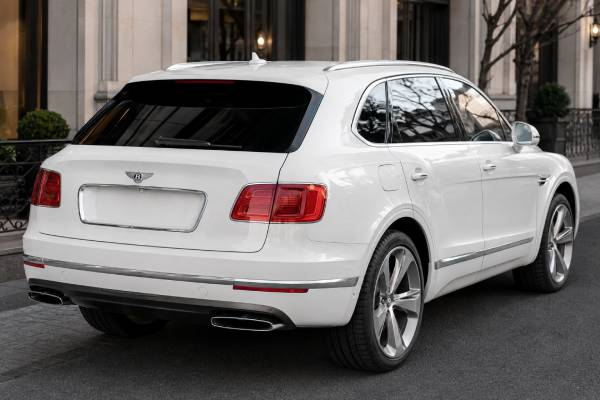
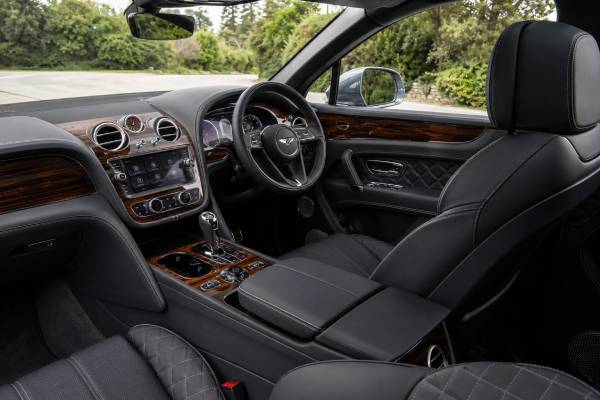
The 2018–2020 Bentley Bentayga V8 occupies the practical sweet spot of the original 4V1 range. Its 4.0-litre twin-turbocharged engine produces 542 bhp and 770 Nm, enough for 0–100 km/h in 4.5 seconds and a 290 km/h top speed, yet it carries less mass over the front axle than the W12 and has a sharper, more vocal character. It also introduced an unusually serious carbon-ceramic brake option, while retaining the air suspension, permanent all-wheel drive and handcrafted cabin that define the Bentayga. Those strengths do not make it inexpensive to own. Heat management, turbocharger plumbing, cooling-system condition, cylinder-deactivation behavior, brake specification, tire quality and a dense network of electronic features all deserve close inspection. Used buyers must also distinguish this pre-facelift model from the redesigned Bentayga launched for 2021. This guide explains the original V8’s engineering, verified performance figures, chassis choices, service priorities and the evidence that separates a carefully maintained example from an attractive but costly risk.
Table of Contents
- Why the V8 Changed the Bentayga Range
- Verified Engine, Performance, and Chassis Specifications
- Inside the 4.0-Litre Hot-V Twin-Turbo Engine
- Brakes, Suspension, Steering, and Tire Choices
- How the Bentayga V8 Feels in Real Use
- A Maintenance Strategy for Heat and Complexity
- Pre-Purchase Test and Ownership Decision
Why the V8 Changed the Bentayga Range
When Bentley added the petrol V8 to the Bentayga in 2018, it was not positioned as a basic substitute for the W12. The new engine gave the SUV a different balance. It retained effortless acceleration but reduced weight at the nose, responded with a harder-edged exhaust note and made the chassis feel more willing to change direction. For many owners, that combination is more useful than the W12’s additional cylinders and ultimate smoothness.
The V8 also widened the Bentayga’s appeal without stripping away its core equipment. It remained a full luxury model with an eight-speed automatic transmission, permanent all-wheel drive, self-levelling air suspension and the same broad choice of veneers, hides, seating configurations and Mulliner personalization. Bentley Dynamic Ride, the 48-volt active anti-roll system, was available and is especially relevant when assessing a used car because it materially changes body control and adds expensive components.
This version belongs to the original body design. Its round inner headlamps, separate central dashboard screen and first-generation rear styling distinguish it from the extensively revised model introduced in 2020 for the 2021 model year. Advertisements sometimes use registration year alone, so a late-registered pre-facelift car can be described as a newer generation than it really is. The VIN, build sheet and exterior details should settle the question.
The V8’s appeal also depends on specification. A restrained five-seat car on smaller wheels can be a quiet long-distance machine. A Blackline-equipped example with 22-inch wheels, sports exhaust and carbon-ceramic brakes feels more overtly sporting. Neither is automatically better. The best choice is the one whose equipment matches the intended use and whose maintenance records account for its most expensive options.
Verified Engine, Performance, and Chassis Specifications
Bentley’s official launch figures describe a very fast SUV, but the numbers should be read as a complete system. Tire condition, fuel quality, temperature, vehicle load and surface grip affect measured acceleration, while wheel and brake choices alter comfort and running cost.
| Specification | Factory information |
|---|---|
| Engine | 3,996 cc twin-turbocharged V8 petrol |
| Layout | Front longitudinal, permanent all-wheel drive |
| Maximum power | 550 PS / 542 bhp / 404 kW at 6,000 rpm |
| Maximum torque | 770 Nm (568 lb-ft) from 1,960–4,500 rpm |
| Transmission | Eight-speed automatic |
| Efficiency feature | Cylinder deactivation under suitable light-load conditions |
| Measure | Figure |
|---|---|
| 0–60 mph | 4.4 seconds |
| 0–100 km/h | 4.5 seconds |
| Top speed | 290 km/h (180 mph) |
| Combined fuel consumption | 11.4 L/100 km under the launch-era NEDC combined method |
| Combined CO₂ | 260 g/km under the same published method |
| Component | Description |
|---|---|
| Front suspension | Multi-link independent suspension with air springs |
| Rear suspension | Multi-link independent suspension with air springs |
| Damping | Electronically controlled adaptive damping |
| Ride height | Self-levelling with driver-selectable settings |
| Active roll control | Bentley Dynamic Ride available, using a 48-volt system |
| Drive modes | Four on-road modes; optional Responsive Off-Road Setting adds four terrain modes |
| System | Key details |
|---|---|
| Standard brakes | Large ventilated iron discs with electronic stability and brake-assistance systems |
| Optional carbon-ceramic front discs | 440 mm diameter |
| Optional carbon-ceramic rear discs | 370 mm diameter |
| Carbon-ceramic front calipers | Ten-piston design |
| Claimed brake weight saving | More than 20 kg compared with the iron system |
| Claimed braking torque | Up to 6,000 Nm |
| Measure | Value |
|---|---|
| Length | 5,140 mm (202.4 in) |
| Width excluding mirrors | 1,998 mm (78.7 in) |
| Wheelbase | 2,995 mm (117.9 in) |
| Fuel tank | 85 litres (22.5 US gal) |
| Seating | Four-, five-, and seven-seat factory layouts |
| Factory wheel sizes | 20, 21, and 22 inches |
Published consumption figures differ by market and test cycle. A heavy, powerful SUV used in short urban trips will normally consume much more fuel than an older laboratory combined figure suggests. For ownership planning, calculate from the car’s actual history and the route it will drive.
Inside the 4.0-Litre Hot-V Twin-Turbo Engine
The V8 places its turbochargers within the angle between the cylinder banks. This “hot-V” arrangement shortens the path from the exhaust ports to the turbines, helping response and compact packaging. It also concentrates heat near the center of the engine, which makes cooling-system health, oil quality and the condition of hoses, seals and heat shields especially important as the vehicle ages.
Peak torque begins below 2,000 rpm and remains available through much of normal road use. The transmission rarely needs to chase the upper rev range for brisk progress. Under full acceleration, the engine continues to 6,000 rpm and produces a more pronounced mechanical and exhaust character than the W12. A sports exhaust was available and should be identified through the build record rather than assumed from tailpipe appearance alone.
Cylinder deactivation can temporarily shut down four cylinders when the engine is warm and load is light. The transition should be unobtrusive. A vibration, hesitation or warning under steady cruise deserves diagnosis, but it should not automatically be blamed on the deactivation system. Ignition components, mounts, intake leaks, fuel quality and transmission behavior can create similar symptoms.
Direct fuel injection helps deliver power and control combustion, yet it places a premium on correct fuel and clean operating conditions. Repeated very short journeys do not allow oil and exhaust systems to reach stable temperature. An owner who mainly drives locally should include regular fully warmed journeys rather than treating a high-performance V8 as a vehicle that never needs sustained operation.
The cooling circuit must manage the engine, turbochargers and charge-air system across a wide range of loads. During inspection, look for dried coolant residue around joints, an unexplained low level, fan operation after ordinary driving, or a sweet odor when hot. A pressure test and electronic scan are more useful than simply topping up the reservoir. Any history of overheating should be treated seriously because aluminum engine components and turbocharger bearings do not tolerate repeated thermal stress.
Oil service should follow the exact specification and interval for the VIN and market. Time matters as much as mileage. Cars that cover few miles can still accumulate moisture, fuel dilution and long periods between starts. A thick folder of annual invoices is more reassuring than a dashboard display that has merely been reset.
Brakes, Suspension, Steering, and Tire Choices
The standard iron brakes are entirely capable for road use and are usually the rational choice for a used owner. Their consumables remain expensive because of their size, but replacement is more familiar and damage is easier to assess. Check disc lips, cracking, corrosion on the inner faces, pad thickness and evidence of vibration after repeated stops.
Carbon-ceramic brakes are technically impressive and reduce unsprung mass, but they require a different purchasing calculation. A clean-looking disc can still have heat damage or wear that is not obvious without the correct inspection. Chips at the edges, impact marks, surface changes and an incomplete history should prompt specialist measurement. Replacement cost can dominate the economics of an otherwise attractive vehicle. Confirm that the wheels and tire service history show care around the discs.
Air suspension gives the Bentayga its broad range of ability. It should settle level after parking, raise and lower without warnings, and avoid excessive compressor running. A single low corner after an overnight stop can indicate a leak in an air spring, line or valve block. A tired compressor may mask a small leak for a time by running more often, so observe both ride height and operating noise.
Bentley Dynamic Ride uses electrically actuated anti-roll bars and a 48-volt electrical architecture to resist body roll while allowing wheel movement in softer conditions. When operating correctly, the system helps a tall, heavy SUV remain remarkably composed. Warning messages, uneven handling or low-voltage faults require a scan of the relevant control modules. A conventional 12-volt battery problem can also create a chain of electronic symptoms, so diagnosis should begin with voltage and charging-system health rather than parts replacement by guesswork.
Wheel diameter has an outsized effect on ownership. Large 22-inch wheels deliver the visual stance many buyers expect, but they expose the rims to pothole damage and use costly, high-load tires. Inspect the inner barrel for bends or repairs, not only the visible face. Check all four tires for matching make, model, load index, speed rating and similar tread depth. Uneven inner-edge wear can reveal alignment or suspension issues even when the outer shoulder looks healthy.
Steering should be precise without a constant need for correction. Pulling under braking, a crooked steering wheel or vibration at motorway speed needs investigation. The cause may be as simple as tire variation, but a vehicle of this mass can also conceal bent wheels, worn suspension joints or poor accident repair.
How the Bentayga V8 Feels in Real Use
The V8’s most persuasive quality is not a single acceleration number. It is the ease with which the engine responds at ordinary speeds. A small throttle input produces decisive torque, the automatic normally shifts without drawing attention to itself, and the car can move from quiet cruise to rapid overtaking without the delay expected from a large SUV.
In town, width and wheel choice matter more than horsepower. The body is nearly two metres wide before mirrors, and the turning environment can make cameras, parking sensors and clean wheel rims important. Test every camera view, the screen controls and the power tailgate. A failed convenience feature may not immobilize the vehicle, but correcting several at once can be costly.
On a flowing road, the lighter V8 nose is evident relative to the W12. The Bentayga remains tall and substantial, yet it responds naturally when the driver turns in. Dynamic Ride-equipped cars can keep the body unusually level, though the system cannot repeal tire grip or the consequences of mass. A smooth driver will cover ground more quickly and with less brake heat than one who repeatedly accelerates and stops hard.
At motorway speed, wind and road noise should remain subdued. A booming tire, whistle near a door seal or panoramic-roof rattle deserves attention because the model’s purpose is high-speed refinement. Test the vehicle on more than a short urban loop. Some wheel-balance, transmission and aerodynamic noises only appear after several minutes at a steady speed.
The exhaust character varies with drive mode and factory options. It should sound purposeful under load without metallic rattling, persistent valve noise or a drone that suggests an aftermarket modification. Modified exhaust software or hardware may affect warranty, emissions legality and resale. Ask for invoices and retain the original components where possible.
Fuel range is useful because of the 85-litre tank, but consumption rises sharply with short journeys and high speed. A prospective owner should base the budget on local fuel prices, realistic annual mileage and a conservative consumption estimate rather than the best number shown after a gentle trip.
A Maintenance Strategy for Heat and Complexity
A sound maintenance plan begins with annual inspection and fluid history, not merely the minimum dashboard reminder. Engine oil and filter service are fundamental. Confirm the approved viscosity and specification for the exact market, because a brand name alone does not prove that the oil meets Bentley requirements.
The ignition system works under high cylinder pressure. A slight misfire can appear only under heavy load, so the road test should include a safe, progressive acceleration after the engine is fully warm. Scan for stored and pending misfire counts even when no warning light is present. Spark plugs and coils are service items; replacing one failed component without checking the rest can lead to repeated visits.
Inspect the air-intake and charge-air paths for oil mist, loose clamps, damaged seals and non-factory modifications. A small boost leak can reduce performance without creating an obvious noise. Turbocharger oil and coolant lines should be dry. A brief sound at startup may have many causes, but persistent whine, smoke or loss of boost needs specialist assessment.
Cooling maintenance deserves its own record. Verify coolant concentration, pressure integrity and the operation of fans and pumps. Debris can collect in heat exchangers behind the front openings; careless pressure washing can bend fins. Cleaning should preserve the delicate surfaces while restoring airflow.
The eight-speed automatic should engage Drive and Reverse promptly, creep smoothly and shift consistently when cold and hot. “Lifetime fill” language should not be used to dismiss condition. Fluid age, towing, heat and driving pattern all matter. Use Bentley documentation and a knowledgeable workshop to decide whether service is appropriate; an indiscriminate flush on a neglected transmission is not a substitute for diagnosis.
Transfer-case and differential leaks should be checked on a lift. Matching tires reduce stress on the all-wheel-drive system. A persistent shudder during tight, low-speed turns can be tire-related or driveline-related and should be reproduced with a technician before purchase.
Brake fluid absorbs moisture and is time-sensitive. A car with carbon-ceramic discs still needs ordinary hydraulic maintenance. Inspect flexible hoses, calipers and parking-brake operation. For iron brakes, corrosion after storage can cause vibration that does not disappear with a few light applications.
The panoramic roof, drains and seals should be inspected before water enters the cabin. Lift carpets where practical, examine the spare-wheel or lower luggage area and smell for dampness. Electronic modules and premium audio components do not benefit from hidden moisture. Door soft-close mechanisms, seat ventilation, massage functions, rear controls and every key should be tested methodically.
A battery-support charger is sensible for a car stored between trips, but it must be compatible and connected correctly. Low 12-volt voltage can generate misleading warnings across suspension, driver assistance and infotainment systems. Record the battery age and verify charging voltage before accepting a seller’s explanation that “Bentleys always show lights.”
Finally, document everything. An invoice should identify the vehicle, mileage, date, parts and fluid specifications. A stamped book with no supporting detail is less useful than a coherent chronological file. Maintenance quality can be inferred from small signs: correctly fitted undertrays, unrounded fasteners, matching tires and clean electrical connectors often indicate that previous work was careful.
Pre-Purchase Test and Ownership Decision
Begin with identity. Match the VIN at the windscreen, body and documents, then obtain the factory build specification. This confirms seating layout, wheel design, Dynamic Ride, brake type, sports exhaust, driver-assistance packages and original color combinations. Special-looking trim is not proof of a special edition.
Inspect the car stone cold. Observe the first start, warning-light sequence, idle quality and exhaust. A seller who has warmed the engine before arrival removes useful evidence. After startup, allow the car to stabilize and check for smoke, coolant odor, fuel smell or an irregular idle. Do not conduct hard acceleration until temperatures are normal.
The road test should include broken urban surfaces, tight turns, a steady motorway segment and safe, firm braking. Use more than one drive mode. Listen for suspension knocks at low speed, wheel-bearing hum under load changes and driveline shunt when moving between acceleration and overrun. Confirm that the transmission remains smooth after heat builds.
Test the air suspension at every accessible height. Park on level ground and compare wheel-arch gaps. Operate Dynamic Ride settings where fitted and scan its 48-volt controller. On carbon-ceramic cars, arrange inspection by someone familiar with the material rather than relying on a general used-car report.
Electronic testing should be exhaustive. Pair a phone, check navigation, audio, Bluetooth, climate zones, heated and ventilated seats, massage, windows, mirrors, cameras, adaptive cruise and lane systems fitted to the car. Confirm both remote keys operate and that no keyless-entry or alarm faults are stored.
Look underneath for impact damage, leaks and missing fixings. The front underbody can be damaged by curbs, while improperly positioned lifts can harm panels or jacking areas. Examine the exhaust for modifications and the cooling pack for debris or repair.
A professional diagnostic scan should cover all modules and include freeze-frame information where available. Erased codes immediately before sale are not reassuring. Compare module mileage and service dates for inconsistencies. Verify that recalls, campaigns and software updates applicable to the VIN have been completed.
The financial decision should include a repair reserve. Tires, brakes, suspension, batteries and luxury electronics can each create four-figure invoices, and carbon-ceramic brake replacement can be much more. An inexpensive purchase price does not reduce parts cost. Insurance, tax and fuel should be quoted before committing.
Choose the V8 when its responsive character, engine sound and slightly lighter feel matter more than W12 prestige. Choose a standard-brake car for simpler long-term use unless the ceramic system has compelling condition evidence and the budget to support it. Above all, buy history and specification together. A plain-looking car maintained by knowledgeable specialists is usually a stronger ownership proposition than a highly optioned example with gaps, mixed tires and unexplained warnings.
Choosing Between Iron and Carbon-Ceramic Brakes
Brake specification should match how the V8 will be used. The standard iron system is easier to service and often suits daily driving, while the optional carbon-ceramic package reduces unsprung mass and offers exceptional heat capacity at a much higher replacement cost. Inspect ceramic discs for edge damage, impact marks and surface defects, and confirm pad condition with a specialist familiar with Bentley limits. On either system, uneven inner-pad wear, vibration or pulling under braking deserves investigation. Wheel choice also matters: larger rims sharpen appearance but reduce tire sidewall and increase exposure to pothole damage, so judge the complete wheel, tire and brake package rather than treating each option in isolation.
References
- Bentley News 2018: The Bentley Bentayga V8 2018
- BENTLEY NEWSROOM : 2016 Bentayga 11WO 2026
- The Award-winning Bentayga Reaches 20,000 Milestone | Bentley Media 2020
- New Bentley Bentayga, The Definitive Luxury SUV | Bentley Media 2020
- Bentley Bentayga | History and Heritage | Bentley Motors 2026
- BENTLEY NEWSROOM : Technical Specifications 2026
Disclaimer
Treat this article as information for informational purposes, not as a substitute for professional diagnosis or repair. Specifications, fluid standards, torque values, intervals and procedures can change by VIN, market and equipment; verify the individual V8 with official service documentation and a qualified Bentley specialist. Please consider sharing the guide on Facebook, X/Twitter or another social platform.